


Pressure Casting Equipment & Technology | Industrial Manufacturing Insights
Pressure Casting: A Tried and True Method in Industrial Manufacturing
Having spent over a decade working around the industrial equipment sector, I’ve come to appreciate just how integral pressure casting truly is in shaping metal parts that demand precision, durability, and consistent quality. Oddly enough, even with the rise of newer manufacturing techniques, pressure casting remains a favorite for many engineers and fabricators I’ve talked with — for good reasons.
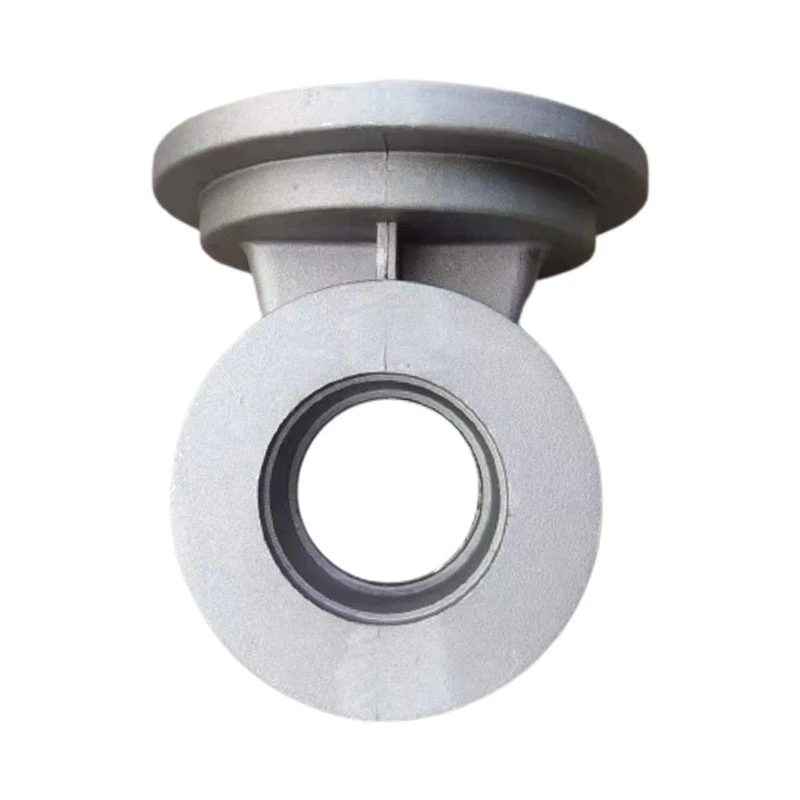
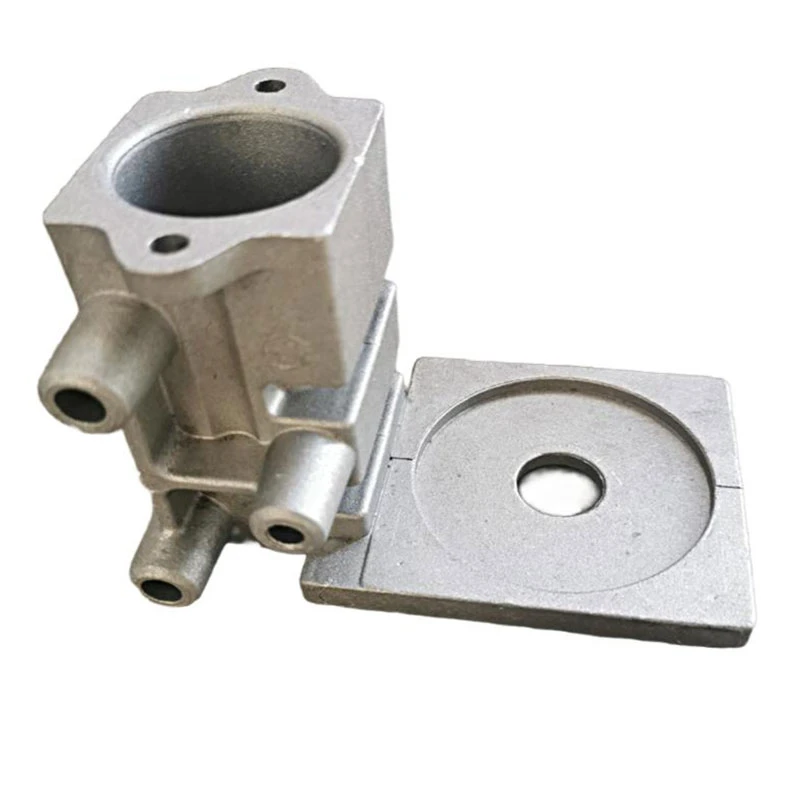
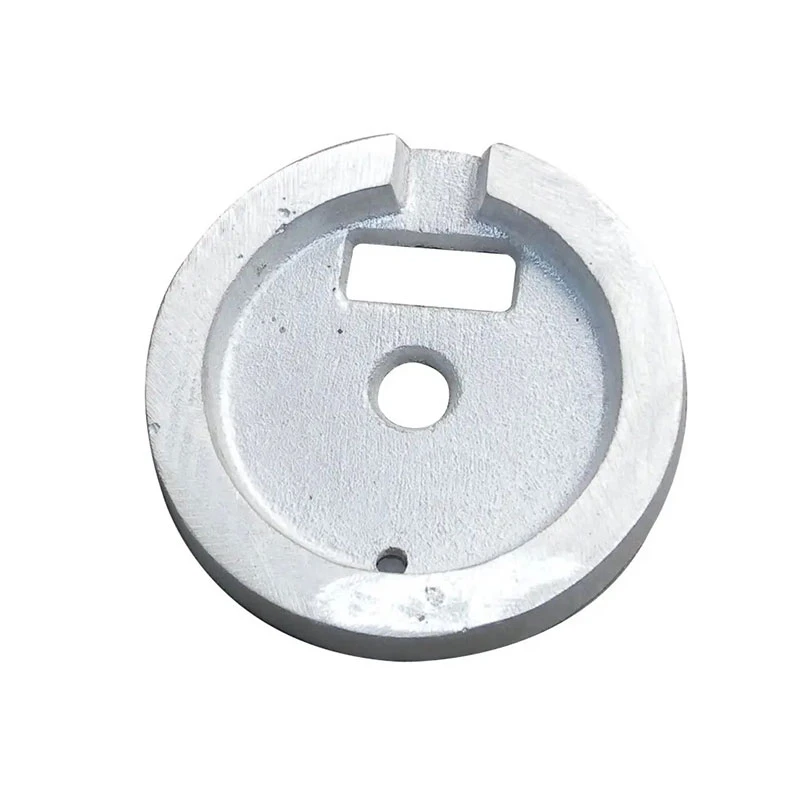
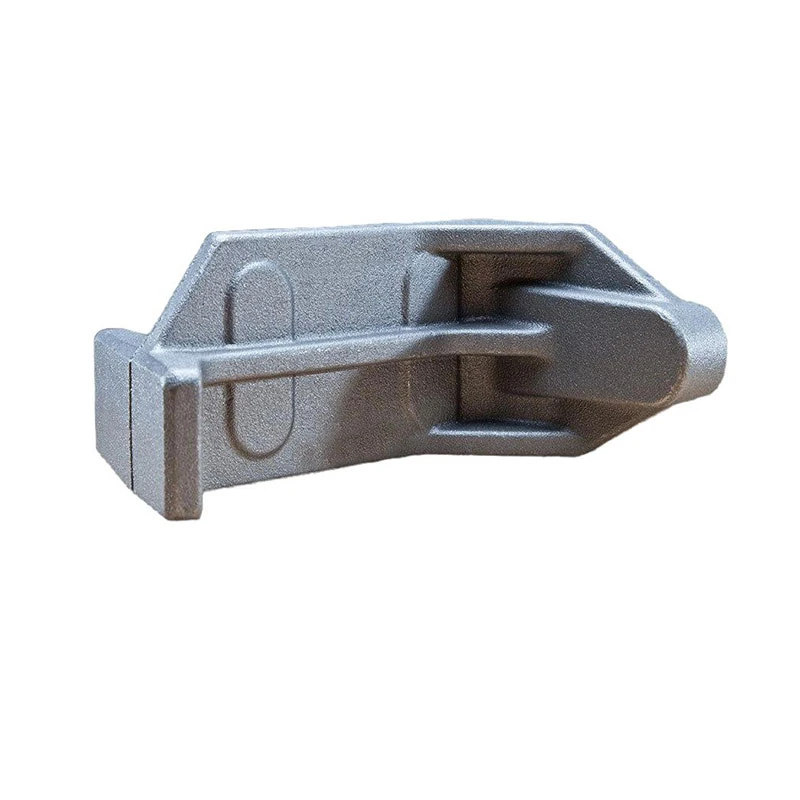
In real terms, pressure casting involves forcing molten metal under high pressure into a mold, giving you parts that not only look great but perform under some pretty tough conditions. It’s the method behind countless components in automotive, aerospace, and heavy machinery sectors — where every millimeter and material property counts. Frankly, it feels like the secret handshake of metal fabrication professionals.
Over the years, I’ve noticed the evolution of pressure casting machines, with improved pressure control and automation helping to reduce defects – which, trust me, is a big deal. Yet, what hasn’t changed much is the core advantage: speed and repeatability. With pressure casting, a manufacturer can crank out hundreds of identical parts with excellent mechanical properties, something that’s not always guaranteed with other methods.
Key Product Specifications of Pressure Casting Equipment
| Specification | Typical Values |
|---|---|
| Casting Pressure | Up to 300 MPa (megapascals) |
| Mold Material | Steel alloys (H13, P20) |
| Typical Metal Used | Aluminum, Zinc, Magnesium alloys |
| Cycle Time | 15-45 seconds per part |
| Max Part Weight | Up to 5 kg |
| Automation Level | Manual to Fully Automated |
When selecting pressure casting equipment or sourcing parts, I usually advise prioritizing mold quality and the precision of pressure control mechanisms. It’s the fine balance of those factors that often dictates surface finish and defect rate. For instance, a client I worked alongside in 2018 switched from traditional sand casting to high-pressure die casting and saw not only faster cycle times but a remarkable drop in porosity-related failures. It speaks volumes about why so many rely on this technique.
Pressure Casting Equipment Vendors Comparison
| Vendor | Pressure Range (MPa) | Automation Level | Machine Size (tons) | Cost Range ($ USD) |
|---|---|---|---|---|
| Hairun Sourcing | Up to 300 | Manual to Fully Automated | 100 - 350 | 25,000 - 75,000 |
| ABC Pressure Cast | Up to 280 | Semi-Automated | 150 - 400 | 30,000 - 65,000 |
| GlobalCast Solutions | Up to 320 | Fully Automated | 120 - 300 | 40,000 - 90,000 |
Now, I often get asked how to decide which vendor suits a particular project. You know, it’s mostly about understanding your volume demands and degree of part complexity. Hairun Sourcing, for example, strikes a neat balance with flexible automation levels and a solid price point for mid-sized shops. From personal experience, their customer service and post-sale technical support are quite reliable, which makes a difference when you’re integrating machines into existing production lines.
Customization options — like mold design assistance and simulation services — can also smooth out typical headaches down the line, even if they add to initial costs. When quoting pressure casting machines or parts, I always encourage putting a bit of extra budget into upfront testing, including X-ray or ultrasonic inspections, to catch defects early on. It’s an investment that saves time and resources in the long run.
Lastly, and this is a small story I like to share: a client once switched their supplier mid-production due to inconsistent casting quality. That was quite a learning moment — it shows how much the process equipment and vendor expertise directly impact your final product. I suppose that’s why industry veterans often stress not just the specs but the experience behind the supplier.
In summary, pressure casting holds its ground as a robust, efficient technique to produce high-quality metal parts, especially when paired with the right equipment and vendor. Whether you’re an engineer tweaking your specs or a plant manager looking for better throughput, weighing all these factors upfront saves a lot of headaches later.
“Pressure casting may sound straightforward, but trust me, the devil’s in the details — and in experience.”
References:
- ASM International. (2021). Die Casting Handbook.
- Metal Casting Design & Purchasing. (2022). High-Pressure Die Casting Trends.
- Industrial Equipment Journal. (2023). Optimizing Pressure Casting Machines.
-
Comprehensive Guide to Automotive Die Casting for Enhanced Vehicle PerformanceNewsJan.27,2026
-
Comprehensive Guide to Aluminum Pressure Die Casting Manufacturing ProcessesNewsJan.27,2026
-
Hot Chamber Die Casting vs Cold Chamber Die Casting ExplainedNewsJan.06,2026
-
Hot Chamber And Cold Chamber Die Casting Solutions for Industrial Applications | Hairun SourcingNewsJan.06,2026
-
Hot and Cold Chamber Die Casting: Key Insights from Industry ExpertsNewsJan.06,2026
-
Comprehensive Guide on Graphite Die Casting for B2B Manufacturing | HairunSourcingNewsJan.05,2026