


Reliable Cold Die Casting Solutions for Industrial Manufacturing
Understanding cold die casting in Industrial Manufacturing
Having spent more than a decade navigating the industrial equipment sector, I can tell you that cold die casting often gets overlooked when folks talk about metal forming processes. Yet, it holds a unique and dependable spot in the manufacturing world, especially when precision and surface finish matter. Now, I suppose many think of hot die casting first, but cold die casting brings its own set of perks and quirks—so let's unpack them a bit.
Oddly enough, cold die casting involves injecting molten metal at relatively low temperatures into a metal mold, unlike the usual high-temp methods. This gentler approach minimizes thermal stress on molds and improves dimensional accuracy, which many engineers find indispensable for high-volume runs of small to medium parts. Frankly, over the years, I've come across designs that just wouldn't meet spec without cold casting's tighter control.
Product Specifications at a Glance
| Specification | Details |
|---|---|
| Typical Alloys | Zinc, Aluminium, Magnesium |
| Mold Material | Hardened Steel |
| Casting Temperature | 400-600°C (typically lower than hot die casting) |
| Cycle Time | 10-60 seconds |
| Part Size Range | 10g to 1.5kg |
| Typical Tolerances | ±0.05 mm to ±0.1 mm |
Material-wise, I’ve noticed zinc alloys are the go-to for cold die casting because of their fluidity and lower melting point, which complements the lower-temperature molds. Aluminium variants also pop up, largely when weight savings matter. It’s these little choices that designers agonize over since they affect corrosion resistance, strength, and finishing.
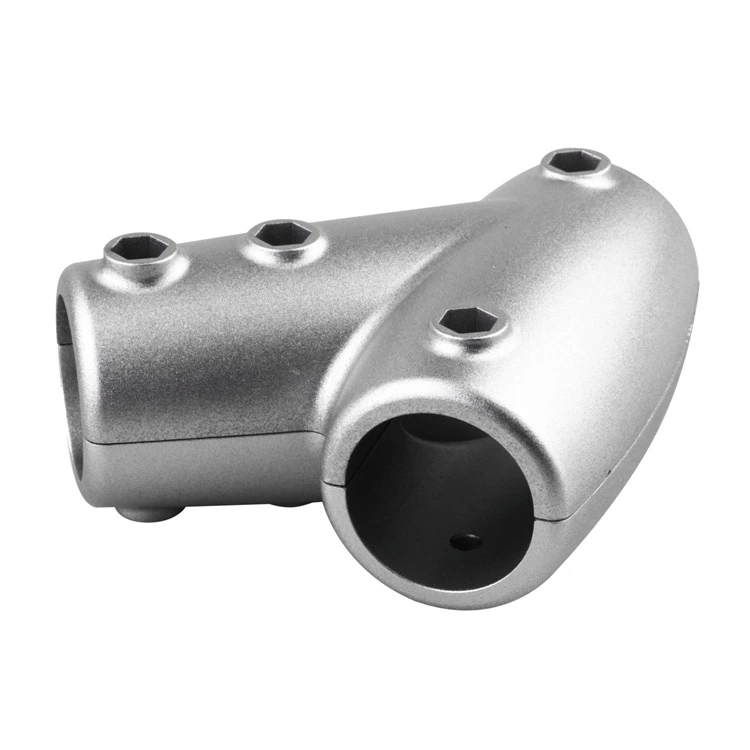
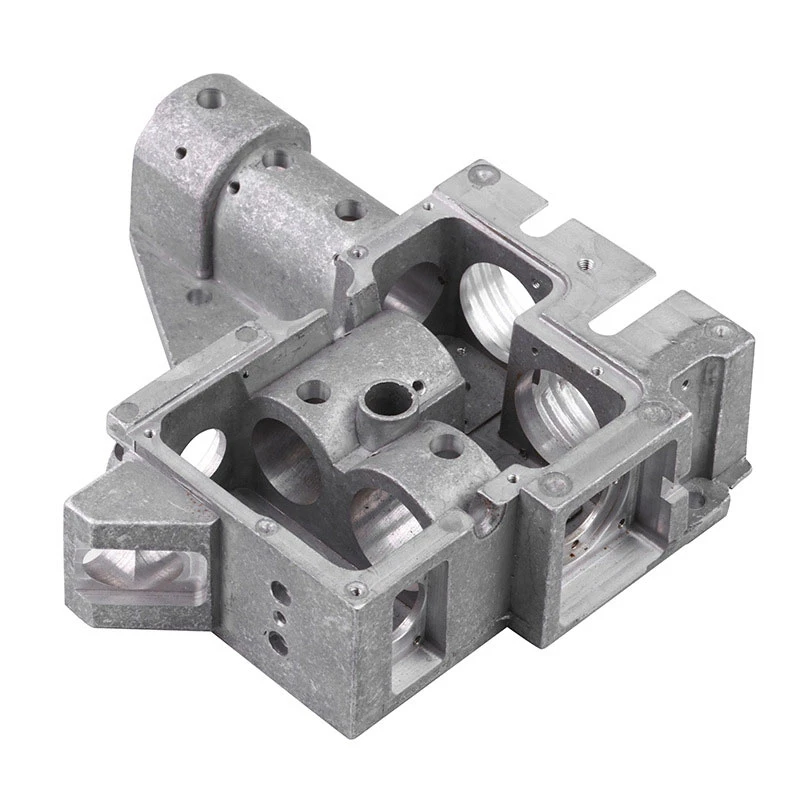
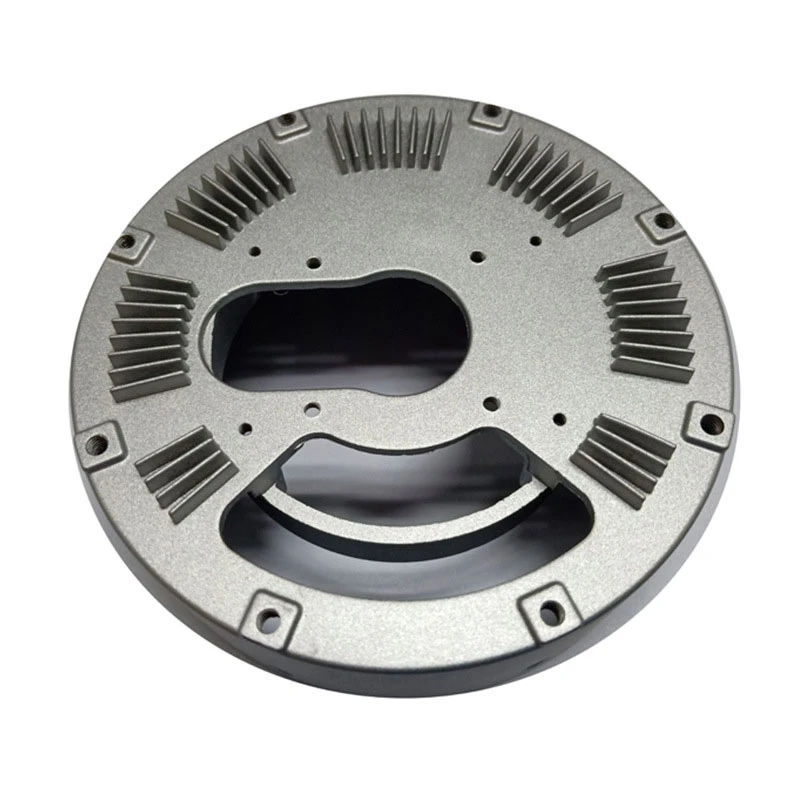
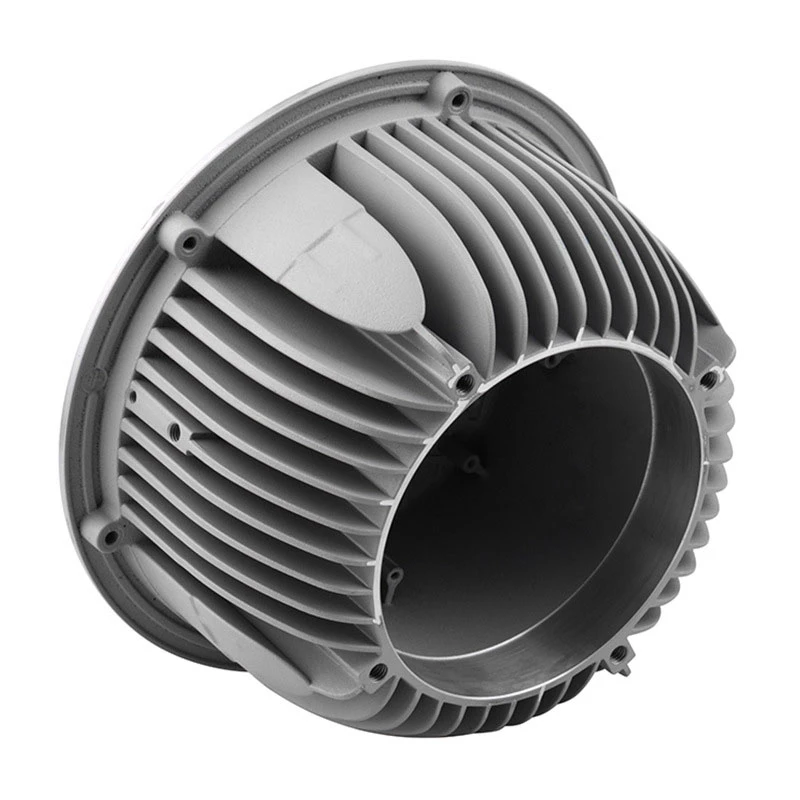
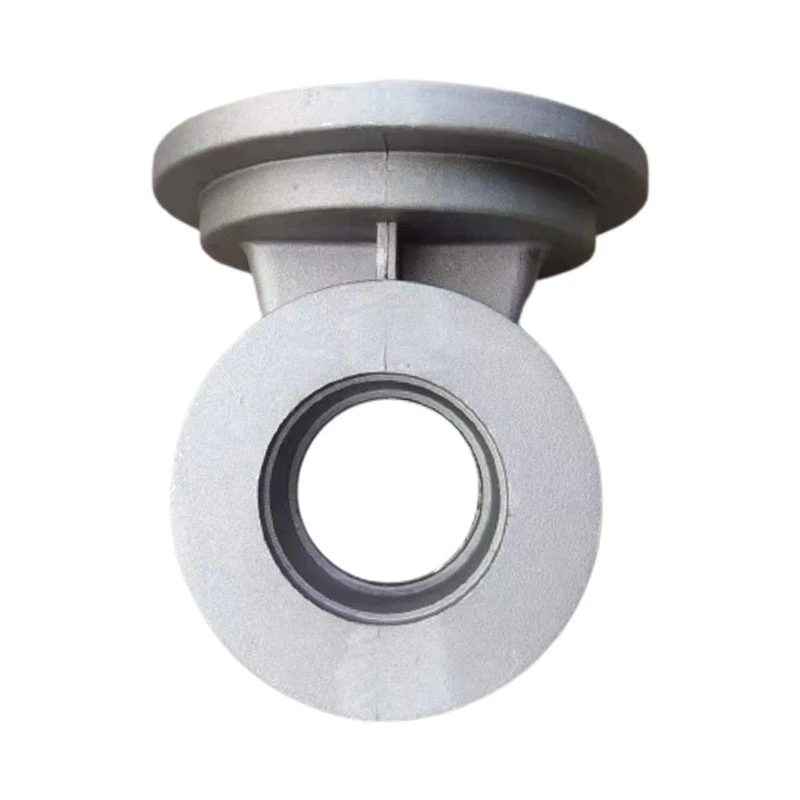
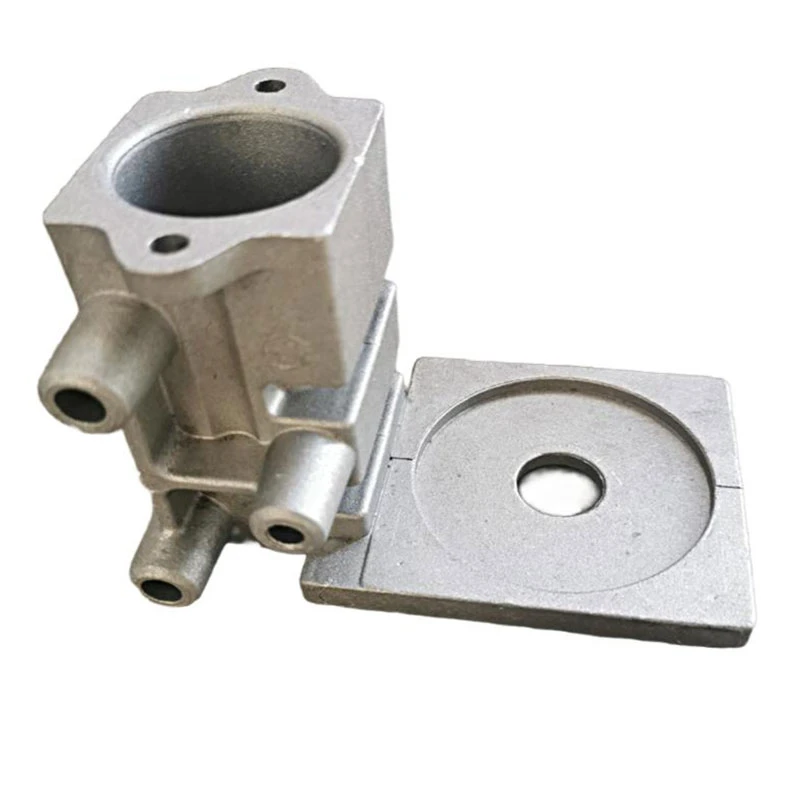
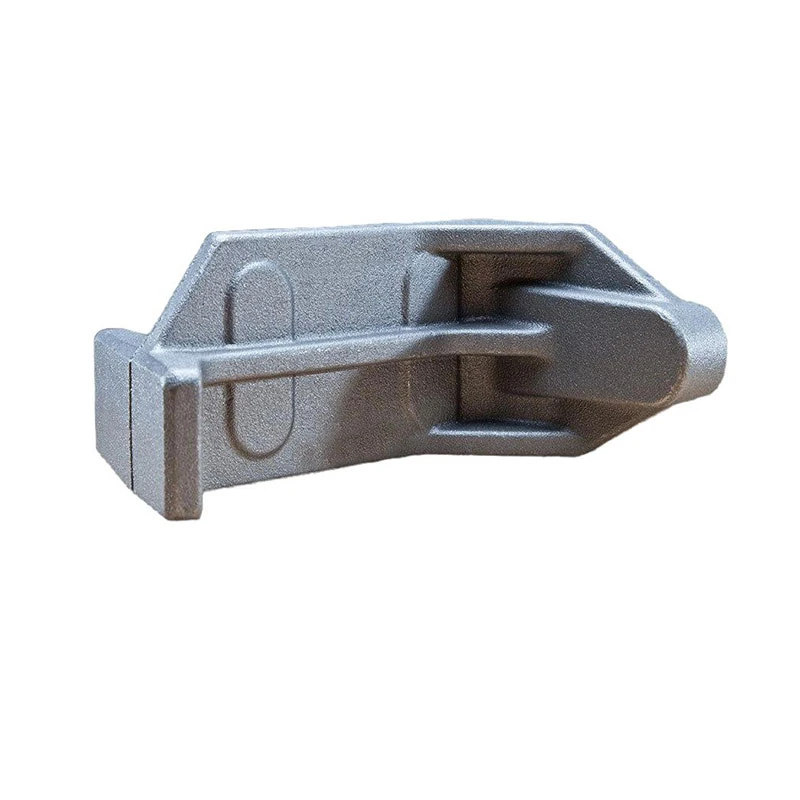
Now, I won’t sugarcoat it—cold die casting isn’t ideal for huge parts simply due to equipment limits and stresses involved. But in real terms, if you need a consistent, reliable finish with minimal porosity, it often outshines other casting types. You also get less shrinkage and warping, so post-processing is easier. Some of my clients swore by cold die casting for producing housings, connectors, and intricate components where high strength and surface quality were paramount.
Vendor Comparison: Choosing the Right Cold Die Casting Partner
| Vendor | Specialty | Typical Lead Time | Quality Certifications | Customization Options |
|---|---|---|---|---|
| Hairun Sourcing | Precision small-to-medium parts | 3-4 weeks | ISO 9001, IATF 16949 | Design consultation, tooling support |
| MetalCast Inc. | High volume automotive components | 5-7 weeks | ISO 14001, ISO 9001 | Limited customization |
| Precision Alloy Ltd. | Complex geometric parts | 4-6 weeks | AS9100, ISO 9001 | Advanced finishing services |
Something that’s always stuck with me is the value of a supplier who can consult on tooling and design early. Hairun Sourcing really shines here, offering not just manufacturing but partnership. I recall a client needing tiny aluminum housings for sensors — the tolerances were crazy tight, and the complexity borderline. Hairun’s team helped tweak the design, saving time and avoiding costly mold remakes.
Testing is another piece of the puzzle. Cold die casting parts typically undergo X-ray inspections and non-destructive testing to catch porosity, which literally can make or break the component’s performance in the field. It’s this attention to detail that makes me respect the process even more.
Of course, no method is perfect. You’ll want to weigh the upfront tooling costs against volume needs, and consider finish needs—since post-cast machining is sometimes necessary. Yet, if you ask me, the balance cold die casting strikes between precision, repeatability, and cost keeps it relevant, even as additive manufacturing gains traction.
If you’re dipping your toes into cold die casting, I’d suggest talking to experienced vendors early on, and getting samples. It feels like a bit of an art sometimes, but behind that is some rather exacting science.
In the end, cold die casting remains a reliable backbone in industries ranging from automotive to electronics, and frankly, it’s a process that’s only getting smarter with evolving alloys and machinery.
Takeaway: For consistently high-quality metal parts where accuracy and surface finish count, cold die casting deserves a closer look.
References
- Metal Casting Fundamentals, Degarmo et al.
- Industry Standards for Die Casting, North American Die Casting Association (NADCA)
- Supplier Case Study, Hairun Sourcing internal archives
-
Guide to Anodizing Die Cast Aluminum for Industrial ExcellenceNewsApr.16,2026
-
High Quality Precision Aluminum Die Casting Components GuideNewsApr.09,2026
-
Comprehensive Guide to High Quality Aluminium Pressure Die Casting ProductsNewsApr.07,2026
-
Comprehensive Guide to Aluminium Pressure Die Casting Components and SolutionsNewsApr.04,2026
-
Comprehensive Guide to Aluminium HPDC Casting for Global SourcingNewsMar.31,2026
-
Comprehensive Guide to Precision Aluminium Die Castings and Manufacturing SolutionsNewsMar.28,2026