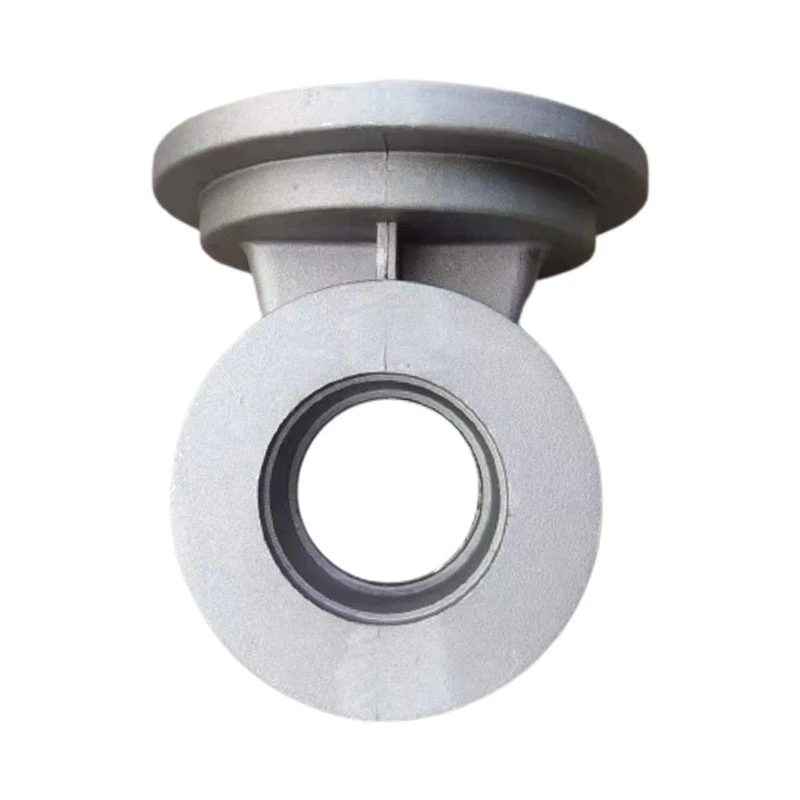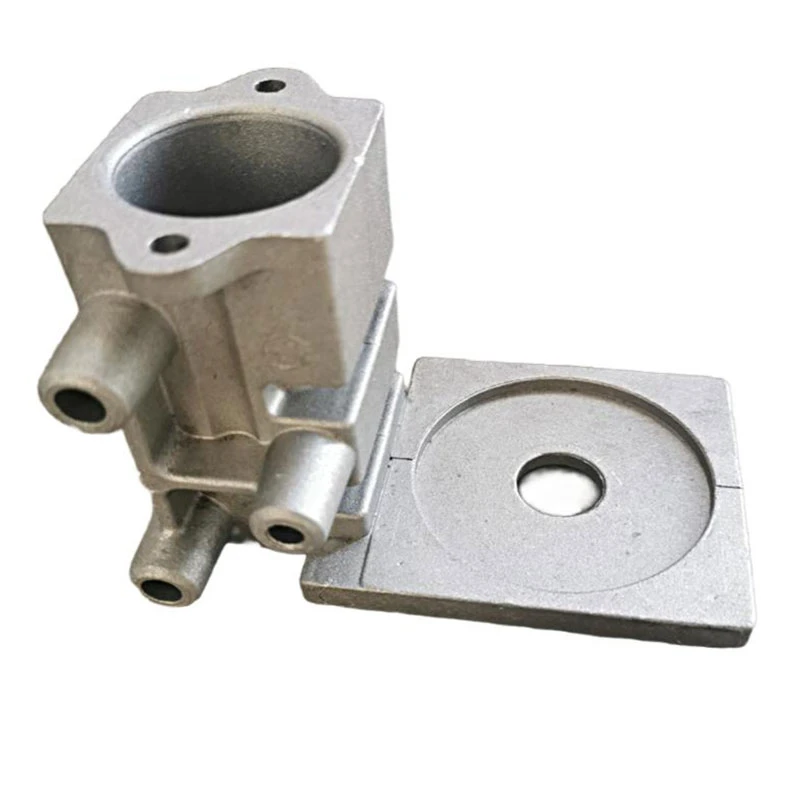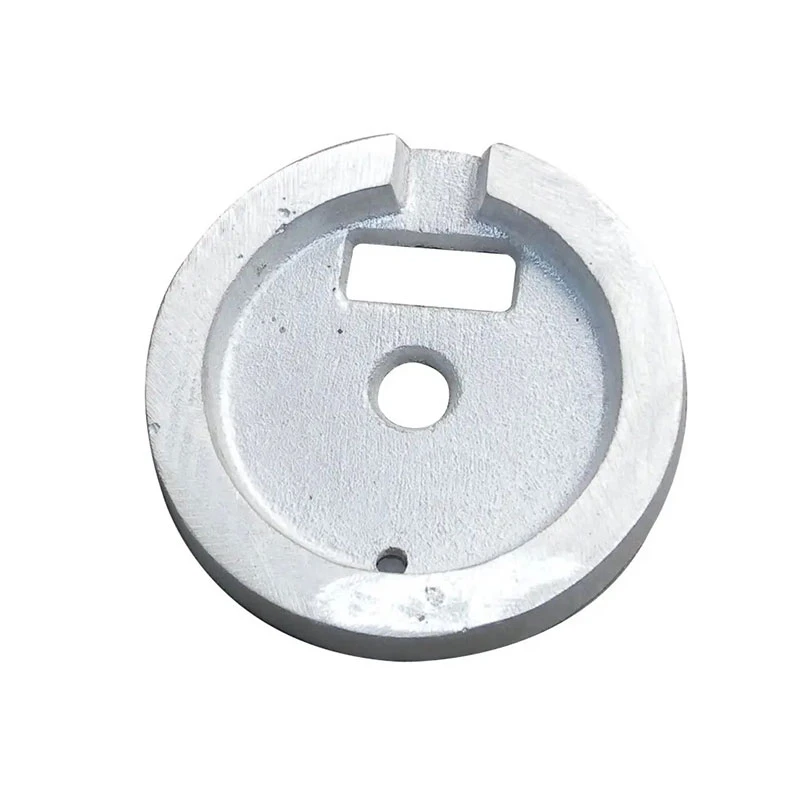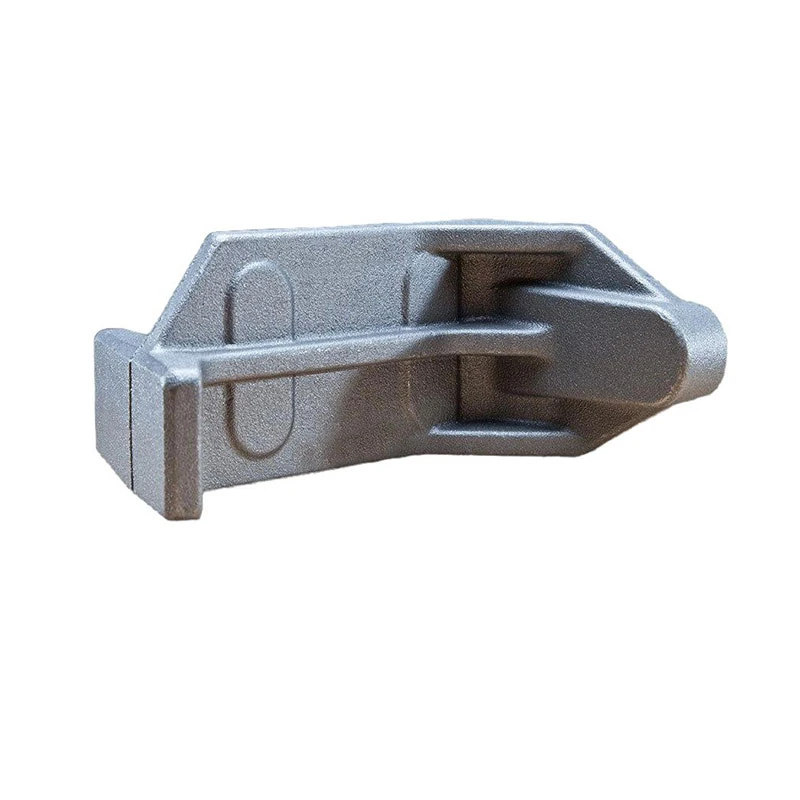



Die Cast Tooling: Precision, Materials & Vendor Insights for Industry Pros
Die Cast Tooling: The Unsung Hero of Precision Manufacturing
Having spent quite a few years in the industrial equipment field, I’ve found that die cast tooling often doesn’t get the spotlight it deserves. It’s a cornerstone for precision and efficiency in manufacturing, yet it tends to be overshadowed by flashier tech innovations. Honestly, without top-notch tooling, you’re not going far in producing quality parts consistently.
Oddly enough, die cast tooling is like the “silent partner” in a manufacturing line—you rarely notice it when everything runs smoothly. But when a tool slips even a little, the whole process feels it immediately. Over the years, I’ve noticed that the best tooling strikes a balance between durable materials and precise craftsmanship, and that’s key to cutting down downtime.
Now, I suppose many engineers and production managers would agree that material choice is king in die cast tooling. High-grade steel alloys, like H13 or P20, are frequently preferred, thanks to their strength and thermal stability. These materials handle the intense heat and pressure inside die casting machines — honestly, it can get brutal. Without that resilience, tooling cracks, maintenance costs skyrocket, and production suffers.
Speaking of production, let me share a small anecdote. I once worked with a client making automotive parts who swore by customized tooling inserts. They tweaked the design down to the micron, and frankly, it paid off. The tooling lasted almost double the expected lifespan, and the produced parts showed less scrap by quite a margin. That kind of customization isn’t just a luxury anymore—it’s often a necessity in competitive manufacturing.
Here’s a quick look at some typical die cast tooling specs I’ve encountered in my work. They might seem straightforward, but every detail can make a world of difference:
| Specification | Typical Value | Notes |
|---|---|---|
| Material | H13 Steel / P20 Steel | Heat-treated for durability |
| Surface Finish | Mirror-Polished / Textured | Improves casting quality |
| Tolerance | ±0.01 mm | Critical for fitting components |
| Tool Life | 50,000+ cycles | Depends on alloy & maintenance |
| Cooling Channels | Optimized layout | Reduces cycle time, improves quality |
Of course, choosing who supplies your tooling matters just as much as the specs themselves. From personal experience, there’s a visible difference in service and consistency across vendors. For example, some vendors emphasize fast turnaround and adjustments, while others focus heavily on premium materials and customization. Here’s a quick comparison of a few leading die cast tooling suppliers I’ve worked with:
| Vendor | Customization | Lead Time | Material Quality | Support |
|---|---|---|---|---|
| Vendor A | High — tailored solutions | 4–6 weeks | Premium H13 Steel | Dedicated engineer support |
| Vendor B | Standard designs | 2–3 weeks | Good P20 Steel | Basic technical assistance |
| Vendor C | Moderate customization | 5–7 weeks | Custom alloy mixes | Onsite support available |
It’s worth noting that nothing’s set in stone in this industry. Market demands, material science, and even tooling design software keep evolving. Frankly, staying on top of the latest developments is part of the job — a challenge I secretly enjoy. To me, die cast tooling is a fascinating mix of tradition meeting innovation. You’re balancing tried-and-true craftsmanship with high-tech precision and modern materials science. Kind of like being both an artist and a scientist.
If you’re diving into die casting, don’t underestimate the value that quality tooling brings to your operations. It can make or break production lines, influence cost, and determine part quality in crucial ways. And if you want a trustworthy source for tooling procurement or consultation, the expertise on this site is well worth a look.
In real terms, good die cast tooling is like a quiet engine running smoothly beneath the flashy exterior of a high-performance vehicle — you’d better keep it well-tuned.
References:
1. Die Casting Engineering Handbook, Metal Casting Institute
2. Advanced Tooling Materials, Industrial Press
3. Interview with industry experts, 2023
-
Comprehensive Guide to Automotive Die Casting for Enhanced Vehicle PerformanceNewsJan.27,2026
-
Comprehensive Guide to Aluminum Pressure Die Casting Manufacturing ProcessesNewsJan.27,2026
-
Hot Chamber Die Casting vs Cold Chamber Die Casting ExplainedNewsJan.06,2026
-
Hot Chamber And Cold Chamber Die Casting Solutions for Industrial Applications | Hairun SourcingNewsJan.06,2026
-
Hot and Cold Chamber Die Casting: Key Insights from Industry ExpertsNewsJan.06,2026
-
Comprehensive Guide on Graphite Die Casting for B2B Manufacturing | HairunSourcingNewsJan.05,2026