


Precision Valves: Unmatched Flow Control & Durability
The Pivotal Role of Precision Valves in Modern Industrial Control
In the intricate landscape of industrial operations, the accurate and reliable control of fluids and gases is paramount. At the heart of this control lies the precision valve, a critical component engineered to deliver exact flow management across a multitude of demanding applications. These sophisticated devices are not merely open-and-close mechanisms; they are finely tuned instruments that ensure operational efficiency, safety, and optimal performance in complex systems.
The demand for enhanced control, reduced waste, and increased safety drives continuous innovation in valve technology. This article delves into the core aspects of these essential components, exploring their manufacturing, technical specifications, diverse applications, and the strategic advantages they offer to B2B decision-makers and engineering professionals.
Industry Trends and Market Outlook for Precision Flow Control
The global market for industrial valves, especially those designed for high-precision applications, is experiencing robust growth. Driven by increasing automation, stringent environmental regulations, and the expansion of key industries such as petrochemicals, power generation, and water treatment, the demand for advanced precision flow control valve solutions continues to escalate. According to recent market analysis, the global industrial valves market is projected to reach approximately USD 90 billion by 2027, with a significant portion attributed to specialized, high-performance valves.
Key trends include the integration of smart technologies for predictive maintenance and remote monitoring, the development of lightweight and high-strength materials, and a growing emphasis on valves capable of handling extreme conditions (high pressure, high temperature, corrosive media). The shift towards sustainable practices also fuels the adoption of energy-efficient and low-emission valve designs, positioning the precision valve as a cornerstone for future industrial infrastructure.
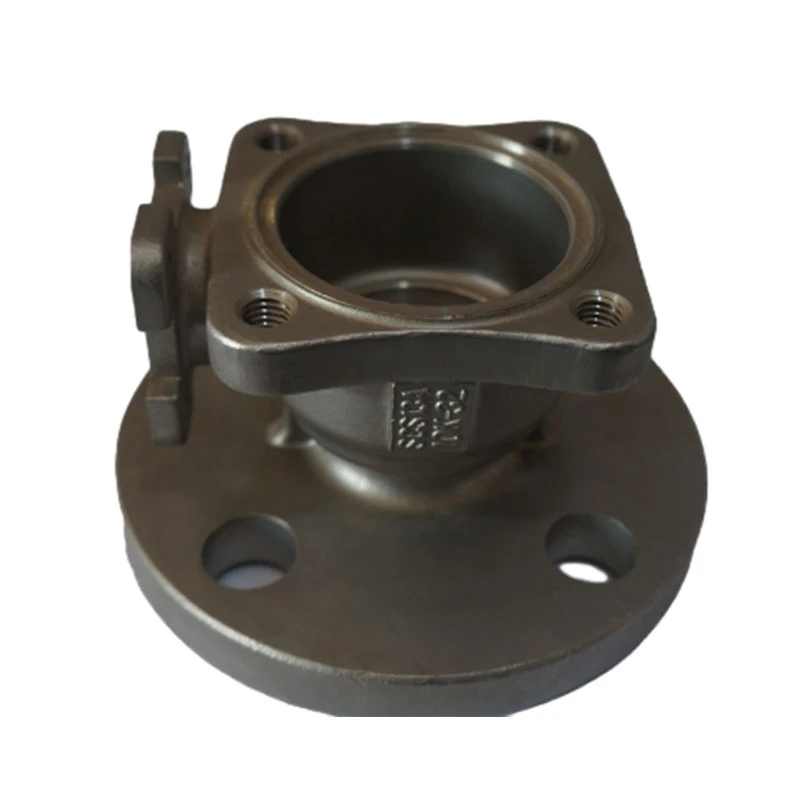
Understanding the Precision Valve Manufacturing Process
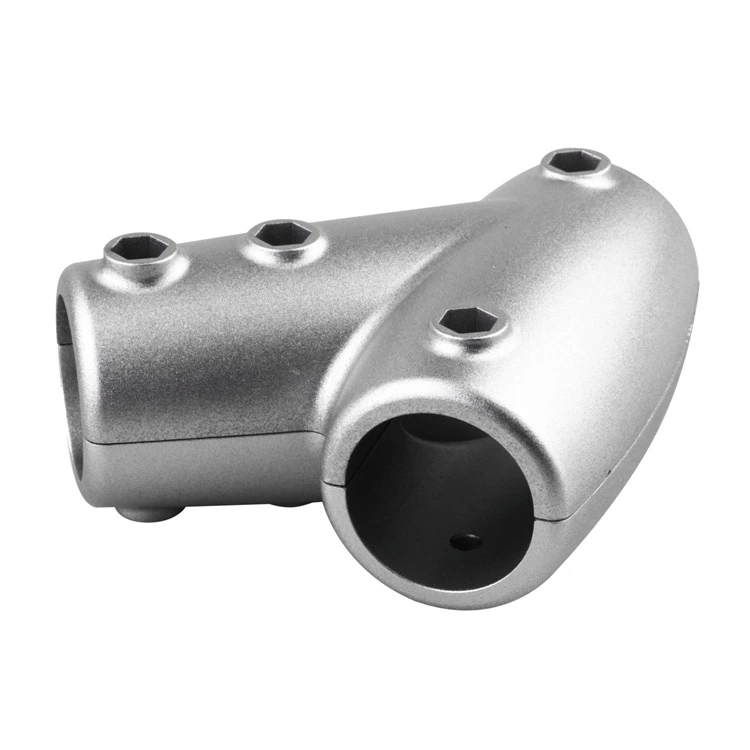
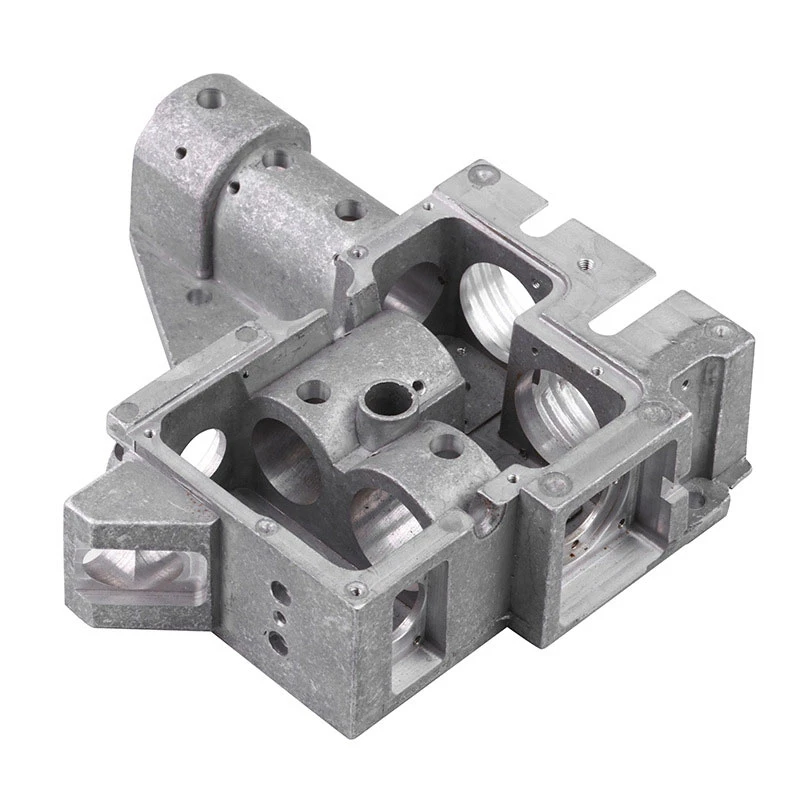
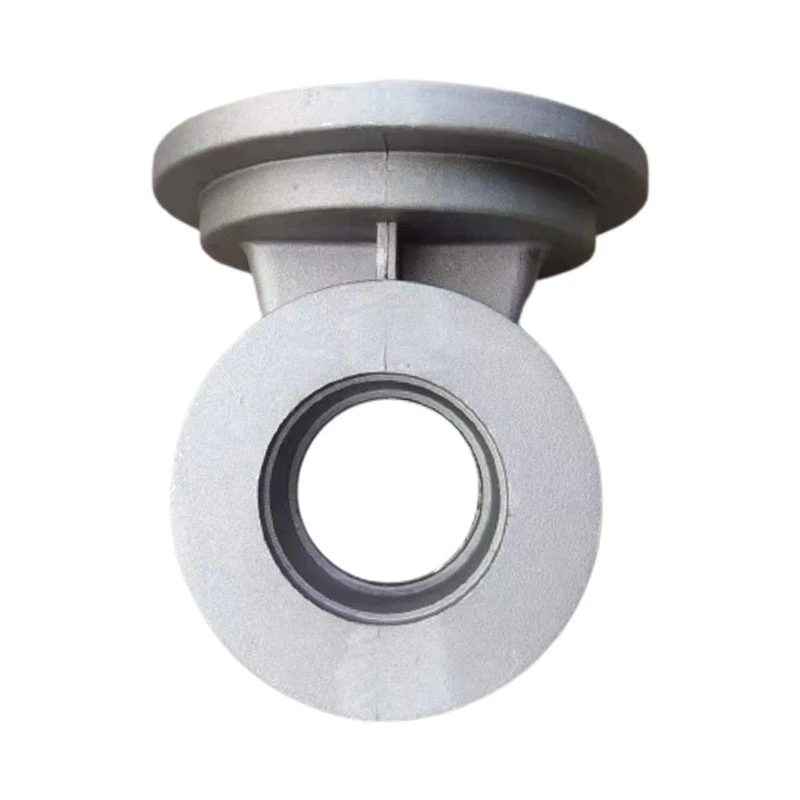
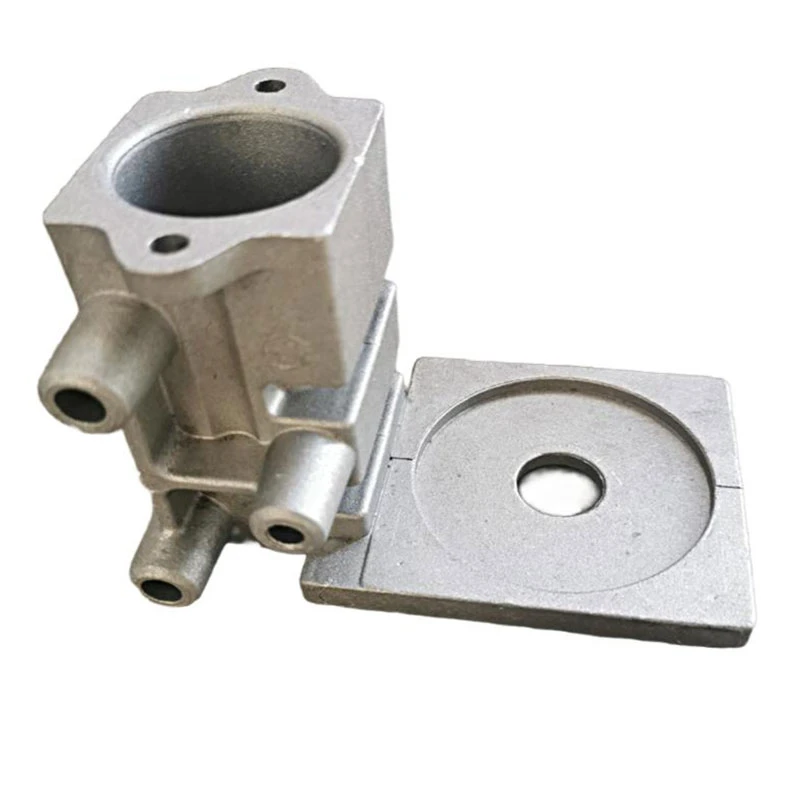
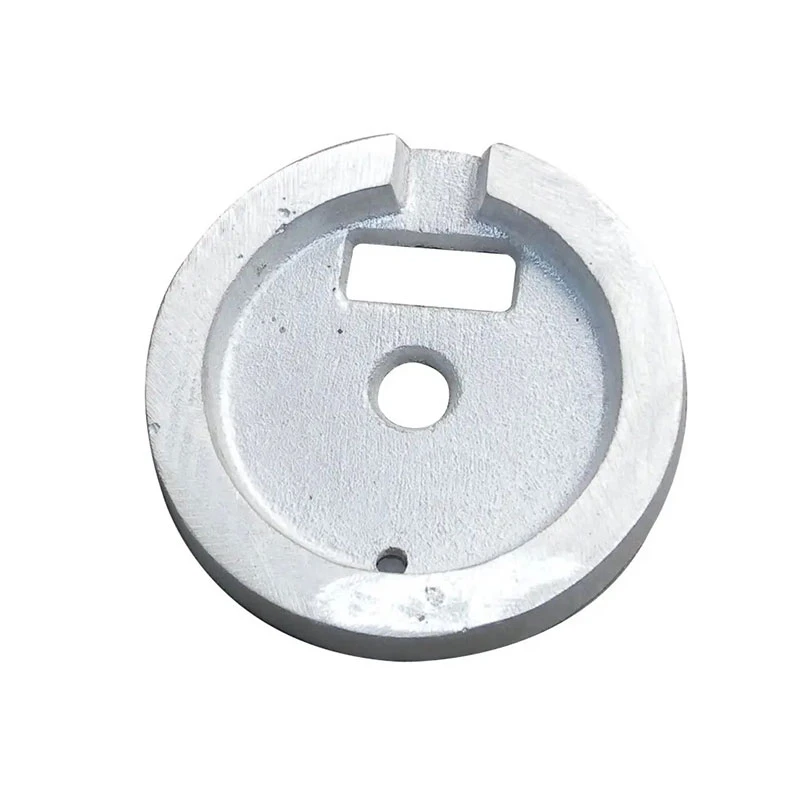
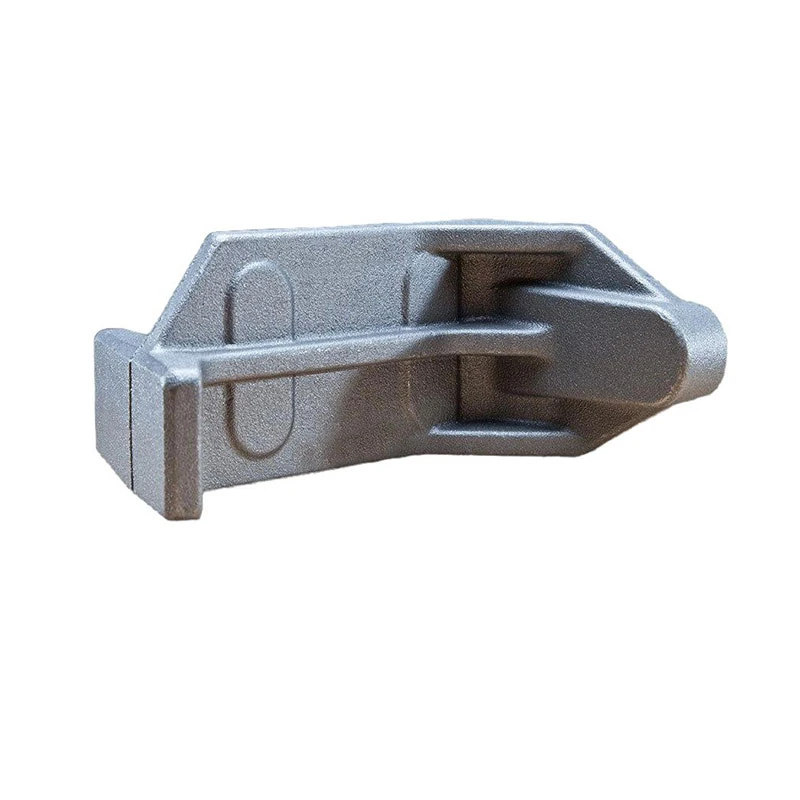
The manufacturing of a high-quality precision valve is a meticulous process that combines advanced engineering with stringent quality control. For products like the OEM Precision Castings Valve, the journey from raw material to a finished, high-performance component involves several critical stages, each contributing to the valve's overall reliability and service life.
Detailed Process Flow:
- Material Selection and Sourcing: The foundation of any durable valve is the right material. For castings valve products, this often includes high-grade stainless steel (e.g., 304, 316, Duplex), carbon steel, or specialized alloys tailored for specific corrosion resistance, temperature, and pressure requirements. Materials are sourced from certified suppliers to ensure traceability and compliance with standards like ASTM.
-
Casting/Forging:
- Casting: For intricate geometries and cost-effectiveness in certain volumes, precision casting (e.g., investment casting, sand casting) is employed. This process involves creating a mold from a pattern, pouring molten metal into it, and allowing it to solidify. Investment casting, in particular, yields components with excellent surface finish and dimensional accuracy, crucial for a precision ball valve body.
- Forging: For applications requiring superior strength and structural integrity, forging is used. This involves shaping metal through localized compressive forces, resulting in a denser, more uniform grain structure, which enhances the valve's resistance to fatigue and extreme pressures.
- CNC Machining: After casting or forging, components undergo precise CNC (Computer Numerical Control) machining. This stage ensures exact dimensions, tight tolerances, and superior surface finishes for critical internal and external features. Modern multi-axis CNC machines are vital for achieving the high accuracy required for sealing surfaces and intricate actuation mechanisms in a precision valve.
- Assembly: Highly skilled technicians assemble the various machined components, including body, ball/disc, stem, seats, and packing. This stage often occurs in cleanroom environments to prevent contamination, especially for valves intended for sensitive applications.
-
Testing and Quality Control: Every valve undergoes rigorous testing to ensure it meets design specifications and industry standards.
- Hydrostatic Testing: To verify the pressure-retaining capability of the valve body and seals.
- Pneumatic Seat Leak Testing: To confirm tight shut-off and seal integrity.
- Functional Testing: To check operation, torque, and response times.
- Non-Destructive Testing (NDT): Such as radiographic inspection, ultrasonic testing, and magnetic particle inspection for internal flaws in critical components.
- Material Certification: Ensuring chemical composition and mechanical properties meet specifications like ASTM, EN, or JIS.
- Surface Treatment and Packaging: Final surface treatments (e.g., passivation, painting) are applied for enhanced corrosion resistance and aesthetics. Valves are then carefully packaged for shipping, often with protective coatings or desiccants, to ensure they arrive in pristine condition.
This structured approach ensures that each precision valve is built to the highest standards, offering exceptional reliability and performance in target industries such as petrochemicals, metallurgy, water supply & drainage, power generation, and pharmaceuticals.
Technical Specifications and Performance Parameters
The performance of a precision valve is defined by a range of critical technical specifications. Understanding these parameters is essential for selecting the right valve for a specific application, ensuring optimal system performance and longevity.
Typical Precision Ball Valve Specifications:
| Parameter | Description | Typical Range/Value |
|---|---|---|
| Nominal Size (DN/NPS) | Pipe diameter connection size | DN15 - DN600 (½" - 24") |
| Pressure Rating | Maximum allowable working pressure | PN16 - PN420 (Class 150 - Class 2500) |
| Temperature Range | Operating temperature limits | -60°C to +450°C (Material Dependent) |
| Body Material | Material of the valve body | A216 WCB, A351 CF8/CF8M, A105, F304/316, Duplex SS |
| Trim Material | Material of internal components (ball, stem, seat) | Stainless Steel (e.g., 13Cr, 304, 316), Stellite, PTFE, PEEK |
| End Connections | Method of connecting to piping | Flanged (RF, RTJ), Welded (BW, SW), Threaded (NPT, BSP) |
| Actuation Type | Mechanism for operating the valve | Manual (Lever/Gear), Pneumatic, Electric, Hydraulic |
| Leakage Class | Tightness of valve shut-off | ANSI/FCI 70-2 Class IV, V, VI (Bubble-Tight) |
| Flow Coefficient (Cv/Kv) | Measure of flow capacity | Application-specific |
Application Scenarios and Target Industries
The versatility and reliability of precision valve technology make them indispensable across a broad spectrum of industrial sectors. Their ability to manage critical flow parameters precisely contributes significantly to operational efficiency, safety, and regulatory compliance.
- Petrochemical and Oil & Gas: In environments with extreme temperatures, pressures, and corrosive media, precision pumps and valves are crucial for safe transport, refining, and processing of hydrocarbons. They are used in pipelines, offshore platforms, refineries, and chemical plants for applications such as emergency shut-down (ESD) systems, precise blending, and catalyst injection, directly contributing to energy saving by preventing leaks and optimizing flow.
- Power Generation: From conventional thermal power plants to nuclear facilities, high-pressure and high-temperature steam and water systems rely on robust precision valve solutions. These valves manage boiler feed water, turbine bypass, and cooling systems, ensuring safety and efficiency.
- Water Supply & Drainage / Water Treatment: In municipal water treatment plants and large-scale irrigation systems, precision valves control the flow of treated and untreated water, sludge, and chemicals. Their corrosion resistance (e.g., in stainless steel or coated variants) is vital for longevity in these demanding environments.
- Metallurgy and Mining: Handling abrasive slurries, high-temperature gases, and molten metals requires valves built for extreme conditions. Precision valves in these sectors manage material transport, furnace control, and effluent treatment.
- Pharmaceuticals and Biotechnology: Sterile and aseptic conditions are critical. Ultra-pure precision valve designs are used in bioprocessing, fermentation, and clean-in-place (CIP) systems, ensuring product integrity and preventing contamination.
- Food & Beverage: Similar to pharma, hygiene is paramount. Stainless steel precision valves control ingredients, cleaning agents, and finished products, ensuring food safety and process efficiency.
In each of these scenarios, the advantages of a precision valve—such as energy saving through minimal pressure drop, enhanced corrosion resistance for extended service life, and superior sealing for environmental protection—are clearly demonstrated.
Technical Advantages of High-Performance Precision Valves
Investing in high-performance precision valves offers significant technical and operational advantages that directly translate into improved system efficiency, reliability, and cost savings over the lifecycle of an industrial plant.
- Superior Flow Control Accuracy: Engineered with tight tolerances and advanced actuation mechanisms, these valves provide exceptionally precise modulation of flow rates, pressures, and temperatures, enabling optimal process control and product quality.
- Enhanced Reliability and Durability: Constructed from robust materials and subjected to rigorous manufacturing processes, precision valves exhibit extended operational life, even in harsh conditions. This reduces the frequency of maintenance and replacement, lowering total cost of ownership.
- Tight Shut-Off Capability: Achieving Class VI (bubble-tight) shut-off is critical for preventing leakage, which can lead to material waste, environmental contamination, and safety hazards. Precision valves excel in maintaining this critical seal.
- Reduced Maintenance Requirements: High-quality components and design minimize wear and tear, leading to longer intervals between service, decreased downtime, and lower operational expenses.
- Optimized Energy Efficiency: Valves designed for precision flow control often feature low-pressure drop characteristics and efficient actuation, contributing to energy savings across the entire process system.
- Corrosion and Erosion Resistance: Specialized alloys and coatings enable precision valves to withstand aggressive media and abrasive slurries, extending their functional lifespan in challenging industrial environments.
Vendor Comparison and Selection Criteria
Choosing the right supplier for precision valve solutions is as critical as selecting the valve itself. A strategic vendor partnership ensures access to quality products, reliable support, and customized solutions. Here are key criteria for evaluating potential suppliers:
Vendor Comparison Checklist:
| Criterion | Importance | Considerations |
|---|---|---|
| Technical Expertise | High | Deep understanding of fluid dynamics, materials science, and control systems. Ability to provide engineering support. |
| Manufacturing Capabilities | High | Modern CNC machinery, advanced casting/forging, robust QA/QC processes (e.g., ISO 9001 certification). |
| Product Range & Customization | Medium-High | Ability to offer standard and customized precision ball valve and other types to meet specific project needs. |
| Quality Certifications | High | Compliance with international standards (ISO, API, ANSI, CE, PED), material traceability. |
| After-Sales Support & Warranty | High | Responsive technical support, spare parts availability, comprehensive warranty policies. |
| Lead Times & Logistics | Medium | Reliable delivery schedules, efficient supply chain management. |
| Industry Reputation & References | High | Track record of successful projects, positive customer feedback, long-term partnerships. |
Customized Solutions for Specialized Needs
Standard off-the-shelf valves may not always meet the unique demands of highly specialized industrial processes. This is where the capability for customized solutions becomes invaluable. Manufacturers of OEM Precision Castings Valve, like Hairun Sourcing, excel in delivering tailored precision valve designs that address specific challenges.
Customization can involve:
- Material Upgrades: Utilizing exotic alloys for extreme corrosion, erosion, or temperature resistance beyond standard offerings.
- Unique End Connections: Designing specific flange configurations, welding preparations, or specialized threaded connections to integrate seamlessly with existing piping.
- Specialized Actuation: Integrating custom actuators (e.g., high-speed, fail-safe, or smart electric actuators) to meet precise control requirements.
- Application-Specific Coatings: Applying specialized internal or external coatings for enhanced chemical resistance, anti-fouling, or abrasion protection.
- Flow Characteristic Tuning: Modifying internal valve trim to achieve specific linear, equal percentage, or quick-opening flow characteristics for process optimization.
Engaging with a manufacturer that possesses strong engineering and R&D capabilities ensures that these bespoke requirements are translated into fully functional and compliant precision valve solutions, optimizing system performance and longevity.
Real-World Application Case Studies
The practical impact of high-quality precision valve solutions is best illustrated through real-world applications where they solve complex industrial challenges.
Case Study 1: Enhanced Efficiency in Chemical Processing
A leading chemical manufacturer faced issues with inconsistent product purity and high energy consumption due to inefficient flow control in a exothermic reactor cooling loop. By replacing standard globe valves with custom-engineered precision flow control valve units, equipped with smart actuators and specialized trim for fine modulation, they achieved:
- A 15% reduction in energy consumption for the cooling system due to optimized flow.
- A 7% improvement in product yield due to tighter temperature control within the reactor.
- A reduction in maintenance cycles by 20%, attributed to the robust design and corrosion-resistant materials of the new valves.
Case Study 2: Reliability in High-Pressure Oil & Gas Transmission
An oil and gas pipeline operator required highly reliable shut-off valves for a critical high-pressure gas transmission line in an remote, arctic environment. Standard valves were prone to freezing and seal degradation. A specialized precision ball valve, featuring extended bonnets, low-temperature resistant elastomers, and a double block and bleed (DBB) design, was implemented. The solution:
- Eliminated leakages, enhancing safety and reducing fugitive emissions to near zero.
- Provided consistent operation down to -50°C, ensuring uninterrupted gas flow.
- Achieved API 6D certification and a projected service life of 25 years with minimal intervention.
Commitment to Quality and Trustworthiness (Google )
A reputable supplier of precision valve solutions demonstrates unwavering commitment to quality, transparency, and customer satisfaction, aligning with Google's (Expertise, Experience, Authoritativeness, Trustworthiness) standards.
Certifications and Authoritative References:
- ISO 9001: Certification for quality management systems, ensuring consistent product quality and continuous improvement.
- API 6D/API 6A: Compliance with American Petroleum Institute standards for pipeline valves and wellhead equipment, crucial for oil and gas applications.
- CE Mark/PED Directive: Adherence to European safety regulations for pressure equipment (Pressure Equipment Directive), enabling market access in the EU.
- Material Test Certificates (MTCs): Providing 3.1 or 3.2 MTCs as per EN 10204, guaranteeing full material traceability and compliance.
- Environmental Management (ISO 14001): Commitment to sustainable manufacturing practices.
Warranty Commitments:
Leading manufacturers offer comprehensive warranties, typically 12-18 months from installation or 24 months from shipment, against manufacturing defects and material failures. This commitment underscores confidence in product quality and provides peace of mind to customers.
Lead Time and Fulfillment:
Efficient supply chain management ensures competitive lead times. For standard configurations, lead times can range from 4-8 weeks, while custom castings valve or complex projects may require 10-16 weeks, depending on material availability and engineering complexity. Clear communication and project management tools keep clients informed throughout the fulfillment process.
Customer Support and Service:
Robust after-sales support is critical for maximizing valve longevity and performance. This includes:
- Technical Assistance: Accessible engineering teams for troubleshooting, installation guidance, and performance optimization.
- Spare Parts Availability: Readily available critical spare parts to minimize downtime.
- Field Service: On-site support for complex installations, commissioning, and maintenance.
- Training: Providing training for client personnel on valve operation and maintenance.
Frequently Asked Questions (FAQ):
- Q: What is the typical service life of a precision valve?
- A: With proper selection, installation, and maintenance, a high-quality precision valve can have a service life exceeding 10-15 years, often more, especially with robust materials and design.
- Q: How do I ensure I select the correct material for my application?
- A: Material selection is crucial. Consider the media (corrosive, abrasive), temperature, and pressure. Consult with the manufacturer's engineering team, providing detailed process data to ensure optimal material compatibility and performance.
- Q: Can precision valves be integrated into existing automation systems?
- A: Absolutely. Most precision valves are designed to be compatible with a range of actuators (pneumatic, electric, hydraulic) and can be easily integrated with DCS (Distributed Control Systems) or PLC (Programmable Logic Controller) systems for automated control and monitoring.
- Q: What is the significance of "bubble-tight" shut-off?
- A: Bubble-tight (e.g., ANSI/FCI 70-2 Class VI) signifies zero measurable leakage past the valve seat. This is critical for applications involving hazardous, expensive, or environmentally sensitive fluids, preventing waste, emissions, and safety risks.
Conclusion
The precision valve is an indispensable component in virtually every industrial sector, providing the critical control necessary for safe, efficient, and reliable operations. From the meticulous selection of materials and advanced manufacturing processes like precision casting, through rigorous testing and robust after-sales support, every aspect contributes to the superior performance and longevity of these essential devices. As industries continue to evolve towards greater automation and stricter environmental standards, the role of high-quality, technically advanced precision valves will only become more pronounced, underpinning the success of complex industrial systems worldwide.
References
- MarketsandMarkets. "Industrial Valves Market - Global Forecast to 2027."
- ASME B16.34-2017. "Valves – Flanged, Threaded, and Welding End." The American Society of Mechanical Engineers.
- ISO 5208:2015. "Industrial valves — Pressure testing of metallic valves." International Organization for Standardization.
- API Specification 6D. "Pipeline Valves." American Petroleum Institute.
- ANSI/FCI 70-2-2006. "Control Valve Seat Leakage." Fluid Controls Institute.
-
Comprehensive Guide to Automotive Die Casting for Enhanced Vehicle PerformanceNewsJan.27,2026
-
Comprehensive Guide to Aluminum Pressure Die Casting Manufacturing ProcessesNewsJan.27,2026
-
Hot Chamber Die Casting vs Cold Chamber Die Casting ExplainedNewsJan.06,2026
-
Hot Chamber And Cold Chamber Die Casting Solutions for Industrial Applications | Hairun SourcingNewsJan.06,2026
-
Hot and Cold Chamber Die Casting: Key Insights from Industry ExpertsNewsJan.06,2026
-
Comprehensive Guide on Graphite Die Casting for B2B Manufacturing | HairunSourcingNewsJan.05,2026