


Precision Machining & Manufacturing: High-Quality Components
1. The Core of Modern Manufacturing: Precision Machining and Manufacturing
In the intricate landscape of B2B industrial production, the demand for components with exacting tolerances and superior material integrity has never been higher. At the forefront of this evolution is precision machining and manufacturing, a discipline that combines advanced engineering principles with state-of-the-art technology to produce parts of unparalleled accuracy. This process is critical for industries where performance, reliability, and safety are paramount, ranging from aerospace to medical devices, and from automotive to energy. As a specialized machining manufacturer, we understand that true precision extends beyond mere dimensional accuracy; it encompasses material science, surface finish, geometric tolerancing, and the strategic integration of various manufacturing processes to meet the most stringent specifications.
The essence of modern manufacturing lies in its ability to consistently deliver components that perform flawlessly under extreme conditions, reducing operational failures and extending product lifespans. This article delves into the methodologies, advantages, and applications of advanced machining techniques, providing insights essential for decision-makers and engineers seeking optimal production solutions.
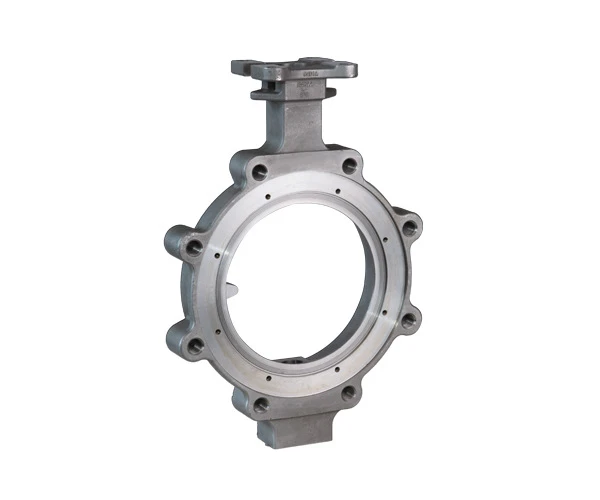
2. The Advanced Process Flow of Precision Machining and Manufacturing
The manufacturing of precision components involves a meticulously planned and executed process flow, ensuring that each stage contributes to the final product's quality and performance. Our approach as leading machining suppliers integrates various advanced techniques:
2.1. Material Selection and Preparation
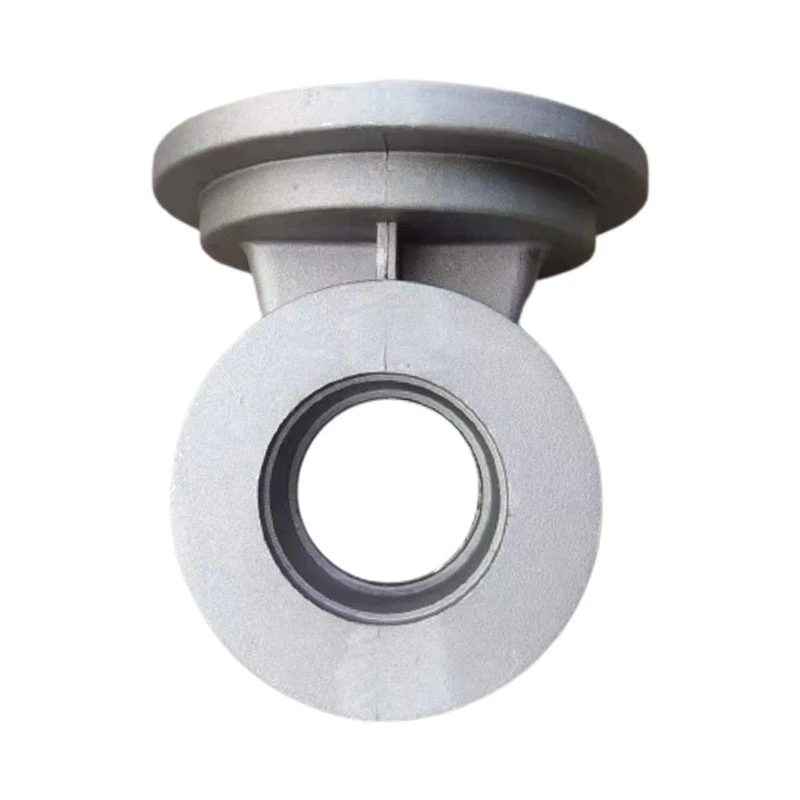
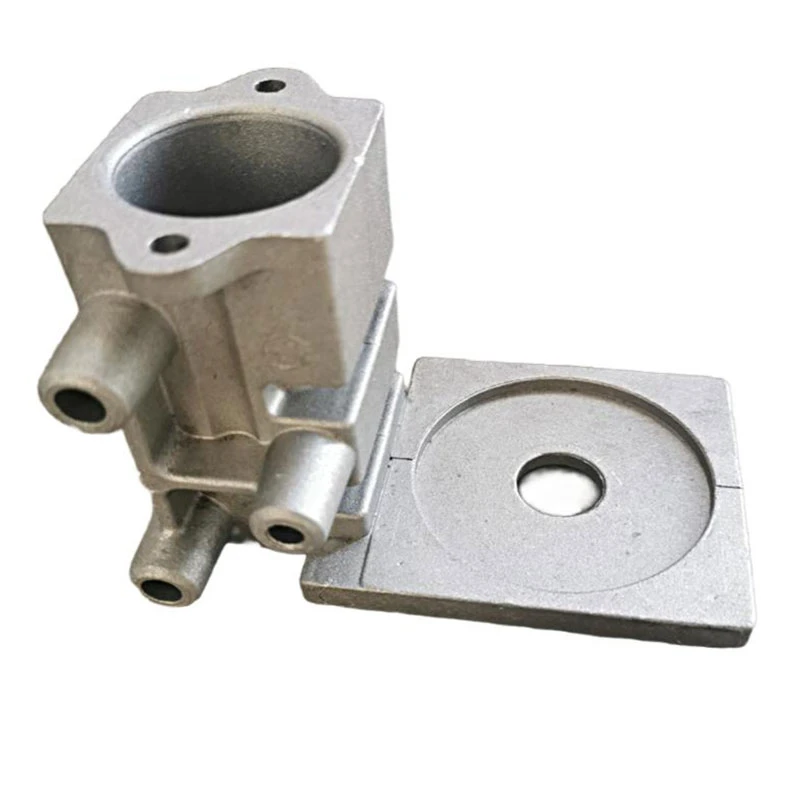
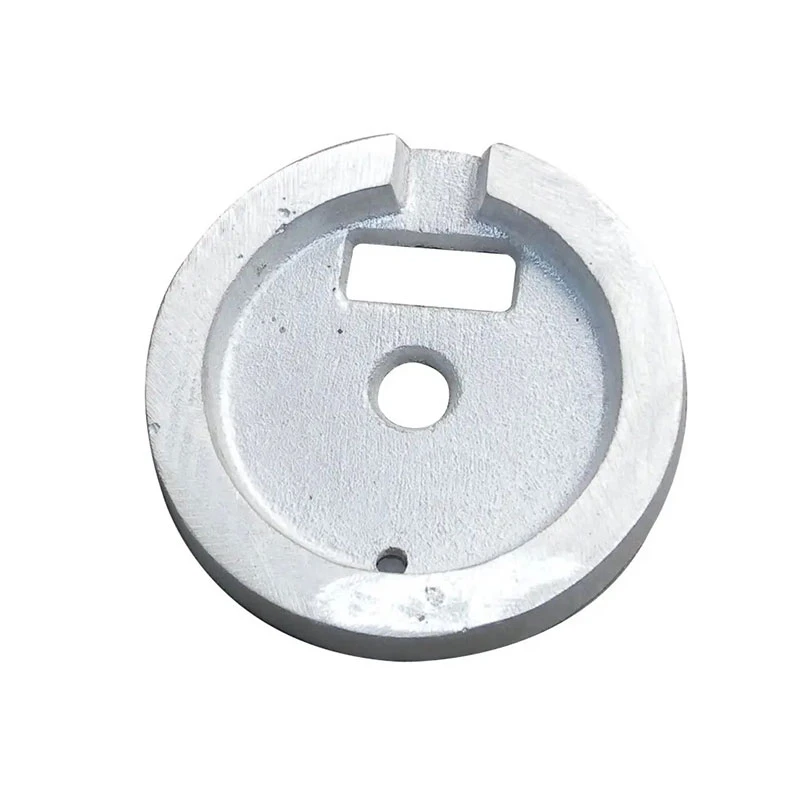
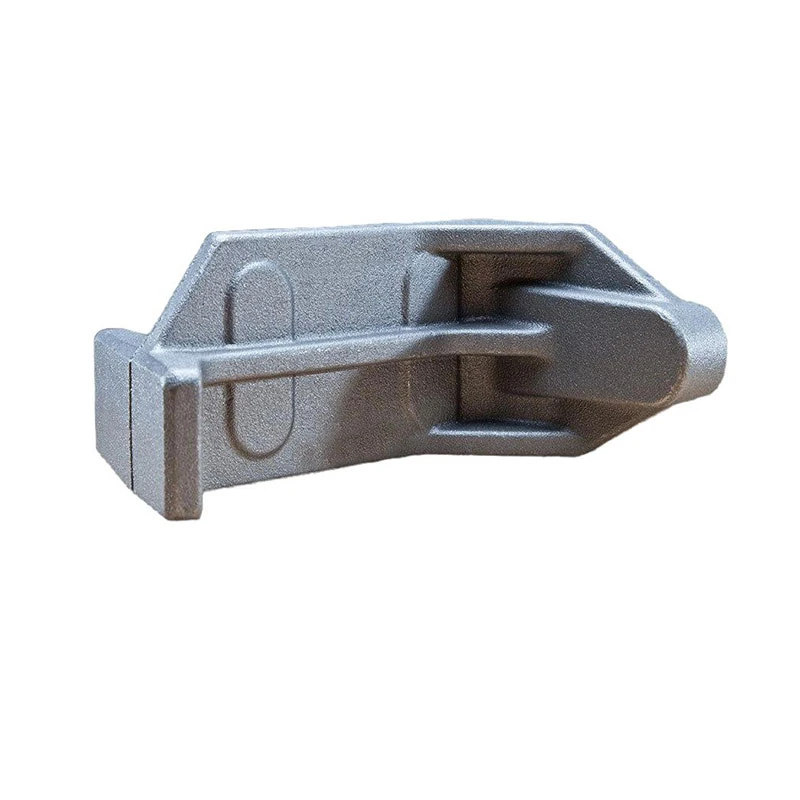
The foundation of any high-performance component is the material itself. We work with a wide range of materials, including various grades of steel (e.g., carbon steel, stainless steel, alloy steel), aluminum, titanium, superalloys, and specialized materials like Nodular Cast Iron. For instance, our precision machining and manufacturing capabilities extend to processing OEM Nodular Cast Iron, known for its excellent castability, high strength, good ductility, and vibration-damping properties, making it ideal for heavy-duty applications. Material preparation involves initial cutting, heat treatment (e.g., annealing, normalizing, quenching, tempering) to optimize mechanical properties and stress relief, and surface preparation to ensure optimal conditions for subsequent processes.
2.2. Core Manufacturing Processes
- Casting: For complex geometries and larger components, casting methods such as sand casting, investment casting, and die casting are employed. This is particularly relevant for products like OEM Nodular Cast Iron, where molten metal is poured into molds. We ensure precise mold design and controlled cooling to achieve desired metallurgical structures and minimize defects.
- Forging: Forging processes, including open-die, closed-die, and roll forging, enhance material strength and grain structure by applying compressive forces. This is crucial for components requiring high fatigue resistance and impact strength, often used in aerospace and heavy machinery.
- CNC Machining: This is the heart of precision machining and manufacturing. Utilizing multi-axis CNC milling, turning, grinding, and electrical discharge machining (EDM), we achieve tight tolerances (e.g., ±0.005 mm), superior surface finishes (e.g., Ra
2.3. Post-Machining Processes and Surface Treatment
After initial machining, components may undergo secondary operations such as deburring, polishing, honing, and lapping to achieve the specified surface finish and remove any residual burrs. Surface treatments like anodizing, electroplating, nitriding, or specialized coatings (e.g., PVD, DLC) are applied to enhance corrosion resistance, wear resistance, hardness, and aesthetic appeal, extending the service life of the component significantly.
2.4. Quality Control and Testing Standards
Adherence to rigorous testing standards is non-negotiable. Our quality management system is certified to ISO 9001, and for specific sectors like aerospace, we comply with AS9100D. Testing includes:
- Dimensional Inspection: Using Coordinate Measuring Machines (CMMs), optical comparators, and precise gauges to verify all geometric dimensions and tolerances (GD&T) against design specifications.
- Material Verification: Spectroscopic analysis (e.g., PMI - Positive Material Identification), hardness testing (e.g., Rockwell, Brinell, Vickers), and tensile strength tests to confirm material properties.
- Non-Destructive Testing (NDT): Ultrasonic testing (UT), magnetic particle inspection (MPI), liquid penetrant inspection (LPI), and radiographic testing (RT) to detect internal and surface flaws without damaging the component.
- Functional Testing: Simulating operational conditions to ensure the component performs as expected, especially critical for high-pressure or high-stress applications.
This comprehensive process flow ensures that every product leaving our facility, from complex aerospace components to critical petrochemical valves, meets or exceeds international standards such as ISO, ANSI, ASTM, and ASME.
3. Industry Trends in Precision Machining and Manufacturing
The landscape of precision machining and manufacturing is continuously evolving, driven by technological advancements and shifting market demands. Key trends shaping the future of machining manufacturers include:
- Automation and Robotics: The integration of industrial robots for material handling, machine tending, and post-processing tasks is increasing efficiency, reducing labor costs, and improving consistency. Collaborative robots (cobots) are also gaining traction, working alongside human operators.
- Additive Manufacturing (3D Printing): While not a direct replacement, additive manufacturing often complements precision machining. Complex near-net-shape parts can be printed and then machined to achieve final precision and surface finish, especially for specialized materials and intricate designs in aerospace machining suppliers.
- Industry 4.0 and Smart Manufacturing: Connecting machines, sensors, and systems through the Industrial Internet of Things (IIoT) enables real-time data collection, predictive maintenance, and optimized production schedules. This leads to higher uptime and more agile manufacturing processes.
- Advanced Materials: The continuous development of new materials, such as high-performance composites, ceramics, and advanced superalloys, demands new machining strategies and tooling. Machining steel suppliers are also innovating with new grades of high-strength, lightweight steels.
- Sustainability and Energy Efficiency: Growing environmental concerns are pushing manufacturers to adopt greener processes, optimize energy consumption, reduce waste, and extend tool life through advanced coatings and cutting strategies.
- AI and Machine Learning: AI algorithms are being applied for process optimization, defect detection, quality control, and even generative design, enhancing the capabilities of conventional CNC systems.
4. Technical Specifications and Performance Metrics
The capabilities of a precision machining and manufacturing partner are best demonstrated through tangible technical specifications and verifiable performance metrics. These parameters define the limits and quality of the output components.
4.1. Key Technical Parameters Achievable
- Dimensional Tolerances: Up to ±0.002 mm (0.00008 inches) depending on material, geometry, and process.
- Surface Finish: As fine as Ra 0.2 µm (8 microinches) through honing, lapping, or superfinishing processes.
- Geometric Tolerances: Positional accuracy, concentricity, perpendicularity, and parallelism controlled within microns.
- Material Hardness: Processing capabilities for materials ranging from soft aluminum to hardened steels (up to 65 HRC) and ceramics.
- Part Size Range: From micro-components (a few millimeters) to large industrial parts (several meters).
4.2. Example Product Specification: OEM Nodular Cast Iron Components
As a prominent component supplier, our expertise in OEM Nodular Cast Iron is exemplary. Below are typical specifications for components we produce using this versatile material:
5. Application Scenarios Across Diverse Industries
The versatility and reliability of components produced through precision machining and manufacturing make them indispensable across a multitude of critical industries:
- Petrochemical Industry: Components for valves, pumps, compressors, and heat exchangers require exceptional corrosion resistance and high-pressure tolerance. Materials like stainless steel, duplex steel, and specialized alloys are routinely machined to exact specifications for extreme operational environments. Our expertise ensures reliable performance in corrosive and high-temperature conditions.
- Metallurgy: Heavy-duty components for rolling mills, continuous casting machines, and furnace systems demand extreme durability, wear resistance, and the ability to withstand high temperatures. Nodular Cast Iron, for instance, finds application in gearboxes and heavy machine bases due to its strength and vibration dampening.
- Water Supply & Drainage Systems: Valves, pipe fittings, pump housings, and impellers necessitate excellent corrosion resistance, long service life, and robust construction. Materials like ductile iron (Nodular Cast Iron) and various grades of stainless steel are commonly machined to ensure leak-free and efficient operation, offering advantages in terms of energy saving through optimized flow dynamics and inherent corrosion resistance.
- Aerospace and Defense: This sector requires components with uncompromising precision, lightweight properties, and high strength-to-weight ratios. As aerospace machining suppliers, we deliver parts for engine components, landing gear, structural elements, and hydraulic systems using exotic alloys like titanium, Inconel, and specialized aluminum grades. Strict adherence to AS9100 standards and meticulous documentation are standard.
- Medical Devices: Implants, surgical instruments, and diagnostic equipment demand biocompatible materials, ultra-fine finishes, and micron-level precision. Stainless steel, titanium, and medical-grade plastics are commonly machined to meet stringent regulatory requirements (e.g., FDA).
- Automotive Industry: Engine blocks, transmission components, chassis parts, and specialized tooling are produced with high volumes and tight tolerances. Our capabilities support the evolution towards electric vehicles, producing complex parts for battery enclosures and motor components.
6. Technical Advantages of Modern Precision Machining
Investing in advanced precision machining and manufacturing capabilities offers several distinct technical advantages for our clients:
- Superior Accuracy and Repeatability: Modern CNC machines and metrology equipment ensure that components are produced with micron-level accuracy and consistent quality across large production runs, significantly reducing part-to-part variation.
- Enhanced Durability and Service Life: By controlling material microstructure through optimal processing, applying advanced surface treatments, and achieving precise geometric tolerances, components exhibit improved fatigue resistance, wear resistance, and overall longevity, even in demanding environments. This translates to lower maintenance costs and extended operational uptime.
- Optimized Performance: Precision-machined parts often contribute to energy saving and efficiency improvements in larger assemblies. For example, smoother internal passages in fluid handling components reduce pressure drop, while perfectly mating surfaces minimize friction and wear in mechanical systems.
- Corrosion Resistance: Strategic material selection and advanced surface finishing techniques provide exceptional corrosion resistance, crucial for components exposed to aggressive chemicals, seawater, or harsh atmospheric conditions. This is a significant advantage for industries like petrochemical and water treatment.
- Complex Geometry Capability: Multi-axis CNC machining, EDM, and other advanced techniques allow for the creation of intricate shapes, internal features, and complex contours that would be impossible or cost-prohibitive with traditional methods.
- Reduced Assembly Time: Precisely manufactured components fit together seamlessly, minimizing the need for manual adjustments during assembly and thereby reducing production bottlenecks and labor costs.
7. Vendor Comparison and Selection Criteria for Machining Suppliers
Choosing the right machining manufacturer or supplier is a critical decision that impacts product quality, lead times, and overall project success. Here are key criteria for evaluating machining suppliers:
- Certifications and Compliance: Look for ISO 9001, AS9100 (for aerospace), ISO 13485 (for medical), and other relevant industry-specific certifications. This indicates a commitment to quality and process control.
- Technical Capabilities: Assess their range of machinery (e.g., 5-axis CNC, EDM, large-format machining), expertise with various materials (e.g., specialized machining steel suppliers, exotic alloys), and ability to meet your specific tolerance and surface finish requirements.
- Quality Control Infrastructure: Verify their inspection equipment (CMMs, optical comparators), NDT capabilities, and adherence to robust quality assurance protocols.
- Engineering Support and DFM/DFA Expertise: A good vendor offers Design for Manufacturability (DFM) and Design for Assembly (DFA) insights, helping optimize designs for cost-effectiveness and performance.
- Experience and Track Record: Longevity in the industry, positive customer feedback, and a portfolio of successful projects, especially in your target sector (e.g., aerospace machining suppliers), are strong indicators of reliability.
- Supply Chain Management: Their ability to manage raw material sourcing, sub-contracted processes (e.g., specialized heat treatments, coatings), and logistics effectively.
7.1. Hypothetical Vendor Comparison Table
8. Customized Solutions in Precision Machining
True value from a machining manufacturer comes from the ability to deliver bespoke solutions tailored to unique project requirements. We specialize in providing customized services that go beyond standard production:
- Design Collaboration: Working closely with client engineering teams from conceptualization through final production, we offer expertise in optimizing designs for manufacturability, cost-efficiency, and performance. This includes material selection guidance for specific applications, such as selecting the optimal grade of Nodular Cast Iron for a high-stress component or an appropriate high-performance alloy for aerospace.
- Prototyping and Iterative Development: We support rapid prototyping and iterative design cycles, allowing clients to test and refine components before committing to full-scale production. This agility is crucial for innovation and risk mitigation.
- Specialized Tooling and Fixturing: For unique geometries or demanding tolerances, we design and manufacture custom tooling and fixturing to ensure consistent part quality and efficient production.
- Integrated Supply Chain Services: Beyond machining, we offer value-added services such as sub-assembly, kitting, special packaging, and direct-to-line delivery, streamlining our clients' supply chains.
- Regulatory Compliance Support: Navigating complex industry regulations (e.g., aerospace, medical) can be challenging. We provide documentation and process controls to ensure components meet all necessary standards.
9. Real-World Application Case Studies
9.1. Case Study 1: High-Pressure Valve Components for Petrochemical Sector
A major petrochemical client required critical valve components for a new offshore drilling platform. These components needed to withstand extreme pressures (up to 15,000 psi), corrosive environments, and rapid temperature fluctuations. Our solution involved utilizing a specialized super duplex stainless steel and employing advanced 5-axis CNC machining to achieve the complex internal geometries and tight seals required. Post-machining, components underwent rigorous NDT, including ultrasonic and radiographic testing, to ensure zero internal defects. The precision of the machined surfaces contributed to enhanced sealing performance, reducing the risk of leakage and extending the operational lifespan of the valves by an estimated 30% compared to previous suppliers, delivering significant energy saving and safety improvements.
9.2. Case Study 2: OEM Nodular Cast Iron Gear Housings for Heavy Machinery
A leading manufacturer of heavy construction equipment approached us for large-volume OEM Nodular Cast Iron gear housings. The challenge was to achieve both high mechanical strength to support heavy loads and excellent vibration dampening to reduce noise and extend gear life. We optimized the casting process to ensure graphite nodularity and then utilized precision CNC milling and boring operations to achieve tight tolerances on bearing seats and mating surfaces. The result was a component that exceeded the client's specifications for structural integrity and operational quietness, leading to a 15% reduction in gearbox noise and a substantial increase in overall machine reliability.
9.3. Case Study 3: Titanium Components for Aerospace Braking Systems
As dedicated aerospace machining suppliers, we partnered with an aircraft braking system manufacturer to produce lightweight, high-strength titanium components. The parts required complex geometries, a high surface finish to prevent crack propagation, and stringent material traceability. Our advanced multi-axis machining centers, coupled with in-house stress relief and surface treatment capabilities, allowed us to meet AS9100D requirements and achieve the critical strength-to-weight ratio. The project showcased our ability to manage complex supply chain requirements, from certified raw material sourcing from machining steel suppliers to final inspection, ensuring 100% compliance and flawless performance in flight-critical applications.
10. Frequently Asked Questions (FAQ) about Precision Machining and Manufacturing
- Q1: What are the typical lead times for custom precision machined components?
- A1: Lead times vary significantly based on component complexity, material availability, and order volume. For standard parts, prototypes can be delivered in 2-4 weeks. For complex, high-volume orders, lead times typically range from 6-12 weeks. We provide clear, transparent lead time estimates at the quoting stage and maintain open communication throughout the production process.
- Q2: What is your warranty policy for precision machined products?
- A2: We offer a comprehensive warranty against defects in material and workmanship for a period of 12 months from the date of shipment. Our commitment to quality, backed by ISO 9001 and AS9100 certifications, ensures that all products meet or exceed agreed-upon specifications and industry standards. Specific warranty details are outlined in our contracts.
- Q3: How do you ensure the quality of raw materials, especially for specialized alloys?
- A3: We only source raw materials from approved and qualified suppliers with whom we have established long-term relationships. All incoming materials undergo stringent Positive Material Identification (PMI) and dimensional inspection. Material Test Reports (MTRs) are required for every batch and are traceable throughout our manufacturing process to ensure full compliance with specifications, particularly for critical aerospace or medical applications.
- Q4: Can you handle urgent orders or provide expedited services?
- A4: Yes, we understand that urgent requirements arise. Depending on current production schedules and material availability, we can often accommodate expedited orders. Please contact our sales team with your specific requirements, and we will assess feasibility and provide an accelerated delivery schedule.
- Q5: What level of customer support do you offer post-delivery?
- A5: Our commitment extends beyond delivery. We provide dedicated after-sales support, including technical assistance, troubleshooting, and field service when necessary. Our team is available to address any questions or concerns you may have regarding the performance or application of our precision components. Client satisfaction is our top priority.
11. Lead Time, Warranty, and Customer Support
As a leading machining manufacturer, our operational framework is designed to provide clarity and assurance to our clients:
Lead Time & Fulfillment
Our typical lead times for custom precision machined components range from 4-12 weeks, depending on design complexity, material procurement, and batch size. For initial prototypes or small batches, we can often achieve shorter cycles, sometimes as quickly as 2-4 weeks. We leverage advanced production planning systems to optimize our manufacturing flow, ensuring timely delivery. Expedited services are available for critical requirements, subject to project-specific evaluations.
Warranty Commitments
We stand by the quality of our precision machining and manufacturing. All products are backed by a 12-month warranty against defects in materials and workmanship from the date of shipment. Our ISO 9001 and, where applicable, AS9100 certifications underscore our commitment to maintaining the highest quality standards. Should any issue arise, our dedicated quality assurance team will promptly investigate and resolve it in accordance with our stringent procedures.
Customer Support & After-Sales Service
Our client-centric approach ensures comprehensive support from initial consultation to post-delivery. Our technical sales and engineering teams are available to provide expert advice, technical assistance, and responsive communication throughout your project. After-sales support includes problem resolution, spare parts supply, and continuous technical consultation to ensure the long-term optimal performance of components. We believe in building enduring partnerships based on trust and mutual success.
12. Authoritative References
- ASM Handbook, Volume 15: Casting. ASM International, 2008.
- Krar, S. F., & Odell, A. (2018). Technology of Machine Tools. McGraw-Hill Education.
- ISO 9001:2015 - Quality management systems – Requirements. International Organization for Standardization.
- AS9100D - Quality Management Systems – Requirements for Aviation, Space and Defense Organizations. SAE International.
- Kalpakjian, S., & Schmid, S. R. (2014). Manufacturing Engineering and Technology. Pearson.
-
Comprehensive Guide to Automotive Die Casting for Enhanced Vehicle PerformanceNewsJan.27,2026
-
Comprehensive Guide to Aluminum Pressure Die Casting Manufacturing ProcessesNewsJan.27,2026
-
Hot Chamber Die Casting vs Cold Chamber Die Casting ExplainedNewsJan.06,2026
-
Hot Chamber And Cold Chamber Die Casting Solutions for Industrial Applications | Hairun SourcingNewsJan.06,2026
-
Hot and Cold Chamber Die Casting: Key Insights from Industry ExpertsNewsJan.06,2026
-
Comprehensive Guide on Graphite Die Casting for B2B Manufacturing | HairunSourcingNewsJan.05,2026