


Precision Machining Supplier | Top Aerospace & Custom Parts
Strategic Sourcing in Precision Manufacturing
In the demanding landscape of modern industrial production, the selection of a reliable machining supplier is paramount. These specialized entities are the backbone of numerous industries, providing critical components that range from intricate aerospace parts to robust elements for heavy machinery. A top-tier machining supplier offers more than just fabrication; they provide comprehensive engineering solutions, material expertise, and stringent quality control, ensuring that every component meets the exact specifications required for optimal performance and longevity.
Industry Trends Shaping Precision Machining
The precision machining industry is currently undergoing significant transformation, driven by advancements in technology and evolving market demands. Key trends include:
- Automation and Robotics: Increased adoption of robotic systems for loading, unloading, and inspection, enhancing efficiency and reducing human error. This often leads to more competitive pricing from a machining factory.
- Advanced Materials: Growing demand for machining exotic alloys such as Inconel, Titanium, and high-performance plastics, particularly in sectors like aerospace and medical.
- Additive Manufacturing Integration: Hybrid manufacturing processes that combine 3D printing with subtractive machining for complex geometries and improved material utilization.
- Industry 4.0 and IIoT: Integration of Industrial Internet of Things (IIoT) sensors and data analytics for predictive maintenance, real-time process monitoring, and optimized production workflows within leading machining companies.
- Sustainability Initiatives: Focus on energy-efficient machining processes, reduced waste generation, and the use of environmentally friendly coolants and lubricants.
- Digital Twin Technology: Creation of virtual models to simulate and optimize machining processes before physical execution, minimizing prototypes and accelerating time-to-market.
These trends empower precision machining company operations to deliver higher precision, greater efficiency, and more innovative solutions, directly benefiting their clients across various industrial segments.
Comprehensive Manufacturing Process Flow for Machined Components
The manufacturing process at a proficient machining factory is a highly structured sequence of operations designed to transform raw materials into precision-engineered components. Taking Oem Machining Water Pump Accessories as an illustrative example, the typical process flow ensures both dimensional accuracy and material integrity, critical for components operating in harsh environments like water circulation systems.
Schematic Process Steps:
Customer CAD/CAM files, DFM analysis, material selection (e.g., Stainless Steel 304/316, Aluminum 6061-T6, Brass C360).
Sourcing raw materials from certified suppliers, ensuring compliance with ASTM, DIN, JIS standards.
For complex geometries, processes like investment casting or forging are used to create near-net shapes.
Precision milling, turning, drilling using multi-axis CNC machines for tight tolerances (e.g., ±0.01mm).
Anodizing, passivation, electroplating, polishing, or heat treatment for enhanced corrosion resistance and hardness.
Dimensional inspection (CMM), material analysis (Spectrograph), pressure testing, leak testing, adherence to ISO 9001, ANSI, ASME standards.
If required, assembly of multiple components. Secure packaging for transport.
Materials, Processes, and Standards:
- Typical Materials: Stainless Steel (304, 316, 316L, 17-4PH), Aluminum Alloys (6061, 7075), Brass, Copper, Titanium, various engineering plastics (PEEK, Delrin). The choice depends on resistance to corrosion, temperature, and pressure requirements.
- Manufacturing Processes: Besides CNC machining, specialized techniques include Wire EDM (Electrical Discharge Machining) for intricate cuts, surface grinding for fine finishes, and honing for precise internal diameters.
- Testing Standards: Adherence to international standards like ISO 9001 (Quality Management), ISO 14001 (Environmental Management), ASTM (material specifications), ANSI/ASME (design and manufacturing), and specific industry standards such as AS9100 for aerospace machining companies.
- Service Life: Precision machined components, particularly for water pump accessories, are engineered for a service life of 5-15 years or more, depending on material, application environment, and maintenance schedules. This is significantly influenced by the quality and precision provided by the machining supplier.
Target Industries and Advantages:
The expertise of a precision machining company is crucial for sectors such as:
- Petrochemical: Components for valves, pumps, and instrumentation requiring extreme corrosion resistance and high-pressure tolerance. Advantages: Material-specific solutions for handling corrosive fluids, extended operational lifespan.
- Metallurgy: Parts for rolling mills, furnaces, and casting equipment demanding high heat resistance and mechanical strength. Advantages: Durability under extreme temperatures and heavy loads, reduced downtime.
- Water Supply & Drainage: Impellers, casings, shafts, and seals for water pumps, ensuring efficient fluid transfer. Advantages: Superior energy efficiency due to precise hydraulic profiles, excellent corrosion resistance from selected alloys (e.g., 316L stainless steel), leading to lower maintenance costs.
- Aerospace & Defense: Lightweight, high-strength components for aircraft engines, landing gear, and control systems. Advantages: Uncompromised structural integrity, minimal weight, adherence to stringent safety standards (e.g., AS9100 certified aerospace machining companies).
- Medical Devices: Implants, surgical instruments, and diagnostic equipment requiring biocompatibility and ultra-high precision. Advantages: Sterilizable materials, micron-level accuracy, compliance with FDA standards.
Through these specialized applications, the advantages of working with an expert machining supplier are evident in terms of performance, reliability, and cost-effectiveness over the product lifecycle.
Technical Specifications and Parameters for OEM Machined Parts
Understanding the technical parameters is critical for B2B decision-makers and engineers when evaluating a machining supplier. Precision and consistency are non-negotiable, particularly for OEM components like water pump accessories.
Typical Parameters for OEM Machined Water Pump Components
| Parameter | Specification Range (Typical) | Industry Standard | Significance |
|---|---|---|---|
| Material Grade | 304/316 Stainless Steel, Bronze, Cast Iron, Aluminum Alloys | ASTM A240, ASTM A48, ASTM B62 | Corrosion resistance, mechanical strength, compatibility with fluid. |
| Dimensional Tolerance | ±0.01mm to ±0.05mm (0.0004" to 0.002") | ISO 2768-1 (Fine), ASME Y14.5 | Ensures proper fit, sealing, and hydraulic efficiency. |
| Surface Finish (Roughness) | Ra 0.8 to 3.2 µm (32 to 125 µin) | ASME B46.1, ISO 4287 | Reduces friction, improves seal integrity, prevents cavitation. |
| Hardness | 150-300 HB (Brinell) or equivalent | ASTM E10, ISO 6506 | Wear resistance, durability against abrasive particles. |
| Concentricity | 0.02mm TIR (Total Indicator Runout) | ASME Y14.5 | Minimizes vibration, ensures smooth operation of rotating parts. |
| Pressure Rating | Up to 25 bar (360 psi) | Hydrostatic Test (ASME B16.34) | Determines suitability for specific fluid system pressures. |
These detailed specifications allow for precise engineering and manufacturing, directly contributing to the performance, reliability, and service life of the final product. A reputable precision machining company adheres rigorously to these benchmarks.
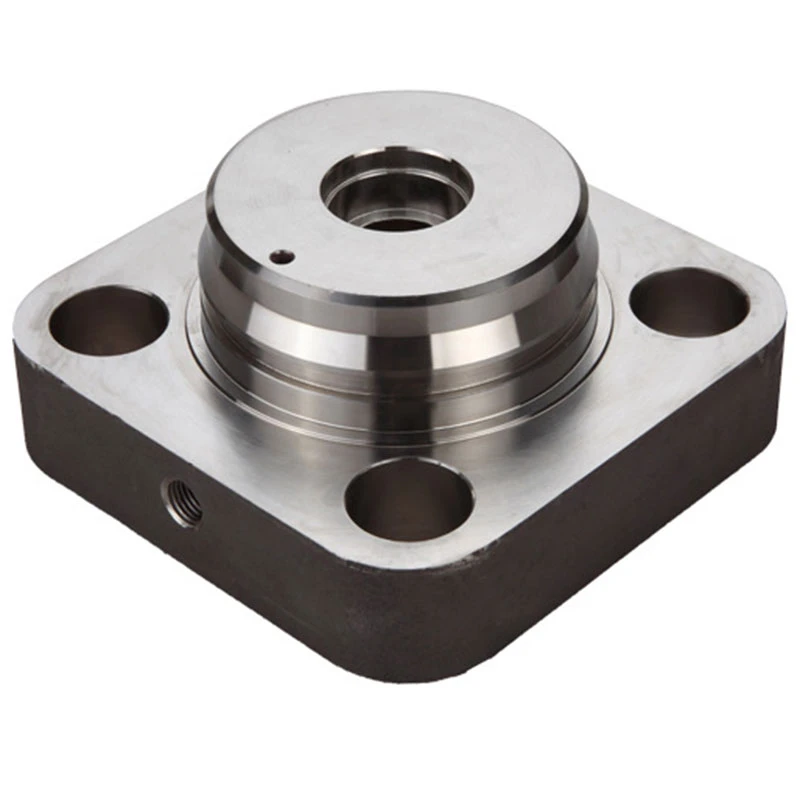
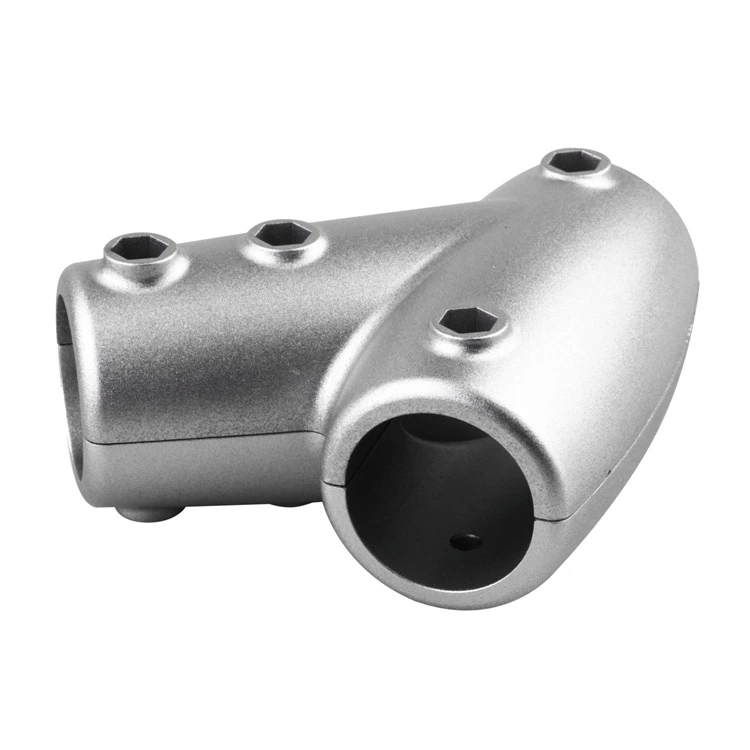
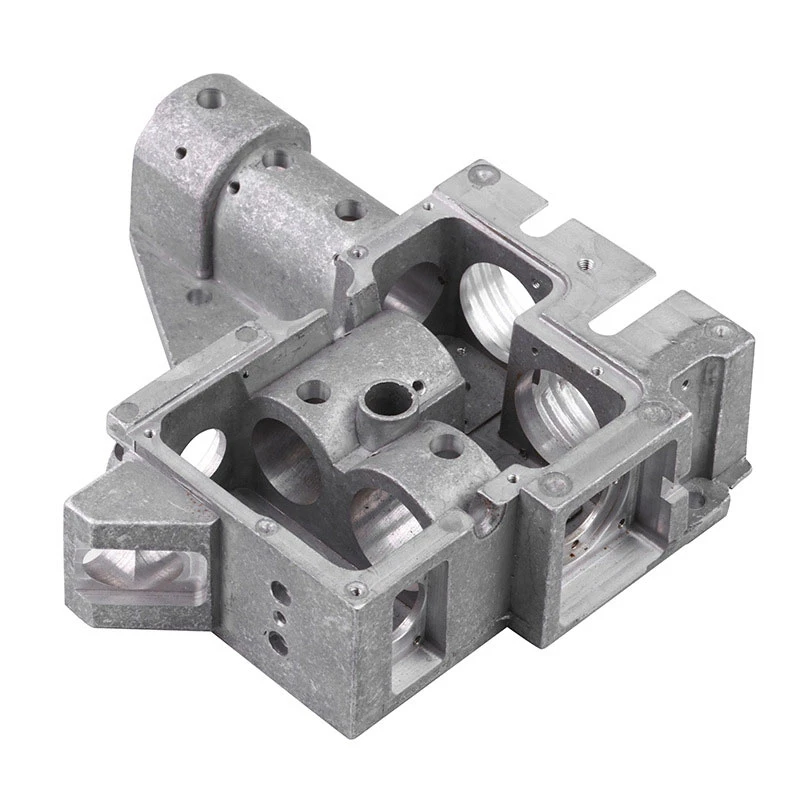
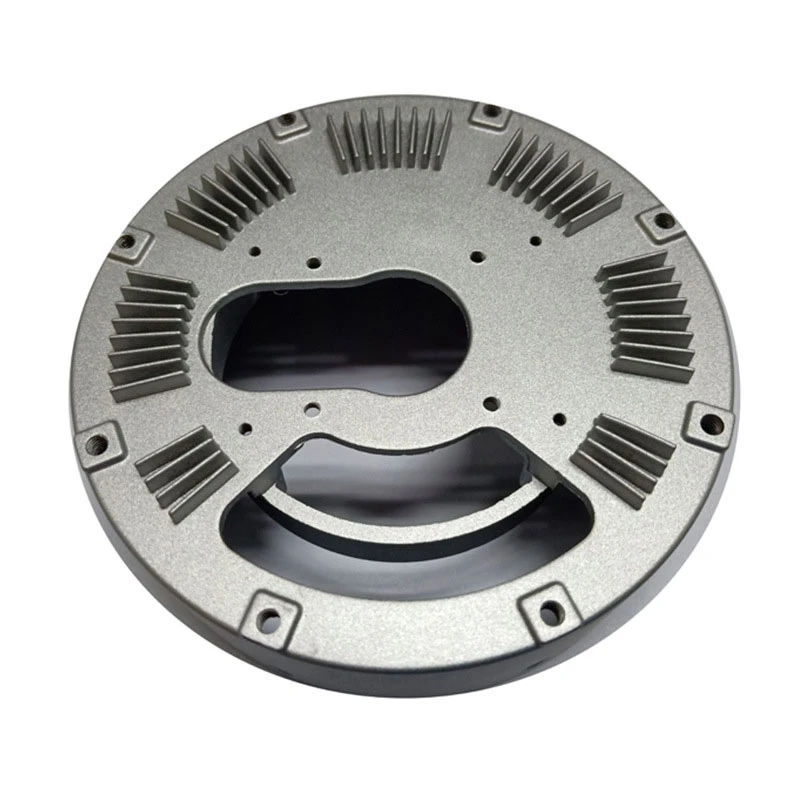
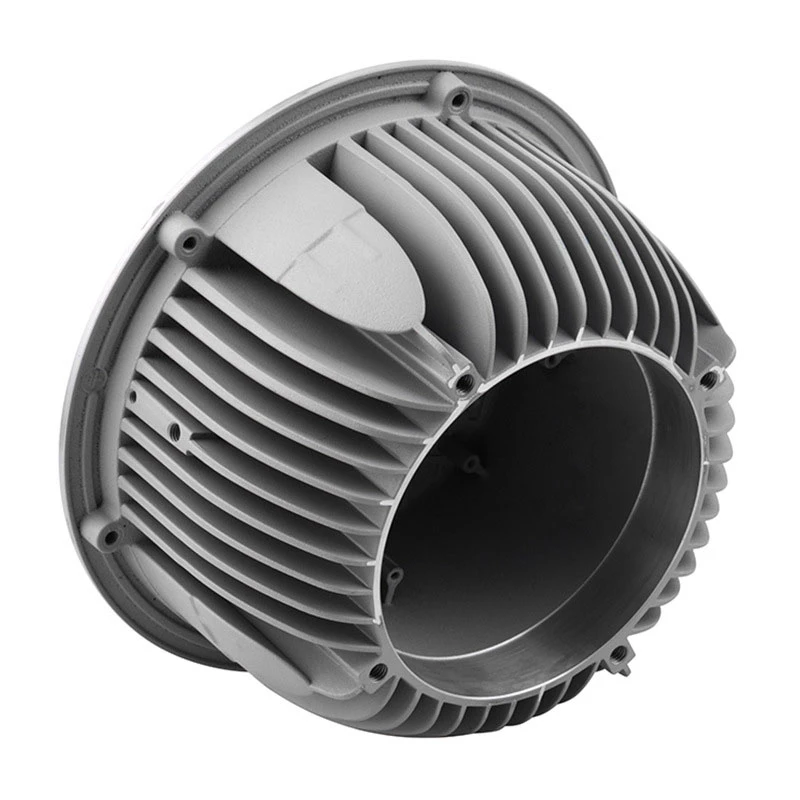
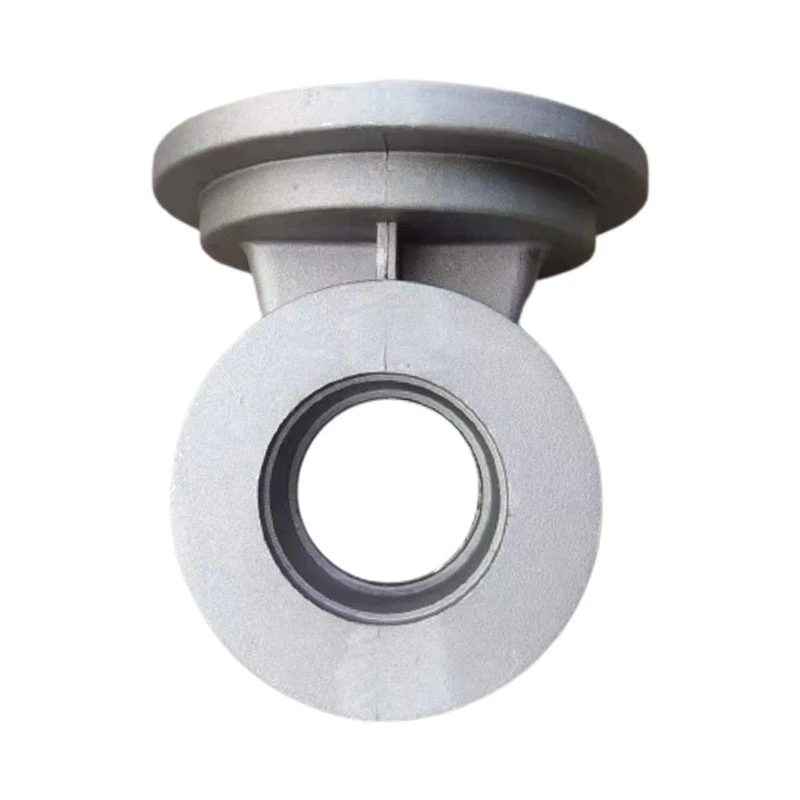
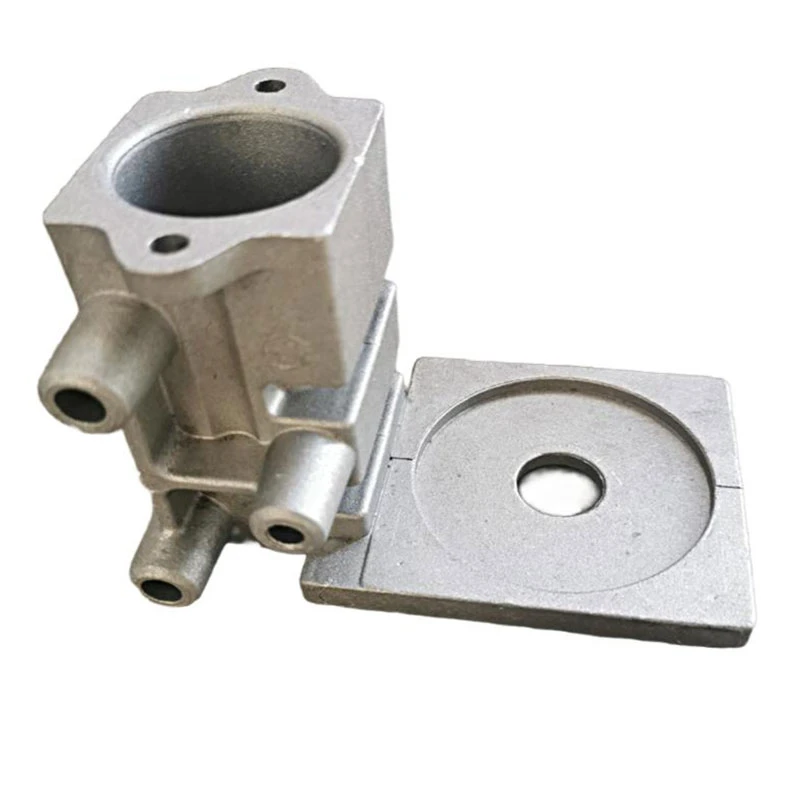
Image: Example of precision machined components demonstrating complex geometries and fine finishes.
Diverse Application Scenarios and Technical Advantages
The versatility of a leading machining supplier is reflected in its ability to cater to a vast array of application scenarios across critical industries, each benefiting from specific technical advantages derived from precision manufacturing.
Key Application Sectors:
-
Energy & Power Generation:
Components for turbines, heat exchangers, and auxiliary systems in nuclear, thermal, and hydroelectric power plants. Precision parts withstand high temperatures, immense pressures, and corrosive media. Technical advantages include high-temperature creep resistance and robust mechanical integrity, ensuring minimal energy loss and maximum uptime.
-
Automotive & Heavy Equipment:
Engine blocks, transmission parts, hydraulic system components, and chassis elements. The focus here is on durability, fatigue resistance, and dimensional consistency to ensure optimal vehicle performance and safety. Advantages include superior wear resistance and precise fits, leading to extended service life and reduced maintenance in demanding operational cycles.
-
Aerospace & Defense:
Structural components, engine parts, hydraulic fittings, and avionic enclosures. For these applications, materials like titanium and specialized aluminum alloys are machined to incredibly tight tolerances. Advantages from aerospace machining companies include exceptional strength-to-weight ratios, high fatigue resistance, and rigorous adherence to AS9100 standards for safety and reliability.
-
Oil & Gas Exploration:
Subsea connectors, valve bodies, pump components, and downhole tools designed to operate in extreme conditions of pressure, temperature, and corrosive environments. Advantages: Ultra-high corrosion resistance (e.g., from Inconel or Duplex stainless steel), pressure containment capabilities, and resistance to erosion, ensuring operational integrity in challenging subsurface conditions.
-
Electronics & Semiconductor:
Heat sinks, connector housings, semiconductor processing equipment components, and optical mounts. These applications demand micron-level precision and exceptional surface finishes to ensure electrical conductivity, thermal dissipation, and optical alignment. Advantages include high thermal conductivity materials, extreme flatness, and burr-free surfaces critical for sensitive electronic assemblies.
Overarching Technical Advantages:
- Energy Saving: Precisely machined fluid path components, such as impellers for water pumps, minimize turbulence and optimize flow, leading to significant reductions in energy consumption. A high-quality machining factory contributes directly to these efficiencies.
- Corrosion Resistance: Strategic material selection and advanced surface treatments (e.g., passivation for stainless steel, anodizing for aluminum) extend the life of components in chemically aggressive environments, reducing replacement costs and maintenance.
- Enhanced Durability & Longevity: Through optimized material properties (heat treatment, cold working) and superior surface finishes, parts exhibit improved wear resistance and fatigue strength, translating into longer operational lifespans and reliability.
- Reduced Downtime & Maintenance: Components manufactured to exacting standards require less frequent repair or replacement, minimizing operational interruptions and associated costs.
- Precision & Repeatability: Modern CNC machining capabilities ensure that every part produced is identical to the specified design, crucial for assembly consistency and interoperability in complex systems.
These technical advantages underscore the value proposition of investing in high-quality machined parts from a reputable machining supplier, directly impacting operational efficiency and long-term cost savings.
Vendor Comparison and Selection Criteria for Machining Partners
Selecting the right machining supplier is a critical strategic decision that can significantly impact product quality, lead times, and overall project costs. B2B clients must conduct thorough due diligence, evaluating a range of factors beyond just unit price.
Key Evaluation Criteria:
- Technical Capabilities: Assess the range of machining processes (3-axis, 5-axis CNC, EDM, grinding), the size and complexity of parts they can produce, and their experience with specific materials.
- Quality Management Systems: Look for certifications like ISO 9001 (general quality), AS9100 (aerospace), ISO 13485 (medical), which indicate robust quality protocols.
- Experience and Specialization: Does the machining company have a proven track record in your specific industry (e.g., as one of the specialized aerospace machining companies or automotive suppliers)? Years of service and client testimonials are good indicators.
- Lead Time & Capacity: Evaluate their ability to meet production schedules, especially for high-volume or rush orders. Assess their machine capacity and workforce.
- Cost-Effectiveness & Value: While price is important, consider the total cost of ownership, including quality, reliability, and support, not just the initial quote.
- Communication & Project Management: A good supplier offers clear communication, responsive support, and transparent project updates.
- Design for Manufacturability (DFM) Support: A valuable partner provides engineering insights to optimize designs for efficient and cost-effective production.
Comparison Table: General Machining Suppliers
| Feature/Criterion | Supplier A (Example) | Supplier B (Example) | Your Ideal Partner Profile |
|---|---|---|---|
| Primary Focus | High-volume standard parts | Low-volume, complex prototypes | Medium-to-high volume, precision OEM components |
| Certifications | ISO 9001:2015 | ISO 9001:2015, AS9100D | ISO 9001:2015, (Industry-specific if applicable) |
| Typical Lead Time (Standard) | 4-6 weeks | 2-3 weeks (small batches) | 3-5 weeks, expedited options available |
| Material Expertise | Steel, Aluminum | Titanium, Inconel, Medical Plastics | Broad range including SS, Al, Brass, Bronze, Engineering Plastics |
| Quality Control (QC) | Standard visual/caliper checks | CMM, Spectrometer, NDT | CMM, Material Testing (Spectro), Pressure/Leak Testing as needed |
| Value-Added Services | Basic assembly | DFM, advanced finishing | DFM, Surface treatments, Testing, Logistics |
Partnering with a machining supplier that aligns with specific project requirements and strategic objectives ensures a smoother supply chain and superior end products. Due diligence in this selection process is invaluable.
Customized Solutions for Evolving Industrial Needs
In today's highly competitive industrial landscape, off-the-shelf components often fall short of meeting the precise and unique requirements of specialized applications. This is where the capability of a machining factory to deliver customized solutions becomes a distinct competitive advantage. Custom machining involves engineering components from scratch or adapting existing designs to perfectly fit an application's specific functional, material, or environmental demands.
The Customization Process:
- Detailed Requirement Gathering: Comprehensive consultation to understand client needs, application environment, performance targets, and regulatory compliance.
- Design and Engineering Collaboration: Utilizing CAD/CAM software and DFM principles, the precision machining company collaborates with client engineers to optimize the design for manufacturability, cost-efficiency, and performance.
- Material Selection Expertise: Recommending the optimal material based on mechanical properties, corrosion resistance, weight, and cost considerations for the specific application.
- Prototyping and Iteration: Producing prototypes for testing and validation, allowing for iterative improvements to the design before full-scale production.
- Precision Manufacturing: Leveraging advanced CNC machining, EDM, and other processes to produce parts with the exact tolerances and finishes required.
- Rigorous Testing and Validation: Custom-designed testing protocols (e.g., specific pressure tests, material certifications) to ensure the component meets all performance criteria.
Benefits of Customized Machining Solutions:
- Optimal Performance: Components are precisely tailored to the application, ensuring maximum efficiency, reduced wear, and extended lifespan, which standard parts cannot guarantee.
- Cost Efficiency: While initial investment might be higher, customized parts often lead to lower long-term costs through improved performance, reduced maintenance, and avoidance of system failures.
- Competitive Advantage: Unique, high-performance components can differentiate a client's final product in the market.
- Problem Solving: Custom solutions address specific engineering challenges, such as tight space constraints, extreme environmental conditions, or unique fluid dynamics.
- Material Optimization: The ability to specify exotic alloys or specific heat treatments for unparalleled resistance to corrosion, heat, or wear.
For businesses seeking to innovate or solve complex engineering problems, partnering with a machining supplier proficient in customized solutions is an indispensable asset. This capability transforms challenges into opportunities for optimized performance and market leadership.
Real-World Application Case Studies
Demonstrating tangible results through application case studies is crucial for establishing the authoritativeness and experience of a machining supplier. These examples highlight problem-solving capabilities and the direct impact on client success.
Case Study 1: Enhanced Performance for Industrial Pumps
- Client: Leading manufacturer of industrial fluid handling systems.
- Challenge: Existing water pump impellers experienced premature wear due to cavitation and abrasive particles in process water, leading to frequent replacements and reduced pump efficiency. The client needed a more robust and efficient solution from a specialized machining company.
- Solution Provided by Machining Supplier: Our engineering team collaborated with the client to redesign the impeller geometry for improved hydraulic performance and utilized a specific grade of investment-cast and then CNC-machined Duplex Stainless Steel (UNS S31803). This material offers superior corrosion and abrasion resistance compared to standard cast iron. Precision machining achieved critical tolerances and surface finishes, particularly on the blade profiles.
-
Results:
- Extended Service Life: Impeller lifespan increased by over 150%, significantly reducing replacement frequency.
- Improved Efficiency: Optimized hydraulic design led to a 7% increase in pump efficiency, resulting in measurable energy savings for end-users.
- Reduced Downtime: Fewer failures translated to a 40% reduction in unscheduled maintenance.
Case Study 2: High-Precision Components for Aerospace Actuators
- Client: Tier-1 supplier of flight control systems for commercial aircraft.
- Challenge: Requirement for extremely lightweight, high-strength aluminum alloy components for a new generation of electro-hydraulic actuators. Parts involved complex internal geometries, thin walls, and critical surface finishes, demanding the expertise of leading aerospace machining companies.
- Solution Provided by Machining Supplier: Leveraging 5-axis CNC machining centers and advanced CAD/CAM simulation, our team manufactured components from Aerospace-grade Aluminum 7075-T6. We implemented specialized fixture designs to minimize distortion during machining of thin-walled sections. Post-machining processes included a multi-stage anodizing treatment for corrosion protection and a micro-polishing step to achieve the specified surface roughness of Ra 0.4 µm. Full traceability and AS9100D compliance were maintained throughout the process.
-
Results:
- Weight Reduction: Achieved target weight reduction of 18% compared to initial design estimates, contributing to overall aircraft fuel efficiency.
- Precision: Met all dimensional tolerances within ±0.005mm and critical geometric tolerances.
- Reliability: Components passed all rigorous fatigue and environmental testing, ensuring compliance with aerospace safety standards.
- On-Time Delivery: All production batches delivered within the aggressive project timeline, demonstrating robust supply chain management.
These case studies underscore the pivotal role of an experienced and technically capable machining supplier in delivering mission-critical components that meet the highest standards of performance and reliability across diverse industries.
Trustworthiness, Support, and Logistics
Frequently Asked Questions (FAQ)
A: We specialize in a wide range of materials including stainless steels (303, 304, 316, 17-4PH), aluminum alloys (6061, 7075), brass, bronze, copper, titanium, and various engineering plastics (PEEK, Delrin, Nylon, PTFE). Our material selection is always tailored to specific application requirements.
A: Lead times vary based on part complexity, material availability, and order volume. For standard custom orders, typical lead times range from 3-5 weeks after design approval. Expedited services are available for urgent requirements, please contact our sales team for specific project estimates.
A: Absolutely. Our engineering team actively collaborates with clients during the design phase to optimize parts for machining processes, reduce costs, and enhance performance. This proactive approach by our machining companies ensures seamless transition from design to production.
A: We adhere to stringent ISO 9001:2015 certified quality management systems. Our QC process includes in-process inspections, CMM (Coordinate Measuring Machine) dimensional verification, material certifications (MTCs), and specialized testing such as pressure testing or NDT (Non-Destructive Testing) as required. Every part undergoes final inspection before shipment.
Lead Time & Fulfillment
Our streamlined production process, combined with efficient supply chain management, allows us to offer competitive lead times. For OEM machining projects, initial prototype lead times typically range from 2-4 weeks, with production runs following in 3-6 weeks depending on volume and complexity. We utilize advanced ERP systems to manage material sourcing, production scheduling, and logistics, ensuring on-time delivery. We also offer various shipping options, including express air freight and sea freight, to meet global distribution needs.
Warranty Commitments
As a reputable machining supplier, we stand behind the quality of our work. All our machined components are covered by a comprehensive warranty against manufacturing defects and material non-conformance for a period of 12 months from the date of delivery. This commitment underscores our confidence in our precision engineering and rigorous quality control processes.
Customer Support and After-Sales Service
Our dedication to client satisfaction extends beyond delivery. We provide robust after-sales support, including technical assistance for installation, troubleshooting, and performance optimization. Our dedicated account managers ensure seamless communication, providing timely updates and addressing any concerns promptly. We believe in building long-term partnerships based on reliability, expertise, and mutual trust.
References
- International Organization for Standardization (ISO). (2020). ISO 9001:2015 Quality management systems — Requirements. ISO.org.
- SAE International. (2021). AS9100D Quality Management Systems - Requirements for Aviation, Space and Defense Organizations. SAE.org.
- American Society of Mechanical Engineers (ASME). (2020). ASME Y14.5-2018: Dimensioning and Tolerancing. ASME.org.
- ASTM International. (2022). Various Material Specifications (e.g., ASTM A240, ASTM A48). ASTM.org.
- Manufacturing Today. (2023). The Future of Precision Machining: Trends and Innovations. Manufacturing.net.
-
Comprehensive Guide to Automotive Die Casting for Enhanced Vehicle PerformanceNewsJan.27,2026
-
Comprehensive Guide to Aluminum Pressure Die Casting Manufacturing ProcessesNewsJan.27,2026
-
Hot Chamber Die Casting vs Cold Chamber Die Casting ExplainedNewsJan.06,2026
-
Hot Chamber And Cold Chamber Die Casting Solutions for Industrial Applications | Hairun SourcingNewsJan.06,2026
-
Hot and Cold Chamber Die Casting: Key Insights from Industry ExpertsNewsJan.06,2026
-
Comprehensive Guide on Graphite Die Casting for B2B Manufacturing | HairunSourcingNewsJan.05,2026