


High-Quality Custom Precision Investment Casting Company
The Strategic Advantage of Precision Investment Casting
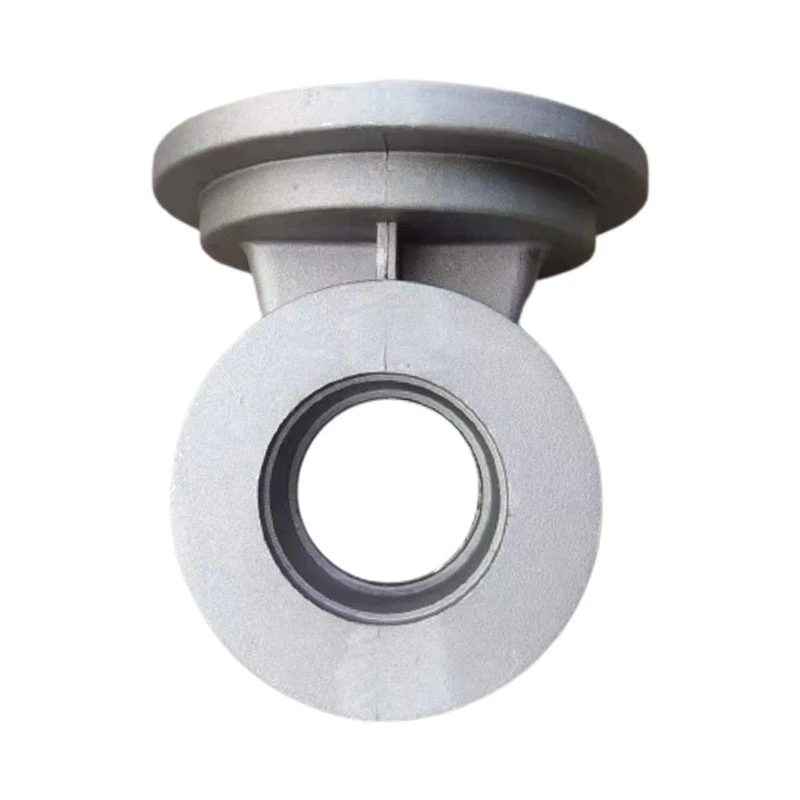
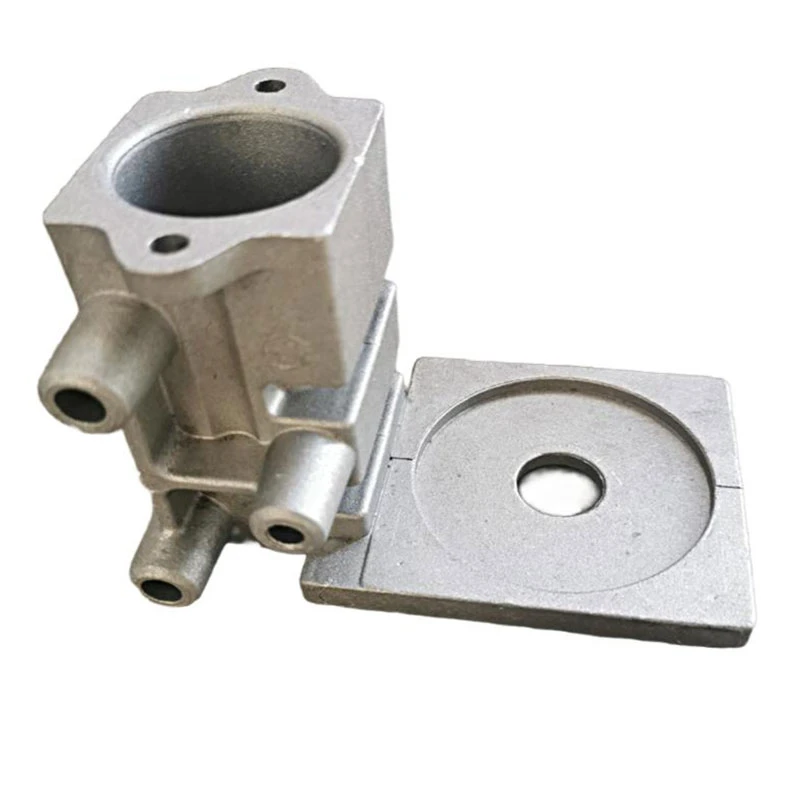
In the demanding landscape of modern manufacturing, the need for components that combine intricate geometries with superior material properties is paramount. This is where a high quality custom precision investment casting company stands as a critical partner. Investment casting, also known as lost-wax casting, is a sophisticated manufacturing process renowned for its ability to produce near-net-shape components with exceptional dimensional accuracy and surface finish, often eliminating the need for extensive secondary machining operations.
This method is particularly valuable for complex parts, offering design flexibility, material versatility, and cost-effectiveness for medium to high-volume production runs. Industries from aerospace and automotive to medical and energy rely on precision investment casting for components that must withstand extreme conditions and perform reliably over long service lives. The focus of a truly high-quality operation extends beyond mere production, encompassing advanced material science, rigorous quality control, and comprehensive engineering support to deliver optimal solutions.
The Meticulous Process Flow of Precision Investment Casting
The creation of a high-precision cast component involves a series of carefully controlled steps, ensuring that each stage contributes to the final product's integrity and performance. As a leading high quality custom precision investment casting company, our process integrates advanced techniques with stringent quality checkpoints.
Detailed Manufacturing Process:
- Pattern Creation: An exact replica of the desired part is made from wax or a suitable polymer. This typically involves injecting molten wax into a precision metal die. Multiple wax patterns can be assembled onto a central wax sprue, forming a "tree."
- Shell Building: The wax tree is repeatedly dipped into a ceramic slurry and then coated with refractory sand. This process is repeated several times, allowing each layer to dry, to build up a robust ceramic shell around the wax pattern. The thickness and integrity of this shell are critical for mold strength.
- Dewaxing: The ceramic-coated pattern is heated in an autoclave or flash furnace, melting the wax, which then drains out, leaving behind a hollow ceramic shell. This "lost-wax" step gives the process its alternative name.
- Shell Firing: The ceramic shell is fired at high temperatures (typically 870°C to 1100°C / 1600°F to 2000°F). This process strengthens the shell, burns off any residual wax or contaminants, and preheats it, preparing it for molten metal pouring.
- Metal Pouring: Molten metal, prepared to exact metallurgical specifications (e.g., stainless steel, carbon steel, nickel-based alloys), is poured into the preheated ceramic shell. The preheating helps in achieving complete filling of intricate sections and prevents thermal shock to the metal.
- Cooling and Solidification: The molten metal cools and solidifies within the ceramic mold, taking the shape of the desired component. Controlled cooling rates are often employed to achieve optimal grain structure.
- Shakeout and Part Removal: Once solidified, the ceramic shell is broken away from the metal casting using vibratory hammers, water blasting, or other mechanical means. The individual parts are then cut from the central sprue.
- Finishing and Post-Processing: This stage includes operations like grinding off gate stubs, heat treatment for desired mechanical properties (e.g., annealing, normalizing, quenching, tempering), straightening, shot blasting for surface finish, and machining (CNC machining) for critical dimensions. Non-destructive testing (NDT) such as X-ray, ultrasonic, or magnetic particle inspection is often performed here.
Materials and Standards:
- Product Materials: We frequently work with an extensive range of materials including various grades of stainless steel (e.g., 304, 316, 17-4PH), carbon steel (e.g., 1020, 1045), alloy steel (e.g., 4140, 8620), and specialty alloys like Monel, Inconel, and Hastelloy, chosen for their specific properties such as corrosion resistance, high-temperature strength, or wear resistance.
- Testing Standards: All processes and products adhere to stringent international standards including ISO 9001 for quality management, ASTM (American Society for Testing and Materials) for material specifications, ANSI (American National Standards Institute) for dimensional tolerances, and often industry-specific standards like PED (Pressure Equipment Directive) or AS9100 for aerospace components. Non-destructive testing (NDT) capabilities include radiographic testing (RT), ultrasonic testing (UT), magnetic particle testing (MT), and liquid penetrant testing (PT).
Technical Advantages and Performance Excellence
The inherent characteristics of precision investment casting offer significant technical advantages over other manufacturing methods. For demanding B2B applications, these benefits translate directly into enhanced performance and reduced total cost of ownership.
- Exceptional Dimensional Accuracy: Tolerances as tight as ±0.005 inches (±0.13 mm) or even tighter per inch are achievable, significantly reducing or eliminating the need for subsequent machining. This "near-net-shape" capability is a hallmark of a proficient precision casting china provider.
- Superior Surface Finish: Investment castings typically exhibit a smooth surface finish of 125 RMS (Ra 3.2 µm) or better, which is far superior to sand casting and often comparable to machined surfaces, minimizing post-processing requirements.
- Design Freedom: The process allows for the creation of highly complex internal and external geometries, undercuts, and intricate passages that are difficult or impossible to achieve with other methods. This enables engineers to optimize designs for function rather than manufacturability constraints.
- Material Versatility: Almost any castable alloy, from standard steels to high-performance superalloys, can be used, providing engineers with a broad spectrum of material properties to meet specific application demands.
- Enhanced Mechanical Properties: Controlled solidification processes often result in uniform grain structure, leading to improved strength-to-weight ratios and overall mechanical integrity compared to welded or fabricated assemblies.
- Corrosion Resistance: By utilizing corrosion-resistant alloys such as stainless steels (e.g., 316L for aggressive chemical environments), components can offer significantly extended service life in harsh conditions, reducing maintenance and replacement costs.
- Energy Saving: The near-net-shape capability reduces material waste and energy consumption associated with extensive machining, contributing to more sustainable manufacturing practices. For example, for a typical component, investment casting can reduce material removal by up to 70% compared to machining from bar stock.
Industry Trends in Precision Casting
The global precision casting market is experiencing robust growth, driven by increasing demand for lightweight, high-performance components across various sectors. Key trends shaping the industry include:
- Automation and Robotics: Increased adoption of automated wax injection, robotic shell building, and automated finishing processes to improve consistency, reduce labor costs, and enhance production efficiency.
- Advanced Materials: Growing demand for casting of superalloys (e.g., for aerospace turbine components) and refractory metals (e.g., for high-temperature industrial applications), pushing the boundaries of metallurgical capabilities.
- Additive Manufacturing Integration: Use of 3D printing for rapid prototyping of wax patterns or direct printing of ceramic molds, significantly reducing lead times for tooling and accelerating product development cycles. This allows for more iterative design and faster time-to-market for complex parts from a china precision casting expert.
- Digitalization and Simulation: Implementation of casting simulation software (e.g., MAGMA, ProCAST) to optimize mold design, predict potential defects (shrinkage, porosity), and refine pouring parameters, thereby reducing trial-and-error and improving first-time-right production.
- Sustainability Focus: Efforts to reduce waste through efficient material utilization, recycling of wax and ceramic materials, and energy-efficient foundry operations are becoming critical competitive differentiators.
Key Technical Specifications & Parameters
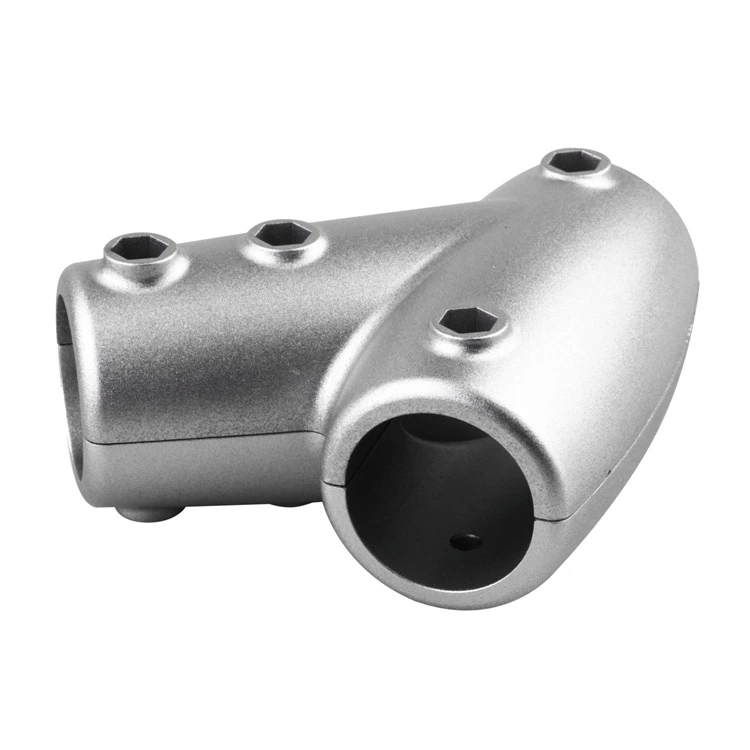
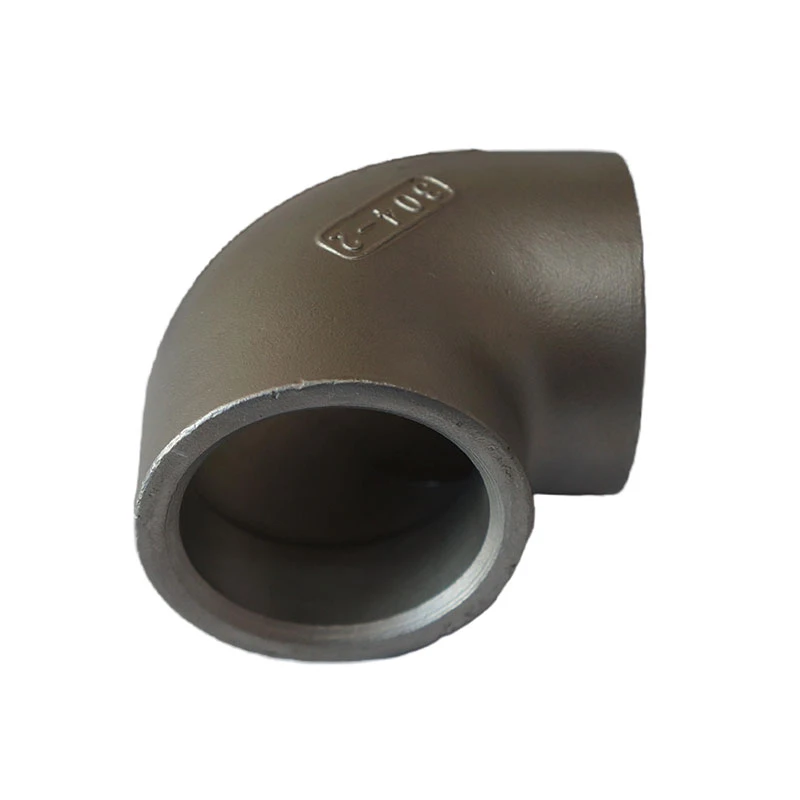
Understanding the typical parameters achievable through precision investment casting is crucial for design engineers and procurement specialists. Below are representative specifications for an Oem Precision Castings Elbow, a common component benefiting from this process.
Product Specification Table: Oem Precision Castings Elbow
| Parameter | Specification Range | Typical Value (for Elbow) |
|---|---|---|
| Material Grades | Stainless Steel (304, 316, 17-4PH), Carbon Steel (1020, 1045), Alloy Steel (4140, 8620) | ASTM A351 CF8M (equivalent to 316 Stainless Steel) |
| Dimensional Tolerance | CT5-CT7 per ISO 8062, typically ±0.005 in/in (±0.13 mm/25mm) | ±0.25mm for critical dimensions up to 50mm, ±0.5mm for larger sections |
| Surface Roughness (Ra) | 1.6 - 6.3 µm (63 - 250 RMS), better with electropolishing | 3.2 µm (125 RMS) as-cast |
| Minimum Wall Thickness | 0.060 inches (1.5 mm), material dependent | 3.0 mm (0.12 inches) for a pressure-rated elbow |
| Part Weight Range | 0.05 kg to 50 kg (0.1 lbs to 110 lbs) | 0.5 kg to 15 kg (1.1 lbs to 33 lbs) for standard elbow sizes |
| Linear Shrinkage Allowance | 1.5% - 2.0% (material dependent, accounted for in tooling) | 1.8% for stainless steel |
| Heat Treatment Options | Annealing, Normalizing, Quenching & Tempering, Solution Annealing | Solution Annealing (for stainless steel corrosion resistance) |
| Typical Service Life | Designed for decades with proper material selection and environmental conditions | 20+ years in typical industrial applications |
Application Scenarios & Target Industries
The versatility and high performance of components produced by a china precision die casting specialist open doors to a myriad of critical applications across diverse industries. The Oem Precision Castings Elbow, for instance, is fundamental in numerous fluid handling systems.
- Petrochemical & Oil & Gas: Critical for valves, pumps, fittings, and connectors in high-pressure, high-temperature, and corrosive environments. Components like pump housings, impellers, and various types of elbows and tees must maintain integrity under extreme conditions, where failure can lead to severe safety and environmental consequences. Example: Stainless steel elbows for process piping handling crude oil or natural gas, often operating at pressures up to 1500 psi.
- Metallurgy & Mining: Used for wear-resistant parts in crushing, grinding, and refining equipment. Examples include specialized nozzles, impellers for slurry pumps, and high-strength linkages in heavy machinery. The ability to cast hard, abrasion-resistant alloys is a significant advantage.
- Water Supply & Drainage: Essential for durable and corrosion-resistant components in pumping stations, water treatment plants, and sewage systems. This includes valve bodies, pump components, and pipe fittings that can withstand continuous exposure to water and various chemicals without degrading. Example: Ductile iron or stainless steel elbows for large diameter water mains, ensuring leak-proof connections and long service life.
- Automotive: Employed for complex engine components (e.g., turbocharger parts, exhaust manifolds), transmission parts, and structural elements where high strength-to-weight ratio and intricate shapes are required. Global production of investment castings for automotive applications exceeds 200,000 tons annually.
- Aerospace & Defense: Used for turbine blades, structural airframe components, brackets, and hydraulic system parts, where tight tolerances, superior mechanical properties, and lightweight designs are critical for performance and safety. Typical materials include nickel-based superalloys and titanium alloys.
- Medical & Dental: For surgical instruments, prosthetic components, and dental implants, requiring biocompatible materials, excellent surface finish, and precise geometries. Stainless steel and cobalt-chromium alloys are commonly used.
Vendor Comparison: Selecting Your Precision Casting Partner
Choosing the right precision investment casting china partner is a critical decision that impacts product quality, lead times, and overall project success. While many suppliers offer casting services, a truly high-quality partner distinguishes itself through several key factors.
Comparison Table: High-Quality vs. Standard Precision Casting Company
| Feature | High Quality Custom Precision Investment Casting Company | Standard/Commodity Supplier |
|---|---|---|
| Engineering Support | Proactive DFM (Design for Manufacturability) input, material science expertise, simulation capabilities. Collaborative approach. | Primarily focused on receiving and executing existing designs, limited DFM. |
| Quality Control | Comprehensive in-house NDT (X-ray, UT, MPI, LPT), CMM dimensional inspection, spectrographic material analysis. ISO 9001/AS9100 certified. Low PPM defect rate (<100 PPM). | Basic visual inspection, reliance on third-party labs, inconsistent certifications. Higher PPM defect rates. |
| Customization & Flexibility | Highly adaptable to unique geometries, specialized alloys, and specific post-processing needs. Ability to handle low-volume prototypes to high-volume production. | Limited to standard configurations and common materials; less adaptable to complex, unique requirements. |
| Lead Time & Reliability | Transparent, predictable lead times with high on-time delivery rates. Robust supply chain management. | Variable lead times, potential for delays, less robust planning. |
| Value Proposition | Focus on total cost of ownership (TCO) through reduced defects, less machining, and extended product life. Premium quality. | Primarily competes on initial unit cost; hidden costs from defects or rework may increase TCO. |
| Experience & Expertise | Decades of specialized experience, dedicated R&D, continuous process improvement. Deep knowledge of complex applications. | General casting knowledge, may lack specialization in advanced applications or materials. |
Customized Solutions & Capabilities
A true high quality custom precision investment casting company excels in providing tailored solutions. This goes beyond merely producing a part; it involves a deep understanding of the client's application, performance requirements, and operational environment. Our capabilities include:
- Design for Manufacturability (DFM) Consultation: Collaborating with client engineers from the conceptual stage to optimize designs for casting, reduce material usage, and minimize secondary operations.
- Material Selection Expertise: Guiding clients in choosing the optimal alloy that balances mechanical properties, corrosion resistance, weight, and cost for their specific application. This often involves suggesting proprietary or specialty alloys.
- Advanced Tooling Design: Developing highly precise and durable wax injection dies, often utilizing multi-cavity designs for high-volume production or intricate core pulls for complex internal features.
- Integrated Secondary Operations: Offering a full suite of in-house or partner-managed services including CNC machining to achieve critical tolerances, heat treatment for specific metallurgical properties, surface finishing (e.g., electropolishing, passivation), and assembly.
- Prototyping Services: Rapid prototyping through 3D printed wax patterns or quick-turn tooling to validate designs and accelerate product development cycles before committing to high-volume production tooling.
Real-World Application Case Studies
Demonstrating experience through concrete examples builds confidence. Here are hypothetical case studies reflecting the capabilities of a leading china precision investment casting provider:
Case Study 1: High-Pressure Valve Body for Offshore Platform
Challenge: A major oil & gas client required a complex valve body for an offshore platform, demanding extreme corrosion resistance to seawater and high-pressure integrity (up to 3000 psi) in a compact design. Traditional machining from billet was cost-prohibitive and generated excessive waste. Weldments presented unacceptable risk of leaks.
Solution: We utilized precision investment casting with Super Duplex Stainless Steel (UNS S32750), renowned for its superior pitting and crevice corrosion resistance and high strength. Our DFM process optimized the internal flow passages, and advanced NDT (X-ray, ultrasonic) ensured complete internal soundness. The near-net-shape casting reduced machining by 65% compared to previous methods.
Result: The client received a robust, highly reliable valve body that passed all pressure and corrosion tests, leading to a 20% cost saving on unit price and a projected 15-year extended service life compared to alternative manufacturing routes. The first batch achieved 0 PPM (parts per million) defects.
Case Study 2: Lightweight Aerospace Bracket
Challenge: An aerospace manufacturer needed a complex, lightweight bracket for a new generation aircraft. The part had critical weight constraints, intricate lattice-like internal structures for strength, and demanded AS9100 certified quality.
Solution: Leveraging our expertise as a high quality custom precision investment casting company, we designed a wax pattern incorporating the internal lattice structures, cast in 17-4PH stainless steel for its high strength and corrosion resistance. We utilized advanced simulation software to ensure optimal fill and solidification, preventing hot spots and ensuring structural integrity. Post-casting, the brackets underwent H900 heat treatment to achieve required hardness and strength.
Result: The resulting bracket met all weight and strength specifications, achieving a 30% weight reduction compared to the previous machined design. The AS9100 certification and comprehensive material traceability provided the necessary authoritativeness for aerospace applications, leading to a long-term supply contract.
Ensuring Quality: Certifications & Standards
Authoritativeness in precision casting is built on a foundation of adherence to recognized quality management systems and industry standards. As a trusted high quality custom precision investment casting company, our commitment to excellence is evidenced by:
- ISO 9001:2015 Certification: Demonstrating a robust quality management system focused on continuous improvement and customer satisfaction. This underpins every aspect of our operations, from order intake to final inspection.
- Material Certifications: Providing full material traceability and chemical analysis reports (e.g., Spectrometer analysis, Material Test Reports/MTRs) for every batch, guaranteeing that materials meet ASTM, EN, DIN, or JIS specifications.
- Dimensional Inspection Reports: Comprehensive reports from CMM (Coordinate Measuring Machine) and other precision instruments, verifying critical dimensions against engineering drawings.
- Non-Destructive Testing (NDT): In-house capabilities for X-ray (radiographic testing), Ultrasonic Testing (UT), Magnetic Particle Inspection (MPI), and Liquid Penetrant Testing (LPT) performed by certified Level II/III technicians to ensure internal and surface integrity.
- Long-Standing Client Partnerships: Our history of successful collaborations with global leaders in demanding industries (e.g., aerospace, energy) over two decades attests to our consistent delivery of quality and reliability.
- Environmental Management: Adherence to ISO 14001 principles for environmentally responsible manufacturing processes.
Trust & Reliability: Lead Time, Warranty, Support
Building trust is fundamental in B2B relationships. A dependable precision casting china supplier provides clear, actionable information regarding logistics, guarantees, and support.
- Lead Time & Fulfillment:
- Tooling: Typically 4-8 weeks for complex multi-cavity dies, depending on design complexity.
- Production: Standard production runs range from 3-5 weeks after tool approval, with expedited options available for urgent requirements.
- Logistics: Flexible shipping options including FOB, CIF, DDU, and DDP to accommodate client preferences and global supply chain needs, with transparent tracking.
- Warranty Commitments: We provide a comprehensive 1-year warranty against manufacturing defects and material non-conformance for all our precision castings, covering defects in workmanship and materials when used under normal operating conditions. Our commitment is to repair, replace, or refund parts found to be defective due to our manufacturing process.
- Customer Support:
- Dedicated account managers for seamless communication and project oversight.
- Technical support team comprising experienced engineers available for post-delivery consultation or troubleshooting.
- Responsive communication channels (email, phone, video conferencing) ensuring queries are addressed promptly, typically within 24 hours.
Frequently Asked Questions (FAQ)
- Q1: What is the typical minimum order quantity (MOQ) for custom precision investment castings?
- A1: Our MOQ is generally flexible, often starting from 50-100 pieces for standard parts, but we can accommodate smaller pilot runs or prototypes. For very complex or large castings, the MOQ might be adjusted. Please contact us with your specific project details for a tailored quote.
- Q2: Can you work with proprietary or specialized alloys?
- A2: Yes, we have extensive experience in casting a wide range of standard and specialty alloys, including those with proprietary compositions. We can procure specific ingots or work with client-supplied materials, ensuring full metallurgical compliance and traceability.
- Q3: What types of files do you require for a quotation?
- A3: For accurate quotations, we typically require 3D CAD files (e.g., STEP, IGES, SolidWorks) along with 2D engineering drawings (PDF, DWG) specifying dimensions, tolerances, material requirements, heat treatment, surface finish, and any specific testing criteria. Photos of existing parts are also helpful.
- Q4: How do you ensure the quality of castings from your facility in China?
- A4: We adhere to strict ISO 9001 certified quality management systems. This includes comprehensive in-process quality control at every stage, from raw material inspection to final product testing (CMM, NDT, material analysis). Our quality team is independent and ensures compliance with all client specifications and international standards, solidifying our reputation as a high quality custom precision investment casting company.
- Q5: Do you offer post-casting machining services?
- A5: Yes, we provide comprehensive in-house or partner-managed CNC machining capabilities for precise finishing, drilling, tapping, and other machining operations to achieve the tightest tolerances required by your designs.
Conclusion
The strategic selection of a high quality custom precision investment casting company is pivotal for businesses seeking to leverage advanced manufacturing for superior product performance and competitive advantage. From intricate design freedom and material versatility to exceptional dimensional accuracy and surface finish, investment casting offers unparalleled benefits for critical components across demanding industries. By partnering with a provider that prioritizes expertise, robust quality control, customized solutions, and transparent communication, businesses can ensure reliable, high-performing components that meet the most stringent specifications and contribute to long-term success.
References
- Campbell, J. (2003). Castings Practice: The Ten Rules of Castings. Butterworth-Heinemann.
- ASM Handbook, Volume 15: Casting. (1988). ASM International.
- Investment Casting Institute. (n.d.). Industry data and process overviews. Retrieved from www.investmentcasting.org
- American Society for Testing and Materials (ASTM). (n.d.). Standards for metallic materials. Retrieved from www.astm.org
- International Organization for Standardization (ISO). (n.d.). Standards for quality management and environmental management. Retrieved from www.iso.org
-
Comprehensive Guide to Automotive Die Casting for Enhanced Vehicle PerformanceNewsJan.27,2026
-
Comprehensive Guide to Aluminum Pressure Die Casting Manufacturing ProcessesNewsJan.27,2026
-
Hot Chamber Die Casting vs Cold Chamber Die Casting ExplainedNewsJan.06,2026
-
Hot Chamber And Cold Chamber Die Casting Solutions for Industrial Applications | Hairun SourcingNewsJan.06,2026
-
Hot and Cold Chamber Die Casting: Key Insights from Industry ExpertsNewsJan.06,2026
-
Comprehensive Guide on Graphite Die Casting for B2B Manufacturing | HairunSourcingNewsJan.05,2026