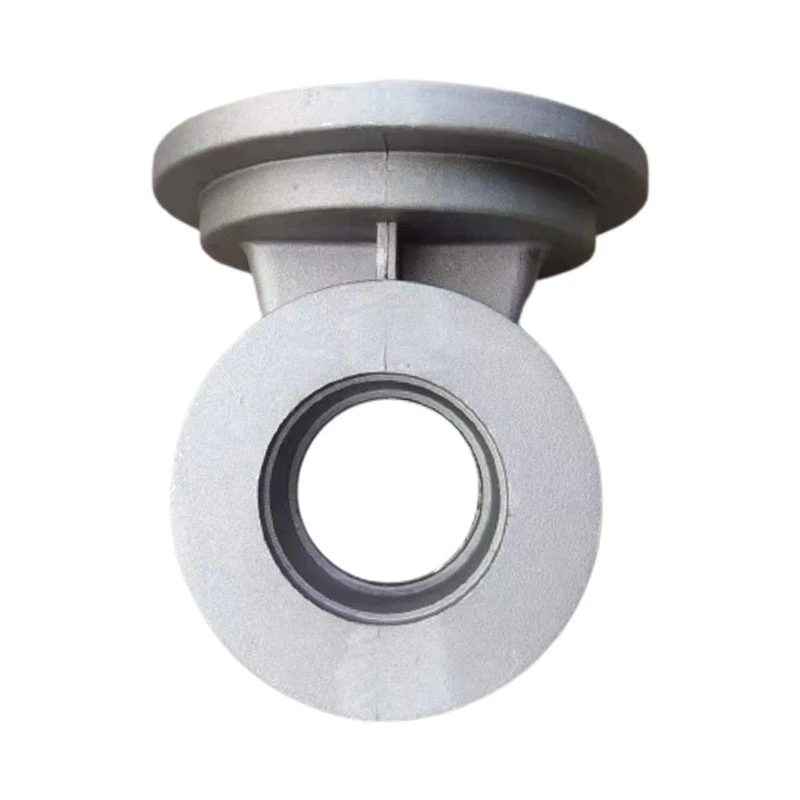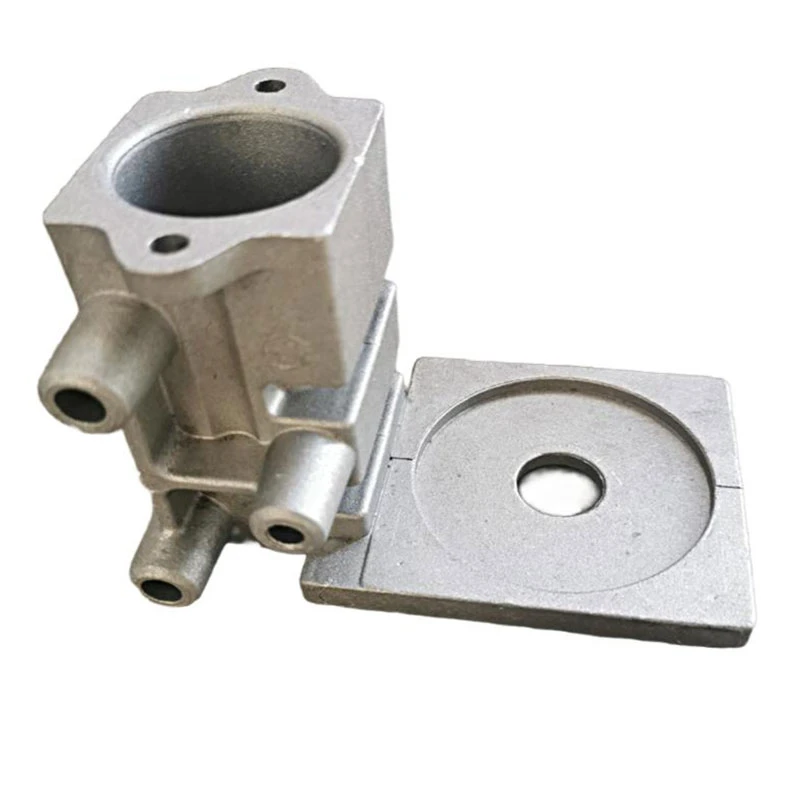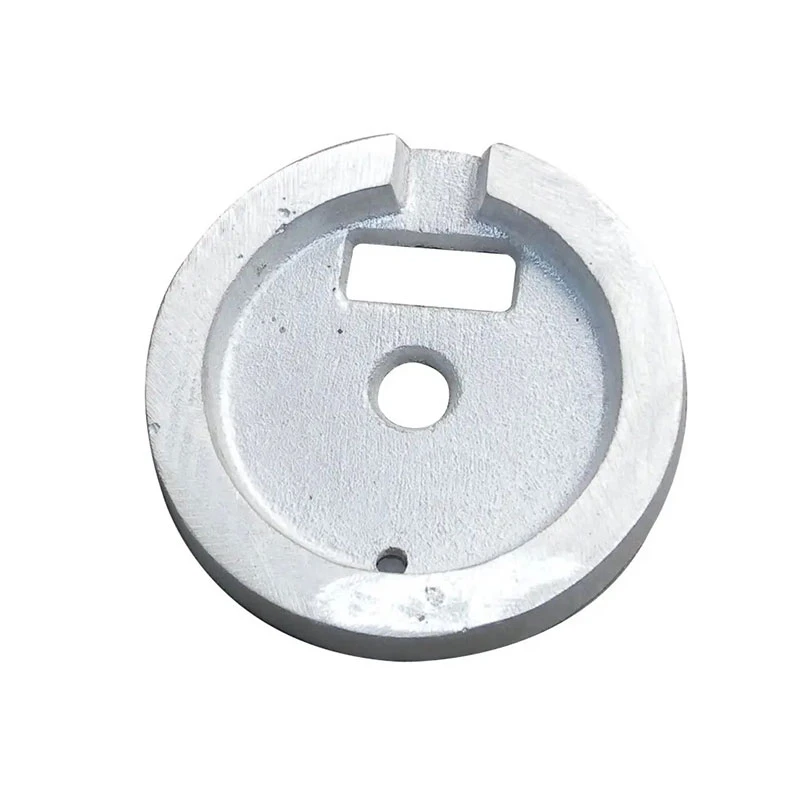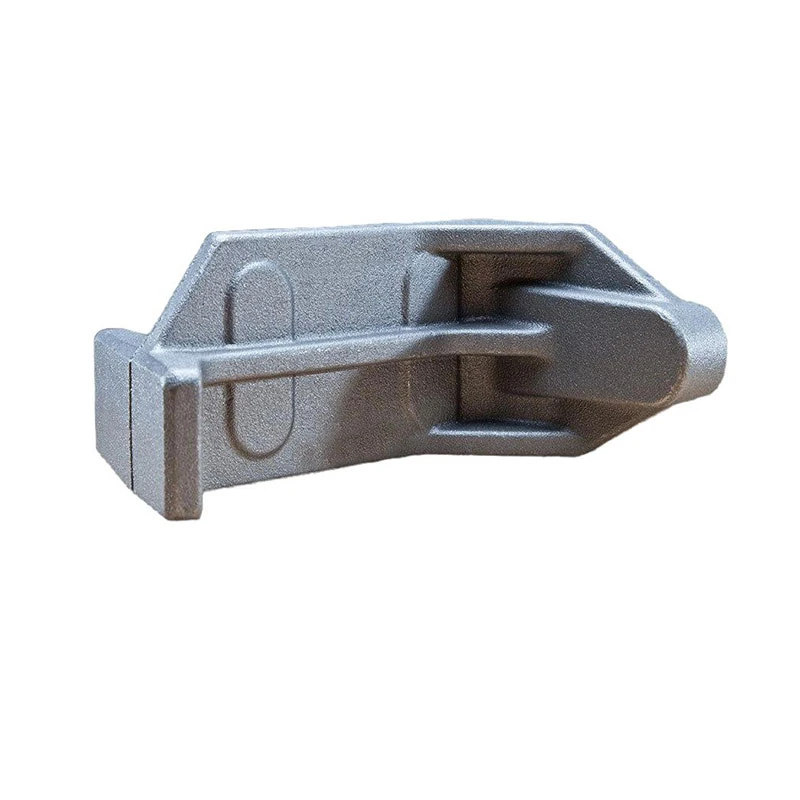



Precision Cast Components — Reliable, Durable, and Tailored to You
Why Precision Cast Components Matter in Industrial Equipment
Having spent a couple of decades in the industrial equipment sector, I can confidently say that precision casting isn’t just a fancy manufacturing term. It’s the backbone of many reliable machines you’d probably take for granted every day. Now, when I first got into this, I thought casting was all about pouring molten metal into a mold – simple, right? But precision casting involves a whole different level of care, detail, and craftsmanship. It shapes parts that can be intricate, tough, and exact to a hair’s breadth.
Oddly enough, the real beauty in precision castings lies in their ability to marry toughness with finesse. You get this combination of ruggedness needed to endure harsh industrial environments and the subtle dimensional accuracy that high-speed conveyor systems or heavy-duty pumps require.
Understanding Precision Cast Product Design and Material Choices
Throughout my years, I noticed manufacturers increasingly lean towards alloys that not only meet strength requirements but resist corrosion, fatigue, and heat. Stainless steel, cobalt-based alloys, and special tool steels frequently top the list. Materials do make a huge difference—try using a standard cast and see it wear down or warp in less than a year. Not fun. That’s why many in the industry prefer precision casting: you get consistently high-quality microstructure, fewer defects, and less need for extensive machining afterward.
Another trend is hybrid designs. It’s common now to combine precision castings with CNC machined surfaces or add coatings post-process. This approach gives you a tailor-made balance of strength, aesthetics, and performance. Basically, if you need a perfect-fit component for conveyor rollers or pump housings, precision cast parts often hit the sweet spot.
Precision Cast Components Specifications
| Specification | Value |
|---|---|
| Material | Stainless Steel, Alloy 718, Carbon Steel |
| Weight Range | 0.5 kg to 100 kg (custom sizes available) |
| Tolerance | ±0.1 mm typical |
| Surface Finish | As-cast or machined to Ra 0.8 µm |
| Heat Treatment | Available on request (solution annealed, age hardened) |
| Testing | Ultrasonic, X-Ray, Dimensional Inspection |
Choosing the Right Vendor for Your Precision Cast Needs
In real terms, not all casting vendors are created equal. I remember working on a conveyor parts project where we had to pick between three suppliers. What stood out was the consistency of the casting quality and the ability to hit tight deadlines without cutting corners. It’s like building a race car—you need every part to perform flawlessly or everything’s at risk.
| Vendor | Lead Time | Quality Control | Customization | Price Competitiveness |
|---|---|---|---|---|
| Alpha Precision Cast | 4 weeks | High (X-Ray, Ultrasonic) | Excellent | Mid-range |
| Beta Castings Ltd. | 6 weeks | Medium (Visual, Dimensional) | Limited | Lower |
| Gamma Industry Supply | 3 weeks | High (Full NDT suite) | Good | Premium |
Personally, I always check if the vendor offers detailed testing and supports customization. It’s often better to pay a little more upfront than face headaches down the line with components that don’t fit or break prematurely.
So if you’re searching for precision cast parts, it pays to dig into the specs and vendor details rather than just the price. Think long-term durability and the exact application your equipment demands.
Final Thoughts on Using Precision Cast in Industrial Settings
To wrap up, precision casting remains a cornerstone of dependable industrial equipment manufacturing. The variety of alloys, plus the evolving tech in both casting and post-processing, means you can tailor solutions more than ever before. And honestly, when you see the difference a well-cast part makes—less downtime, smoother processes—you start to appreciate the craft behind it.
For those in the market, remember it’s not just about the part itself but the partner you choose for production. And hey, if you want to explore quality options, I’ve found companies like the precision cast specialists there really listen and adapt.
Anyway, that’s enough industrial talk for now – time for coffee.
References & Personal Notes:
- Industry reports on casting materials and applications, 2023.
- Practical experience with conveyor system parts assembly, 2010-2024.
- Vendor quality audits and supply chain observations, ongoing.
-
Guide to Anodizing Die Cast Aluminum for Industrial ExcellenceNewsApr.16,2026
-
High Quality Precision Aluminum Die Casting Components GuideNewsApr.09,2026
-
Comprehensive Guide to High Quality Aluminium Pressure Die Casting ProductsNewsApr.07,2026
-
Comprehensive Guide to Aluminium Pressure Die Casting Components and SolutionsNewsApr.04,2026
-
Comprehensive Guide to Aluminium HPDC Casting for Global SourcingNewsMar.31,2026
-
Comprehensive Guide to Precision Aluminium Die Castings and Manufacturing SolutionsNewsMar.28,2026