


OEM Bearing Maker | High-Load, Low-Noise, Fast Lead
Inside the World of Oem Bearing: Trends, Specs, and Real-World Use
I spent a week in Baoding recently—3rd Floor, No. 678 Jinxiu Street, to be exact—walking the shop floors where precision-cast bearing components are born. It’s an industrial rhythm you can almost feel: wax patterns, ceramic shells, molten metal, then the quiet hum of grinders. In a market obsessed with speed and traceability, the Oem Bearing story is increasingly about customization, clean data, and honestly, smarter risk control.
What It Is (and Isn’t)
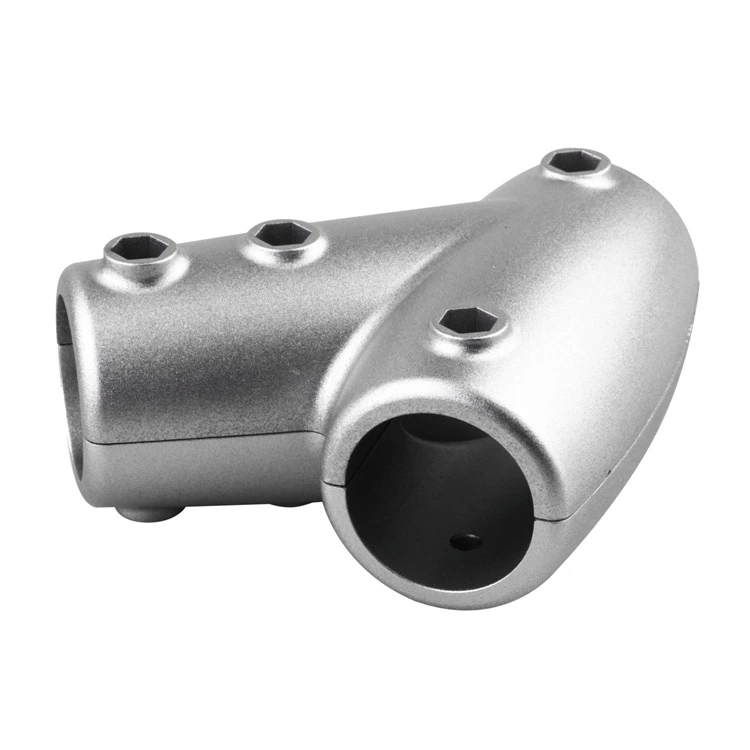
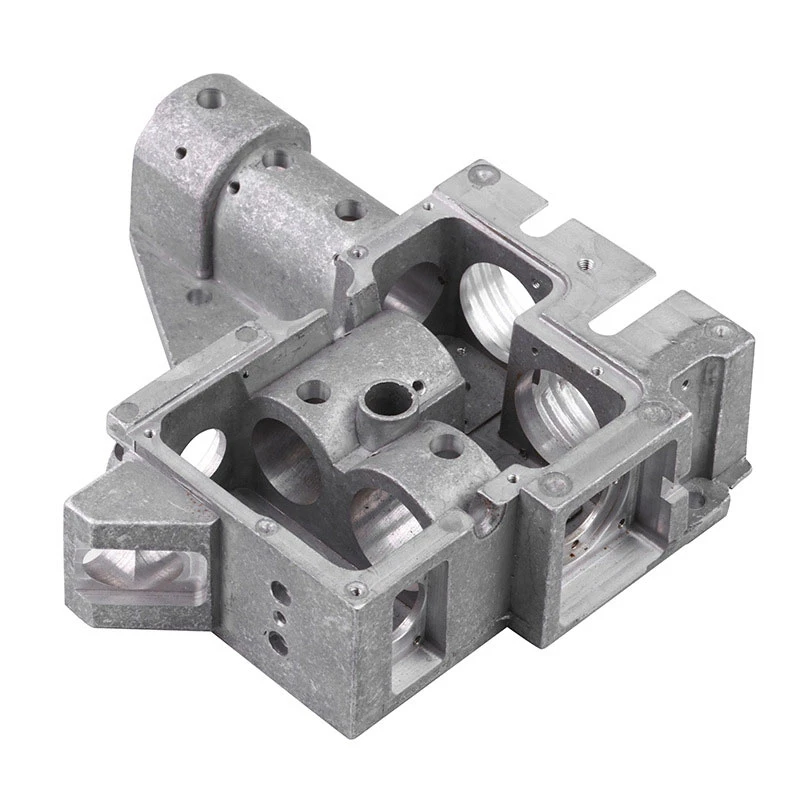
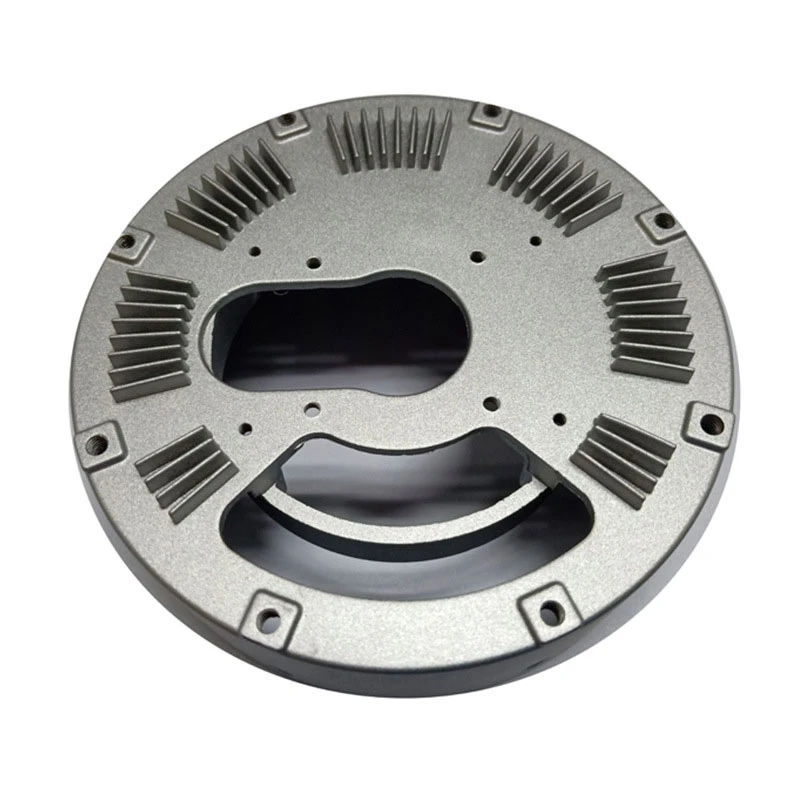
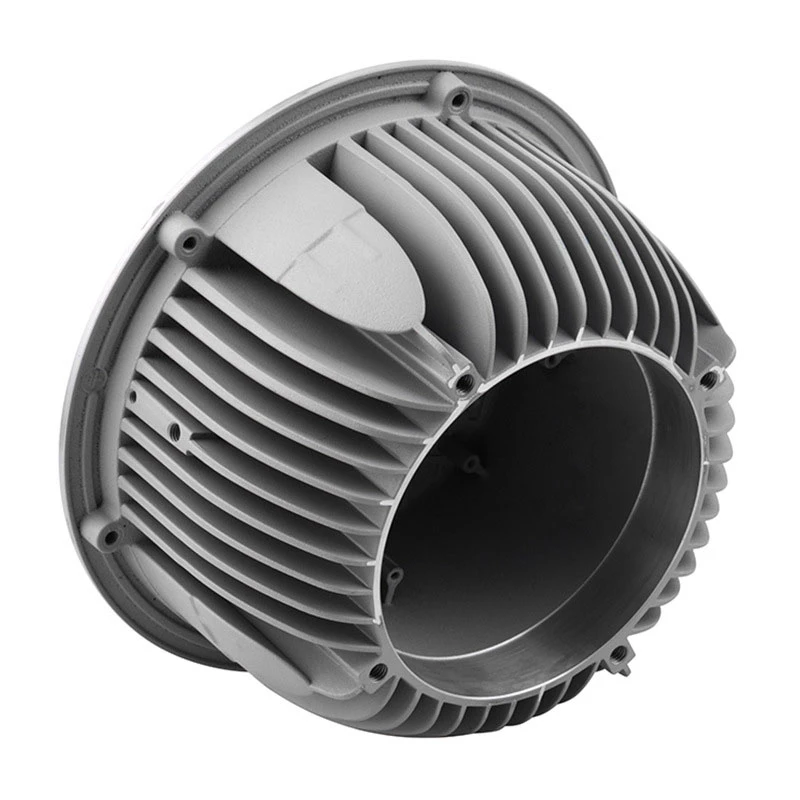
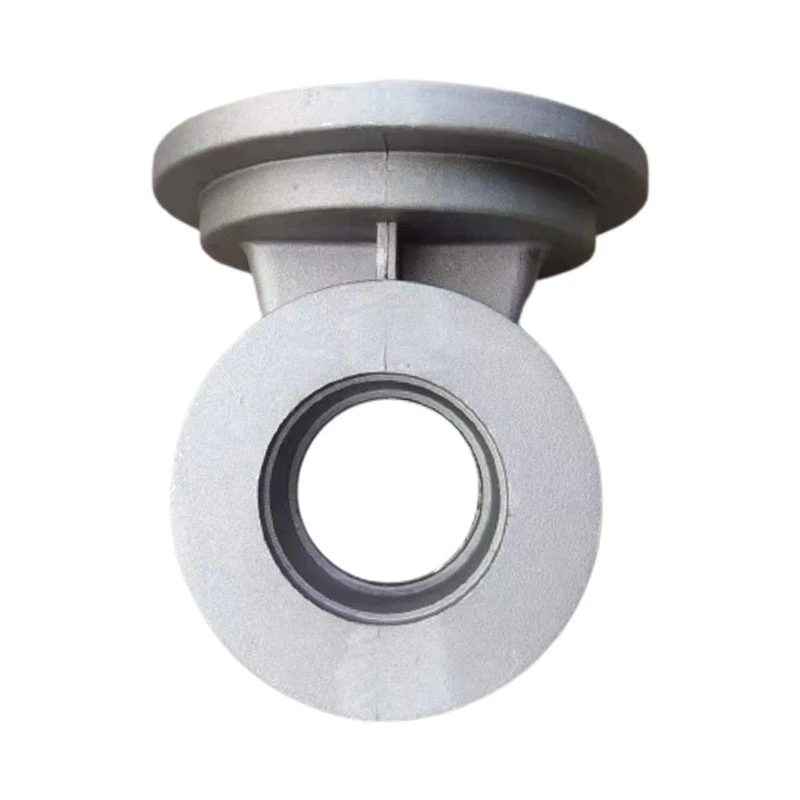
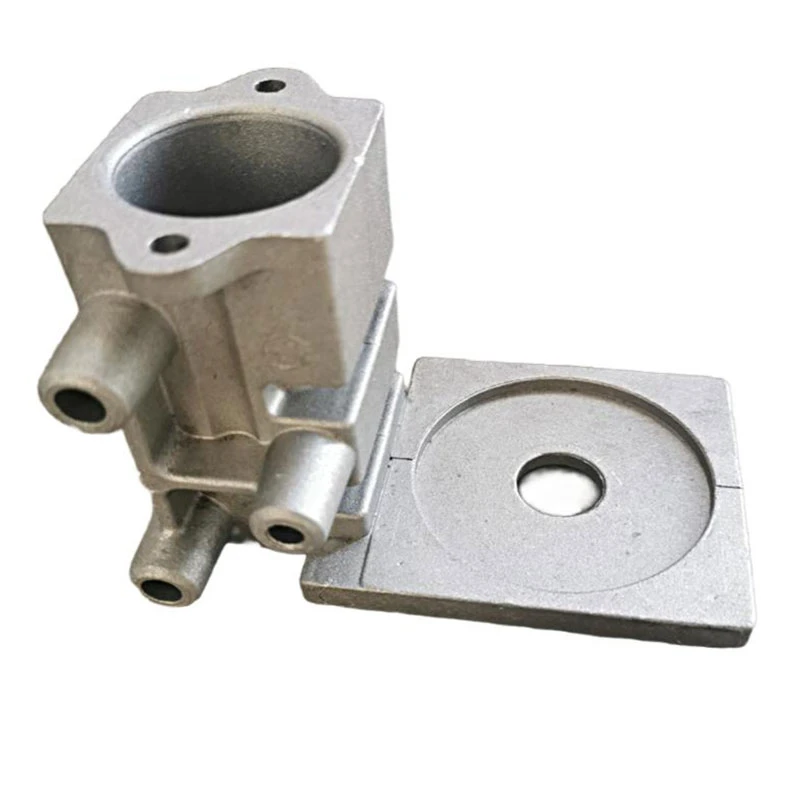
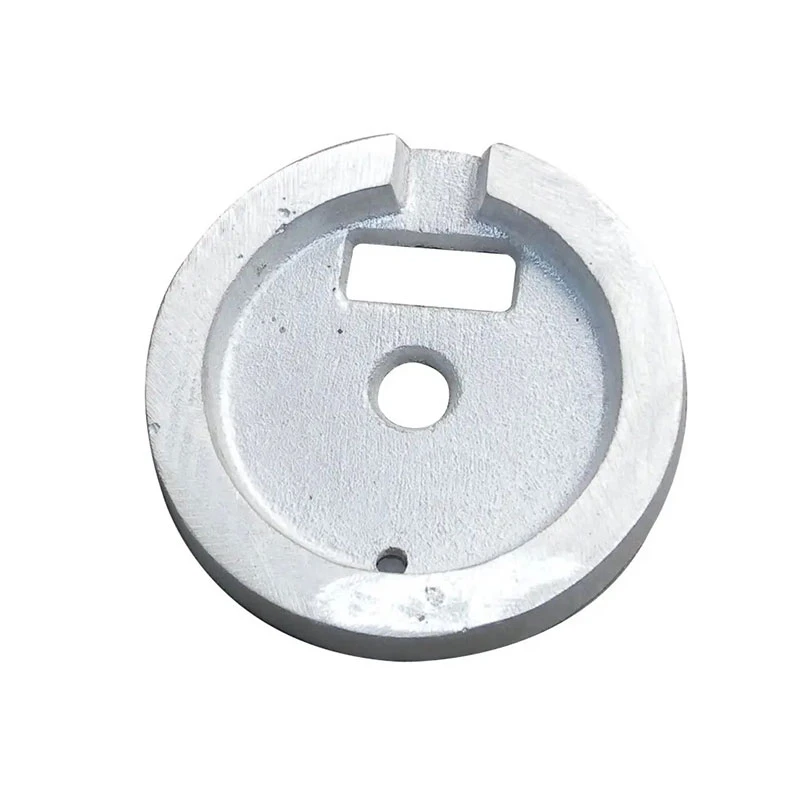
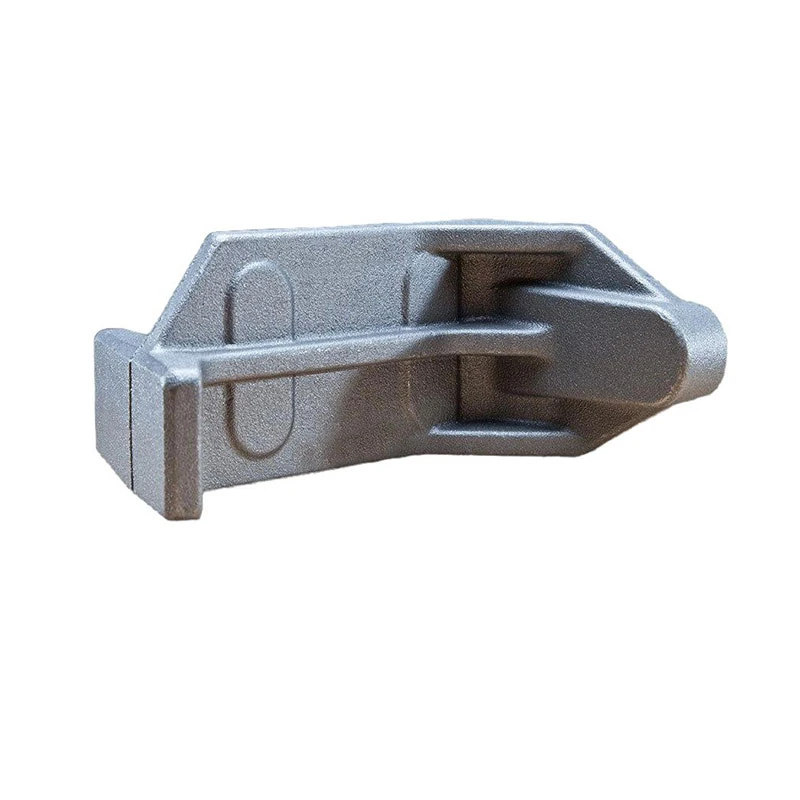
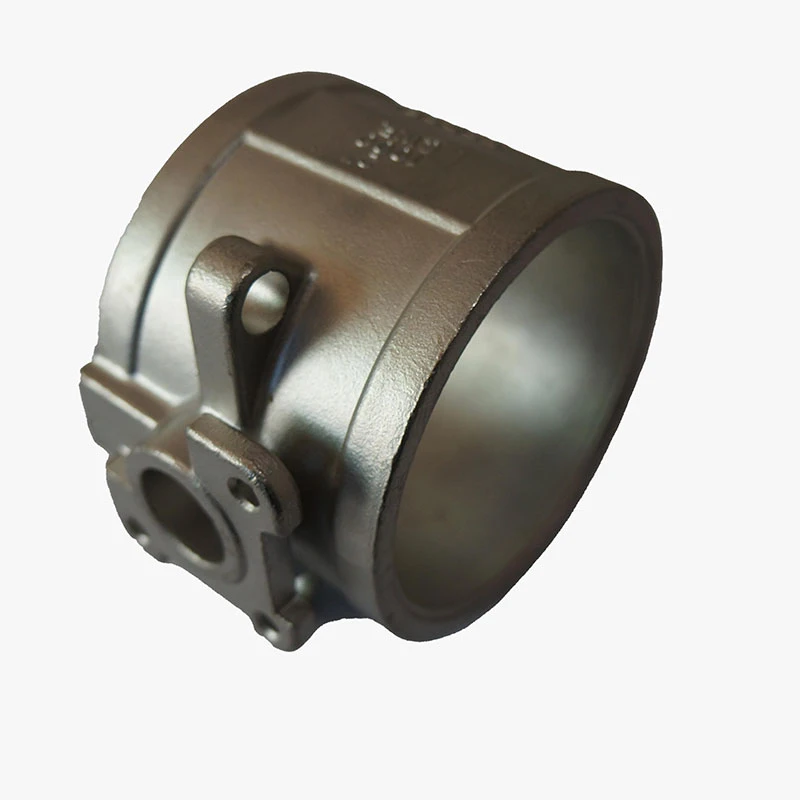
“Oem Precision Castings Bearing” generally refers to cast-and-machined bearing housings, rings for large slewing applications, and special geometries that standard catalog bearings don’t cover. Materials range from stainless to alloy/carbon steel, plus ductile and grey iron—chosen for corrosion resistance, fatigue strength, or cost, depending on the brief. Many customers say the appeal is simple: make the part to the drawing, no compromise. The Oem Bearing approach is how you get there.
Industry Snapshot
- Customization at scale: Shorter MOQs and mixed-alloy batches are the new normal.
- Traceability: Heat numbers and digital traveler records tied to QR codes—actually workable now.
- Sustainability: Higher yields via investment casting; less machining scrap and better energy intensity.
- Standards-driven: ISO 281 life predictions and ISO 492 tolerances showing up even in private specs.
Process Flow (Real Shop Version)
RFQ → DFM review → wax tooling → investment casting (lost wax) → heat treatment (Q&T or through harden) → CNC rough/finish machining → grinding/superfinishing → NDT (UT/MT/PT) → dimensional inspection → passivation/coating → packing. The Oem Bearing cycle usually sits at 3–6 weeks after tooling, though I’ve seen fast tracks under three weeks when fixtures already exist.
Key Specifications
| Product | Oem Precision Castings Bearing (Origin: China; Baoding base) |
| Materials | Stainless (e.g., 304/316/440C), Alloy (4140/4340), Carbon (1045), Ductile Iron (ASTM A536), Grey Iron (ASTM A48) |
| Size / Weight | Per drawing; ≈ OD 40–1200 mm; ≈ 0.2–120 kg (real-world use may vary) |
| Tolerances | As-cast ISO 8062-3 CT6–CT8; machined ISO 2768-m; precision rings up to ISO 492 P6 on request |
| Hardness | HRC 28–62 depending on alloy and heat treatment |
| Surface Finish | Grinding Ra 0.4–1.6 μm typical |
| Testing | UT/MT/PT; CMM 100% critical dims; salt spray ASTM B117 (SS) 72–240 h target |
| Life / Standards | L10 10,000–50,000 h (ISO 281 model); compliant to ISO 9001; automotive chains with IATF 16949 partners |
Sample batch data I saw last month: bore Cpk 1.83 at 20°C; roundness 0.008 mm; runout 0.015 mm; 58±2 HRC on 440C rings after cryo temper—surprisingly consistent for a mixed-geometry run.
Where Oem Bearing Shines
- Heavy equipment and mining (abrasion-resistant housings, ductile iron cradles)
- Wind and energy (large OD rings, corrosion-managed stainless parts)
- Food/chemicals (316/440C, passivated, easy-wash geometries)
- Agriculture and robotics (custom offsets, integrated mounting bosses)
Vendor Comparison (quick reality check)
| Criteria | Hairun Sourcing (Baoding) | Generic Trader | Local Foundry |
|---|---|---|---|
| MOQ | ≈ 30–100 pcs | Varies, often higher | Low, but inconsistent |
| Lead Time | 4–6 wks after tooling | 6–10 wks | 2–5 wks (capacity-driven) |
| Tolerance Capability | ISO 492 P6 possible | Depends on source | CT7–CT9 typical |
| NDT Coverage | UT/MT/PT as standard | On request | Limited |
| Certifications | ISO 9001; IATF partners | Varies | Local QA only |
| Engineering Support | DFM + material swaps | Email relay | Shop-floor only |
Customization, Feedback, and Two Quick Case Notes
Customization is the whole point: redesigning ribs to cut mass by ~8%, switching from 1045 to 4140 for higher fatigue strength, or moving to 316 for washdown lines. Many customers say the DFM workshop saves a week of back-and-forth, which, I guess, is the difference between hitting peak-season shipments and apologizing.
- Mining pulley housing: ductile iron A536; life +27% over previous sand-cast part; field feedback—less fretting at the seat.
- Food plant idler: 316 + passivation; ASTM B117 240 h; downtime cut one shift/month, per maintenance logs.
To be honest, the Oem Bearing route isn’t always cheapest upfront—but when tolerances, coatings, and documented life come into play, total cost trends in your favor.
Standards and References
- ISO 281: Rolling bearings — Dynamic load ratings and rating life
- ISO 492: Rolling bearings — Radial bearings — Tolerances
- ISO 8062-3: Geometrical tolerancing for castings
- ASTM B117: Standard Practice for Operating Salt Spray (Fog) Apparatus
- ISO 9001 / IATF 16949: Quality management systems for manufacturing
-
Guide to Anodizing Die Cast Aluminum for Industrial ExcellenceNewsApr.16,2026
-
High Quality Precision Aluminum Die Casting Components GuideNewsApr.09,2026
-
Comprehensive Guide to High Quality Aluminium Pressure Die Casting ProductsNewsApr.07,2026
-
Comprehensive Guide to Aluminium Pressure Die Casting Components and SolutionsNewsApr.04,2026
-
Comprehensive Guide to Aluminium HPDC Casting for Global SourcingNewsMar.31,2026
-
Comprehensive Guide to Precision Aluminium Die Castings and Manufacturing SolutionsNewsMar.28,2026