


Low Pressure Die Casting Insights from Industrial Experts
Low Pressure Die Casting: What I’ve Learned Working in Industrial Equipment
Oddly enough, after more than a decade in the industrial equipment sector, low pressure die casting never gets old. It’s one of those “quiet workhorses” of manufacturing you might not notice unless you're in the trenches—or the foundry, as I often was. Frankly, the process offers a neat twist on traditional casting methods and remains quite relevant despite the rise of newer techniques.
So, what exactly is low pressure die casting? In real terms, it’s a process where molten metal is pushed into a mold by applying low gas pressure—usually nitrogen or air—underneath the molten bath. This gradually fills the cavity from the bottom up, which minimizes turbulence and defects, delivering stronger, denser parts. I suppose it’s that controlled flow that gets engineers excited because the resulting components have fewer porosities and better mechanical properties.
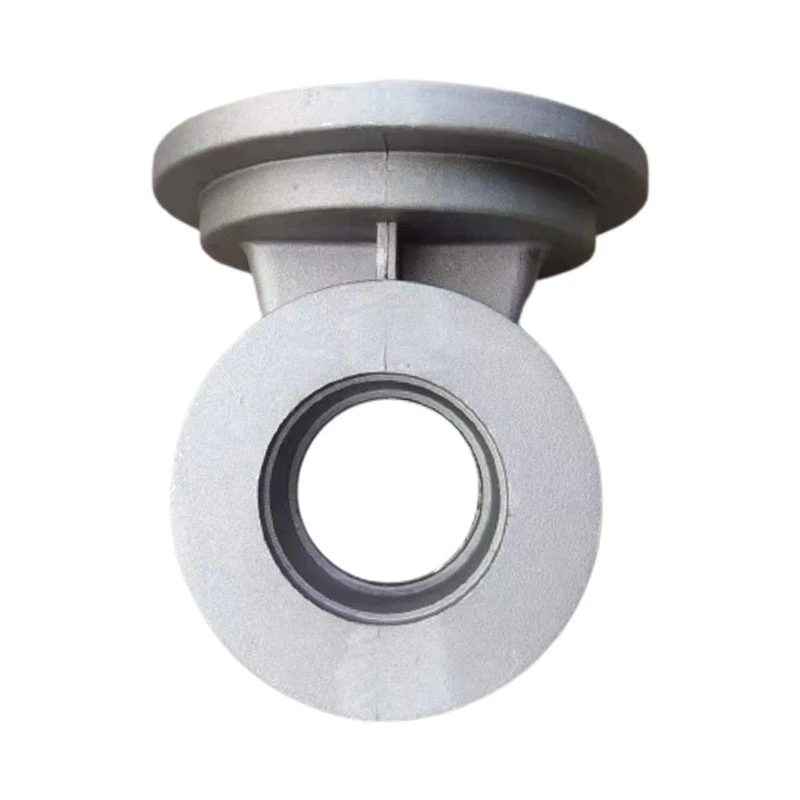
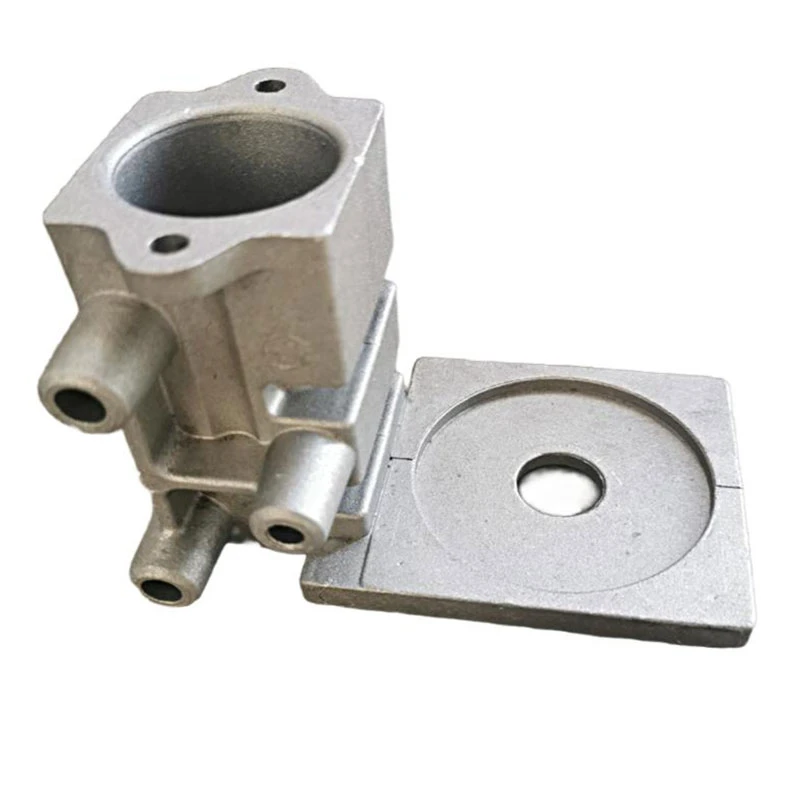
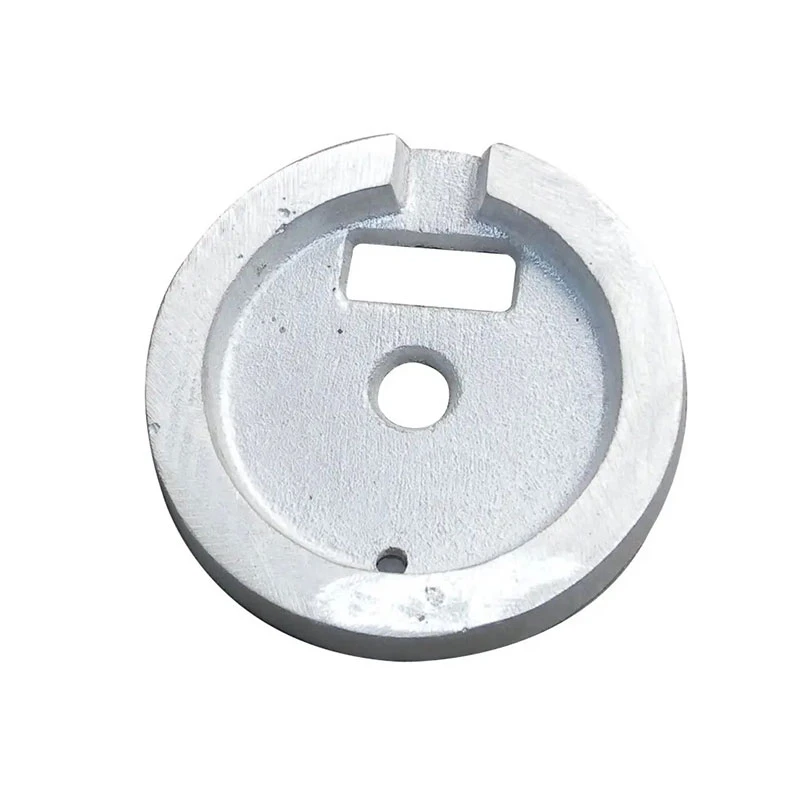
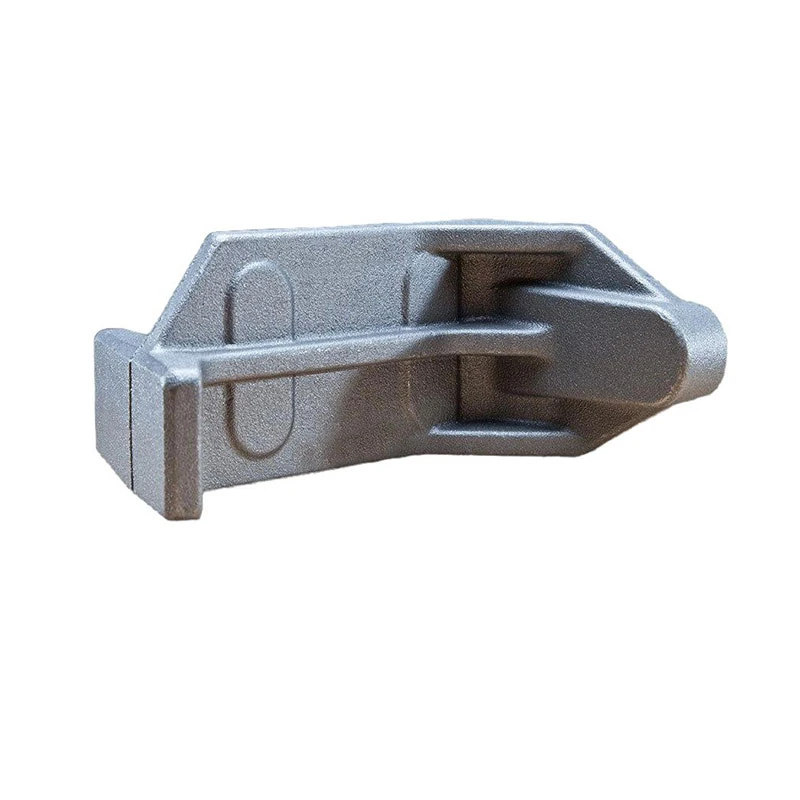
In my years, I noticed that the industrial gears, automotive parts, and even some aerospace components manufactured this way have that characteristic quality you can’t fake. It’s almost like the process “respects” the metal, so to speak. The aluminum alloys especially respond well — they’re lightweight but tough, which is exactly what many applications need.
Product Specifications: Typical Low Pressure Die Casting Setup
| Specification | Details |
|---|---|
| Casting Pressure | 0.1 – 0.5 bar (1.5 – 7.25 psi) |
| Typical Metals | Aluminum, Magnesium, Zinc alloys |
| Max Casting Weight | Up to 15 kg (33 lbs) |
| Typical Wall Thickness | 2 – 10 mm |
| Cycle Time | 1 – 3 minutes |
| Typical Mold Material | Heat treated steel |
Now, one thing that’s been on my mind lately is how the industry is evolving to accommodate environmental concerns. Low pressure die casting is surprisingly greener than gravity casting because it reduces scrap rates and energy consumption—something many of my colleagues appreciate. There’s less waste, and since the process is mostly automated, consistency improves over manual pouring methods.
I also find it interesting how customization plays a role here. Many customers want relatively small batch sizes with tight tolerances. Low pressure die casting fits perfectly—you can tweak pressure and temperature settings to optimize for different alloys or product complexities without massive setup costs involved in high-pressure die casting.
Vendor Comparison: Leading Low Pressure Die Casting Providers
| Vendor | Range of Materials | Max Part Size | Customization | Typical Lead Time |
|---|---|---|---|---|
| Alpha Castings | Aluminum, Zinc | 12 kg | Moderate | 4 weeks |
| Beta Foundry | Aluminum, Magnesium | 15 kg | High | 3 weeks |
| Gamma Metals | Aluminum, Zinc, Magnesium | 10 kg | Moderate | 5 weeks |
One anecdote from a project that sticks in my memory: We had a customer who needed a complex housing for an electric motor. They had tried sand casting but faced issues with porosity and warping. Low pressure die casting solved that—less turbulence meant sharper detail and no pesky defects. The part came out lighter but also more robust. That project really convinced me how much engineering and practical knowledge goes into selecting the right casting technique.
To wrap this up, I’d say low pressure die casting might not always grab headlines, but it’s an industrial staple you just can’t ignore, especially if you care about quality and cost in moderate runs. For anyone searching for reliable, reputable foundries, low pressure die casting providers are a solid bet.
Takeaway: In this business, it’s often the process behind the scenes—like low pressure die casting—that quietly drives engineering success and product reliability.
- Totten, George E., and Kenneth N. Han, “Manufacturing Processes & Materials.” 5th Ed., 2008.
- “Low Pressure Die Casting,” The Aluminum Association, 2022.
- “Casting Defects and Solutions,” Foundry Management Journal, 2021.
-
Comprehensive Guide to Automotive Die Casting for Enhanced Vehicle PerformanceNewsJan.27,2026
-
Comprehensive Guide to Aluminum Pressure Die Casting Manufacturing ProcessesNewsJan.27,2026
-
Hot Chamber Die Casting vs Cold Chamber Die Casting ExplainedNewsJan.06,2026
-
Hot Chamber And Cold Chamber Die Casting Solutions for Industrial Applications | Hairun SourcingNewsJan.06,2026
-
Hot and Cold Chamber Die Casting: Key Insights from Industry ExpertsNewsJan.06,2026
-
Comprehensive Guide on Graphite Die Casting for B2B Manufacturing | HairunSourcingNewsJan.05,2026