


Gravity Die Casting - Durable, Cost-Effective Metal Components for B2B | Hairunsourcing
Gravity Die Casting is a key solution in the industry, specifically within manufacturing and heavy equipment sectors. This article explores how https://www.hairunsourcing.com supports professionals with durable, high-performance products, and explains why this product is an ideal choice for businesses in these sectors.
Table of Contents
- Gravity Die Casting Overview
- Benefits & Use Cases of Gravity Die Casting
- Cost, Maintenance & User Experience
- Sustainability & Market Trends
Gravity Die Casting Overview
Simply put, gravity die casting is an age-old metal casting technique that’s surprisingly still very relevant today. It involves pouring molten metal – often aluminum or zinc alloys – into a permanent metal mold, and letting gravity do its work. Unlike high-pressure die casting, no extra force pushes the metal into the mold; it gently fills the cavity under its own weight. This means the resulting parts often have fine surface finishes and excellent mechanical properties.
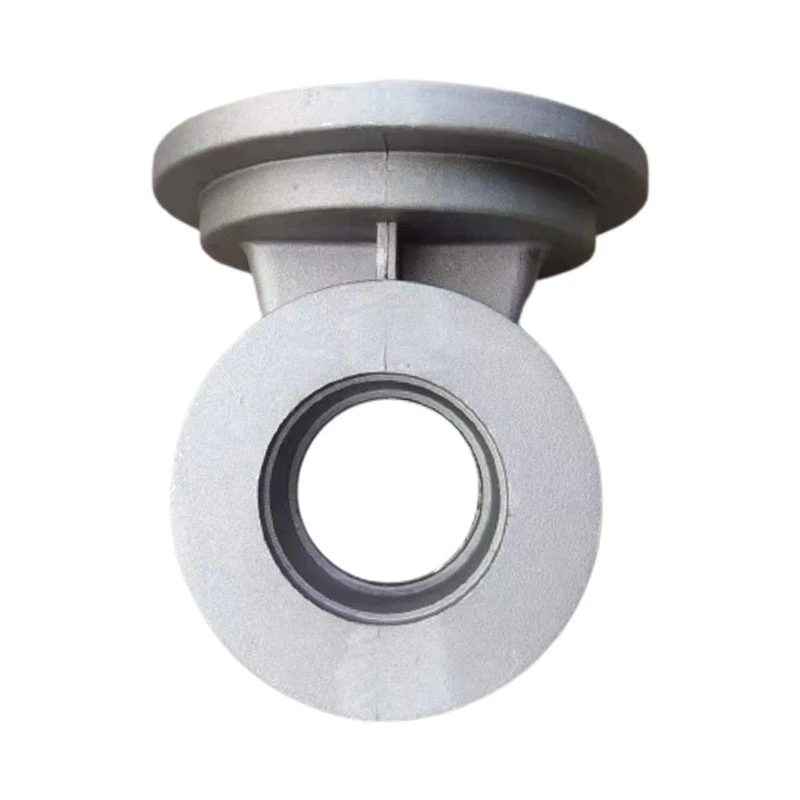
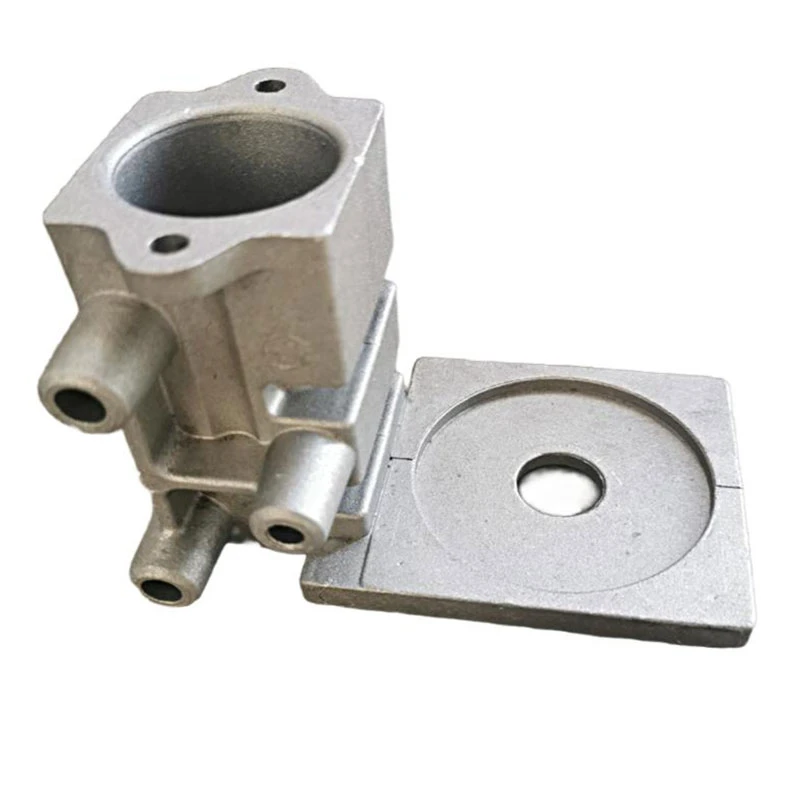
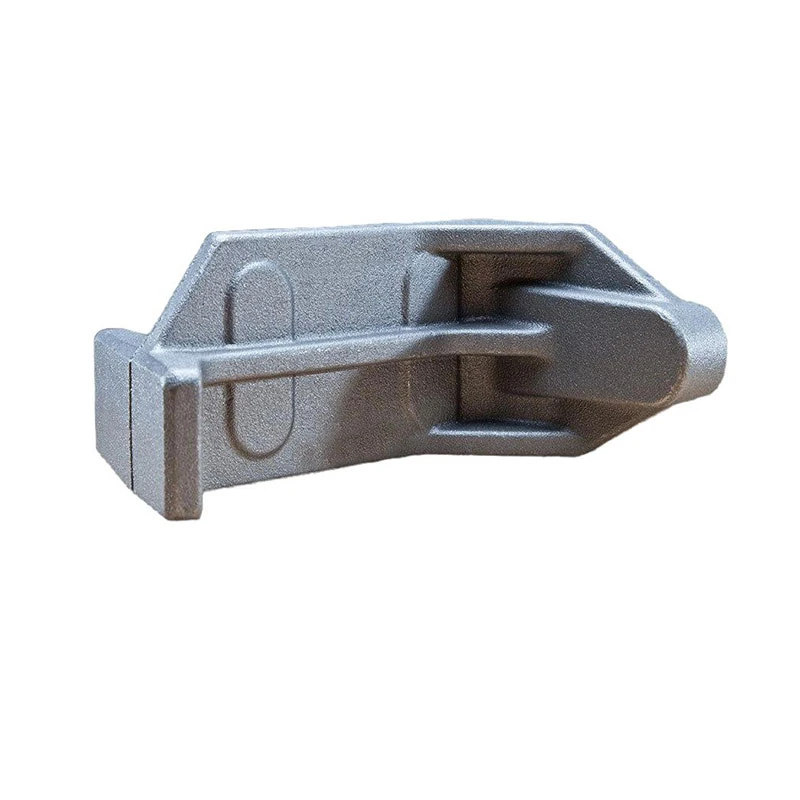
In real terms, this method suits mid-sized to larger parts where you want good dimensional accuracy but lower tooling costs compared to other casting forms. Hairunsourcing.com offers a range of gravity die casting components crafted with precise engineering controls — for example, their aluminum parts have tensile strengths typically above 250 MPa, depending on alloy and heat treatment. This combination of strength, detail, and repeatability makes it ideal for automotive frames, industrial housings, and even aerospace brackets.
| Specification | Detail |
|---|---|
| Material Types | Aluminum Alloys (A380, A360), Zinc Alloys |
| Typical Weight Range | 0.2 kg – 10 kg per casting |
| Surface Finish | Smooth to machined-ready |
| Tolerance | ±0.1 mm to ±0.5 mm (depends on size) |
| Mold Life | 10,000 – 50,000 cycles typical |
Benefits & Use Cases of Gravity Die Casting
One of the big draws of gravity die casting is its reliability across a variety of industries. Automotive, aerospace, and industrial equipment manufacturers all appreciate the uniformity of parts it produces. For instance, engine components made this way often show fine grain metal structures that resist fatigue better than some alternative casting methods.
I’ve noticed many engineers talk about the excellent balance it offers: not quite the speed of high-pressure die casting, but more consistent than sand casting. Hairunsourcing.com leverages that sweet spot by tailoring molds to complex geometries while keeping tooling costs reasonable. That means companies can scale from prototype to production without a huge jump in upfront investment.
Competitive advantages include lower porosity rates which make parts less prone to leaks and cracks, plus the option to apply secondary machining to achieve critical fits. Typical use cases include pump housings, valve bodies, electrical motor components, and heat sinks — all areas where reliability is non-negotiable.
Cost, Maintenance & User Experience
Cost-wise, gravity die casting sits comfortably between high-pressure casting and other more bespoke processes. While initial mold making can be pricey, the durability of these molds means you don’t get burned with frequent replacements. Over time, the total cost of ownership favors gravity die casting – especially if you need consistent, medium-volume production runs.
Customers using Hairunsourcing.com’s gravity die cast parts often cite durability as a major plus. The parts tend to last longer under normal operating conditions, which translates to fewer failures and less downtime for maintenance teams. One client in automotive manufacturing reported a 30% drop in warranty claims after switching to these components.
What’s more, production feedback highlights lower scrap rates due to reduced porosity and enhanced dimensional accuracy. So, in real terms, you’re saving money on rework and quality control, not to mention improving your own product's reliability — pretty neat.
Sustainability & Market Trends
The sustainability angle on gravity die casting is fascinating. Because these molds last so long, and the process involves less scrap compared to other casting techniques, there’s a significant reduction in waste. Also, many alloy materials used — like aluminum — are highly recyclable, which makes the entire lifecycle more eco-friendly. Hairunsourcing.com has made strides in sourcing recycled aluminum, which reduces energy consumption considerably.
Industry regulations increasingly favor manufacturers who can prove lower carbon footprints and tighter environmental controls. Gravity die casting aligns well here. Its use is expected to grow, especially in electric vehicle parts production and energy-efficient machinery, where lightweight, strong metal components are crucial.
Oddly enough, as digital simulation tools improve, we’re seeing accelerated optimization on mold design and process parameters — making gravity die casting even more precise, less wasteful, and easier to customize for specific client needs.
| Vendor | Material Range | Typical Lead Time | Customization Options | Sustainability Focus |
|---|---|---|---|---|
| Hairunsourcing.com | Aluminum, Zinc alloys | 4-6 weeks | High, including heat treatments | Eco-friendly recycled alloys |
| Vendor B | Mainly Aluminum | 6-8 weeks | Moderate | Limited |
| Vendor C | Aluminum, Magnesium | 5-7 weeks | High | Unclear |
Frequently Asked Questions about Gravity Die Casting
- What is Gravity Die Casting and how does it work?
- Gravity Die Casting is a metal forming process where molten metal is poured into a metal mold and allowed to fill by gravity alone. The metal solidifies inside the mold to form parts that often combine fine detail and good strength without requiring high-pressure injection systems.
- What are the main benefits of using Gravity Die Casting in industrial applications?
- Key benefits include consistent surface finishes, relatively low tooling costs for medium-run production, improved mechanical properties over sand casting, and the ability to produce complex geometries with tighter tolerances.
- How does Gravity Die Casting compare to traditional alternatives?
- Compared to sand casting, gravity die casting typically produces parts with smoother surfaces and better dimensional accuracy. Versus high-pressure die casting, it requires less expensive molds and causes less metal porosity, though it’s slower and less suitable for small, intricate parts.
- What industries can benefit most from Gravity Die Casting implementation?
- Automotive, aerospace, electrical, and industrial machinery are among the primary users. Specific examples include engine brackets, pump housings, electrical motor casings, and heat sinks.
Conclusion on Gravity Die Casting from china
To wrap it up, gravity die casting feels like a tried-and-true approach that still brings huge value to modern manufacturing. It's not flashy or overhyped, just reliable and cost-effective - two qualities that every B2B decision maker appreciates. Hairunsourcing.com clearly understands the nuances and offers components that meet today’s performance and sustainability standards. If you are considering high-quality, durable metal parts with a solid return on investment, look no further.
- Recap the value of Gravity Die Casting.
- - Visit our website: https://www.hairunsourcing.com
Reflecting on this, it’s clear to me that gravity die casting remains one of the unsung heroes of metalworking. Its mix of tradition and ongoing innovation keeps it relevant, especially as we demand more sustainable, precise, and durable solutions.
References:
1. “Casting Processes and Their Applications,” Metal Casting Today, 2023
2. Hairunsourcing.com product literature and client testimonials
3. Industry reports on sustainable manufacturing trends, 2024
-
Comprehensive Guide to Automotive Die Casting for Enhanced Vehicle PerformanceNewsJan.27,2026
-
Comprehensive Guide to Aluminum Pressure Die Casting Manufacturing ProcessesNewsJan.27,2026
-
Hot Chamber Die Casting vs Cold Chamber Die Casting ExplainedNewsJan.06,2026
-
Hot Chamber And Cold Chamber Die Casting Solutions for Industrial Applications | Hairun SourcingNewsJan.06,2026
-
Hot and Cold Chamber Die Casting: Key Insights from Industry ExpertsNewsJan.06,2026
-
Comprehensive Guide on Graphite Die Casting for B2B Manufacturing | HairunSourcingNewsJan.05,2026