


Gravity Casting Basics and Best Practices for Industrial Equipment
Gravity Casting: The Old-School Method Still Driving Modern Manufacturing
Having spent a good chunk of my career around industrial equipment plants and foundries, I can say gravity casting holds a special place in manufacturing. It’s one of those tried-and-true techniques that—despite the rise of fancy automation and rapid prototyping—keeps delivering consistent results, especially when you want reliable metal components without blowing the budget on complexity.
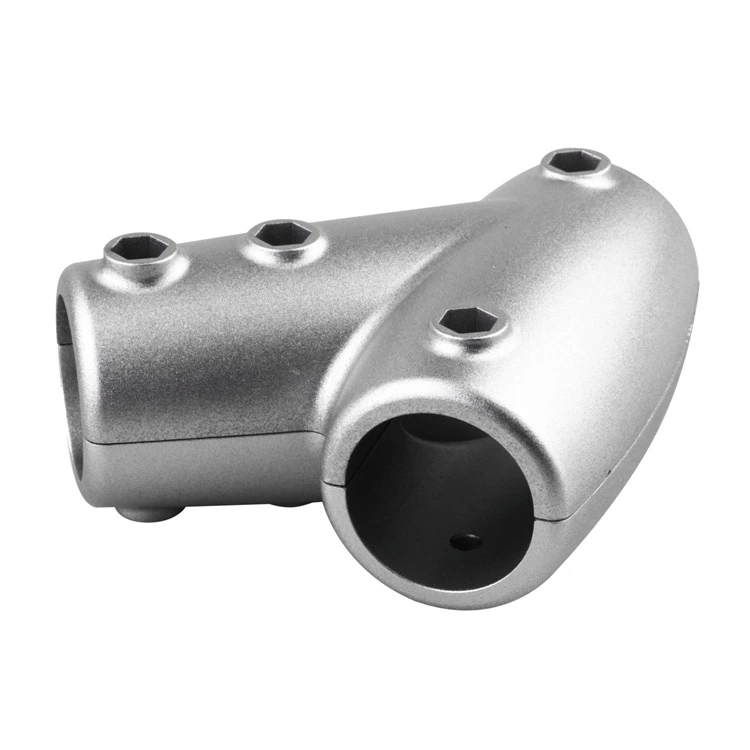
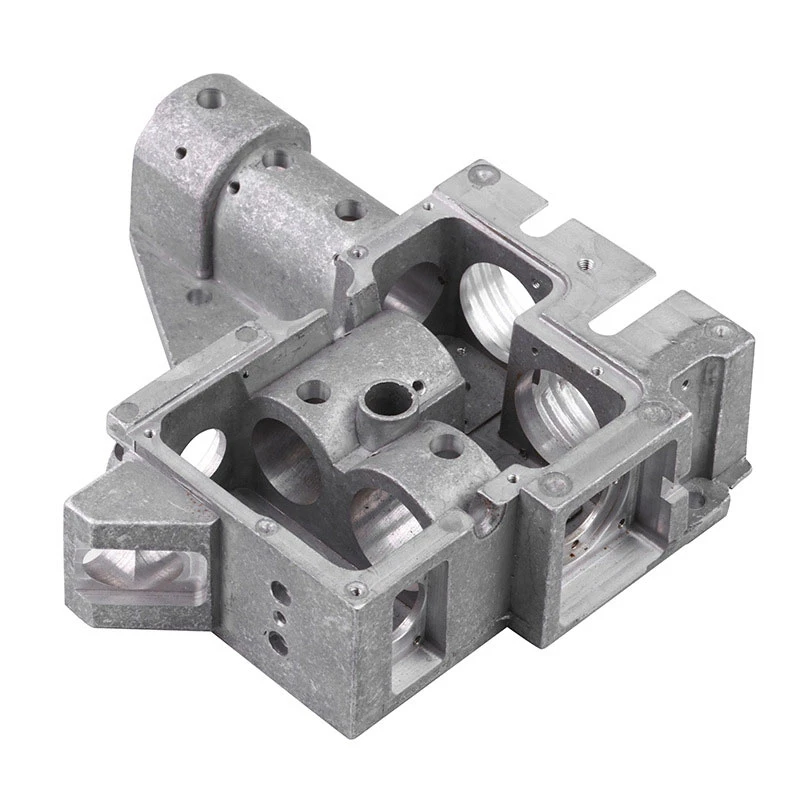
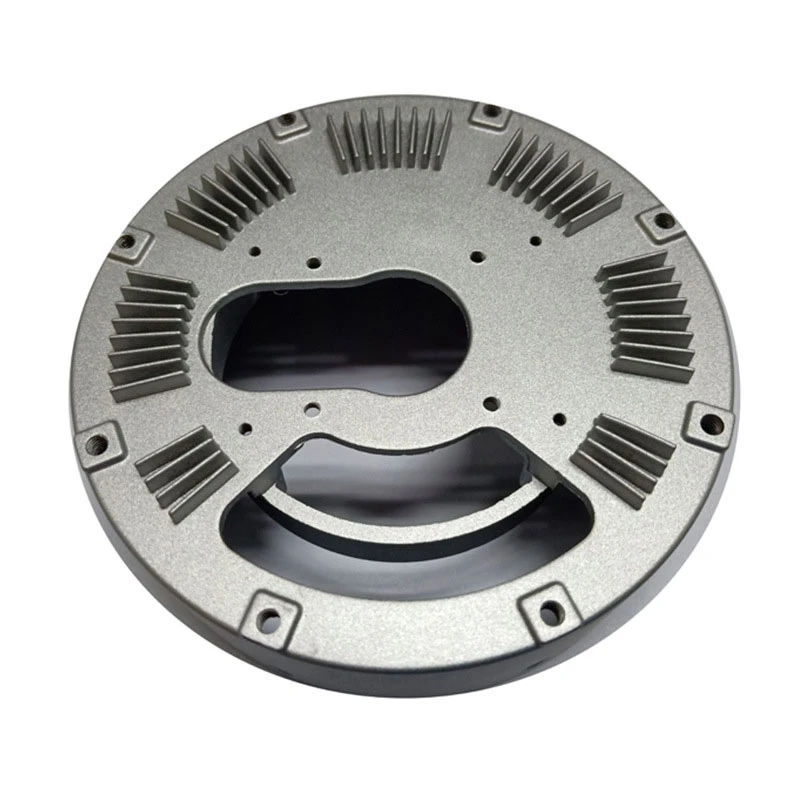
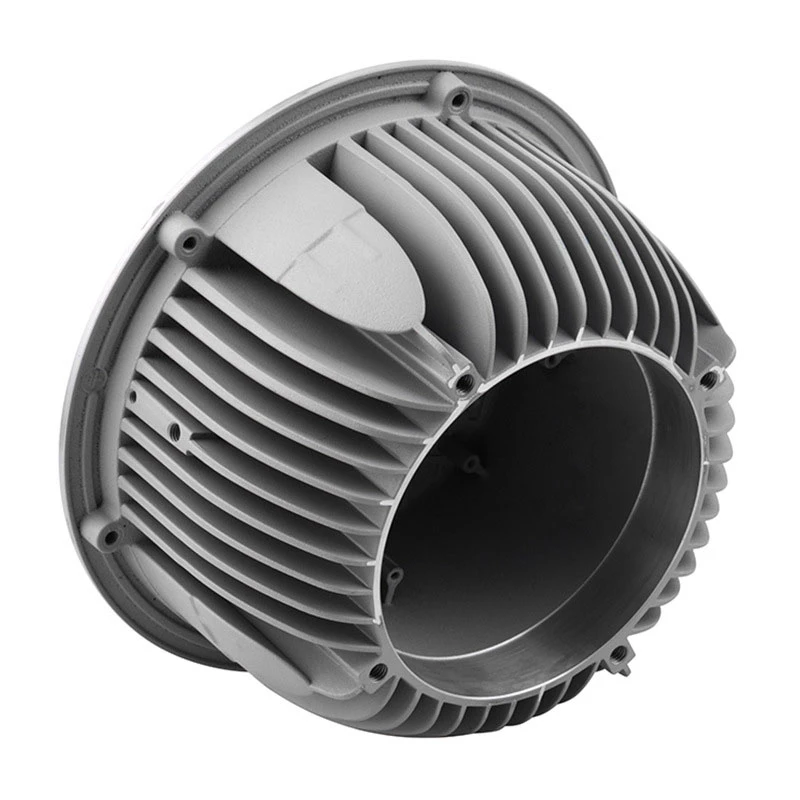
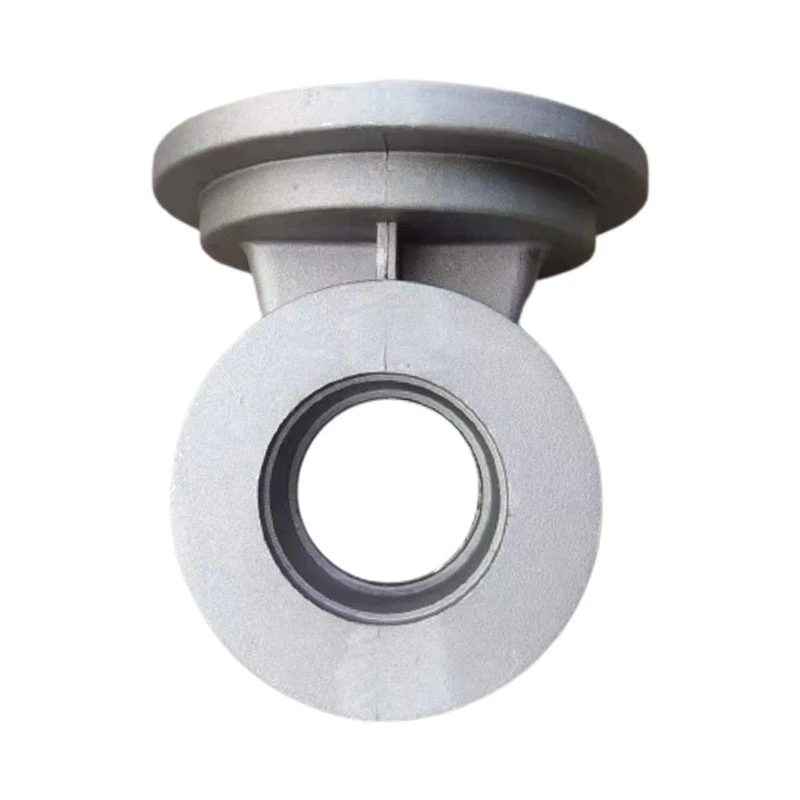
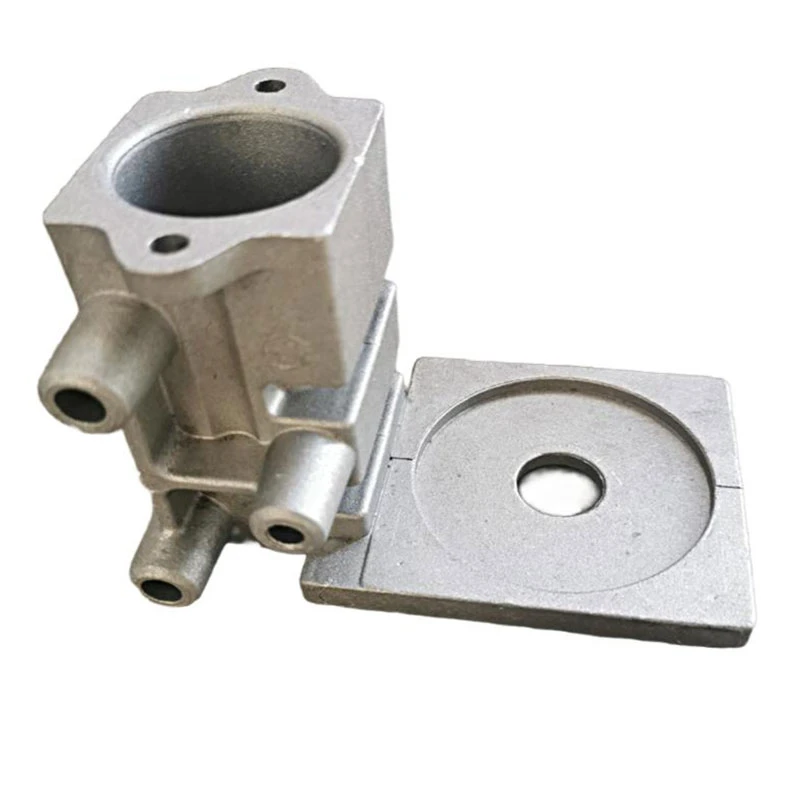
So, what exactly is gravity casting? At its core, it’s a process where molten metal is literally poured into a mold and fills it out under the force of gravity alone. No pumps, no pressure, just gravity doing its job. This simplicity makes it highly adaptable for a wide range of alloys and casting sizes, ideal for everything from automotive parts to industrial valves.
Oddly enough, despite being an “old school” method dating back centuries, gravity casting’s biggest charm is its predictability. Unlike pressure or die casting—which can sometimes result in defects due to fast injection—gravity casting cools at a more controlled pace. This often leads to fewer internal stresses or porosity, making components tougher under operational strain. In real terms, many engineers swear by it for functional parts where reliability is key.
Material Choices and Design Nuances
Depending on the product, common materials used include aluminum, bronze, and cast iron. Aluminum, for instance, is popular because it’s lightweight and resists corrosion—but it can be a bit tricky if your molds don't allow the metal to flow smoothly. That’s why mold design matters a lot; it’s not just a cavity but how the metal fills that cavity. The venting, the gating system, the risers—they all help manage how the molten metal behaves, affecting the final product's quality.
From my experience, specifying the right alloy and mold prep can make or break a run. One time I visited a facility where they faced repeated shrinkage problems until they tweaked the cooling time and added ceramic filters—small changes but huge impact. It’s fascinating how these small adjustments can improve yield without dramatically increasing cost.
| Specification | Details |
|---|---|
| Common Alloys | Aluminum, Bronze, Cast Iron |
| Typical Casting Weight | 0.5 to 50 kg |
| Surface Finish | Rough to Fine (depending on mold quality) |
| Dimensional Tolerance | ±0.5 mm to ±1.5 mm |
| Cooling Time | Minutes to Hours (based on casting size) |
Choosing the Right Supplier: A Quick Comparison
Now, if you’re diving into gravity casting for production, picking a good vendor can be a real differentiator. Not all foundries are created equal, and their approach to quality, technology use, and lead times can vary widely. Here’s a snapshot comparison of three suppliers I’ve seen in the field:
| Feature | Foundry A | Foundry B | Foundry C |
|---|---|---|---|
| Casting Volume | Small to Medium | Large Scale | Custom Prototyping |
| Lead Time | 2–4 weeks | 4–6 weeks | 1–3 weeks |
| Quality Control | Standard inspection & X-ray | Advanced NDT and hardness testing | Manual & digital inspection |
| Customization Options | Limited | Extensive alloy choices | Prototype-friendly |
| Typical Customers | Local machine shops | Automotive & heavy machinery | Startups & design firms |
In fact, one client of mine once switched from a large-volume supplier to a smaller, more nimble foundry that specialized in gravity casting prototypes. They reported faster turnaround and fewer late-stage defects, which frankly saved both time and money. So it’s worth thinking not just about specs but your manufacturing goals.
To wrap it up, if you’re in the market for metal components that balance cost-efficiency with structural soundness, gravity casting is often a wise choice. It feels like a simple process, sure—but the experience shows there’s a lot of nuance behind that “pour and chill” routine. For anyone curious, hairunsourcing.com offers solid options and insights on reliable suppliers and casting expertise.
So next time you consider a manufacturing method, remember this old friend—gravity casting might just be the steady workhorse your project needs.
References:
1. A. Bray, "Casting Methods for Industrial Applications", Foundry Tech Journal, 2021.
2. S. Chen et al., "Material Science Insights in Gravity Casting", Metallurgy Today, 2022.
3. Industry conversations with engineers at leading foundries (2023).
-
Comprehensive Guide to Automotive Die Casting for Enhanced Vehicle PerformanceNewsJan.27,2026
-
Comprehensive Guide to Aluminum Pressure Die Casting Manufacturing ProcessesNewsJan.27,2026
-
Hot Chamber Die Casting vs Cold Chamber Die Casting ExplainedNewsJan.06,2026
-
Hot Chamber And Cold Chamber Die Casting Solutions for Industrial Applications | Hairun SourcingNewsJan.06,2026
-
Hot and Cold Chamber Die Casting: Key Insights from Industry ExpertsNewsJan.06,2026
-
Comprehensive Guide on Graphite Die Casting for B2B Manufacturing | HairunSourcingNewsJan.05,2026