


High Pressure Casting Solutions for Industrial Excellence | Hairun Sourcing
High Pressure Casting is a key solution in the industry, specifically within manufacturing sectors that demand precision, durability, and efficiency. This article explores how https://www.hairunsourcing.com supports professionals with durable, high-performance products, and explains why this product is an ideal choice for businesses in these sectors.
Table of Contents
- High Pressure Casting Overview
- Benefits & Use Cases of High Pressure Casting
- Cost, Maintenance & User Experience
- Sustainability & Market Trends
High Pressure Casting Overview
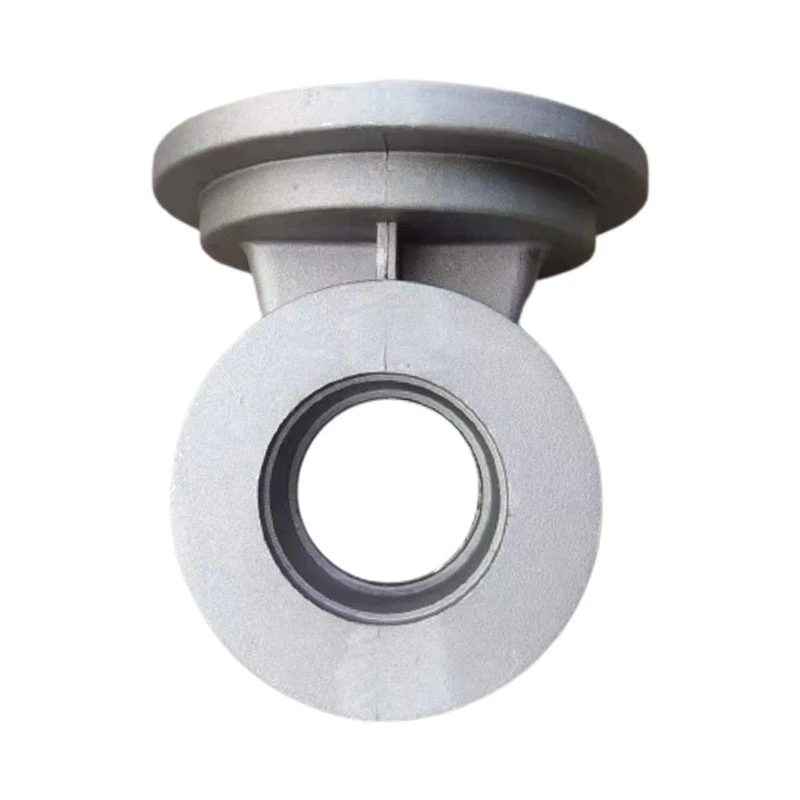
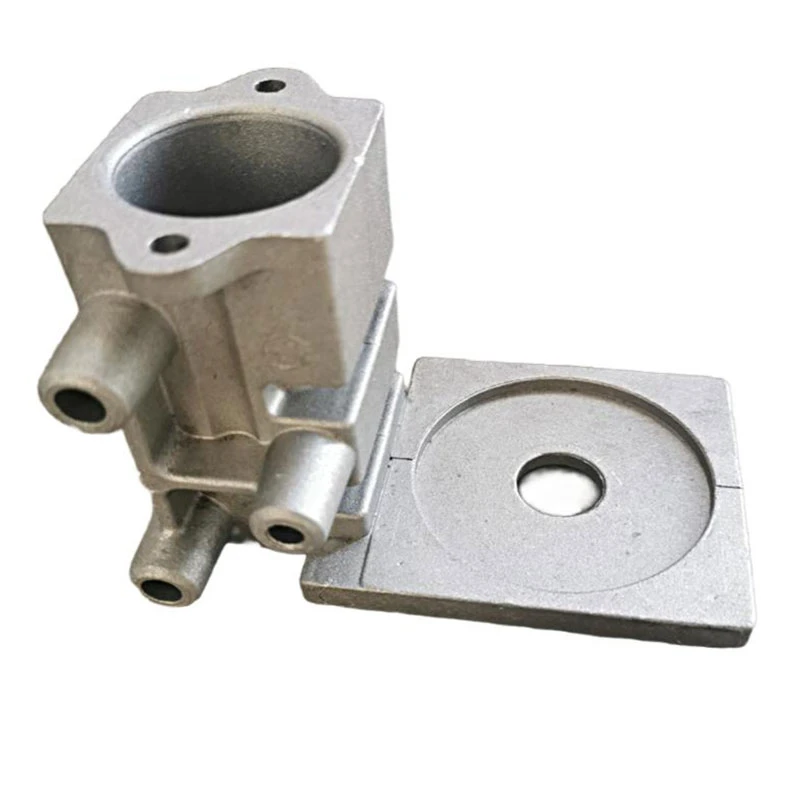
Simply put, high pressure casting is a manufacturing process that uses high-pressure injection of molten metal into precision molds. The result? Components that have excellent strength, minimal porosity, and remarkable dimensional accuracy. It’s been a go-to in automotive, aerospace, and electronics industries where quality and repeatability can’t be compromised.
Technically, this method uses pressures from several hundred to thousands of bars, pushing metal quickly into steel molds often pre-heated for optimal flow. The speed and pressure mean you get a fine surface finish and microstructures that help materials resist wear and fatigue. For example, an aluminum wheel hub produced this way typically shows a 20% improvement in tensile strength compared to sand casting alternatives — quite the leap.
| Specification | Typical Value/Range |
|---|---|
| Injection Pressure | 500 - 3,000 bar |
| Common Materials | Aluminum, Magnesium, Zinc alloys |
| Mold Material | Tool steel with heat treatment |
| Typical Cycle Time | 30 - 90 seconds |
| Average Dimensional Tolerance | ±0.1 mm |
Benefits & Use Cases of High Pressure Casting
In various industries, the appeal of high pressure casting is quite straightforward: speed, precision, and superior mechanical properties. Engineers often mention how this technique reduces post-processing needs—less machining, fewer defects—meaning products reach the assembly line faster. It’s kind of the Swiss Army knife of metal forming.
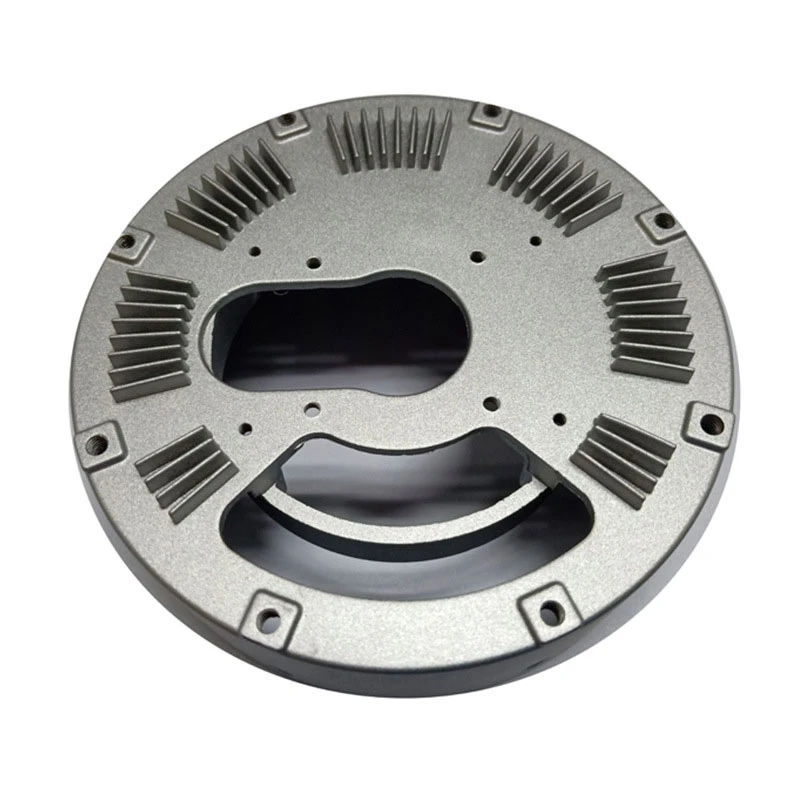
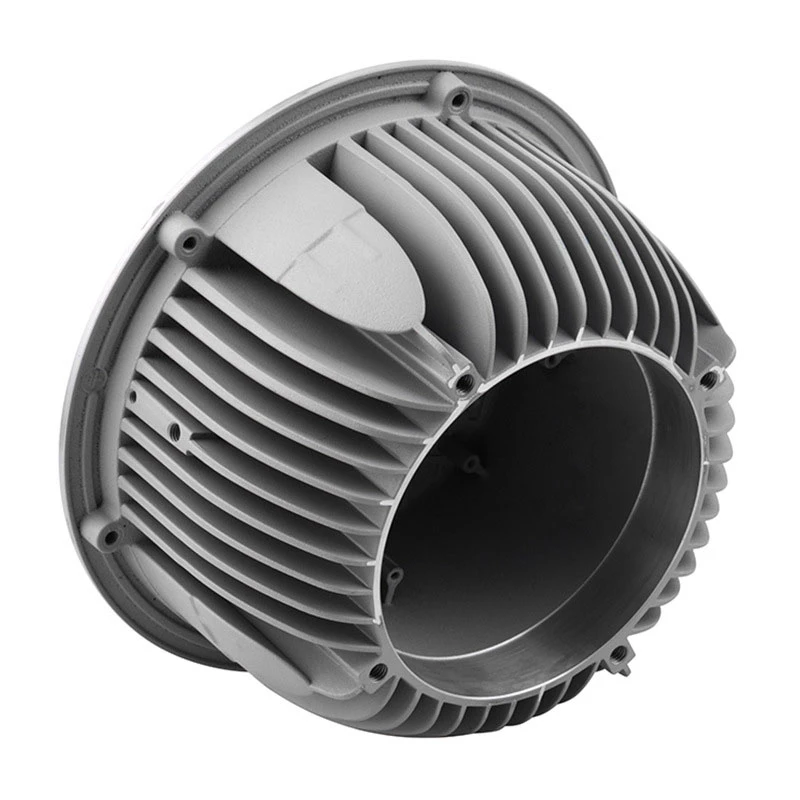
Take the automotive sector, for example. Engine blocks, transmission housings, and structural frames made via high pressure casting deliver lightweight strength that helps manufacturers meet fuel efficiency targets without sacrificing safety. Electronics firms, on the other hand, appreciate how this casting method enables complex heat sinks and housings with tight tolerances, crucial for thermal management in devices.
- Reduced cycle times increase throughput.
- High dimensional accuracy lowers scrap rates.
- Superior mechanical strength and surface finish.
- Supports complex geometries impossible with other methods.
Cost, Maintenance & User Experience
Oddly enough, while the initial setup costs for high pressure casting can feel steep—thanks to tooling and machinery investment—the total cost of ownership often ends up lower in real terms. Why? Durability of molds, faster production rates, and reduced material waste all add up to a stronger ROI over time. Many business decision-makers I spoke with noted that this method’s reliability drastically reduces downtime, which frankly is priceless.
Maintenance isn’t a nightmare either. Regular mold inspections and scheduled lubricant applications keep equipment running smoothly. Customer feedback from sectors like aerospace highlights how fast turnaround times and consistent quality were game-changers for meeting tight production windows. Plus, suppliers such as Hairun incorporate customized tooling solutions that help clients maximize uptime.
Vendor Comparison
| Vendor | Material Range | Typical Lead Time | Customization Level | Price Range |
|---|---|---|---|---|
| Hairun Sourcing | Aluminum, Magnesium, Zinc | 4-8 weeks | High (custom tooling & processing) | Mid-range |
| Competitor A | Aluminum only | 6-10 weeks | Medium | Higher |
| Competitor B | Zinc only | 3-7 weeks | Low | Lower |
Sustainability & Market Trends
Sustainability has become more than just a buzzword in manufacturing — it’s an imperative. High pressure casting fits well here since its efficient material usage and reusability of scraps reduce waste significantly compared to traditional sand casting. Plus, the ability to produce thinner yet stronger components contributes to lighter vehicles and devices, thereby lowering emissions downstream.
Industry regulations continue to push for environmental responsibility, and manufacturers adopting high pressure casting have an edge. It’s interesting to note that market analysts foresee a steady growth trajectory for this sector, driven by ongoing innovation in alloys and mold technology. Companies investing now in these capabilities are positioning themselves for future gains — you might say it’s a smart, forward-thinking move.
Frequently Asked Questions about High Pressure Casting
- What is High Pressure Casting and how does it work?
- It’s a metal forming process where molten metal is injected into a mold at very high pressures, filling intricate cavities quickly and solidifying to create parts with minimal porosity and excellent detail.
- What are the main benefits of using High Pressure Casting in industrial applications?
- Key advantages include superior mechanical properties, fast cycle times, tight dimensional tolerances, and reduced waste, leading to enhanced production efficiency and product quality.
- How does High Pressure Casting compare to traditional alternatives?
- Compared to sand or low-pressure casting, high pressure casting offers better surface finishes, higher strength, less machining, and shorter lead times, although it may require higher upfront investment.
- What industries can benefit most from High Pressure Casting implementation?
- Automotive, aerospace, electronics, and consumer goods sectors see great benefits, especially when large volumes of complex or safety-critical components are needed.
Conclusion on High Pressure Casting from China
In sum, High Pressure Casting stands out as a robust manufacturing technique that balances quality, cost efficiency, and scalability. For companies looking to future-proof their supply chains with reliable, well-engineered components, partnering with providers like Hairun Sourcing offers a blend of expertise and adaptability that’s hard to match.
- It’s worth exploring how high pressure casting can integrate into your production processes.
- Visit our website: https://www.hairunsourcing.com
Reflecting on this, it’s clear that the industry’s evolution relies not just on technology, but on choosing smart partners who understand the nuances of high-pressure casting — companies that bring real hands-on experience and a commitment to quality from start to finish.
References:
1. Modern Metalcasting Processes, ASM International, 2022.
2. Industry Reports on High Pressure Die Casting Market Growth, 2023.
3. Customer Feedback and Case Studies, Hairun Sourcing, 2024.
-
Comprehensive Guide to Automotive Die Casting for Enhanced Vehicle PerformanceNewsJan.27,2026
-
Comprehensive Guide to Aluminum Pressure Die Casting Manufacturing ProcessesNewsJan.27,2026
-
Hot Chamber Die Casting vs Cold Chamber Die Casting ExplainedNewsJan.06,2026
-
Hot Chamber And Cold Chamber Die Casting Solutions for Industrial Applications | Hairun SourcingNewsJan.06,2026
-
Hot and Cold Chamber Die Casting: Key Insights from Industry ExpertsNewsJan.06,2026
-
Comprehensive Guide on Graphite Die Casting for B2B Manufacturing | HairunSourcingNewsJan.05,2026