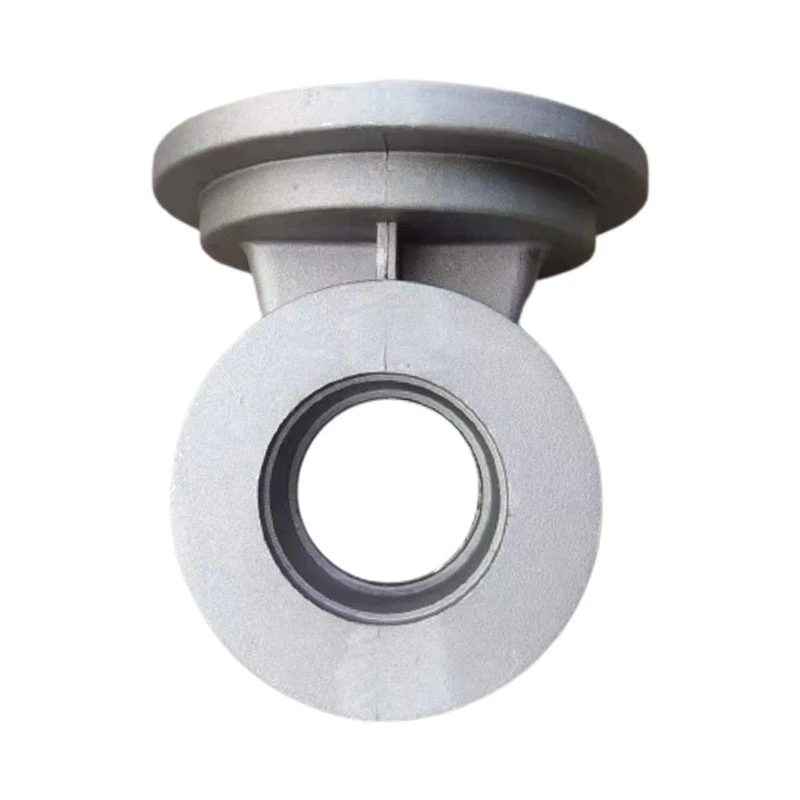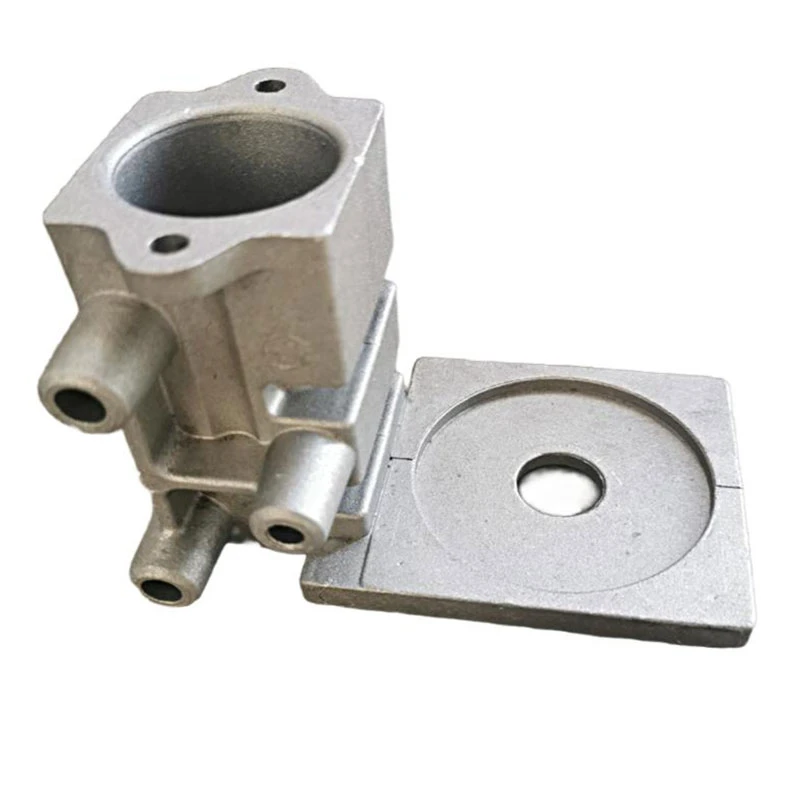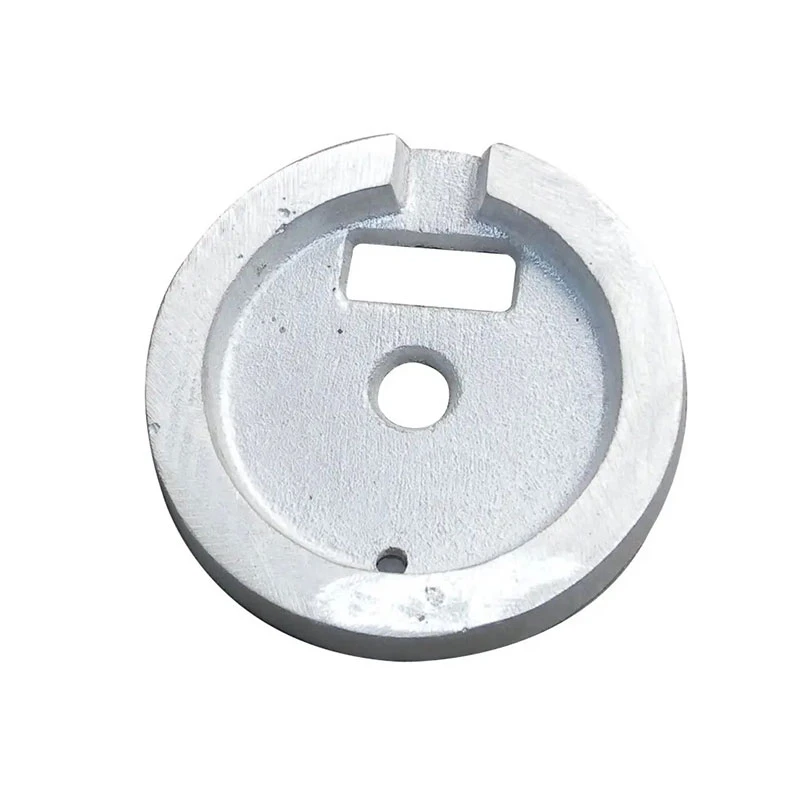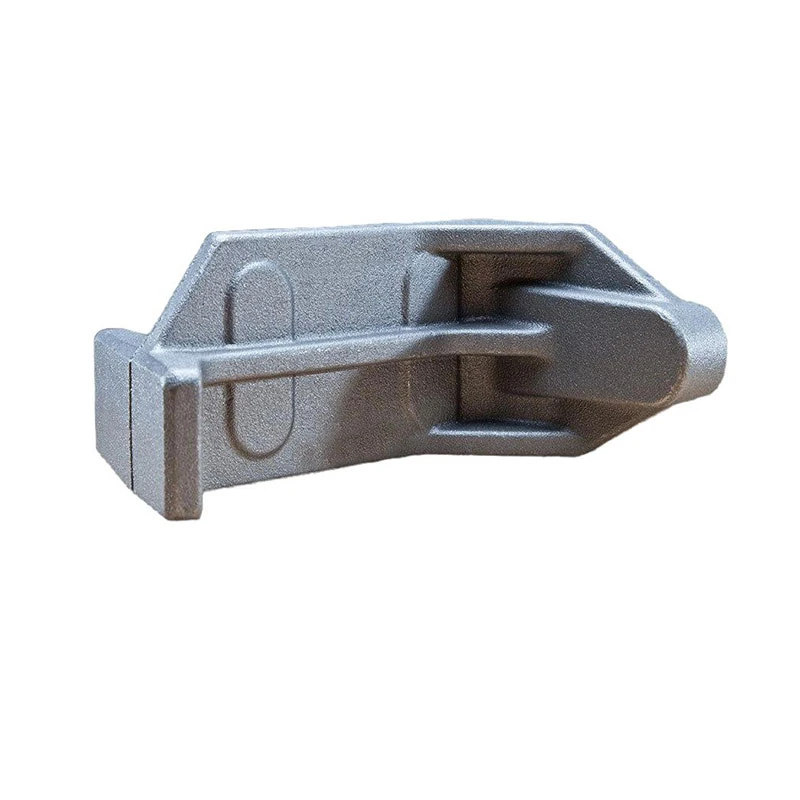



Comprehensive Guide to Low Pressure Casting: Benefits, Applications, and Industry Impact
Low Pressure Casting: Understanding Its Global Impact and Industrial Significance
Low pressure casting might sound like a niche term tossed around in specialized metalworking circles—but frankly, it’s quietly reshaping manufacturing across the globe. Whether it’s automotive, aerospace, or critical infrastructure parts, the method offers a blend of precision and efficiency that traditional casting methods struggle to match. Why does knowing about low pressure casting matter? At a time when industries aim for sustainability, cost-efficiency, and reliable quality, this process stands out, offering tangible benefits like reduced defects, lower scrap rates, and consistent product strength. Simply put, understanding low pressure casting is key to grasping how modern industries meet complex demands without overspending or compromising safety.
Introduction: Why Low Pressure Casting Matters in Today’s Global Industry
Across continents, industries are grappling with increasing pressure to innovate quicker yet greener. The World Bank reports that manufacturers are under more stringent regulations to reduce waste and energy consumption, and the ISO 14000 standards emphasize environmentally mindful processes. Low pressure casting fits neatly into this puzzle by minimizing molten metal turbulence—a major cause of defects and waste in traditional gravity casting. This is particularly crucial for aluminum and magnesium alloys widely used in automotive and aerospace parts, where both weight reduction and mechanical integrity are vital.
However, the challenge remains: How do manufacturers globally adopt processes that keep costs down while increasing output quality? Low pressure casting answers this by consistently producing denser, less porous components. Oddly enough, while the technology isn’t brand new, its global adoption is accelerating now due to advances in automation and digital quality control.
Defining Low Pressure Casting in Simple Terms
At its core, low pressure casting means using a controlled, low-level pressure to push molten metal into a mold—usually from the bottom up—rather than relying solely on gravity. Imagine filling a cup with water, but instead of pouring from above, you gently push it up from below with steady pressure. This reduced turbulence results in cleaner fills and fewer gas pockets, enabling finer dimensional control and better surface finish.
Its connection to humanitarian or modern industry needs might surprise you. For example, producing lightweight yet strong parts for medical devices or disaster relief equipment demands reliability which this method affords. So, it’s not just about shiny cars or aircraft wings; it's part of a bigger picture involving innovation and societal safety.
Key Factors Behind Low Pressure Casting’s Practical Success
1. Precision & Surface Quality
Low pressure casting pushes molten metal slowly and evenly into molds. This reduces turbulence and gas entrapment which plague gravity casting. The outcome? Detailed, near-net-shape parts that require less machining.
2. Material Efficiency & Cost Savings
Less metal waste and fewer scrap rejects translate directly into cost savings. Plus, better yield means manufacturers can optimize alloy properties instead of over-engineering parts.
3. Scalability & Automation Compatibility
The technique fits well into automated production lines. Modern servo-controlled pressure regulators enhance repeatability, ideal for high-volume global supply chains.
4. Environmental Benefits
Lower defect rates mean fewer re-melts and less energy use. This supports compliance with ISO environmental standards, which many international companies must meet. Importantly, lower emissions and waste align well with UN Sustainable Development Goals.
5. Durability & Mechanical Integrity
The controlled filling reduces porosity and improves mechanical properties, critical for safety components in the automotive and aerospace sectors.
Product Specifications: Typical Low Pressure Casting Setup
| Component | Specification | Typical Range |
|---|---|---|
| Casting Pressure | Low pressure applied | 0.02 to 0.07 MPa (3-10 psi) |
| Melting Temperature | Depends on alloy | Aluminum: 660°C - 700°C |
| Cycle Time | Filling + cooling | 60 - 120 seconds |
| Typical Alloys | Light metals | Aluminum, Magnesium alloys |
| Mold Type | Permanent or sand mold | Steel, graphite, ceramic-lined |
Global Applications: How Low Pressure Casting Is Making Real-World Differences
Globally, industries as diverse as automotive manufacturing in Germany and aerospace parts production in the U.S. leverage low pressure casting for better output, while emerging regions use it to build durable products in energy and transport sectors. For example:
- Post-disaster infrastructure: In earthquake-prone zones, decent casting of lightweight yet strong metal components helps rebuild housing frameworks and crucial transport parts quickly without failures.
- Remote industrial zones: Factories in Southeast Asia have integrated low pressure casting to meet increasing demand for reliable automobile parts, improving local economies.
- Aerospace innovation: Aerospace suppliers require ultra-precise castings to reduce weight and improve fuel efficiency—something low pressure casting excels at.
Frankly, it’s one of those unsung heroes behind many products we encounter daily.
Vendor Comparison: Leading Low Pressure Casting Solution Providers
| Vendor | Automation Level | Supported Alloys | Typical Industries | Price Range |
|---|---|---|---|---|
| MetalCast Pro | High (robotic & digital) | Aluminum, Magnesium | Automotive, Aerospace | $$$ |
| EcoPress Systems | Medium (semi-automated) | Primarily Aluminum | Energy, General Manufacturing | $$ |
| GlobalCast Tech | Low (manual control) | Aluminum, Zinc | Small workshops, Prototyping | $ |
Advantages & Long-Term Value
In real terms, the benefits of low pressure casting stretch from the obvious economic (less scrap, less rework) to more abstract but crucial ones, like social trust and innovation potential. It’s safer—since it reduces metal splashing and turbulence. It also supports high-quality parts that maintain integrity under stress, meaning safer cars, planes, and equipment. Plus, with environmental regulations tightening yearly, producers adopting low pressure casting often get ahead of compliance curves, reducing risks and enhancing corporate responsibility profiles. Many engineers I’ve talked to say it “feels like the future of casting” because of its balance of quality and sustainability.
Future Trends and Innovations
As digital twins and AI-driven quality control mesh more deeply with manufacturing, low pressure casting is being reimagined with sensors monitoring every fill for porosity or temperature gradients. Add to that greener alloys, like recycled aluminum blends, and you begin to see a sustainable future. Even policies like the European Green Deal nudge manufacturers toward cleaner methods. In automation, servo-motor driven pressure controls enable even finer, adaptive casting runs, minimizing waste and downtime.
Challenges & Solutions
Of course, low pressure casting isn’t flawless or universally applicable. Initial equipment costs can be steep, sometimes deterring smaller manufacturers. Also, the process involves precise control systems that need skilled operators. That said, recent modular equipment designs and remote monitoring tools are lowering entry barriers. Plus, ongoing training programs in industrial hubs help bridge skill gaps. In essence, it requires some upfront investment and know-how, but the long-term rewards justify it.
FAQ: Frequently Asked Questions About Low Pressure Casting
-
What industries benefit most from low pressure casting?
Primarily automotive, aerospace, and energy sectors benefit due to the method’s precision and ability to produce lightweight, durable parts. -
How does low pressure casting compare to gravity casting in cost?
Upfront equipment costs may be higher, but lower scrap rates and less machining reduce total production costs over time. -
Can low pressure casting handle complex geometries?
Yes. Its precise control helps fill intricate molds better than many traditional methods. -
Is low pressure casting environmentally friendly?
Compared to traditional casting, it produces less waste, consumes less energy per part, and supports use of recycled alloys.
Conclusion: Why Embracing Low Pressure Casting Makes Sense Now
In an era when efficiency, safety, and sustainability are paramount, low pressure casting checks all the boxes. It’s not just a technique, but part of a broader shift toward smarter, greener manufacturing that fuels economic resilience worldwide. If you’re curious to explore how this process can transform your operations or products, you’ll want to discover more about low pressure casting solutions offered globally.
Reflecting on this, it feels like low pressure casting isn’t just metalworking’s quiet revolution—it’s a bridge to more responsible industrial futures.
References
-
Comprehensive Guide to Automotive Die Casting for Enhanced Vehicle PerformanceNewsJan.27,2026
-
Comprehensive Guide to Aluminum Pressure Die Casting Manufacturing ProcessesNewsJan.27,2026
-
Hot Chamber Die Casting vs Cold Chamber Die Casting ExplainedNewsJan.06,2026
-
Hot Chamber And Cold Chamber Die Casting Solutions for Industrial Applications | Hairun SourcingNewsJan.06,2026
-
Hot and Cold Chamber Die Casting: Key Insights from Industry ExpertsNewsJan.06,2026
-
Comprehensive Guide on Graphite Die Casting for B2B Manufacturing | HairunSourcingNewsJan.05,2026