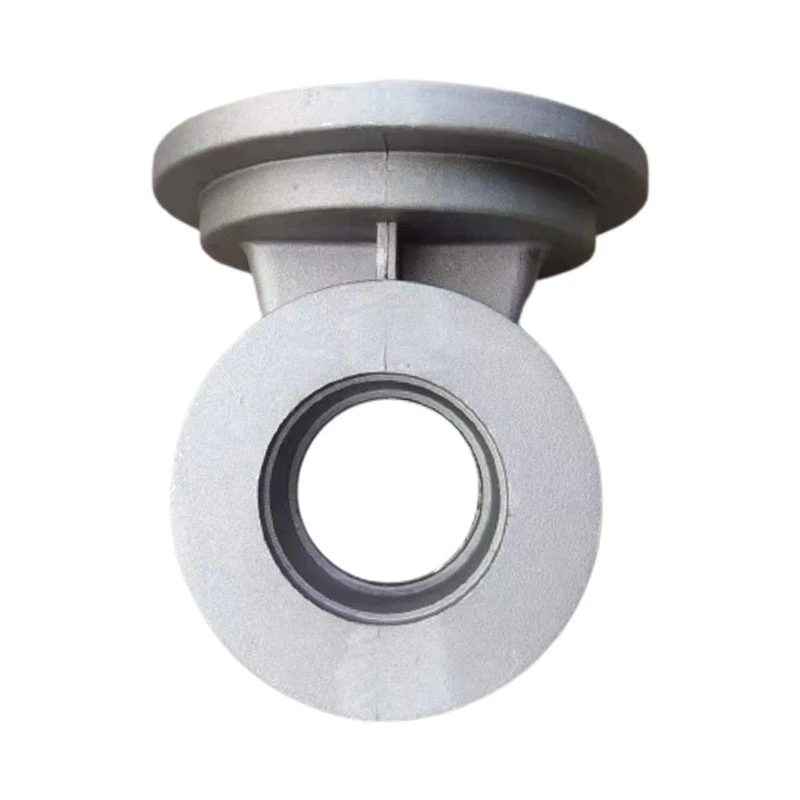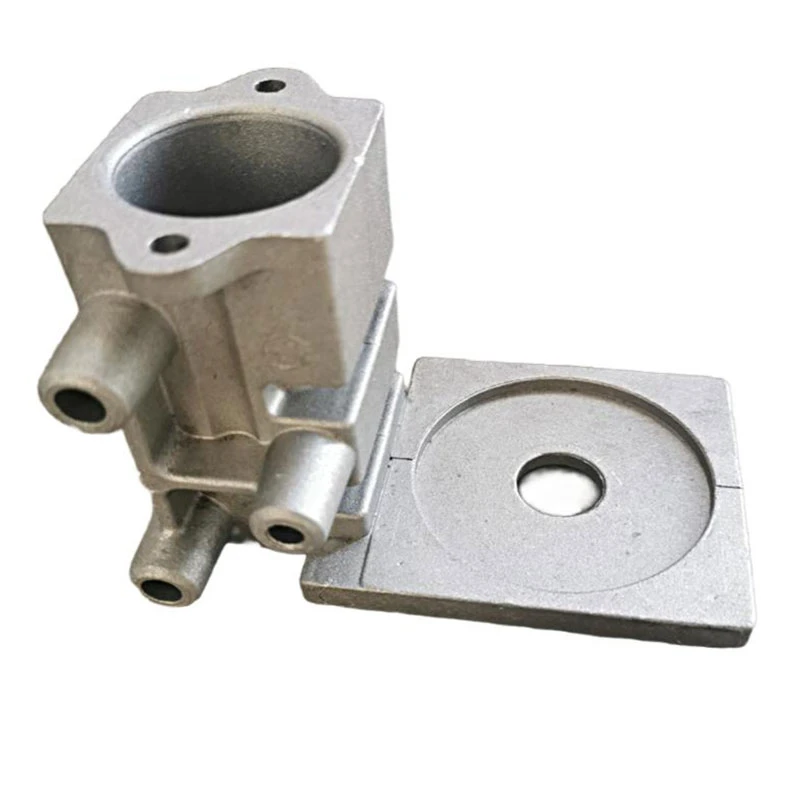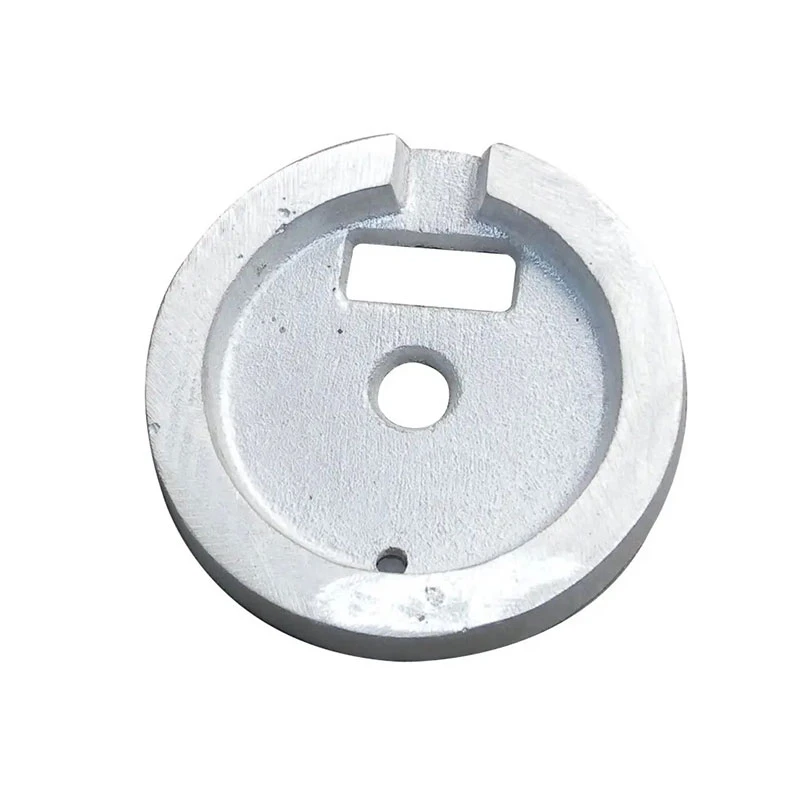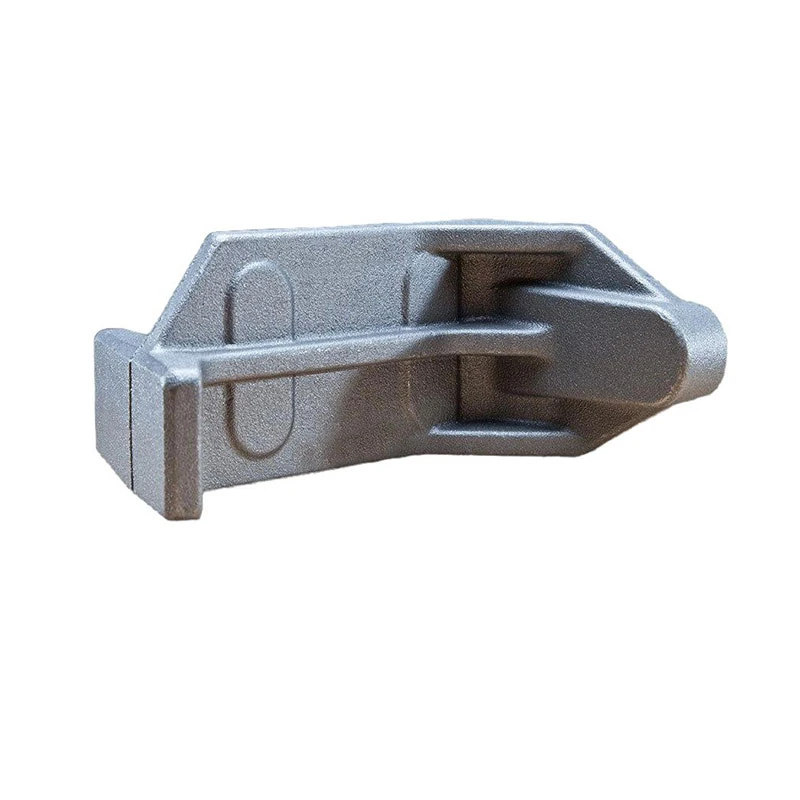



Aluminium Pressure Die Casting: Expert Insights & Industrial Uses
Aluminium Pressure Die Casting: A Veteran's Take on this Essential Manufacturing Process
Having spent more than a decade in the industrial equipment sector, I can tell you that aluminium pressure die casting is sort of the backbone behind many high-performance components we rely on daily. Oddly enough, despite advances in additive manufacturing and composites, this process remains stubbornly relevant — and for good reason.
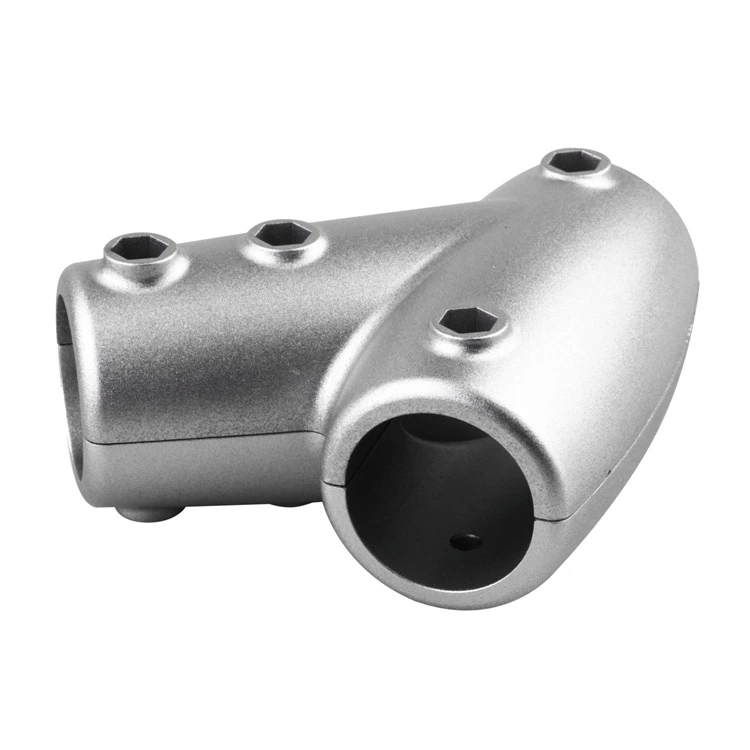
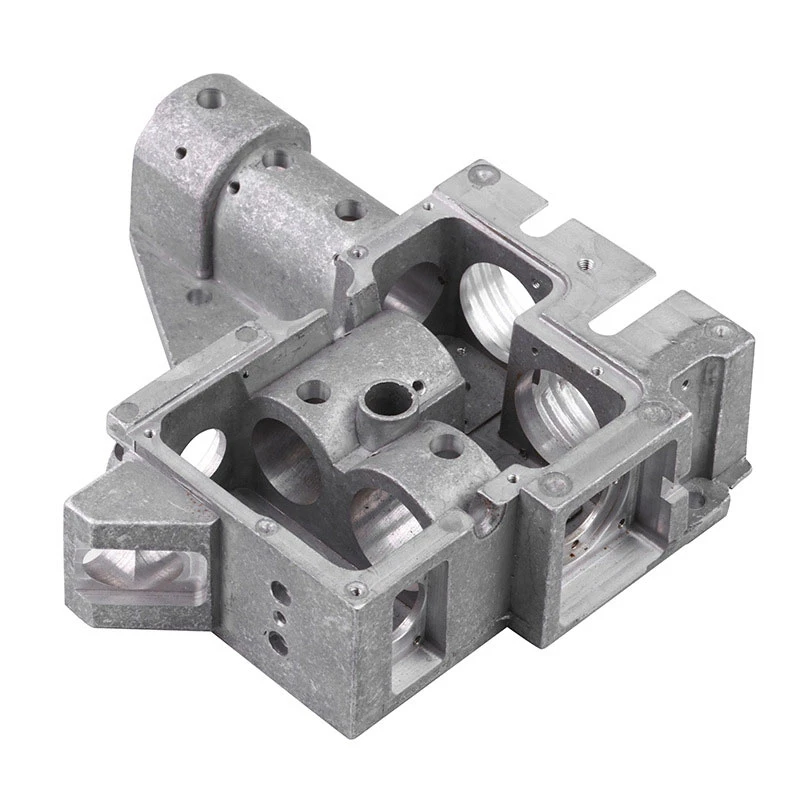
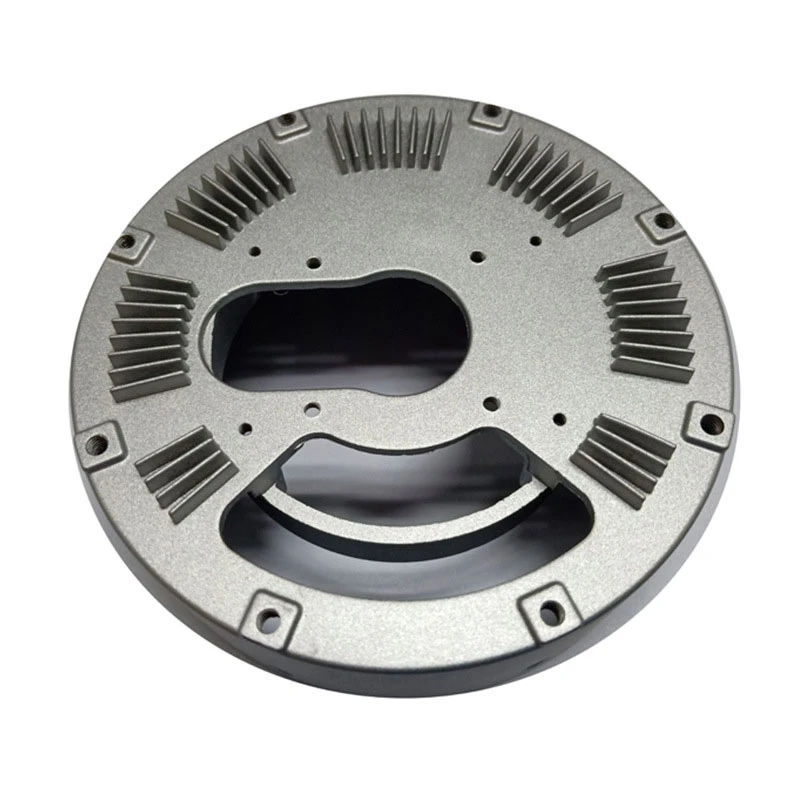
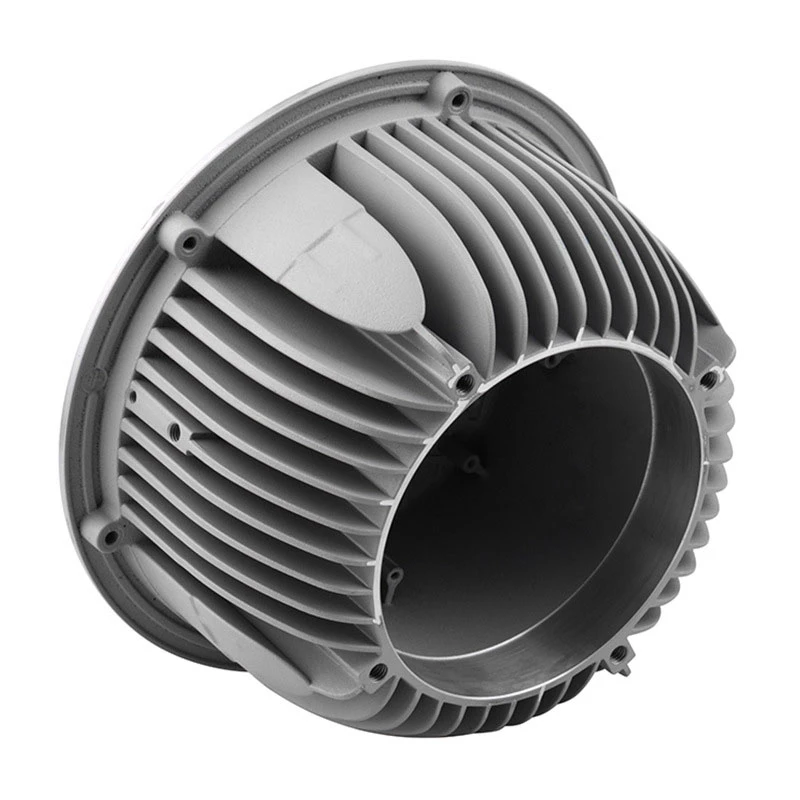
Frankly, when you’re working with aluminium, its lightweight properties alongside excellent thermal conductivity make it pretty much ideal for pressure die casting. The process lets you produce intricate shapes with tight tolerances at scale, which many engineers (myself included) appreciate. From automotive parts to aerospace components, the ability to rapidly manufacture complex parts that maintain strength is invaluable.
In real terms, pressure die casting involves injecting molten aluminium into a steel mold at high pressure. The rapid cooling and solidification inside the die result in a very fine microstructure, giving the part strength and consistency. It feels like magic watching molten metal transform so quickly into a usable component — but it’s actually the result of precise temperature control and mold engineering.
One thing I’ve noticed over the years is how much customization this method offers. You can tweak die designs, gating locations, even the alloy composition to meet demanding specifications. Plus, modern machines can reach injection pressures up to 160 MPa, which ensures minimal porosity and superior surface finish. Of course, quality testing is crucial – ultrasonic inspections and X-rays often catch imperfections before parts go out the door.
| Parameter | Typical Value | Notes |
|---|---|---|
| Alloy Types | A380, A360, A383 | Widely used aluminium casting alloys |
| Injection Pressure | Up to 160 MPa | Ensures dense, porosity-free parts |
| Die Material | H13 tool steel | High wear resistance |
| Typical Part Weight | Up to 10 kg | Varies by machine size |
| Cycle Time | 15–30 seconds | Depends on complexity & cooling |
Let's talk vendors, since you've got plenty of options out there—and trust me, I've seen my share to know what works and what doesn't. Some suppliers prioritize rapid prototyping, others mass production. Costs vary, but so does quality. Here's a practical comparison I put together:
| Vendor | Typical Lead Time | Quality Certifications | Specialization | Price Range |
|---|---|---|---|---|
| Alpha Castings | 4–6 weeks | ISO 9001, IATF 16949 | Automotive parts | $$ |
| Bravo Metals | 6–8 weeks | ISO 14001, QS 9000 | Aerospace components | $$$ |
| CastPro Solutions | 3–5 weeks | ISO 9001 | Custom prototypes | $ |
I once worked with a client whose entire production hinged on a newly designed aluminium housing for industrial pumps. After trying various manufacturing routes, aluminium pressure die casting was the clear winner. We shaved weeks off lead times and the parts came out with exceptional dimensional accuracy. The customer was thrilled, noting the cost savings didn’t come at the cost of quality - it was a real win-win.
You know, it’s not just about machinery or metal, but that deep understanding of metallurgy and production dynamics that makes this process tick. Many companies still underestimate the importance of skilled die design and process optimization — but trust me, those factors make all the difference.
So next time you see a polished aluminium part with complex curves and fine details, odds are it was born from pressure die casting. It’s a technology embedded with decades of know-how, yet still evolving today thanks to new alloys and smarter machines.
In sum, embracing aluminium pressure die casting means committing to precision, speed, and efficiency. It remains an anchor of modern manufacturing for the reasons I’ve mentioned — and I imagine it will continue shaping the future of metal parts for quite a while.
Takeaway: Aluminium pressure die casting blends art and engineering in a way few other processes can – delivering consistent, robust metal parts that keep our industries moving.
References:
1. Matthews, J. (2021). Metallurgy of Aluminium Alloys. Industrial Press.
2. Walker, S. (2019). "The evolution of pressure die casting in automotive manufacturing." Manufacturing Today, 13(4), 22-27.
3. Hairun Sourcing technical data sheets, accessed 2024.
-
Comprehensive Guide to Automotive Die Casting for Enhanced Vehicle PerformanceNewsJan.27,2026
-
Comprehensive Guide to Aluminum Pressure Die Casting Manufacturing ProcessesNewsJan.27,2026
-
Hot Chamber Die Casting vs Cold Chamber Die Casting ExplainedNewsJan.06,2026
-
Hot Chamber And Cold Chamber Die Casting Solutions for Industrial Applications | Hairun SourcingNewsJan.06,2026
-
Hot and Cold Chamber Die Casting: Key Insights from Industry ExpertsNewsJan.06,2026
-
Comprehensive Guide on Graphite Die Casting for B2B Manufacturing | HairunSourcingNewsJan.05,2026