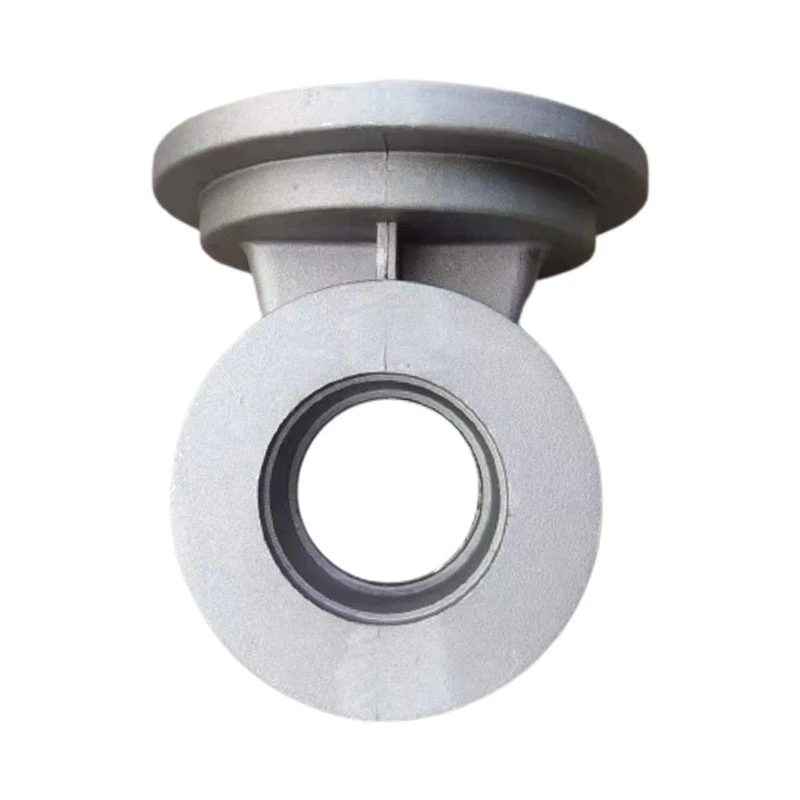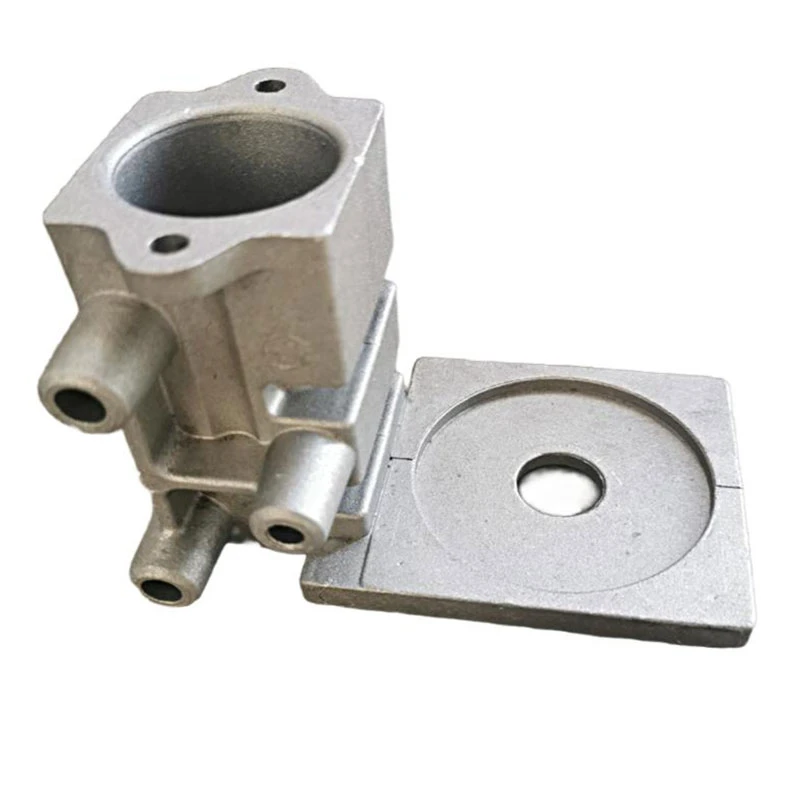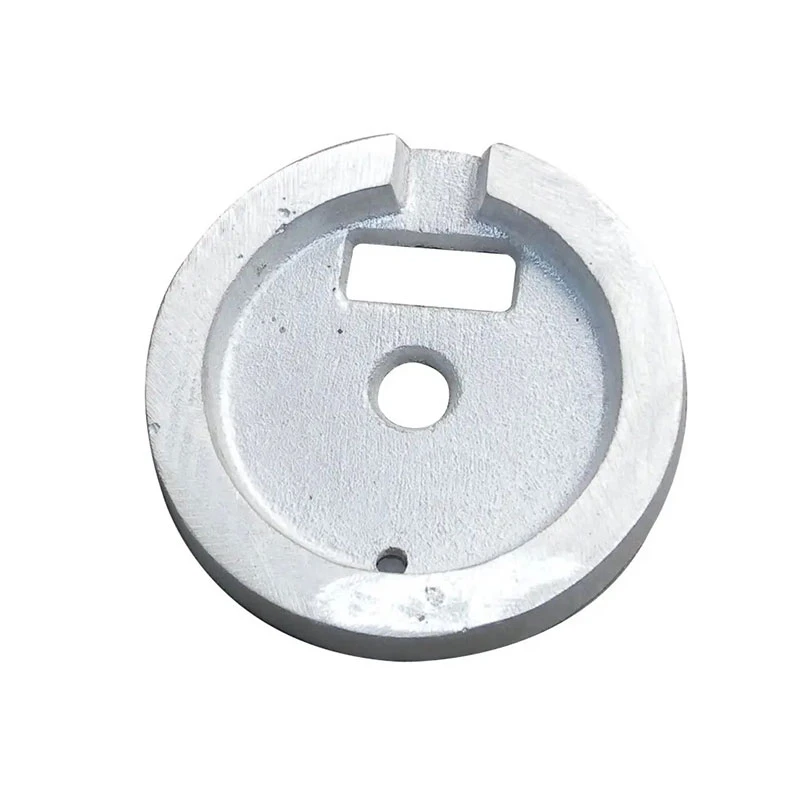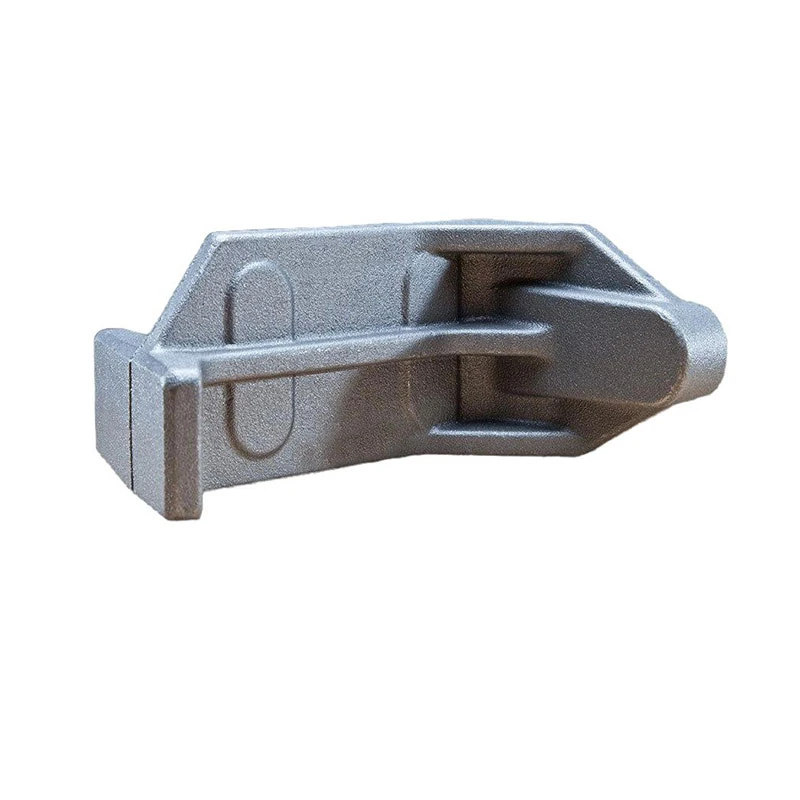



High-Performance Die Cast Dies from Hairun | Durable Industrial Tooling Solutions
Die Cast Dies is a key solution in the industry, specifically within manufacturing and heavy engineering sectors. This article explores how https://www.hairunsourcing.com supports professionals with durable, high-performance products, and explains why this product is an ideal choice for businesses in these sectors.
Table of Contents
- Die Cast Dies Overview
- Benefits & Use Cases of Die Cast Dies
- Cost, Maintenance & User Experience
- Sustainability & Market Trends
Die Cast Dies Overview
If you’re hearing about Die Cast Dies for the first time, they are essentially precision-engineered molds used for die casting — a manufacturing process where molten metal is injected into these steel molds under high pressure. The dies themselves are core to shaping metal components, especially in automotive, aerospace, and heavy machinery manufacturing. This product’s reliability and precision can dictate the quality of tens of thousands of identical parts.
Technically, these dies are made from hardened tool steel, sometimes alloyed for enhanced wear resistance. For example, Hairun’s dies often incorporate heat treatments that extend their service life, even under intense operational cycles. The specs vary, but a typical die might support metal injection pressures up to 200 MPa, and cycles reaching beyond 500,000 shots before refurbishment is needed — which is no small feat. There’s an art in balancing material selection, thermal stability, and machinability that really sets apart leading manufacturers.
| Specification | Typical Value | Notes |
|---|---|---|
| Material | H13 Tool Steel | High toughness & wear resistance |
| Max Injection Pressure | 200 MPa | Supports high-volume production |
| Cycle Life | 500,000+ shots | Dependent on maintenance |
| Surface Hardness | 56–60 HRC | Heat treated for durability |
Benefits & Use Cases of Die Cast Dies
In real terms, the biggest advantage of using Die Cast Dies is their precision and production efficiency. Whether you’re molding intricate automotive parts or sturdy aircraft components, these dies allow mass production with impeccable repeatability. Their durability cuts down downtime — which, frankly, can make or break a production schedule.
Hairun’s dies specifically stand out for their customizability. They can design dies with integrated cooling channels that optimize temperature control, and even implement surface coatings that reduce metal adhesion during casting. Many engineers I’ve spoken to praise these aspects as game-changers. Plus, their quick turnaround means businesses don’t have to wait months for tooling.
Industries such as automotive manufacturing, consumer electronics, and aerospace rely heavily on die cast dies because they require parts that are both lightweight and strong. Oddly enough, the technology also finds uses in household appliance manufacturing, where consistency and finish quality are non-negotiable.
Cost, Maintenance & User Experience
When considering total cost of ownership, it’s tempting to focus on upfront expenses. But with die cast dies, the picture is a bit more nuanced. Yes, initial tooling costs can be significant, but the durability and low maintenance requirements lead to excellent ROI. For example, Hairun’s product line includes pre-hardened steels and interchangeable die inserts — features that streamline repairs and reduce expensive down time.
Customers consistently report improved cycle times and fewer rejects, which translates to savings that often offset the cost of higher-quality dies. Anecdotally, some have described the switch to premium dies as a relief — fewer headaches on the floor, less tweaking, and a more predictable process overall.
Maintenance is simplified too; periodic inspections and standard polishing keep the dies performing optimally. The user experience, I suppose, depends largely on the partnership with the vendor, and Hairun has a reputation for responsive support, which adds to the peace of mind for production managers.
Sustainability & Market Trends
Sustainability has been creeping more and more into the die casting arena — and it’s no surprise. The environmental footprint of large-scale manufacturing is under scrutiny, and die cast dies are part of that equation. Advances in production mean reducing scrap rates, extending tool life, and even using recycled alloys more effectively.
Hairun is aligned with industry trends, offering dies designed to extend service life and minimize waste. This, paired with efforts to comply with stricter regulations on emissions and resource use, places companies sourcing dies from such vendors in a good position for future-proofing their operations.
Market growth in sectors like electric vehicles also plays a role. Die cast dies are adapting to new alloys and more complex geometries needed for lighter, safer EV components — an area where expert tooling solutions will only become more valuable.
| Vendor | Material Quality | Lead Time | Customization Level | Customer Support |
|---|---|---|---|---|
| Hairun Sourcing | Premium tool steel with heat treatment | 4–6 weeks typical | High (custom cooling, coatings) | Responsive, bilingual |
| Competitor A | Standard tool steel | 6–8 weeks | Moderate | Limited support |
| Competitor B | High quality but less proven | Varies widely | Low | Minimal |
Frequently Asked Questions about Die Cast Dies
- What is Die Cast Dies and how does it work?
- Die Cast Dies are precision molds used in the die casting process, where molten metal is injected at high pressure to form complex parts quickly and consistently. They are made from hardened steel to withstand extreme heat and pressure during repeated cycles.
- What are the main benefits of using Die Cast Dies in industrial applications?
- Key benefits include high precision, excellent repeatability, durability under heavy use, and the ability to produce intricate shapes efficiently. This reduces production time and costs while improving product quality.
- How does Die Cast Dies compare to traditional alternatives?
- Compared to traditional casting methods, die cast dies offer faster cycle times, superior surface finishes, and less post-processing. They also allow for more complex geometries with tighter tolerances.
- What industries can benefit most from Die Cast Dies implementation?
- Automotive, aerospace, electronics, and appliance manufacturing are primary beneficiaries, as these sectors demand high accuracy and volume efficiency in metal components.
Conclusion on Die Cast Dies from china
To wrap things up, Die Cast Dies remain a cornerstone for high-precision manufacturing in various heavy industries. Their durability, precision, and the customization options available—especially from suppliers like Hairun—make them an investment worth considering if your production demands reliability and efficiency. For more detailed specs and a chance to explore tailored solutions, it definitely pays off to visit https://www.hairunsourcing.com and get a better sense of their offerings.
- Recap the value of Die Cast Dies.
- - Visit our website: https://www.hairunsourcing.com
A small reflection: It’s always interesting how the tools behind mass manufacturing can be so overlooked, yet they define the very quality and feasibility of everyday products. In that sense, investing in quality die cast dies is an investment into reliability itself.
-
Guide to Anodizing Die Cast Aluminum for Industrial ExcellenceNewsApr.16,2026
-
High Quality Precision Aluminum Die Casting Components GuideNewsApr.09,2026
-
Comprehensive Guide to High Quality Aluminium Pressure Die Casting ProductsNewsApr.07,2026
-
Comprehensive Guide to Aluminium Pressure Die Casting Components and SolutionsNewsApr.04,2026
-
Comprehensive Guide to Aluminium HPDC Casting for Global SourcingNewsMar.31,2026
-
Comprehensive Guide to Precision Aluminium Die Castings and Manufacturing SolutionsNewsMar.28,2026