Magnesium die casting manufacturers are pivotal in modern industry, providing lightweight, strong, and corrosion-resistant components for a vast array of applications. These manufacturers specialize in utilizing the die casting process – forcing molten magnesium alloy into a mold under high pressure – to create intricate parts with exceptional precision. Understanding their capabilities and the advantages of magnesium alloys is increasingly crucial as industries demand materials that offer both performance and sustainability.
The global demand for magnesium die castings is steadily rising, driven by sectors like automotive, aerospace, and electronics. This growth is fueled by the need to reduce weight for improved fuel efficiency, enhance structural integrity, and meet increasingly stringent environmental regulations.
The expertise of magnesium die casting manufacturers isn’t just about the casting process itself; it encompasses alloy selection, mold design, surface finishing, and quality control. Selecting the right manufacturer requires careful consideration of their technical capabilities, production capacity, and commitment to delivering high-quality, reliable components.
Introduction to Magnesium Die Casting Manufacturers
Magnesium die casting manufacturers are specialized facilities equipped to transform magnesium alloys into precise, complex components. They represent a crucial link in supply chains across numerous industries, offering expertise in everything from alloy selection and mold creation to the actual casting process and post-processing treatments.
These manufacturers cater to diverse needs, producing parts ranging from small, intricate housings for electronic devices to large, structurally critical components for automotive and aerospace applications. Their ability to deliver lightweight, strong, and durable components makes them highly valued partners for companies seeking to improve product performance and reduce overall weight.
Global Relevance and Industry Context
The global market for magnesium die castings is experiencing significant growth, estimated to reach \$15.8 billion by 2027 (source: Grand View Research). This growth is largely driven by the automotive industry’s relentless pursuit of lightweighting to improve fuel efficiency and reduce emissions. Stringent fuel economy standards and the push for electric vehicles are directly increasing demand for magnesium components.
Furthermore, the aerospace industry benefits from magnesium’s high strength-to-weight ratio, utilizing it in non-structural components and increasingly exploring its potential in primary structural parts. Demand from the electronics, medical, and consumer goods sectors also contribute to the expanding market for magnesium die casting manufacturers.
However, challenges exist. Fluctuations in magnesium prices, global supply chain disruptions, and the need for sustainable manufacturing practices are critical concerns for both manufacturers and end-users. Finding reliable and ethical magnesium die casting manufacturers is becoming increasingly important.
Defining Magnesium Die Casting Manufacturing
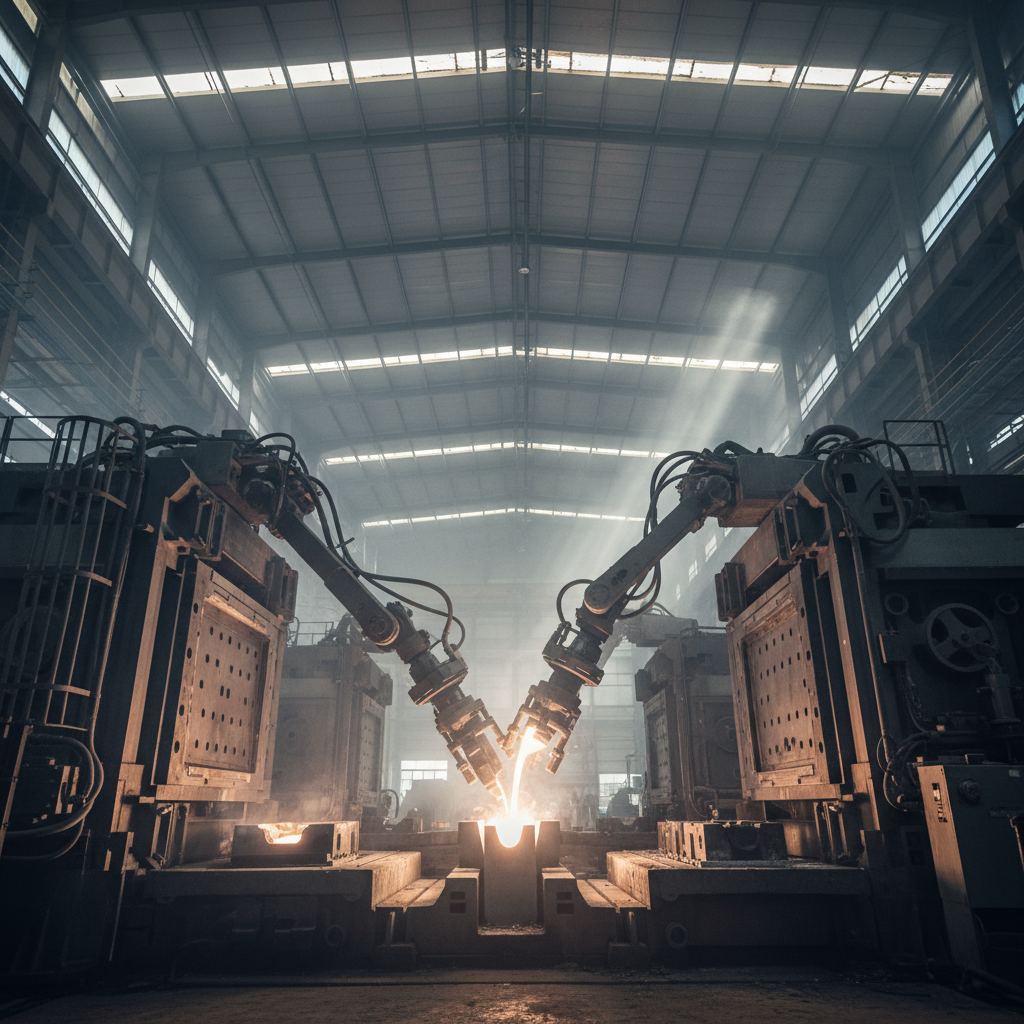
Magnesium die casting manufacturing is a metal casting process that forces molten magnesium alloy under high pressure into a reusable steel mold, also known as a die. This process creates components with complex geometries, high dimensional accuracy, and a smooth surface finish. Unlike other casting methods, die casting is exceptionally efficient for high-volume production.
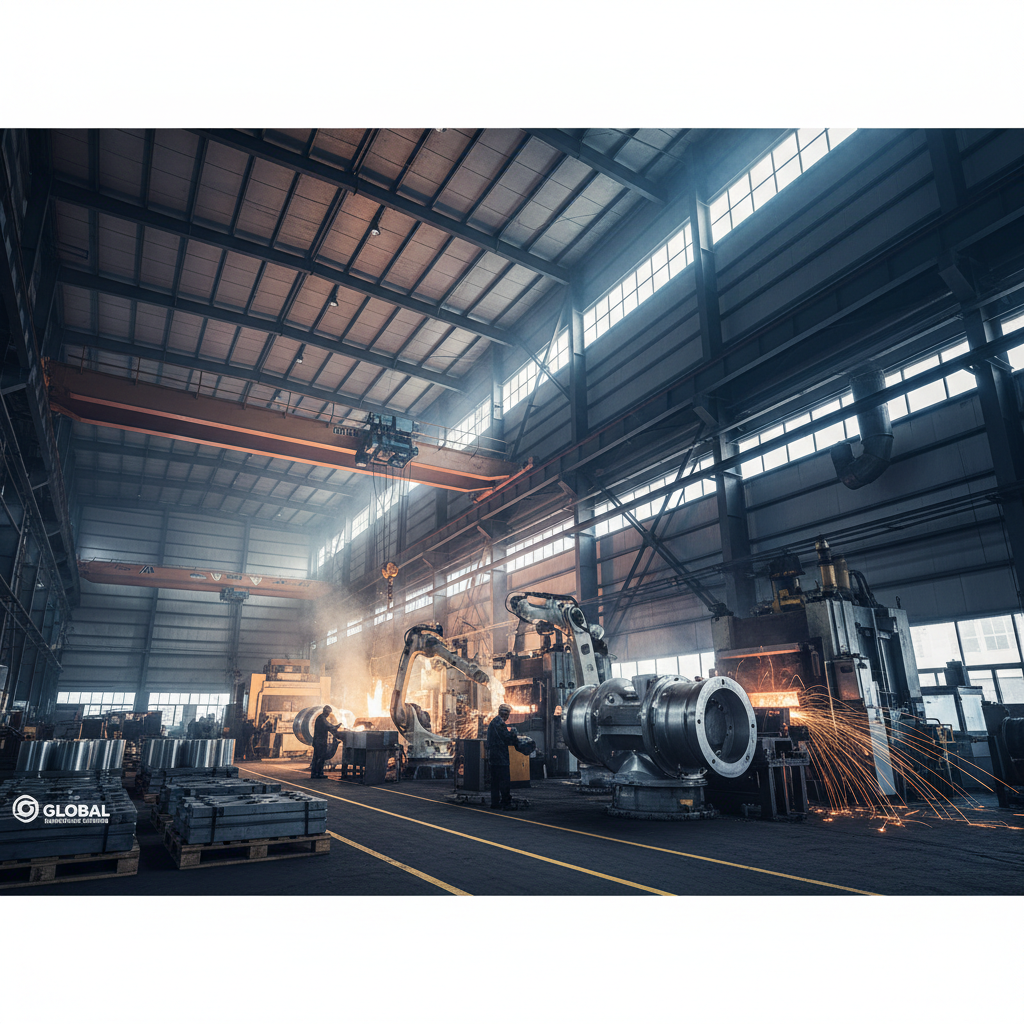
The process typically involves several stages: alloy melting, die preparation (including lubrication), injection of molten magnesium into the die, solidification, die opening, and ejection of the casting. Post-processing operations such as machining, surface finishing, and quality inspection are also integral to the overall manufacturing process.
Magnesium die casting manufacturers are distinguished by their specialized expertise in handling magnesium alloys, which require careful control of melting temperatures, mold design, and process parameters to avoid defects and ensure consistent quality. They need to possess experience with magnesium alloys like AZ91D, AM60B, and ZK60A.
Key Characteristics of Magnesium Die Castings
Magnesium die castings offer a unique combination of properties that make them ideal for a wide range of applications. One key characteristic is their exceptional lightweight – magnesium is approximately 75% lighter than aluminum and 33% lighter than steel. This reduction in weight translates directly into improved fuel efficiency in vehicles and reduced energy consumption in other applications.
Key Properties of Magnesium Die Castings
Applications Across Diverse Industries
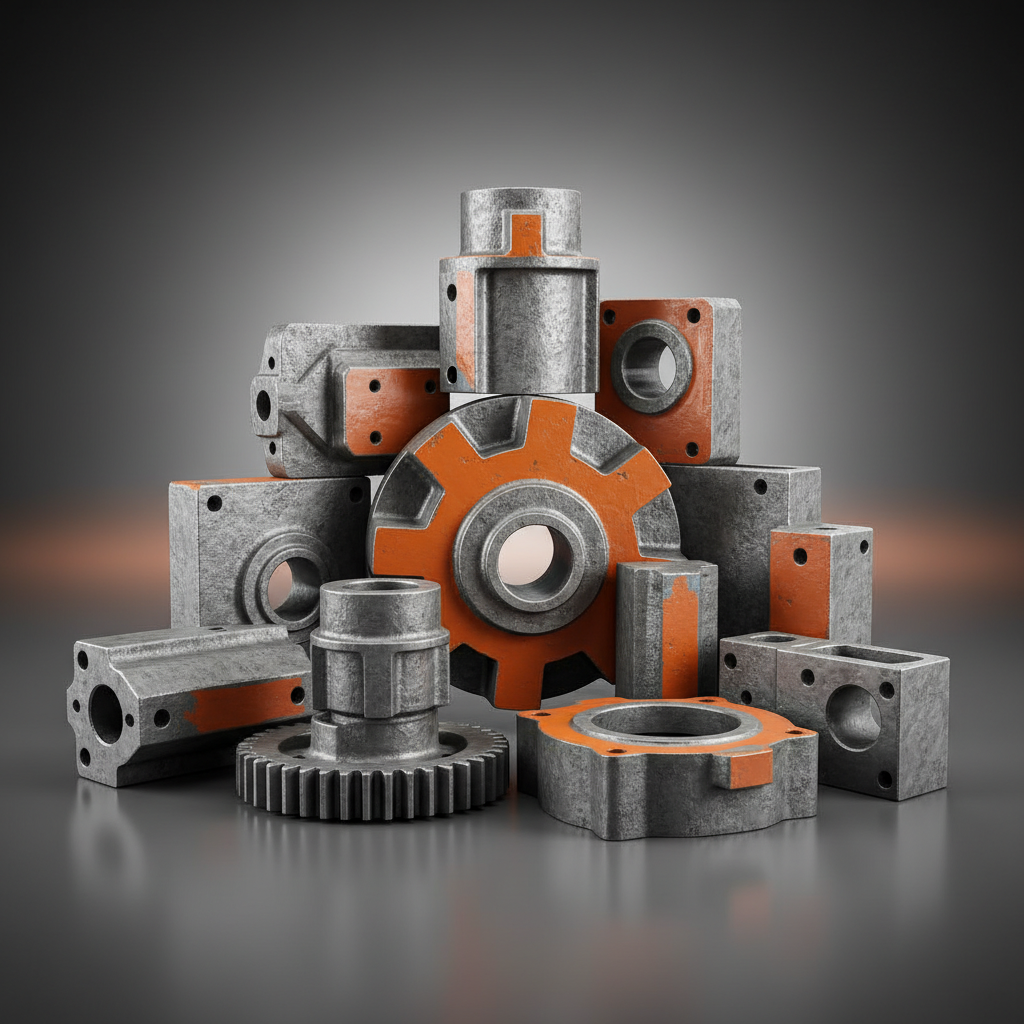
Magnesium die castings find extensive use in the automotive industry, particularly in components such as steering wheels, transmission cases, and engine brackets. Their lightweight nature helps improve fuel efficiency and handling. In the aerospace sector, they are used in helicopter transmissions, gearboxes, and various structural components.
The electronics industry utilizes magnesium castings for housings of laptops, smartphones, and other portable devices, providing excellent shielding properties and thermal management. Medical devices also benefit from magnesium's biocompatibility and lightweight characteristics, finding applications in surgical instruments and implantable devices. Furthermore, power tools, sporting goods, and consumer electronics all frequently employ magnesium die castings.
Advantages and Long-Term Value Proposition
Choosing magnesium die castings offers a multitude of advantages. Beyond the substantial weight reduction, which translates to cost savings in transportation and operation, these castings offer excellent machinability, reducing manufacturing costs. The inherent damping capacity of magnesium minimizes vibration and noise, enhancing product performance and user experience.
From a sustainability perspective, magnesium is abundant in seawater and can be readily recycled, contributing to a circular economy. The longevity and durability of magnesium die castings ensure a long service life, reducing the need for frequent replacements. Partnering with reputable magnesium die casting manufacturers ensures a reliable supply chain and consistent product quality.
Future Trends and Technological Advancements
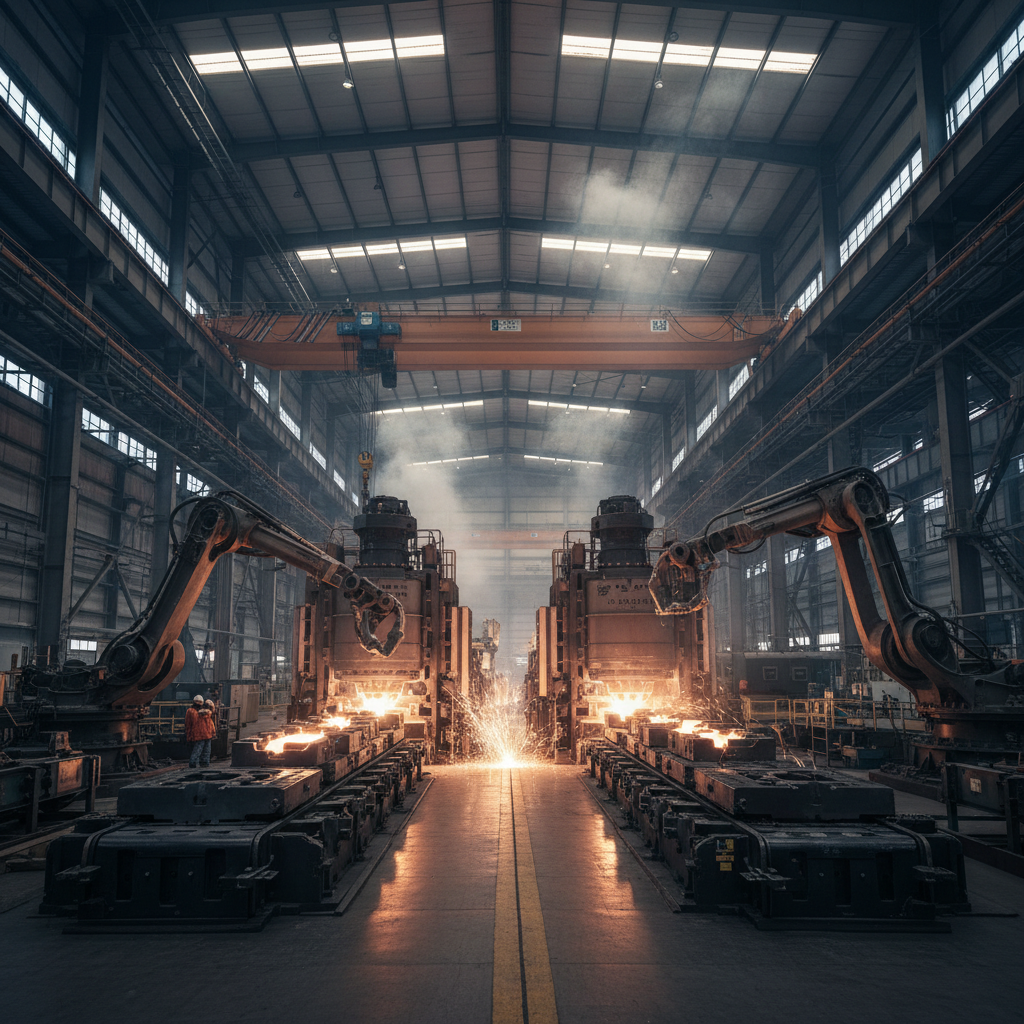
The future of magnesium die casting manufacturing is poised for innovation. Advancements in alloy development are focused on enhancing corrosion resistance and improving mechanical properties. The integration of automation and robotics is streamlining production processes, increasing efficiency, and reducing labor costs.
Digitalization, including the use of simulation software and data analytics, is optimizing mold design and process parameters. Furthermore, the industry is actively exploring sustainable manufacturing practices, such as utilizing recycled magnesium and reducing energy consumption. These advancements will solidify the position of magnesium die casting manufacturers as key players in a rapidly evolving industrial landscape.
Expect to see increased adoption of technologies like Thixomolding, a semi-solid metal casting process, that offers even greater control over the casting process and allows for the creation of even more complex geometries.
Key Performance Indicators of Magnesium Die Casting Manufacturers
| Manufacturer Experience (Years) |
Quality Control Rating (1-10) |
Production Capacity (Units/Month) |
Sustainability Practices Score (1-5) |
| 15 |
9 |
50,000 |
4 |
| 22 |
8 |
75,000 |
5 |
| 8 |
7 |
30,000 |
3 |
| 10 |
6 |
40,000 |
2 |
| 18 |
7 |
60,000 |
4 |
| 25 |
10 |
100,000 |
5 |
FAQS
Magnesium die castings offer significantly lower density (approximately 33% lighter than aluminum), resulting in substantial weight savings. They also have better damping characteristics and, in some cases, superior strength-to-weight ratios. While aluminum generally has better corrosion resistance, advancements in magnesium alloy coatings and treatments are closing this gap.
Die casting is generally cost-effective for high-volume production runs due to the reusability of the molds. However, initial tooling costs (die creation) can be significant. The complexity of the part geometry and the specific magnesium alloy used also influence the overall cost. Working with experienced magnesium die casting manufacturers can help optimize the design for cost-effectiveness.
Essential quality control measures include dimensional inspection (using CMMs), radiographic testing (to detect internal defects), mechanical property testing, and surface finish analysis. ISO 9001 certification is a good indicator of a robust quality management system. Look for manufacturers who employ Statistical Process Control (SPC) to monitor and improve process consistency.
Magnesium is more reactive than aluminum and can be susceptible to corrosion, particularly in chloride-rich environments. However, various protective coatings, such as powder coating, e-coating, and conversion coatings, can significantly enhance corrosion resistance. Alloy selection also plays a crucial role, with certain alloys offering better inherent corrosion protection.
Sustainable manufacturing is increasingly important. Look for manufacturers who prioritize recycling magnesium scrap, reducing energy consumption, and minimizing waste generation. Consider manufacturers who adhere to environmental standards and demonstrate a commitment to responsible sourcing of raw materials. Recycling magnesium is a particularly important factor due to its abundance in seawater.
Lead times vary considerably depending on the complexity of the part, the tooling requirements, and the manufacturer’s current workload. Typically, a new tooling project can take 8-12 weeks. Once tooling is complete, production lead times can range from 2-6 weeks for standard orders. Clear communication and proactive planning are essential to manage lead times effectively.
Conclusion
Magnesium die casting manufacturers play a vital role in modern industry, providing lightweight, high-performance components that drive innovation across various sectors. Their ability to deliver complex geometries, excellent mechanical properties, and sustainable solutions makes them invaluable partners for companies seeking to enhance product performance and reduce environmental impact.
Looking ahead, continued advancements in alloy development, manufacturing processes, and sustainability practices will further solidify the position of magnesium die castings as a material of choice for demanding applications. Partnering with reputable and forward-thinking magnesium die casting manufacturers is crucial for accessing these benefits and staying ahead of the curve. Visit our website at magnesium die casting manufacturers to learn more about our capabilities and how we can help you with your next project.