
• sns01
  • sns02
  • sns03
  • sns05
  • sns06
  • sns07
0%

Table of Contents

Gravity die casting manufacturers play a crucial role in modern manufacturing, providing a cost-effective and efficient method for producing high-quality metal components. These manufacturers specialize in a process where molten metal is poured into reusable metal molds, also known as permanent molds. This contrasts with sand casting, which uses expendable molds. The demand for precision, durability, and repeatability in components across industries like automotive, aerospace, and industrial machinery fuels the growth of gravity die casting manufacturers globally.

The global foundry industry, of which gravity die casting is a significant part, is projected to reach substantial growth in the coming years. According to recent reports, the industry is driven by factors such as increasing infrastructure development, rising automotive production, and the demand for lightweight materials. Gravity die casting offers a compelling alternative to other casting methods due to its relatively lower tooling costs and ability to produce complex geometries with good surface finish. This makes gravity die casting manufacturers essential partners for businesses seeking reliable component production.

Understanding the capabilities and limitations of gravity die casting, and selecting the right manufacturer, is therefore paramount for businesses aiming to optimize their supply chains and enhance product quality. This knowledge translates to reduced lead times, improved component performance, and ultimately, increased profitability. The precision offered by these manufacturers directly impacts the final product's functionality and lifespan, influencing competitiveness in increasingly demanding markets.
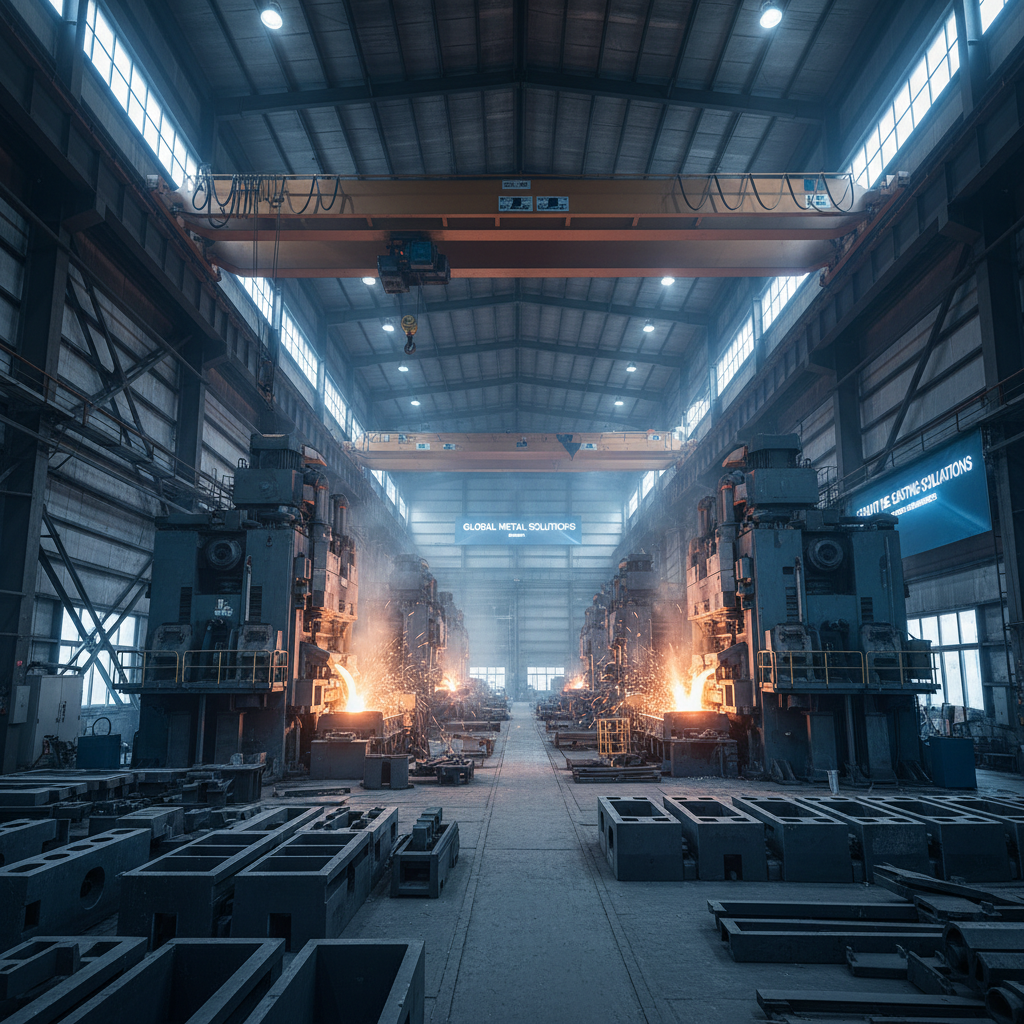
Leading Gravity Die Casting Manufacturers for High Quality Metal Components

Introduction to Gravity Die Casting Manufacturers

Leading Gravity Die Casting Manufacturers for High Quality Metal Components

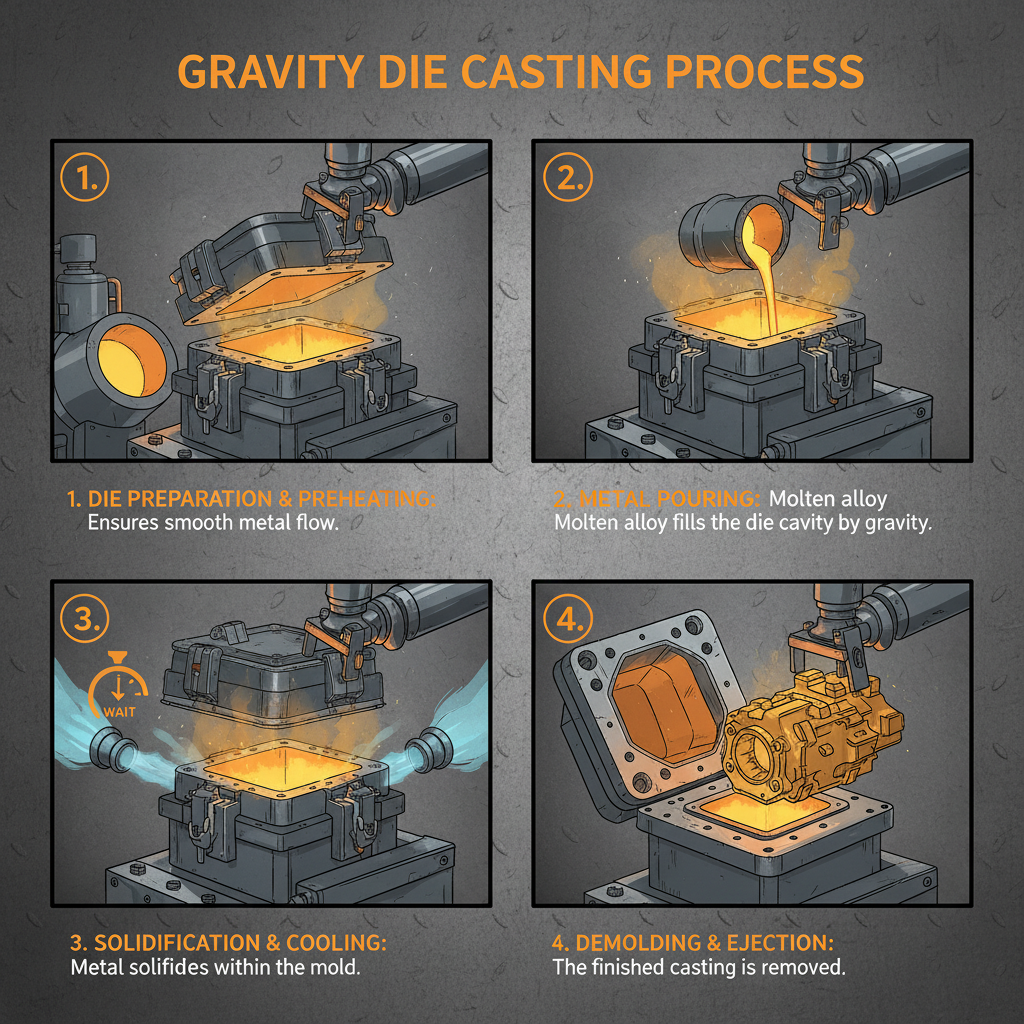
Gravity die casting manufacturers are specialized foundries focused on producing metal parts using the gravity die casting process. Unlike high-pressure die casting, which employs external force to inject molten metal, gravity die casting relies on the force of gravity to fill the mold cavity. This results in slower filling rates but offers advantages in terms of tooling costs and material suitability. A skilled gravity die casting manufacturer understands the nuances of this process, ensuring optimal results for diverse applications.

These manufacturers often serve a wide range of industries, including automotive, construction, marine, and industrial equipment. The versatility of gravity die casting allows for the production of parts with varying complexities, sizes, and materials, like aluminum, magnesium, and zinc alloys. Their expertise extends beyond mere casting, encompassing mold design, metal selection, finishing processes, and quality control.

Global Relevance and Industry Context

The foundry industry is a globally interconnected network, and gravity die casting manufacturers are key players within it. Countries like China, India, and the United States are major production hubs, driven by robust manufacturing sectors and cost advantages. The United Nations Industrial Development Organization (UNIDO) highlights the importance of foundries in supporting industrial development, particularly in emerging economies. The demand for gravity die casting is directly tied to the performance of these key manufacturing regions.

A significant challenge facing gravity die casting manufacturers is maintaining competitiveness in a market increasingly focused on efficiency and sustainability. Fluctuations in raw material prices, energy costs, and environmental regulations can impact profitability. Companies must continuously invest in process improvements, technology upgrades, and skilled labor to remain competitive. gravity die casting manufacturers are actively seeking innovative solutions to address these challenges.

The ISO 9001 quality management system is widely adopted by gravity die casting manufacturers globally, demonstrating a commitment to consistent product quality and customer satisfaction. Adherence to international standards is crucial for accessing global markets and establishing long-term partnerships with multinational corporations.

Defining Gravity Die Casting Manufacturing

Gravity die casting manufacturing is a metal casting process where molten metal is poured into a reusable metal mold – a 'permanent mold' – under the force of gravity. This process differs significantly from sand casting, where expendable molds are used. The metal mold is typically made from cast iron or steel and is designed to withstand the high temperatures of molten metal. Gravity die casting offers advantages in terms of dimensional accuracy, surface finish, and mechanical properties compared to sand casting.

This manufacturing method isn’t merely about filling a mold; it involves a sophisticated understanding of metallurgy, mold design, and thermal management. The cooling rate of the metal within the mold is carefully controlled to achieve the desired microstructure and mechanical properties. Skilled gravity die casting manufacturers optimize these parameters for each specific alloy and part geometry.

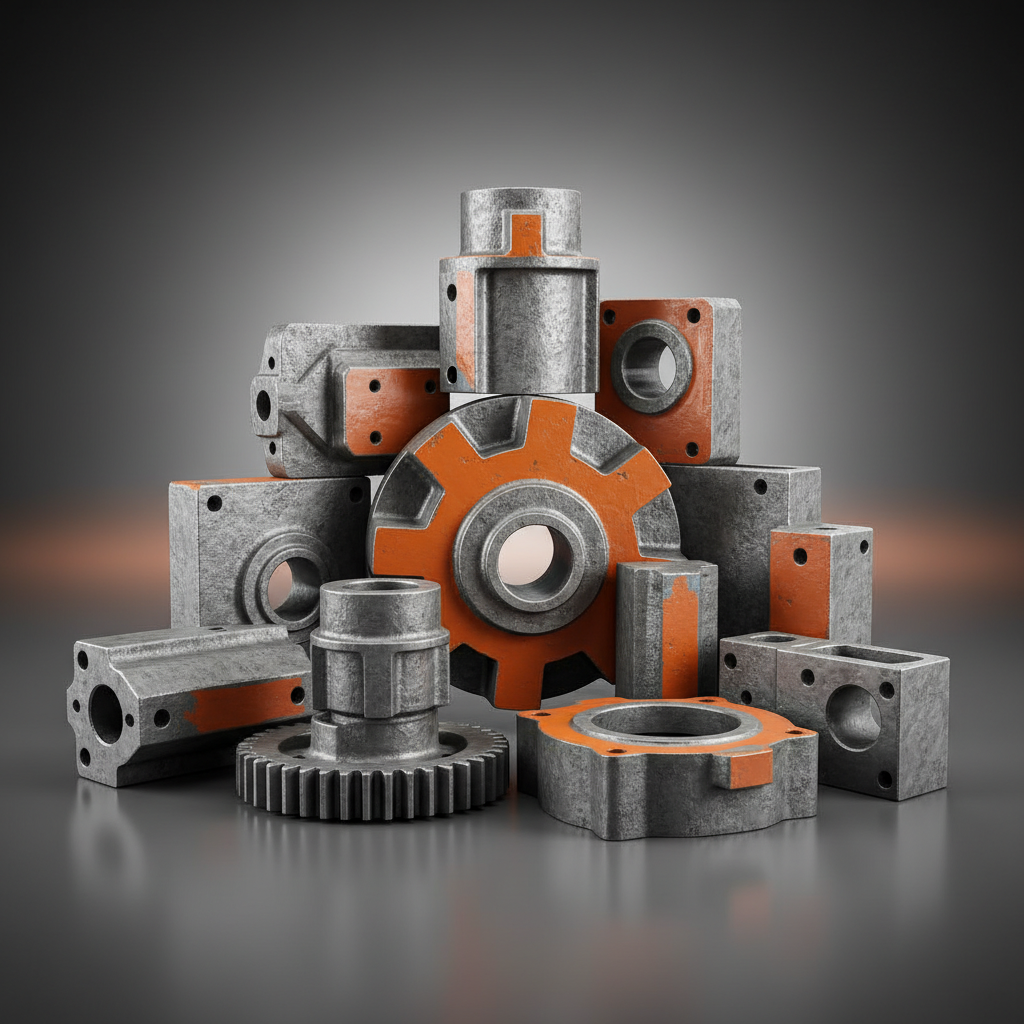
The process is essential for producing components that require consistent quality and reliability. Gravity die casting plays a critical role in supplying parts for various sectors, from automotive engine blocks and pump housings to lighting fixtures and marine components. Its adaptability makes it a cornerstone of modern industrial production.

Key Factors in Gravity Die Casting

Several core aspects define the success and capabilities of gravity die casting. Firstly, Mold Design is paramount. A well-designed mold ensures proper metal flow, minimizes turbulence, and facilitates easy part removal. Secondly, Material Selection plays a critical role. Choosing the right alloy (aluminum, magnesium, zinc) dictates the final component's strength, corrosion resistance, and thermal properties.

Thirdly, Cooling Rate Control is vital for achieving optimal microstructure and mechanical properties. Controlled cooling prevents defects like porosity and shrinkage. Finally, Surface Finish is a significant advantage of gravity die casting, often eliminating the need for extensive post-processing.

Gravity Die Casting Performance Metrics


Applications Across Industries

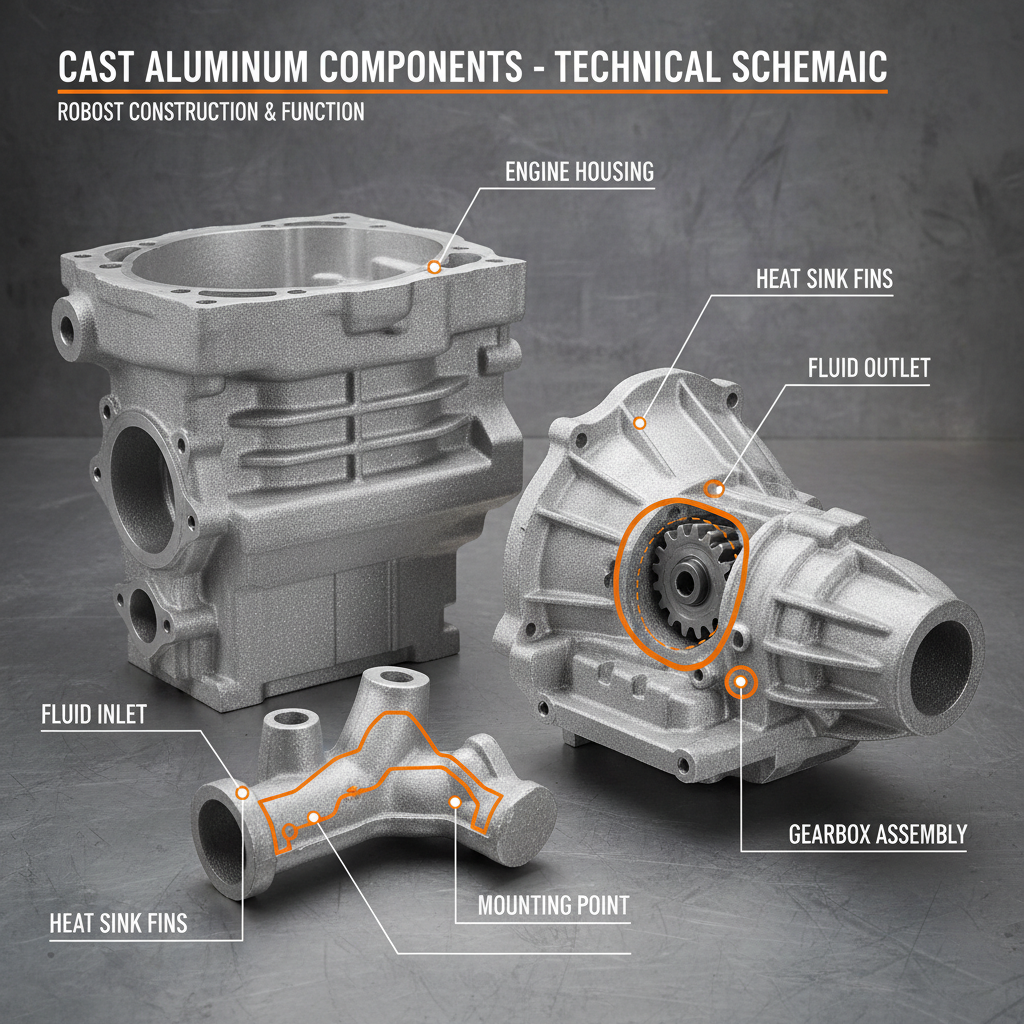
Gravity die casting finds extensive applications across diverse industries. In the Automotive sector, it's used for producing engine blocks, transmission housings, and wheels, leveraging its ability to create complex geometries with high strength. The Aerospace industry utilizes gravity die casting for components demanding tight tolerances and lightweight materials.

The Marine industry benefits from the corrosion resistance offered by certain alloys produced through gravity die casting, making it ideal for propellers, pump housings, and other components exposed to saltwater environments. gravity die casting manufacturers also cater to the Industrial machinery sector, supplying housings, pump bodies, and other critical parts.

Advantages and Long-Term Value

The advantages of gravity die casting are numerous and translate to long-term value for businesses. Cost-Effectiveness stems from lower tooling costs compared to high-pressure die casting and efficient production rates. Durability is ensured by the dense, fine-grained structure of the cast parts, offering excellent mechanical properties and resistance to wear.

Reliability is consistently high due to the precise control over the casting process, resulting in minimal defects. Moreover, gravity die casting supports Sustainability through material recyclability and reduced material waste. These factors combine to build Trust with customers and foster long-term partnerships.

Future Trends and Innovations

The future of gravity die casting is marked by several emerging trends. Automation is being increasingly integrated into manufacturing processes, improving efficiency and reducing labor costs. Digitalization and Industry 4.0 technologies, such as real-time process monitoring and data analytics, are optimizing casting parameters and improving quality control.

Advanced materials are also gaining traction, with research focused on developing new alloys with enhanced properties. Sustainable practices, including the use of recycled materials and energy-efficient processes, are becoming increasingly important. gravity die casting manufacturers are investing heavily in these areas to remain competitive and meet evolving customer demands.

The integration of 3D printing for rapid prototyping and mold creation is also a growing trend, allowing for faster design iterations and reduced lead times. This convergence of technologies promises to further enhance the capabilities and cost-effectiveness of gravity die casting.

FAQS

What are the main advantages of using gravity die casting over sand casting?

Gravity die casting offers several advantages over sand casting, including improved dimensional accuracy, a smoother surface finish, and higher mechanical properties. Permanent molds allow for tighter tolerances and more consistent casting results. While sand casting is more versatile for one-off prototypes, gravity die casting excels in medium to high-volume production runs where consistent quality is essential. The higher initial mold cost is offset by increased efficiency and reduced post-processing.

What materials are commonly used in gravity die casting?

Aluminum alloys are the most commonly used materials in gravity die casting due to their excellent castability, strength-to-weight ratio, and corrosion resistance. Magnesium alloys are also used where lightweighting is a priority, and zinc alloys are popular for applications requiring high detail and dimensional stability. Copper alloys and certain iron alloys can also be cast using this process, although they may require specific mold coatings and process controls.

How long does it typically take to create a die for gravity die casting?

The lead time for creating a die for gravity die casting varies depending on its complexity and size. A simple die can be ready in 4-6 weeks, while more complex designs may take 8-12 weeks or longer. The process includes mold design, machining, heat treatment, and quality inspection. Experienced gravity die casting manufacturers can optimize this process to minimize lead times without compromising quality.

What is the typical wall thickness range achievable with gravity die casting?

Gravity die casting generally allows for wall thicknesses ranging from 2mm to 12mm, although this can vary depending on the alloy and the part geometry. Thinner walls may require careful mold design and process control to prevent defects. Complex geometries with varying wall thicknesses can also present challenges, requiring expertise in metal flow simulation and mold design optimization.

What post-processing operations are typically required for gravity die cast parts?

Common post-processing operations for gravity die cast parts include machining, surface finishing (such as painting, powder coating, or anodizing), and heat treatment. Machining is often required to achieve tight tolerances and create features that cannot be easily cast. Surface finishing enhances corrosion resistance and aesthetics. Heat treatment can further improve mechanical properties like strength and hardness.

How can I ensure the quality of parts produced by a gravity die casting manufacturer?

To ensure quality, look for manufacturers with ISO 9001 certification and a robust quality control system. Request material certifications, dimensional inspection reports, and non-destructive testing results. Establish clear communication channels and provide detailed specifications. Regularly audit the manufacturer's facility and processes to verify compliance with your quality standards. A proactive approach to quality control is essential for a successful partnership.

Conclusion

In conclusion, gravity die casting manufacturers represent a vital component of the global manufacturing landscape, offering a blend of cost-effectiveness, durability, and precision. Their ability to produce high-quality metal parts across a wide range of industries makes them indispensable partners for businesses seeking reliable and efficient component production. Investing in understanding this process and selecting a capable manufacturer is crucial for long-term success.

Looking ahead, the continued adoption of automation, digitalization, and sustainable practices will shape the future of gravity die casting. By embracing these innovations, gravity die casting manufacturers can further enhance their capabilities, reduce their environmental impact, and meet the evolving needs of a dynamic global market.

Charles Wilson

Charles Wilson

Charles Wilson is a Senior Casting Engineer at Baoding Hairun Machinery Equipment Trading Co., Ltd., specializing in sand casting and investment casting. He’s a seasoned professional with a wealth of experience in the design and implementation of casting solutions for complex geometries. Charles's expertise includes material selection, mold design, and
Previous Expert Magnesium Die Casting Manufacturers for Lightweight Solutions
Next Expert Alloy Die Casting Manufacturer Navigating Modern Design Challenges