Magnesium die casting suppliers are pivotal to a diverse range of industries globally, providing lightweight yet strong components essential for automotive, aerospace, electronics, and medical applications. The demand for these suppliers is consistently increasing due to the growing need for fuel efficiency in transportation and miniaturization in electronics. Understanding the capabilities, quality standards, and supply chain dynamics of these suppliers is crucial for manufacturers seeking competitive advantages.
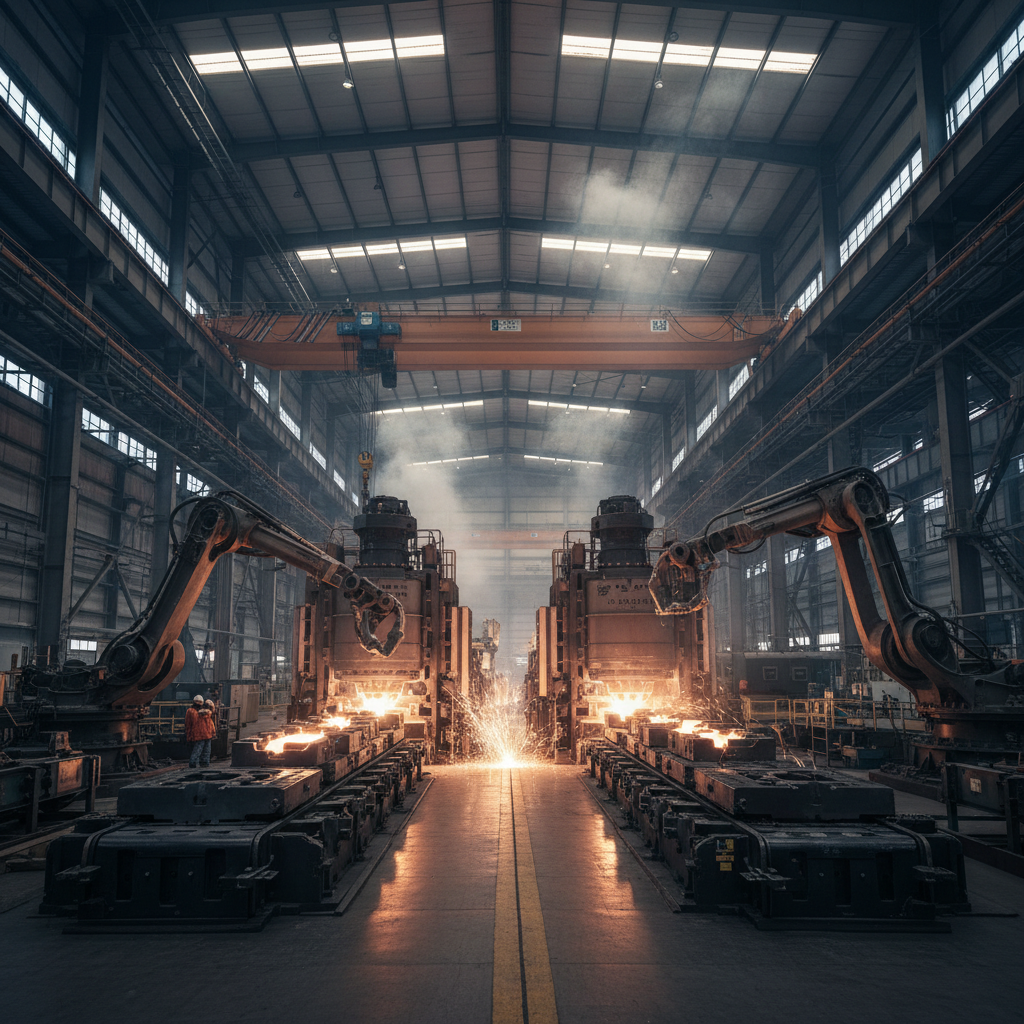
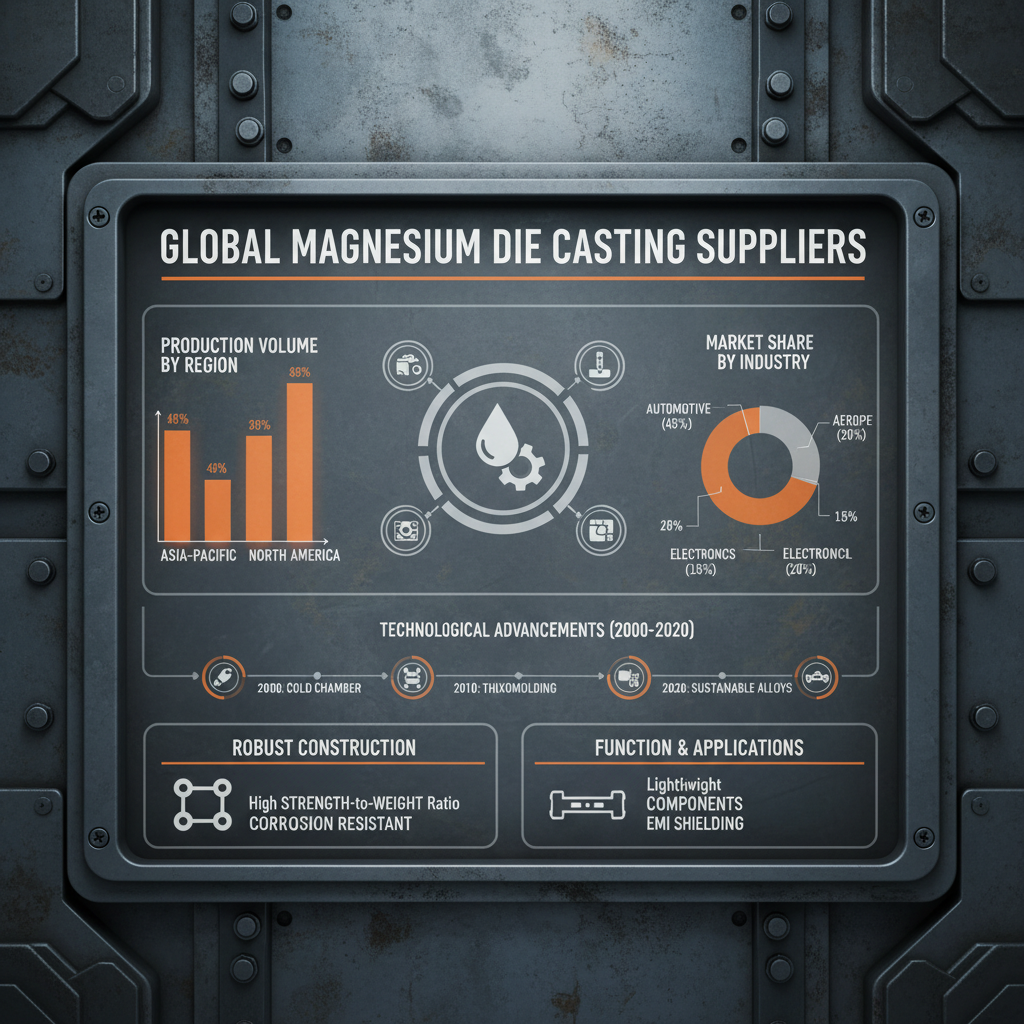
The global landscape of magnesium die casting is evolving rapidly, driven by technological advancements in alloy development, casting techniques, and automation. Asia, particularly China, dominates the production volume, presenting both opportunities and challenges for international buyers. Effective sourcing strategies, encompassing thorough vetting of suppliers, robust quality control measures, and consideration of logistical complexities, are paramount to success in this market.
Successfully navigating the world of magnesium die casting requires a deep understanding of material properties, tooling design, and the intricacies of the die casting process. The selection of a reliable supplier isn’t just about cost; it’s about ensuring component integrity, adherence to specifications, and timely delivery—factors that directly impact product quality and overall business performance.
Introduction to magnesium die casting suppliers
Magnesium die casting suppliers play a critical role in modern manufacturing, specializing in the production of complex metal parts using the die casting process. These suppliers offer a range of services, from tooling design and prototyping to high-volume production, serving industries that demand lightweight, high-strength components. Identifying the right supplier is essential for ensuring product quality and supply chain reliability.
The capabilities of magnesium die casting suppliers vary significantly. Some specialize in specific alloy compositions, while others focus on particular part sizes or complexities. Understanding these nuances is vital for selecting a supplier that can meet your precise requirements. It’s important to assess their tooling capabilities, in-house finishing services, and quality control procedures to ensure they align with your project needs.
Defining magnesium die casting suppliers
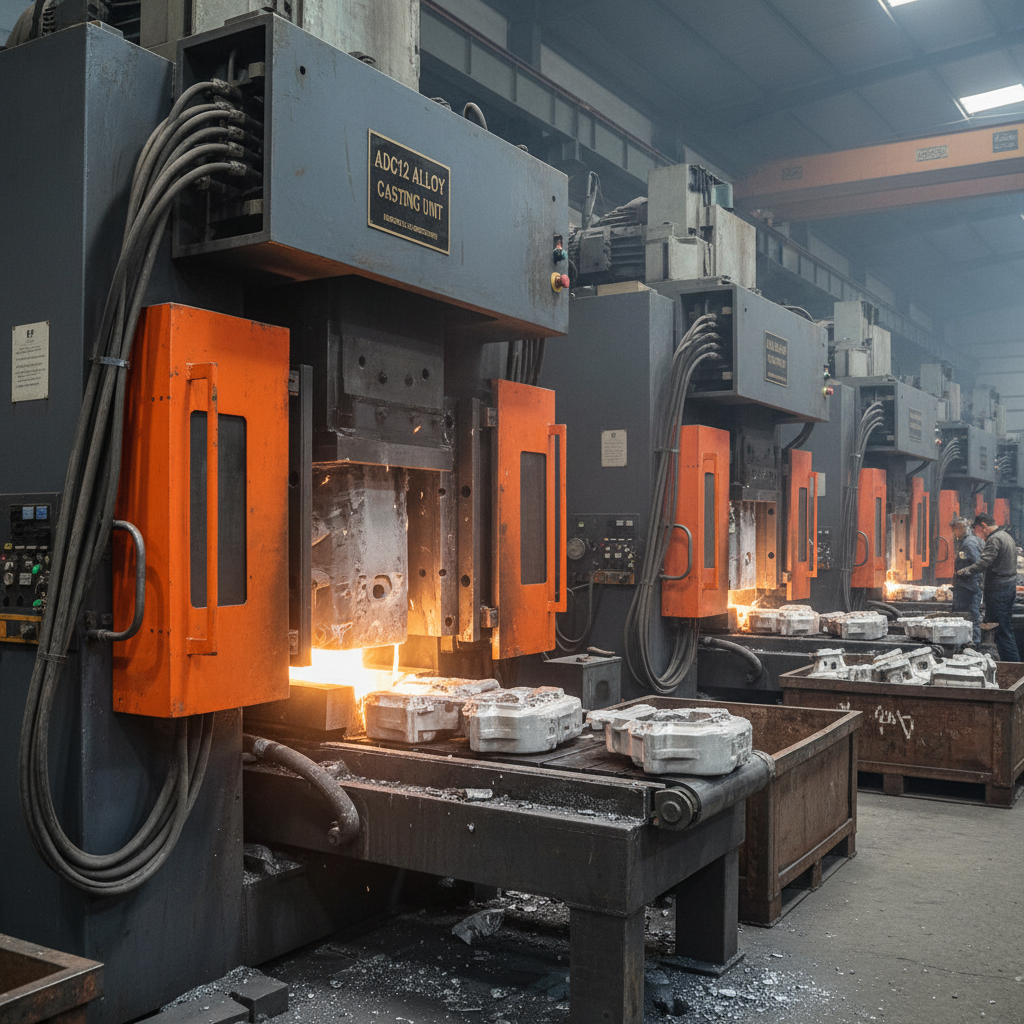
Magnesium die casting suppliers are companies that specialize in the die casting process, specifically utilizing magnesium alloys. Die casting is a manufacturing process where molten metal is forced into a mold cavity under high pressure. This results in parts with excellent dimensional accuracy, a smooth surface finish, and complex geometries. Suppliers often provide comprehensive services including tooling design, material selection, casting, and post-casting processing.
These suppliers connect directly to the needs of modern industry. Magnesium alloys offer an exceptional strength-to-weight ratio, making them ideal for applications in automotive, aerospace, and portable electronics, where reducing weight is crucial. They facilitate innovation in product design and improve performance characteristics across diverse sectors.
The rise of magnesium die casting suppliers directly correlates with the increasing demand for lightweight materials to enhance fuel efficiency, reduce emissions, and improve the functionality of products. They are essential contributors to a more sustainable and technologically advanced manufacturing ecosystem.
Core Aspects of Quality magnesium die casting suppliers
A reliable magnesium die casting supplier hinges on several core aspects. First, material expertise is crucial. Suppliers must possess in-depth knowledge of magnesium alloys, their properties, and suitability for specific applications. This includes understanding the nuances of different alloy compositions and their performance characteristics.
Second, tooling capabilities are paramount. High-quality tooling is essential for producing accurate and consistent castings. Suppliers should have experienced toolmakers and utilize advanced tooling materials and techniques. The lifespan and maintenance of tooling are also important considerations for long-term cost-effectiveness.
Third, quality control processes must be rigorous. Suppliers should implement comprehensive quality control measures throughout the entire production process, including raw material inspection, in-process monitoring, and final product testing. This ensures that castings meet specified tolerances and standards. Finally, capacity and lead times play a significant role in meeting project deadlines.
Practical Applications of magnesium die casting suppliers
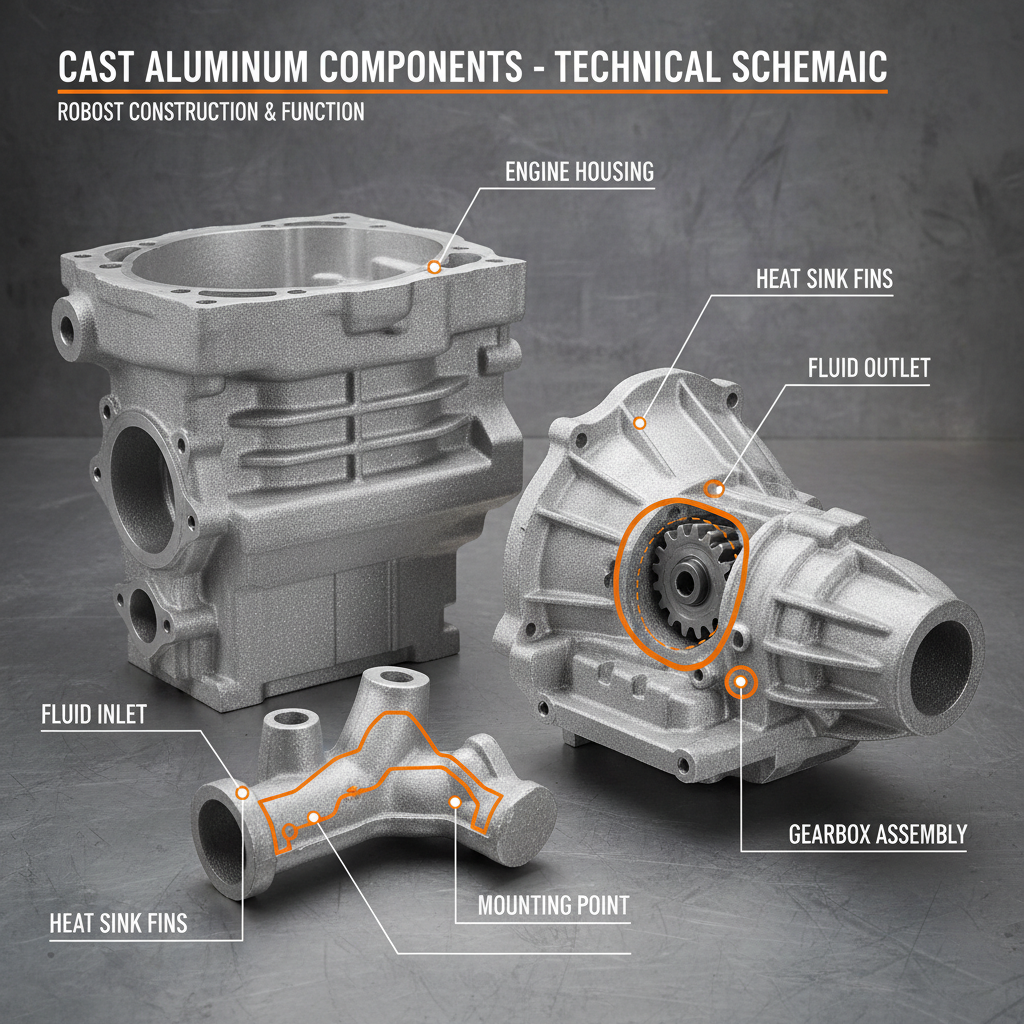
Magnesium die casting suppliers serve a vast array of industries. The automotive sector is a major consumer, utilizing magnesium castings for engine components, transmission housings, and structural parts to reduce vehicle weight and improve fuel efficiency. Aerospace also relies on magnesium for lightweight structural components and housings.
The electronics industry leverages magnesium for laptop casings, mobile phone components, and camera bodies, benefiting from its excellent electromagnetic shielding properties and light weight. Medical devices frequently incorporate magnesium castings for housings and internal components, where biocompatibility and lightweight construction are crucial.
Magnesium Die Casting Suppliers – Application Breakdown
Advantages and Long-Term Value of magnesium die casting suppliers
Partnering with experienced magnesium die casting suppliers delivers significant advantages. Cost-effectiveness is a primary benefit, stemming from reduced material usage due to magnesium’s lightweight properties and efficient die casting processes. This results in lower production costs compared to other metals.
Long-term value extends beyond initial cost savings. Magnesium components contribute to increased product performance, extended lifecycles, and enhanced sustainability through reduced energy consumption. A reliable supplier can also provide design optimization assistance, helping to maximize these benefits and minimize potential challenges.
Future Trends in magnesium die casting suppliers
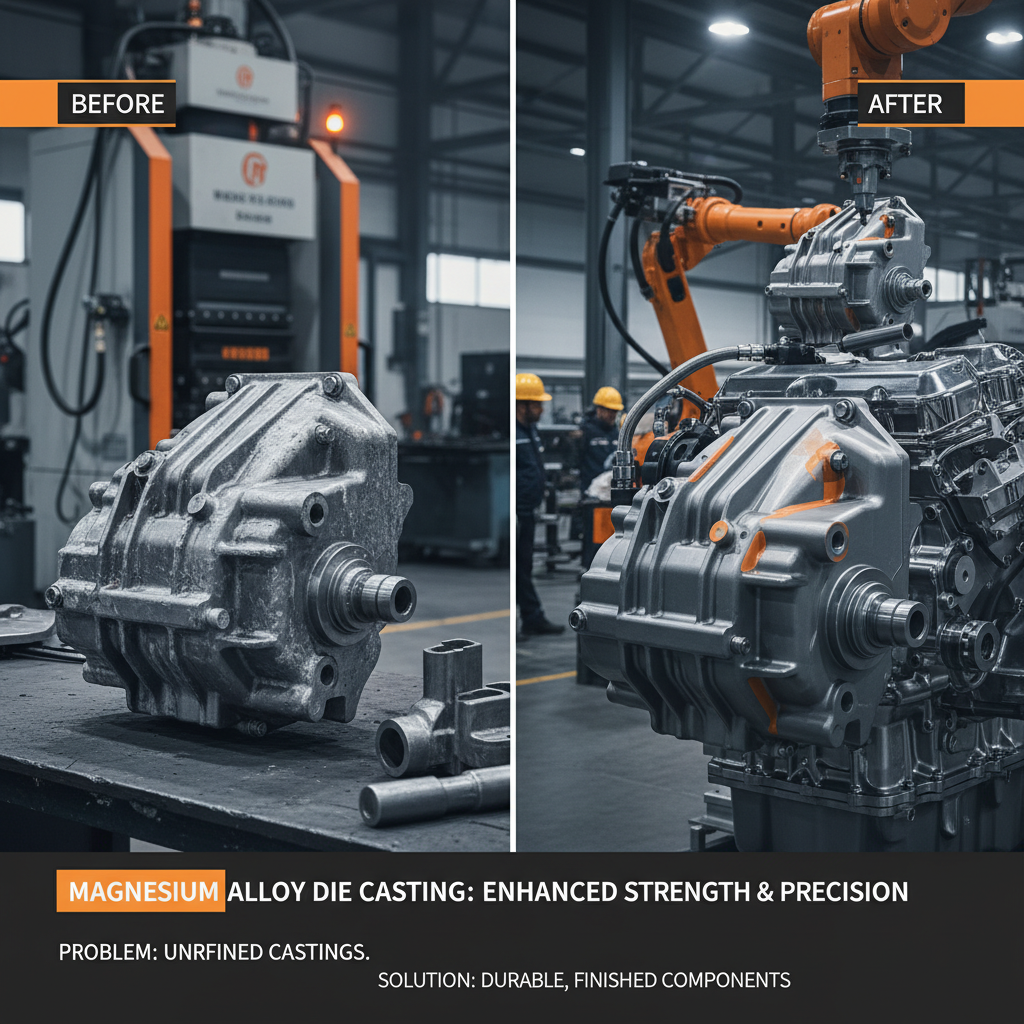
The future of magnesium die casting suppliers is intrinsically linked to several emerging trends. Increased automation, including robotic die casting cells and automated finishing systems, is boosting efficiency and reducing labor costs. The development of new magnesium alloys with improved strength, corrosion resistance, and thermal properties is expanding the range of applications.
Sustainability is also becoming a key driver. Suppliers are adopting eco-friendly practices, such as recycling magnesium scrap and reducing energy consumption. Digitalization and Industry 4.0 technologies, including predictive maintenance and real-time process monitoring, are enhancing operational efficiency and quality control.
Challenges and Solutions for magnesium die casting suppliers
Magnesium die casting suppliers face challenges such as fluctuating raw material prices, the need for specialized expertise, and the complexity of managing the die casting process. Ensuring consistent quality and minimizing porosity in castings are ongoing concerns.
Solutions include establishing long-term supply contracts to mitigate price volatility, investing in employee training and development, and implementing advanced process control technologies. Utilizing simulation software for tooling design and process optimization can help minimize defects and improve casting quality.
Furthermore, collaboration with research institutions and material scientists is crucial for developing innovative alloys and casting techniques. Embracing lean manufacturing principles and continuous improvement methodologies is essential for staying competitive in a dynamic market.
Summary of Key Challenges and Solutions for magnesium die casting suppliers
| Challenge |
Impact on Suppliers |
Proposed Solution |
Implementation Difficulty (1-10) |
| Raw Material Price Volatility |
Reduced Profit Margins, Pricing Uncertainty |
Long-Term Supply Contracts, Hedging Strategies |
6 |
| Porosity in Castings |
Component Weakness, Quality Rejections |
Optimized Die Design, Process Control |
8 |
| Skilled Labor Shortage |
Reduced Productivity, Increased Errors |
Training Programs, Automation |
7 |
| Complex Tooling Requirements |
High Tooling Costs, Long Lead Times |
Simulation Software, Experienced Toolmakers |
9 |
| Maintaining Quality Consistency |
Customer Dissatisfaction, Increased Scrap |
Rigorous Quality Control Procedures, Statistical Process Control |
7 |
| Increasing Sustainability Demands |
Reputational Risk, Regulatory Compliance |
Recycling Programs, Energy Efficiency Measures |
5 |
FAQS
When choosing a magnesium die casting supplier, consider their material expertise, tooling capabilities, quality control processes, capacity, lead times, and financial stability. It's crucial to assess their experience with your specific application, their ability to meet your quality standards, and their commitment to on-time delivery. Request samples, conduct site visits, and check references to ensure they align with your needs.
Common defects include porosity, cold shuts, and dimensional inaccuracies. Porosity can be minimized through optimized die design, controlled casting parameters (temperature, pressure), and alloy selection. Cold shuts can be avoided by ensuring proper metal flow and adequate venting. Dimensional inaccuracies are addressed through precise tooling and consistent process control.
Magnesium die casting is often more cost-effective for high-volume production runs, particularly when considering the weight savings. While the initial tooling cost can be higher than some other processes, the faster cycle times and reduced material usage can lead to lower per-part costs. It's crucial to evaluate the total cost of ownership, including material, tooling, labor, and finishing.
Magnesium die castings can undergo various surface finishing treatments, including powder coating, painting, anodizing, and plating. The choice of finish depends on the desired aesthetic appearance, corrosion resistance, and functional requirements. Proper surface preparation is critical for ensuring good adhesion and long-term performance of the finish.
Magnesium is a recyclable material, and many suppliers are implementing recycling programs to minimize waste. However, the die casting process can generate some hazardous waste, such as spent alloys and finishing chemicals. Responsible suppliers adhere to environmental regulations and employ waste management practices to minimize their environmental impact.
Begin with thorough supplier qualification, including a detailed review of their quality control processes and certifications. Request initial samples for inspection and testing. Implement a robust inspection plan during the production run, and consider utilizing a third-party inspection service for added assurance. Establish clear communication channels and address any quality concerns promptly.
Conclusion
In conclusion, magnesium die casting suppliers are integral to countless industries, providing lightweight, high-strength components crucial for innovation and efficiency. Understanding the key aspects of supplier selection, material properties, and manufacturing processes is paramount for success. By prioritizing quality, sustainability, and technological advancement, manufacturers can harness the full potential of magnesium die casting to achieve a competitive edge.
Looking ahead, the demand for magnesium die castings will continue to grow, driven by the need for lighter, more fuel-efficient products. Suppliers who embrace automation, invest in new alloy development, and prioritize environmental responsibility will be best positioned to thrive in this dynamic market. For optimal results, we invite you to explore our extensive network of qualified magnesium die casting suppliers and discover how we can assist you with your sourcing needs.