


Brass Die Casting: Efficient, Durable, and Sustainable Industrial Manufacturing Solutions
Understanding Brass Die Casting: The Backbone of Durable Industrial Components
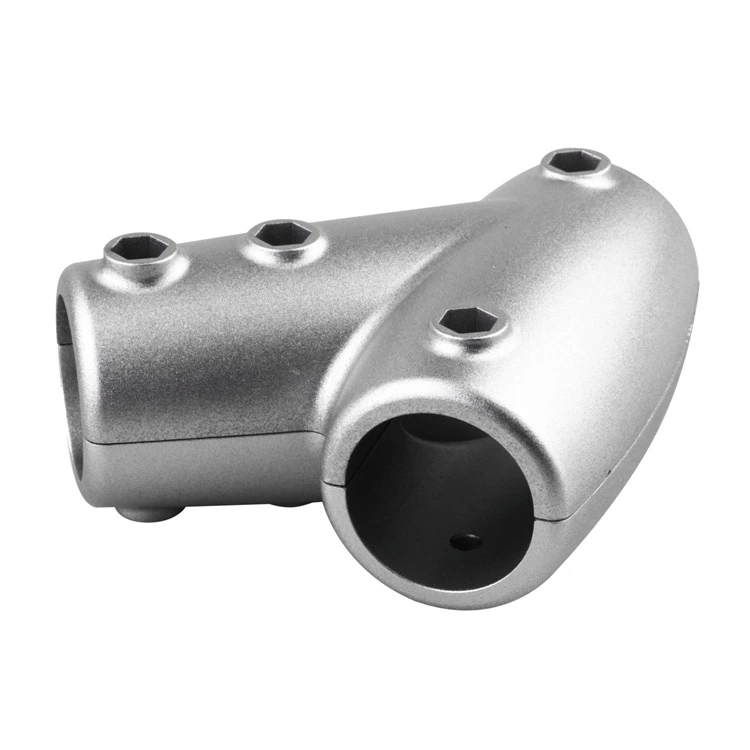
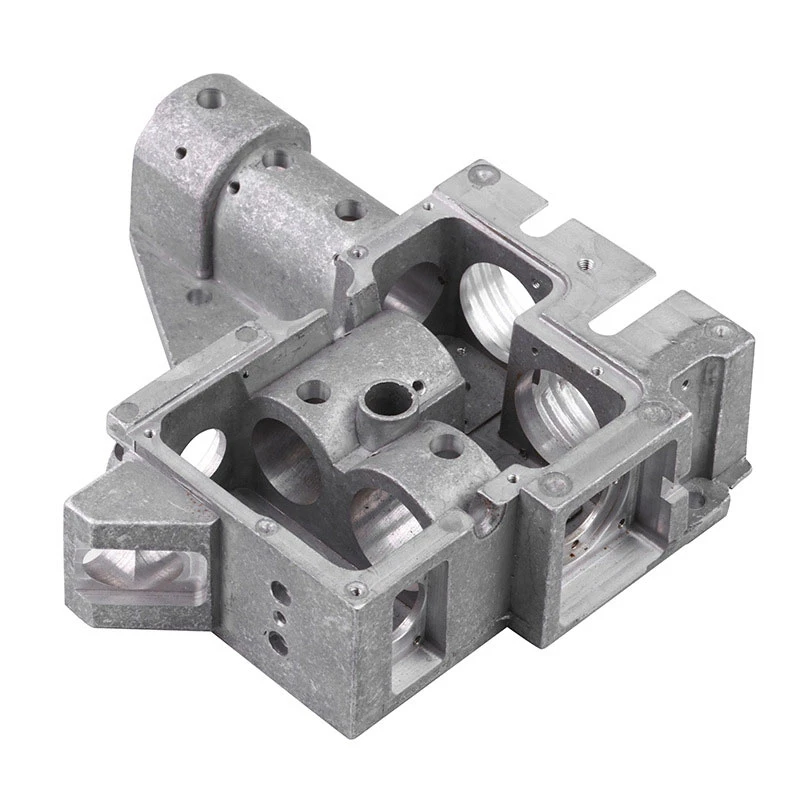
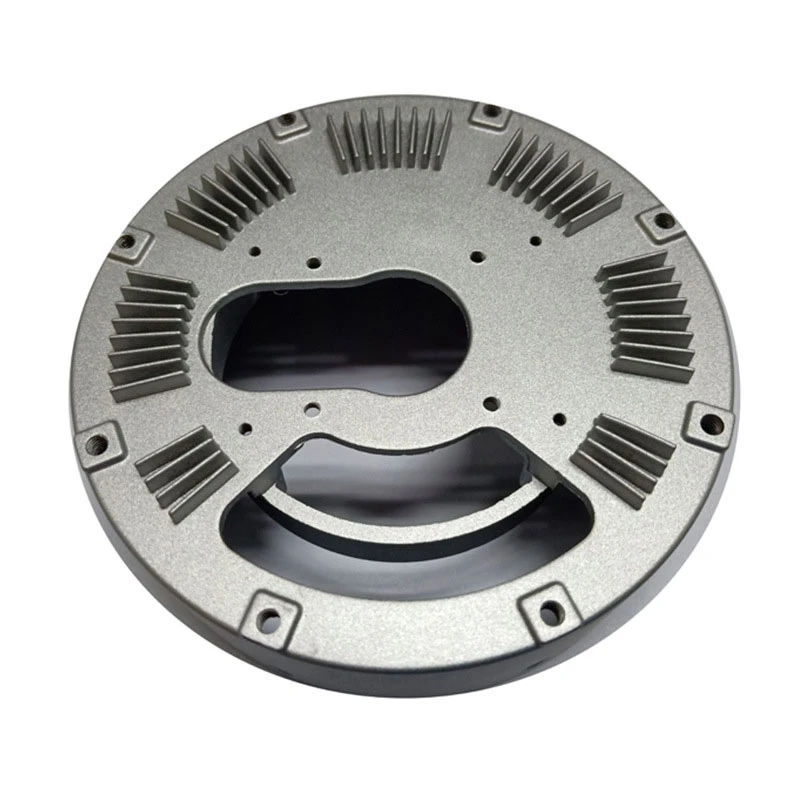
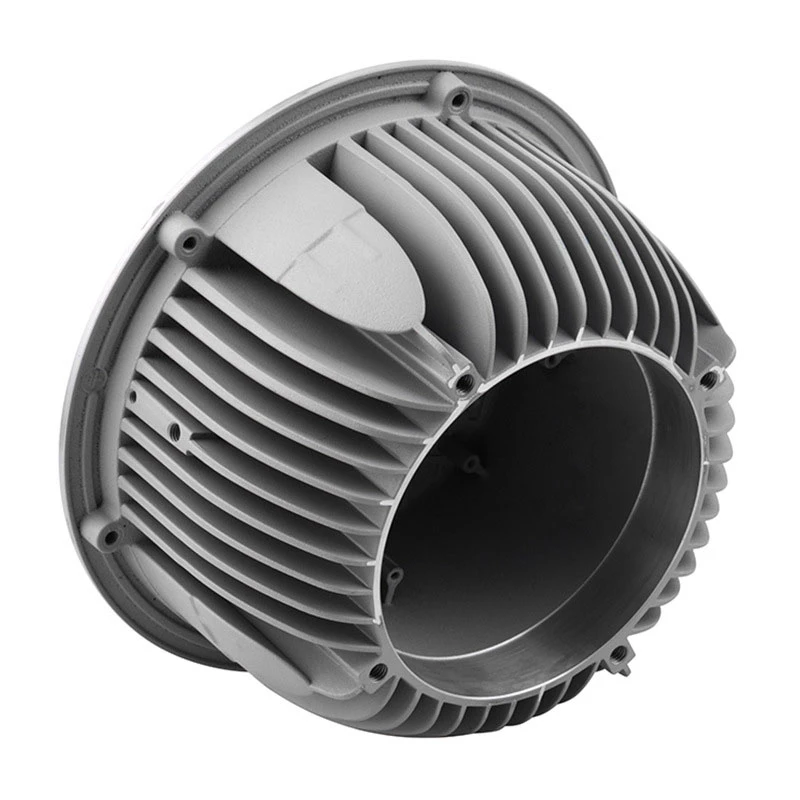
Brass die casting is one of those foundational industrial processes that often fly under the radar—but play a huge role in many products we rely on every day. At its core, it’s a manufacturing technique that shapes molten brass into complex, high-precision parts by injecting it into steel molds under high pressure. It matters globally because it's used heavily in sectors ranging from automotive to plumbing, aerospace to telecommunications. Grasping its nuances isn’t just for engineers—it helps businesses gain efficiency, creates jobs, and supports sustainable manufacturing.
The Global Context: Why Brass Die Casting Matters Today
Globally, the metals and manufacturing sector accounted for about 16% of industrial output according to the United Nations Industrial Development Organization (UNIDO). With brass alloys prized for their corrosion resistance and machinability, brass die casting fits neatly into this industrial puzzle. However, worldwide supply chains often face material scarcity, quality inconsistency, and environmental pressure. Brass die casting addresses some of these challenges by enabling precise, repeatable production minimizing waste and energy consumption. Plus, with rising demand in developing economies for durable, cost-effective components, the die casting process is expanding well beyond traditional hubs in Asia and Europe.
What Exactly Is Brass Die Casting?
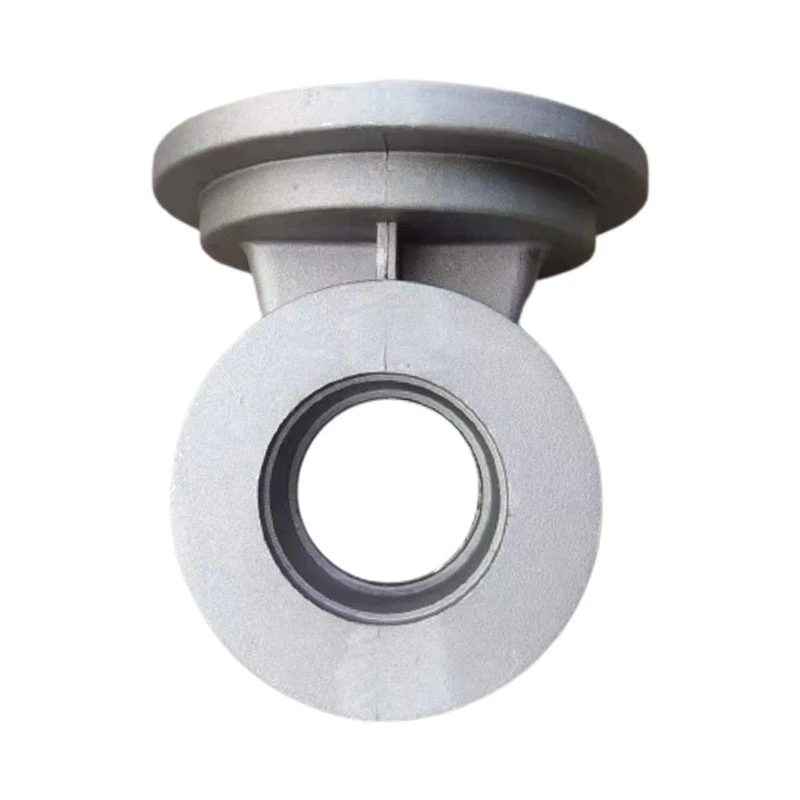
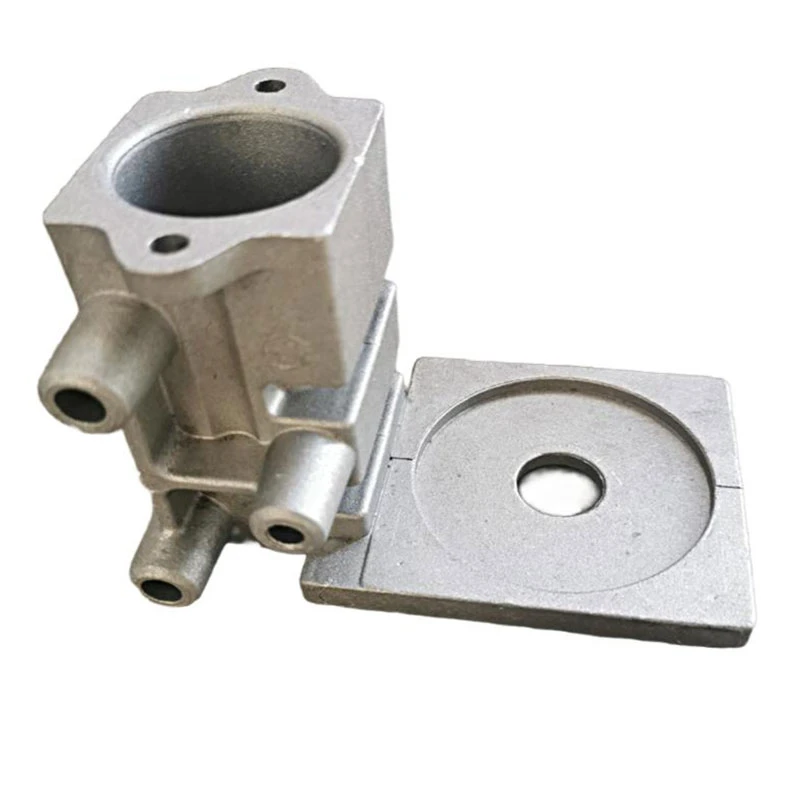
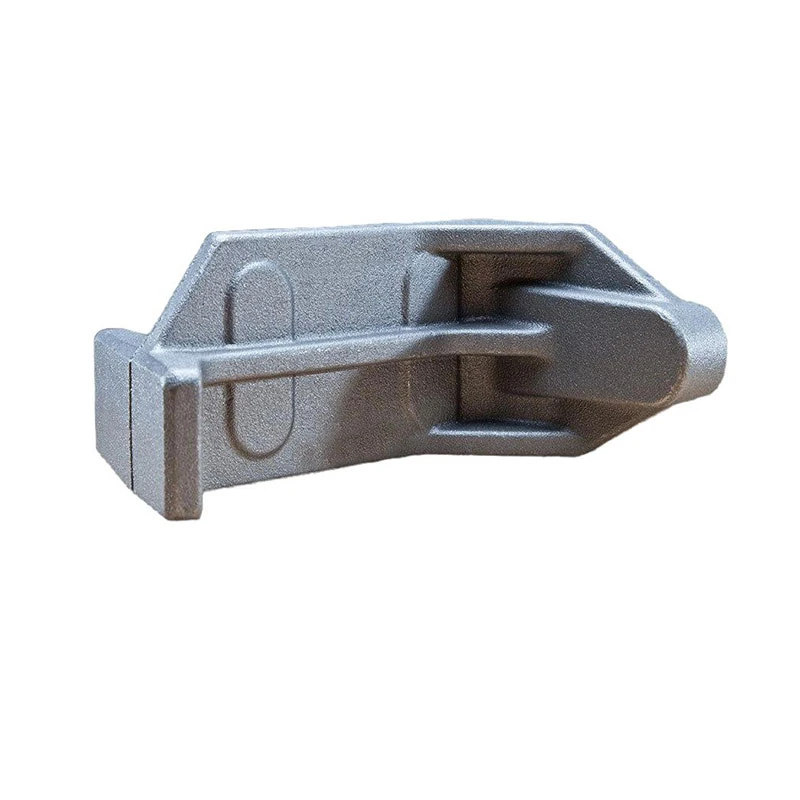
Simply put, brass die casting is the method of producing brass components by forcing molten metal into steel molds—or dies—at high pressure. This process dramatically shortens production times compared to traditional brass machining and yields parts with smooth finishes and tight tolerances. Unlike sand casting, die casting provides superior consistency and is especially vital for manufacturing intricate parts that would be difficult or impossible to make otherwise. From faucets to electrical connectors, modern industries rely on this technique to meet high-volume demands without compromising on quality.
Key Aspects of Brass Die Casting
1. Durability and Material Strength
Brass alloys naturally offer excellent strength, corrosion resistance, and thermal conductivity. The die casting process preserves these properties while producing dense, defect-free parts that withstand harsh environments.
2. Scalability and Production Speed
Once a mold is created, you can churn out thousands of identical pieces quickly. This scalability is ideal for industries needing mass production but demanding exact specifications.
3. Cost Efficiency
Though initial tooling costs are high, the per-piece cost drops significantly at scale. Less machining after casting reduces labor and material waste, which means savings pass down—and frankly, your buyer appreciates that.
4. Design Flexibility
Complex shapes, thin walls, and integrated features can be produced with minimal secondary finishing. This flexibility sparks innovation in product design and allows for customization without prohibitive costs.
5. Environmental Considerations
Brass is 100% recyclable and reclaimed brass can be re-melted indefinitely without degradation. Plus, modern die casting machines use energy-efficient technology minimizing emissions compared to older metal fabrication methods.
Brass Die Casting In Real-World Applications
Industries worldwide lean on brass die casting for precision and reliability. Here are a few examples:
- Plumbing and HVAC: Durable valves, fittings, and connectors are often die-cast brass, valued for leak resistance and longevity.
- Automotive: Components like radiator parts, heat exchangers, and gears benefit from brass die casting’s strength and thermal properties.
- Telecommunications: Connectors and enclosures require tight dimensional accuracy achievable only with this method.
- Renewable Energy: Brass die castings are used in wind turbines and solar panel mounts due to corrosion resistance in harsh outdoor conditions.
- Disaster Relief Infrastructure: In post-disaster scenarios, rapid production of durable housings and fixtures made with brass components can be critical.
Oddly enough, I’ve noticed that many remote industrial zones in Southeast Asia and Latin America rely heavily on brass die cast parts because the material’s longevity means fewer maintenance headaches—crucial where skilled labor and resources are sparse.
Product Specification Table for Brass Die Casting
| Specification | Typical Value | Notes |
|---|---|---|
| Material Composition | 60-65% Copper, 30-35% Zinc, others | Varies by alloy grade |
| Casting Pressure | 70-105 MPa | Depends on die size and complexity |
| Typical Wall Thickness | 1.5 - 5 mm | Thinner walls possible with special dies |
| Tolerances | ±0.05 mm to ±0.1 mm | High precision achievable |
| Surface Finish | RA 0.8 - 1.6 µm | Smooth, minimal post-processing |
Comparing Leading Brass Die Casting Vendors
| Vendor | Production Capacity | Typical Lead Times | Specialization | Geographic Focus |
|---|---|---|---|---|
| Alpha Castings | Up to 5 million parts/year | 4–6 weeks | Automotive & HVAC | North America, Europe |
| Bravo Metals | 2 million parts/year | 3–5 weeks | Precision electrical components | Asia-Pacific, Europe |
| Charlie Foundry | 1.2 million parts/year | 6–8 weeks | Custom alloys & prototype runs | Global |
Advantages and Long-Term Value of Brass Die Casting
Brass die casting doesn’t just simplify manufacturing; it brings tangible advantages:
- Cost Savings: With minimal machining and fast cycle times, production costs drop dramatically.
- Reliability: Its excellent mechanical properties ensure products withstand wear and extreme conditions.
- Sustainability: Recyclability combined with energy-efficient production aligns with green manufacturing goals.
- Safety and Trust: In sectors like plumbing or safety valves, dependable parts protect lives and build brand trust.
- Innovation Catalyst: Design freedom fuels new product ideas commercializable at scale.
Emerging Trends & Future Innovations
The industry is evolving. Digitization—like AI-driven design optimization—and automation are boosting quality control. Hybrid metal injection techniques and advanced alloys improve performance and weight reduction. Environmentally, a push for “green casting” using renewable energy sources and improved recycling technology is underway. Oddly enough, brass die casting is no longer just “standard metalwork” but part of the smart manufacturing revolution.
Challenges & Expert Solutions
No process is perfect. Brass die casting faces challenges such as:
- Tooling Costs: High upfront mold fabrication expense limits use for small batches.
- Complexity Limits: Extremely intricate shapes may require multi-part molds or secondary operations.
- Porosity & Defects: Gas entrapment can weaken parts if not properly controlled.
Experts recommend advanced simulation software to optimize mold design and improved vacuum die casting machines to reduce porosity. Partnering with experienced suppliers who perform rigorous testing ensures issues get nipped early.
FAQ: Frequently Asked Questions About Brass Die Casting
Q1: How long does it take to produce brass die cast parts?
A: Typically, after mold creation, production cycles are quick—often just 30 to 60 seconds per part. Including molding and finishing, lead times usually range from 3 to 8 weeks depending on complexity and volume.
Q2: Can brass die cast parts be customized?
A: Absolutely. The process allows for intricate designs with integrated features. Adjustments to thickness, texture, and alloy composition help tailor parts to specific applications.
Q3: What industries most commonly use brass die casting?
A: Plumbing, automotive, electronics, and renewable energy sectors are major users due to brass’s corrosion resistance and durability.
Q4: Is brass die casting environmentally friendly?
A: Yes, especially when combined with recycled brass. The process is energy-efficient relative to other casting methods, and the metal itself is recyclable without quality loss.
Q5: How can companies source brass die casting services globally?
A: Many vendors offer international shipping and turnkey services. It’s best to partner with suppliers certified for quality and with proven logistics expertise—for instance, via platforms like brass die casting.
Conclusion & Call to Action
Brass die casting continues to hold a vital place in modern manufacturing, fusing durability, precision, and scalability in one versatile process. Its benefits ripple from cost effectiveness to environmental responsibility, making it a go-to solution for many industries worldwide. To harness these advantages for your own projects, explore trusted sources and suppliers. Visit our website for more insights and connections: https://www.hairunsourcing.com.
Mini takeaway: Brass die casting is not just an industrial step, it’s a strategic enabler of innovation and sustainability in manufacturing.
References:
-
Comprehensive Guide to Automotive Die Casting for Enhanced Vehicle PerformanceNewsJan.27,2026
-
Comprehensive Guide to Aluminum Pressure Die Casting Manufacturing ProcessesNewsJan.27,2026
-
Hot Chamber Die Casting vs Cold Chamber Die Casting ExplainedNewsJan.06,2026
-
Hot Chamber And Cold Chamber Die Casting Solutions for Industrial Applications | Hairun SourcingNewsJan.06,2026
-
Hot and Cold Chamber Die Casting: Key Insights from Industry ExpertsNewsJan.06,2026
-
Comprehensive Guide on Graphite Die Casting for B2B Manufacturing | HairunSourcingNewsJan.05,2026