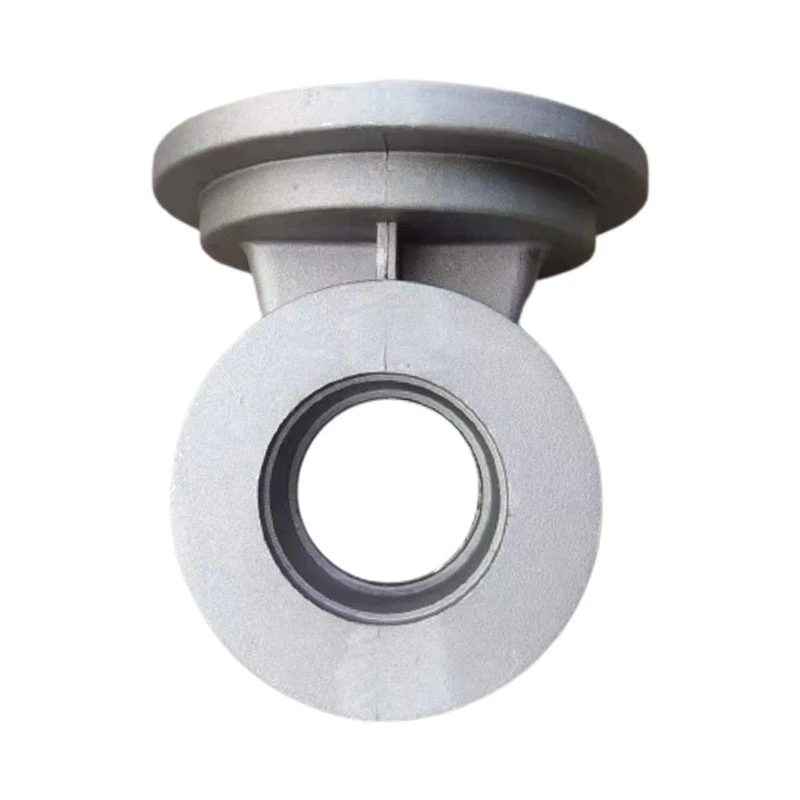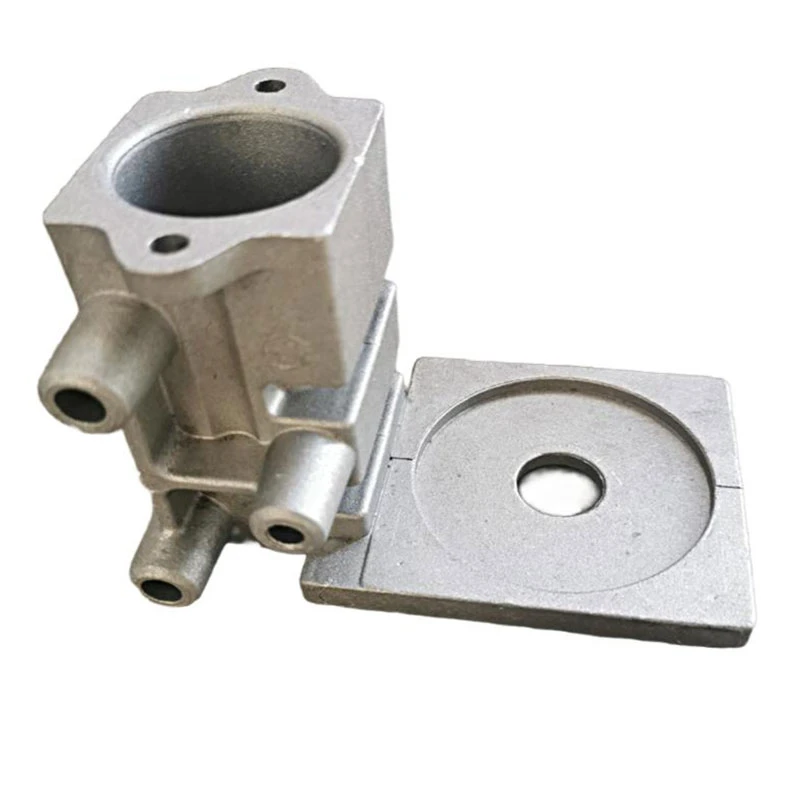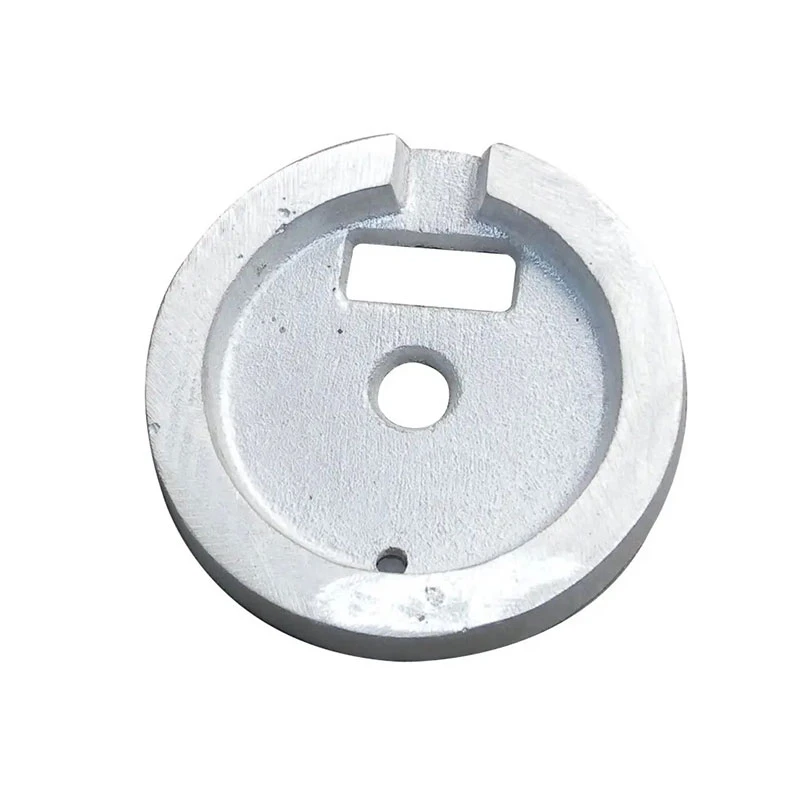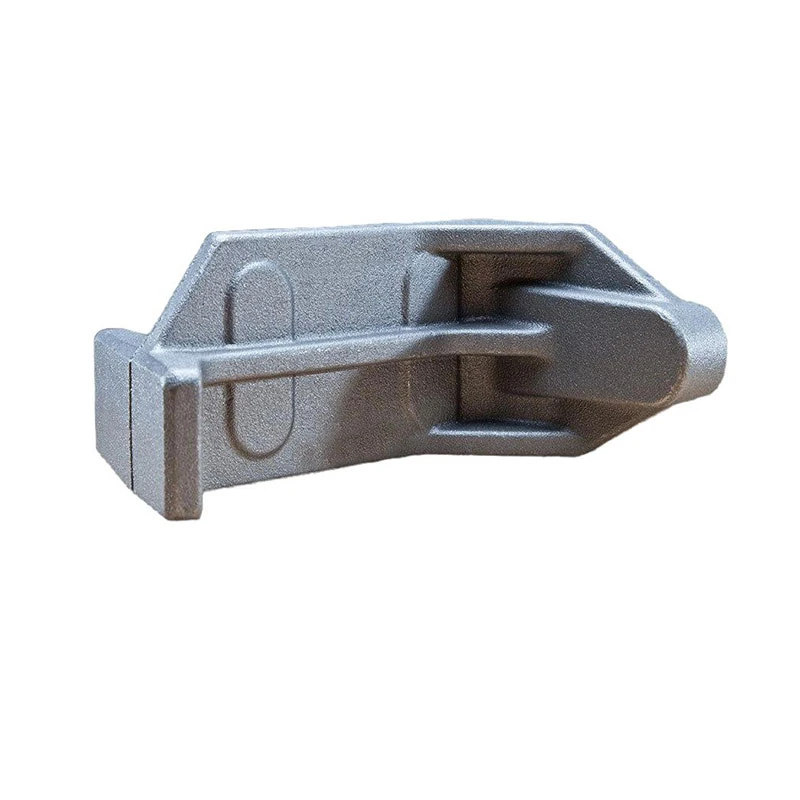



Custom Pressure Casting: Precision, Low Porosity, Fast.
Pressure Casting is a key solution in the manufacturing industry, specifically within Fabricated metal products and Manufacturing of castings and forgings. This article explores how Baoding Hairun Machinery And Equipment Trading Co., Ltd. supports professionals with durable, high-performance products, and explains why this product is an ideal choice for businesses in these sectors.
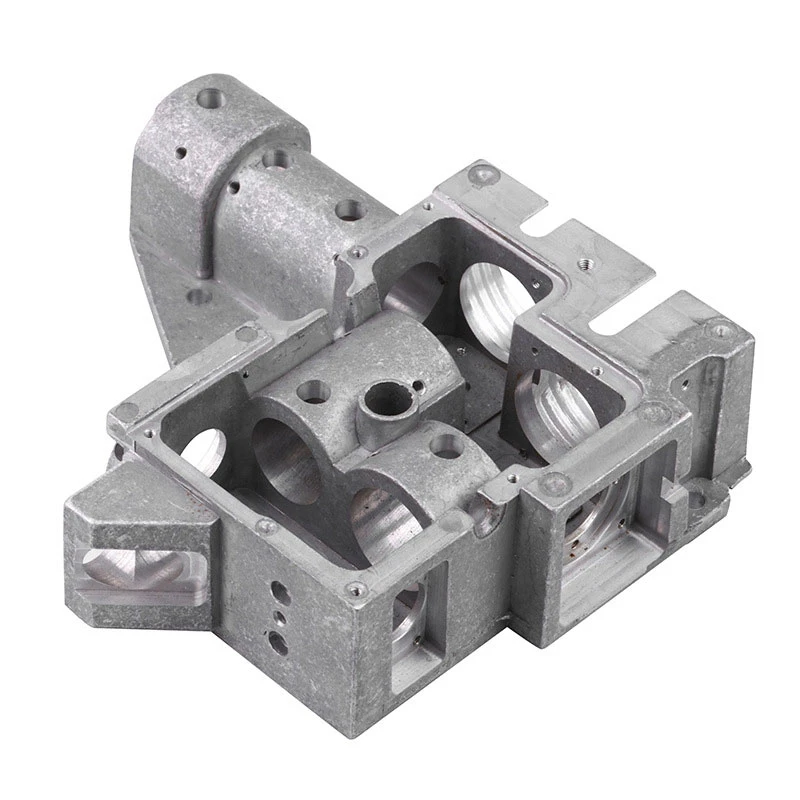
Table of Contents
- Pressure Casting Overview
- Benefits & Use Cases of Pressure Casting in Manufacturing of castings and forgings
- Cost, Maintenance & User Experience
- Sustainability & Market Trends in manufacturing
- Conclusion on Pressure Casting from Baoding Hairun Machinery And Equipment Trading Co., Ltd.
Pressure Casting Overview
Pressure casting—commonly known as high-pressure die casting (HPDC)—forces molten metal into a hardened steel die at high velocity and pressure, delivering repeatable, net-shape or near-net-shape parts. For B2B decision makers across fabricated metal products and the wider Manufacturing of castings and forgings segment, HPDC offers a scalable route to precision components with thin walls, tight tolerances, and excellent surface finish. Typical aluminium die casting products achieve consistent dimensional accuracy with thin sections often in the 1–3 mm range (design dependent), enabling weight reduction without sacrificing strength.
Beyond HPDC, vacuum die casting improves fill quality and reduces gas porosity—ideal for pressure-tight parts and post-process heat treatment—while aluminium gravity die casting (permanent mold casting) can be selected when moderate volumes, robust mechanical properties, and lower tooling costs are priorities. Baoding Hairun Machinery And Equipment Trading Co., Ltd. supports these process options around OEM die casting piston fittings and allied components, combining DFM guidance, tooling development, and stable production for industrial, mobility, and equipment applications.
In practice, pressure casting delivers high throughput, short cycle times, and excellent repeatability—key advantages when consolidating multiple machined components into a single casting. Whether your engineering team works in metric or imperial die casting standards, Baoding Hairun can align with your drawing conventions and critical-to-quality requirements to help compress development cycles and standardize quality at scale.
Benefits & Use Cases of Pressure Casting in Manufacturing of castings and forgings
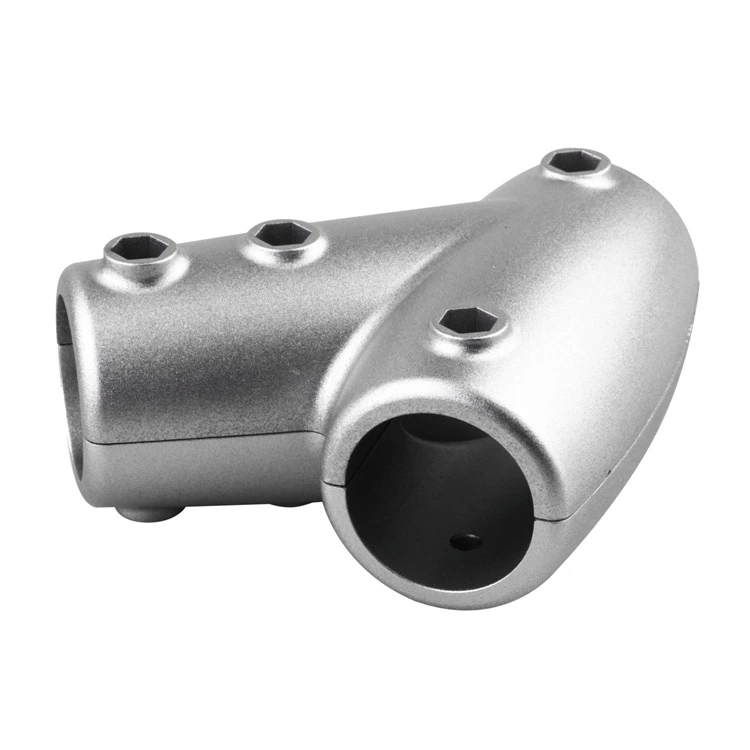
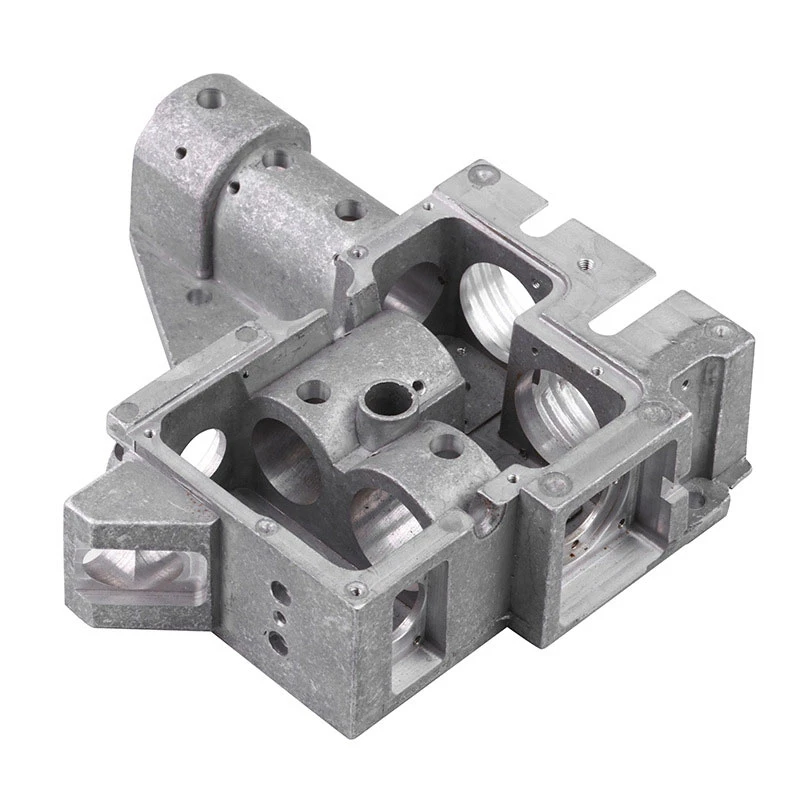
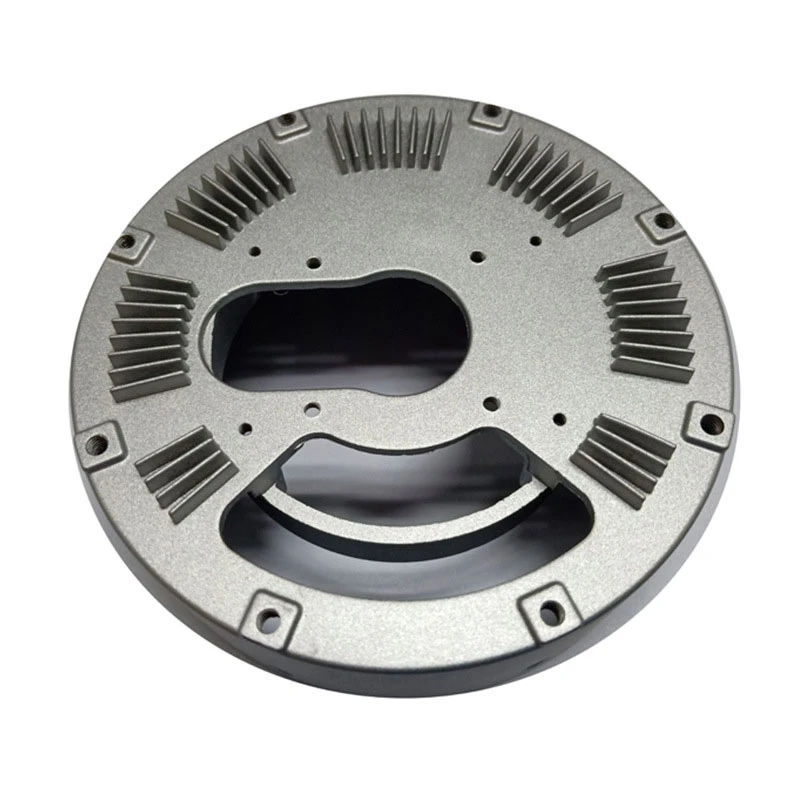
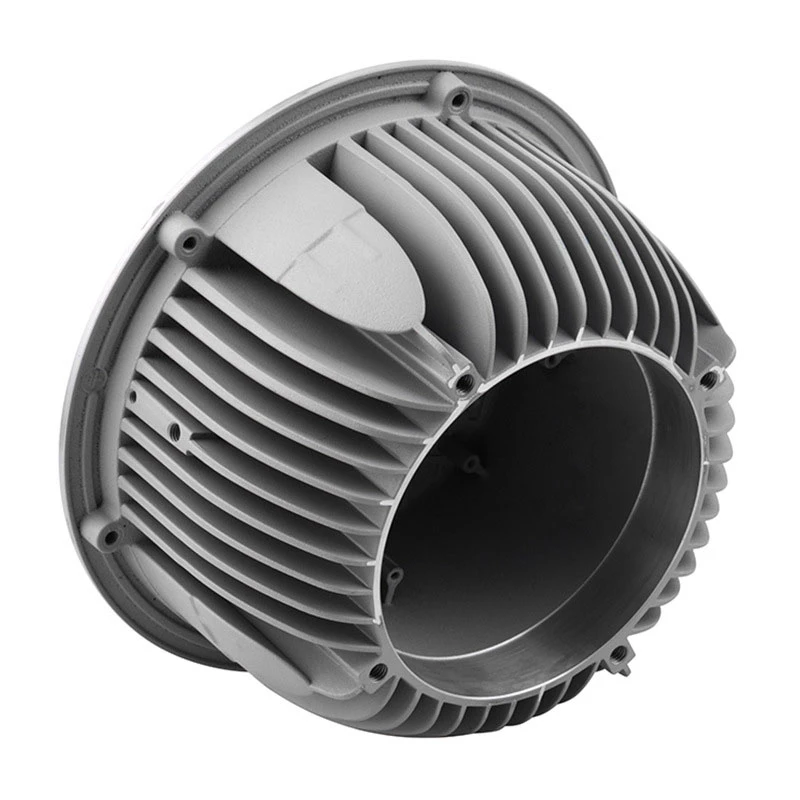
Across Manufacturing of castings and forgings, pressure casting is selected for complex, high-volume parts such as piston and compressor fittings, pump and valve bodies, motor housings, gearbox covers, structural brackets, and heat sink-intensive enclosures. Compared with sand casting or extensive subtractive machining, HPDC enables part consolidation, smoother surfaces for downstream coating, and consistent wall thickness that supports lightweighting targets—especially in aluminium die casting products aimed at mobility, energy, and industrial automation markets.
Key advantages include excellent dimensional repeatability, reduced porosity when using vacuum die casting, and design freedom for integrated features such as bosses, ribs, and internal channels. When volumes or design considerations favor an alternative route, aluminium gravity die casting offers strong mechanical properties and a dependable pathway for medium-run programs. Baoding Hairun Machinery And Equipment Trading Co., Ltd. brings process flexibility across these options, helping engineering and sourcing teams choose the right casting method for target volumes, sealing requirements, and downstream machining plans.
For organizations working with imperial die casting drawings, Baoding Hairun aligns with inch-based tolerances and GD&T callouts, ensuring seamless integration into multinational supply chains. The result is a dependable, scalable solution that reduces supplier risk, compresses lead times, and meets rigorous performance and cosmetic standards expected by OEMs and Tier suppliers alike.
Cost, Maintenance & User Experience
Total cost of ownership in pressure casting hinges on a smart balance between upfront tooling investment and long-run unit cost. While die design and manufacture are capital items, amortization over medium-to-high volumes typically delivers compelling ROI through reduced cycle times, minimal material waste, and part consolidation that cuts secondary operations. Compared with billet machining, HPDC often reduces per-piece cost significantly once production stabilizes, particularly for complex geometries and tight cosmetic requirements.
Durability and reliability depend on robust die design, thermal management, release strategies, and planned maintenance. Proactive die care—regular refurbishing of gates and vents, surface treatment where appropriate, and optimized lubrication—extends die life and holds tolerances longer. In vacuum die casting setups, the incremental investment is often offset by fewer porosity-related rejections and improved sealing performance, yielding measurable quality gains in the fabricated metal products sector.
From a user standpoint, B2B customers value stable ramp-up, predictable takt time, and consistent first-pass yield. Baoding Hairun Machinery And Equipment Trading Co., Ltd. focuses on DFM collaboration, quick sampling, and sustained process control to streamline PPAP-like documentation needs and reduce program risk. The outcome is a lower scrap profile, more reliable deliveries, and a clearer cost model—critical for procurement and operations teams managing complex product portfolios.
Sustainability & Market Trends in manufacturing
Sustainability pressures and regulatory expectations are reshaping casting strategies. Aluminium’s high recyclability, combined with near-net-shape pressure casting, reduces material waste and machining energy. Lightweighting initiatives in transportation, electrification, and industrial equipment favor HPDC for thinner sections and integrated designs, while vacuum die casting supports pressure-tight components that extend product life and reduce field failures. At the same time, digital process controls, in-cavity sensing, and simulation-led DFM are becoming standard for mitigating risk and enhancing repeatability.
Baoding Hairun Machinery And Equipment Trading Co., Ltd. takes a forward-looking approach, advocating design choices that minimize scrap, enable circular material flows, and simplify finishing. By offering both pressure casting and aluminium gravity die casting pathways, the company tailors solutions to project footprint, energy usage, and end-of-life goals. For B2B buyers, this means sourcing decisions can support corporate ESG targets without compromising lead time, quality, or cost competitiveness.
Conclusion on Pressure Casting from Baoding Hairun Machinery And Equipment Trading Co., Ltd.
Pressure casting is a proven, scalable manufacturing method for high-precision aluminium die casting products, delivering speed, accuracy, and cost efficiency across the Fabricated metal products space and the broader Manufacturing of castings and forgings industry. With capabilities that span HPDC, vacuum die casting, and gravity die casting, Baoding Hairun Machinery And Equipment Trading Co., Ltd. helps B2B teams achieve performance, reliability, and sustainability targets on demanding programs.
Backed by practical DFM support and process control, the company offers a dependable pathway from prototype to volume production—aligned to both metric and imperial die casting standards. Ready to accelerate your next casting program? Contact us: email: grace@hairunsourcing.com — Visit our website: https://www.hairunsourcing.com
-
Guide to Anodizing Die Cast Aluminum for Industrial ExcellenceNewsApr.16,2026
-
High Quality Precision Aluminum Die Casting Components GuideNewsApr.09,2026
-
Comprehensive Guide to High Quality Aluminium Pressure Die Casting ProductsNewsApr.07,2026
-
Comprehensive Guide to Aluminium Pressure Die Casting Components and SolutionsNewsApr.04,2026
-
Comprehensive Guide to Aluminium HPDC Casting for Global SourcingNewsMar.31,2026
-
Comprehensive Guide to Precision Aluminium Die Castings and Manufacturing SolutionsNewsMar.28,2026