


Fine Casting Sand - High Purity, Uniform Grain, Low Gas
What’s Really Driving Fine Casting Sand Performance in Modern Foundries
I’ve spent enough time on shop floors to know one quiet truth: the sand makes the casting. If you’re evaluating Fine Casting Sand for nodular iron or complex cores, there’s more to the story than a neat spec sheet. Binder chemistry, grain shape, AFS fineness, even local reclaim protocols—these decide your yield and surface finish, not just the brochure.
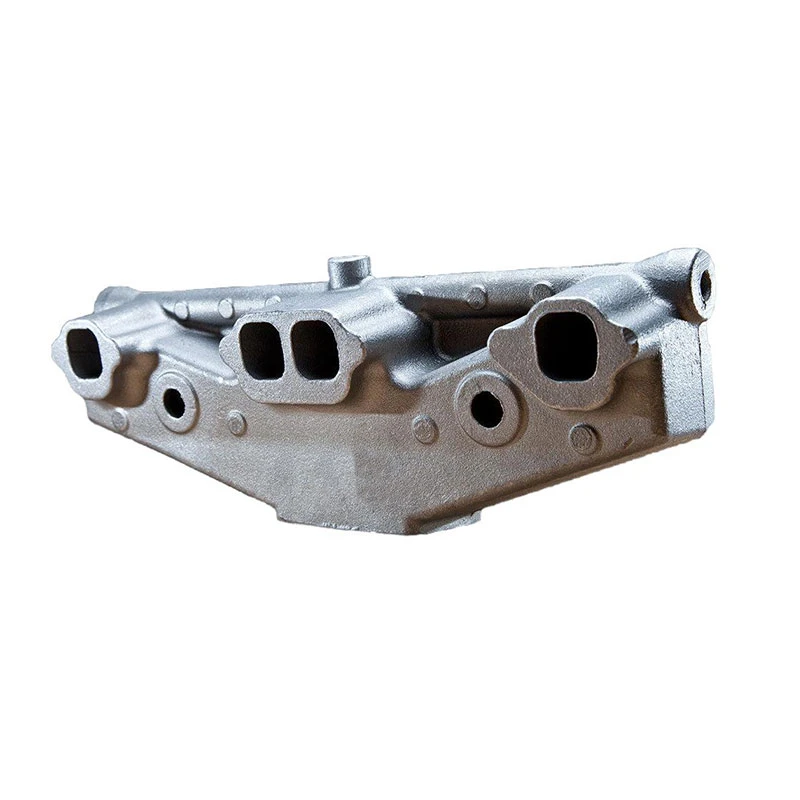
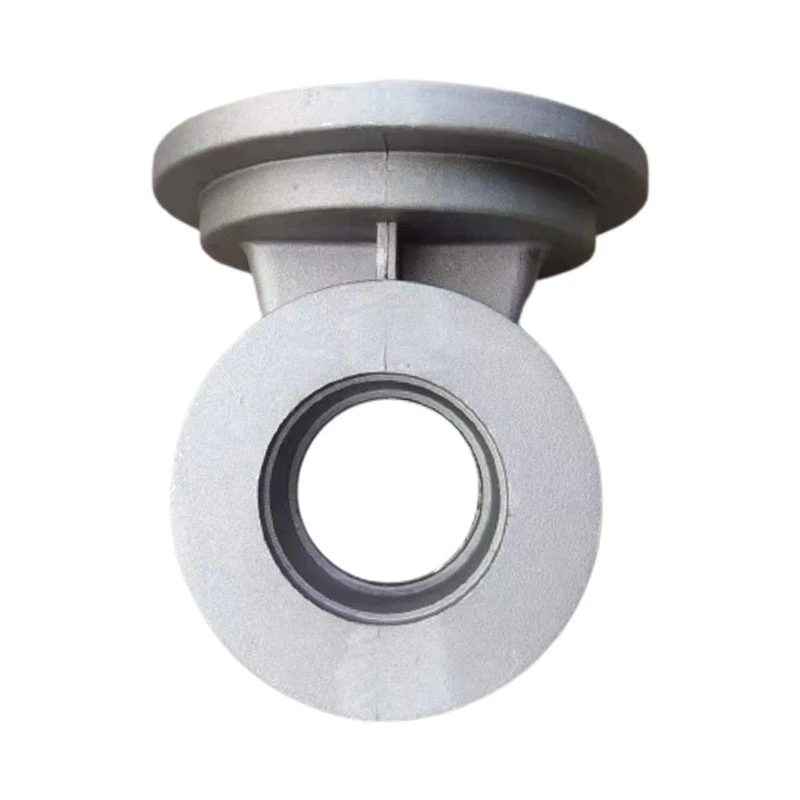
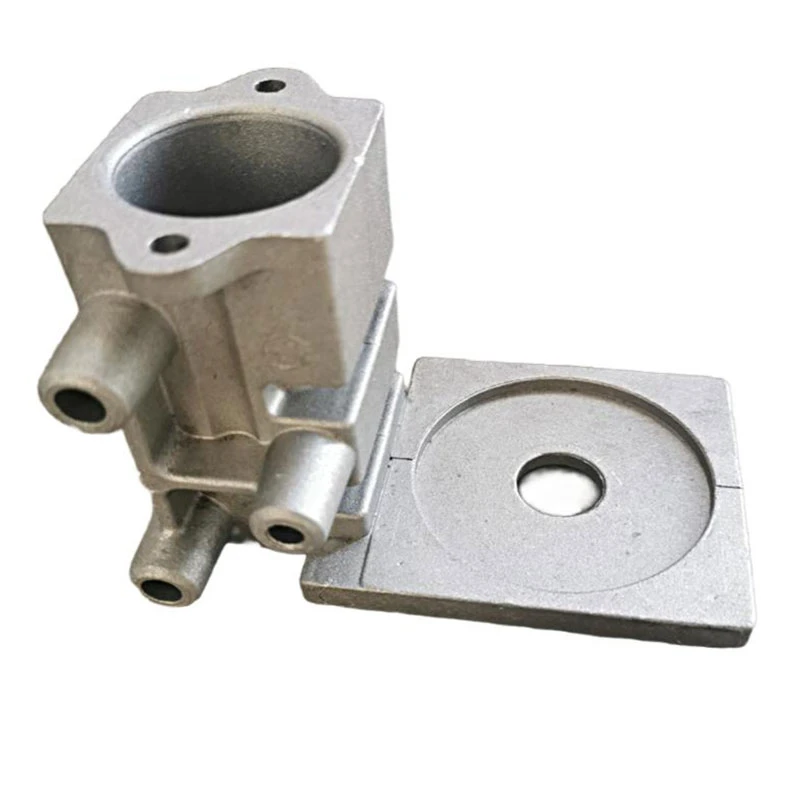
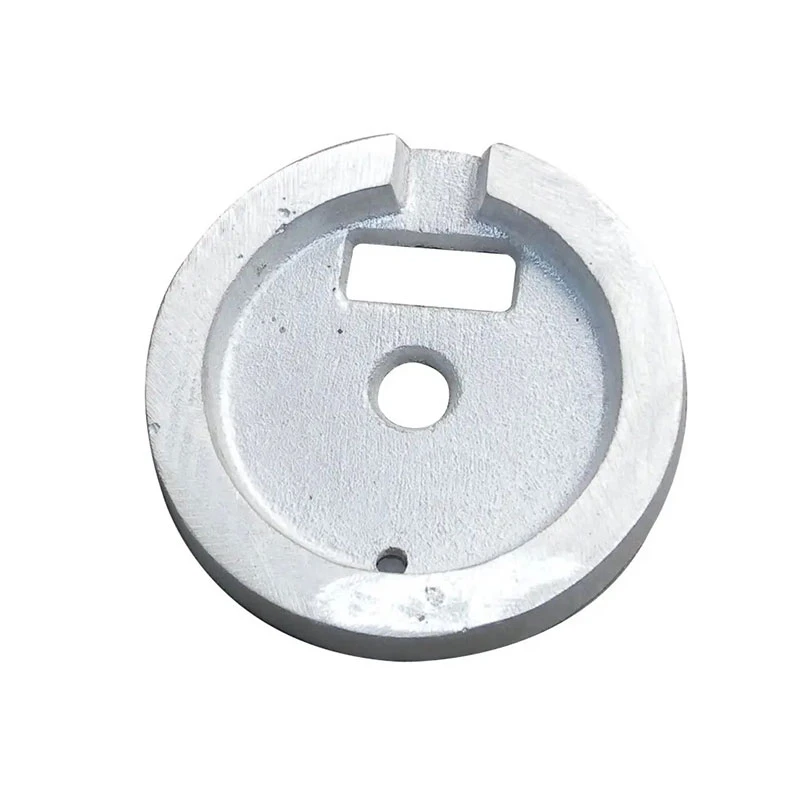
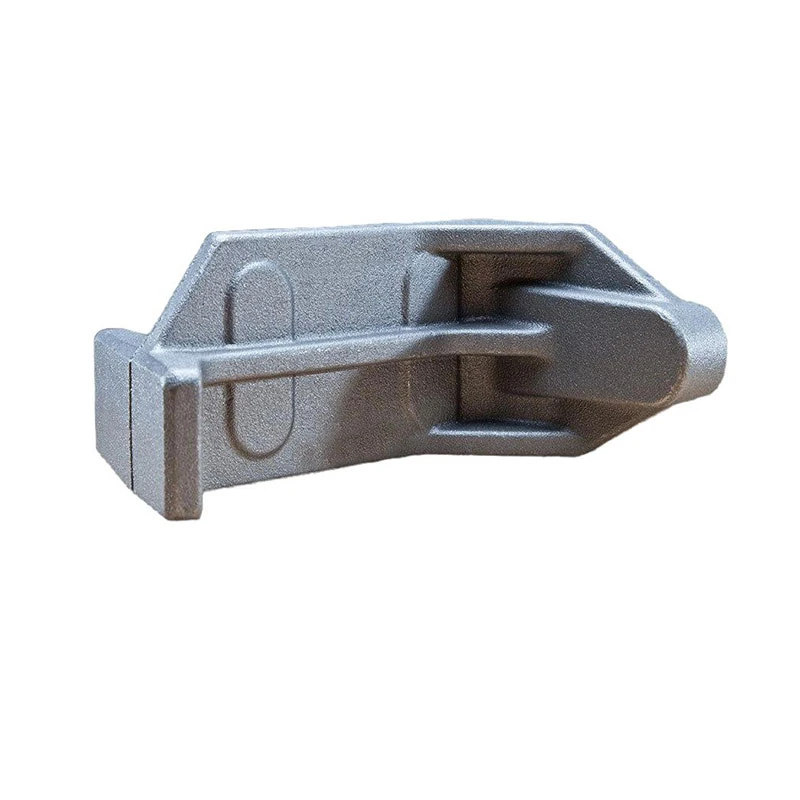
Product Snapshot: Oem Sand Casting Nodular Cast Iron
From Hairun Sourcing (3rd Floor, No. 678 Jinxiu Street, Baoding), this nodular cast iron program runs on a flexible sand system—silica, zircon, chromite, corundum, and special blends—with green-sand, resin-coated, or no-bake options. Many customers say the biggest surprise is stability: it seems that once the sand circuit is dialed in, scrap trends down and stays down.
| Key Spec | Typical Range (≈ / real-world use may vary) |
|---|---|
| Material Options | Silica, Zircon, Chromite, Corundum; hybrid mixes per casting |
| AFS Grain Fineness (GFN) | ≈ 50–75 for ductile iron skins; finer blends for thin-wall cores |
| Moisture (green sand) | ≈ 2.5–3.5% |
| Clay/Active Binder | ≈ 7–10% (green sand); resin 0.8–1.5% (no-bake/cold-box) |
| LOI | ≤ 1.2% typical for clean surfaces and low gas |
| Refractoriness | Silica to ≈ 1650°C; Chromite/Zircon for anti-penetration |
| Customization | Yes—unit weight and size per drawing/sample |
Process Flow (How it’s Really Done)
- Material selection: Fine Casting Sand type by casting mass, section thickness, defect risk (veining/penetration).
- Preparation: blending, target GFN, moisture set; binder addition (green-sand, furan no-bake, or cold-box).
- Molding/Coremaking: ramming/shooting; venting tuned to gas profile (nodular iron can be gassy).
- Pour & knockout: controlled pour temp; shakeout and primary reclamation.
- Testing & control: AFS-based lab checks—GFN, moisture, clay %, permeability, compression, LOI, ADV.
- Loop & reclaim: thermal/mechanical reclaim where needed; resin systems ≈ 5–10 cycles; green sand can run indefinitely with proper refresh.
Application Scenarios
Automotive hubs, pump bodies, valve housings, wind-energy brackets, railway components. With Fine Casting Sand blends (chromite face + silica backing), penetration and burn-on shrink—actually a common trick in tougher sections.
Real-World Test Data (sample lot)
GFN 65 ± 3; Moisture 2.9%; Clay 8.3%; LOI 1.0%; Permeability ≈ 120; Green compression ≈ 100 kPa. Surface Ra improved ≈ 15–25% after switching to zircon-faced Fine Casting Sand on thin-wall cores.
Vendor Comparison (condensed)
| Vendor | AFS Control | Binder Options | Certs | Lead Time |
|---|---|---|---|---|
| Hairun Sourcing (China) | Tight (±3 GFN) | Green, Cold-box, Furan | ISO 9001; ISO 14001 | ≈ 2–4 weeks |
| Vendor B (APAC) | Standard (±5 GFN) | Green, No-bake | ISO 9001 | ≈ 3–5 weeks |
| Vendor C (EU) | Premium (±2 GFN) | Cold-box, Inorganic | ISO 9001; REACH | ≈ 4–6 weeks |
Advantages and Customization
- Defect control: chromite/zircon face sands curb penetration and veining.
- Cleaner cast skin: low LOI blends reduce burn-on and gas defects.
- Tailored mixes: Fine Casting Sand custom GFN for thin-wall or heavy-section ductile iron.
- Sustainability: reclaim loops and lower binder dosages (shop air smells better too, to be honest).
Case Note
A pump foundry shifted to a zircon-faced Fine Casting Sand with furan no-bake cores. Veining dropped ~60%, machining time cut ~12%, and scrap fell under 2% in three weeks. Not magic—just tighter sand control and heat resistance where it mattered.
Testing, Standards, and Compliance
Routine checks follow AFS procedures for GFN, moisture, clay, permeability, strength, LOI, and ADV; sieving aligns with ASTM E11. Dimensional tolerance targets reference ISO 8062-3 for castings. Facilities typically run ISO 9001 quality and ISO 14001 environmental systems. Ask for batch C of C and sand lab reports with each shipment.
Service Life & Industries
With proper reclaim, green sand loops run continuously; resin-coated sands see ≈ 5–10 effective cycles. Common sectors: automotive, fluid handling, energy, rail, mining—anywhere ductile iron needs a clean, consistent skin from dependable Fine Casting Sand.
Authoritative citations
- American Foundry Society (AFS) Mold & Core Test Handbook.
- ASTM E11 – Standard Specification for Woven Wire Test Sieve Cloth and Test Sieves.
- ISO 8062-3 – Geometrical product specifications (GPS) — Dimensional tolerances for castings.
- ISO 9001 – Quality management systems — Requirements.
- ISO 14001 – Environmental management systems — Requirements with guidance for use.
-
Comprehensive Guide to Automotive Die Casting for Enhanced Vehicle PerformanceNewsJan.27,2026
-
Comprehensive Guide to Aluminum Pressure Die Casting Manufacturing ProcessesNewsJan.27,2026
-
Hot Chamber Die Casting vs Cold Chamber Die Casting ExplainedNewsJan.06,2026
-
Hot Chamber And Cold Chamber Die Casting Solutions for Industrial Applications | Hairun SourcingNewsJan.06,2026
-
Hot and Cold Chamber Die Casting: Key Insights from Industry ExpertsNewsJan.06,2026
-
Comprehensive Guide on Graphite Die Casting for B2B Manufacturing | HairunSourcingNewsJan.05,2026