


Custom Precision Casting: High-Quality Metal Parts for Modern Industry
Understanding Custom Precision Casting: A Critical Industrial Process
At first glance, custom precision casting might sound like another high-tech manufacturing buzzword. But the reality is much more grounded and globally impactful. Precision casting is a centuries-old technique that’s been refined into a cornerstone of modern industry, essential for creating complex, high-strength metal parts used everywhere from aerospace engines to delicate medical instruments.
In an age where efficiency, reliability, and sustainability are no longer “nice to haves” but critical business drivers, understanding how custom precision casting works — and why it’s so valuable — offers a window into the future of manufacturing and global development. Companies and governments worldwide rely on this process to maintain tight tolerances, reduce waste, and push the boundaries of innovative design.
Global Context: Why Custom Precision Casting Matters More Than Ever
Globally, the manufacturing sector accounts for roughly 16% of world's GDP according to the World Bank, and within that, precision engineering drives a significant chunk of value. What’s striking is that demand for highly specialized metal components is growing fastest in sectors crucial for sustainable development — energy, medical devices, clean transportation, and infrastructure.
Consider the aerospace industry, which relies heavily on precision casting to produce lightweight, heat-resistant turbine blades. Or the renewable energy sector, where custom casting parts ensure wind turbines and solar trackers operate smoothly under rough conditions.
However, the challenge lies not just in producing parts, but in meeting increasingly strict quality and environmental norms while managing costs. This is where custom precision casting proves its worth: it addresses the need for durability, precision, and flexibility, while reducing material wastage and enabling complex geometries that other manufacturing methods struggle with.
What Is Custom Precision Casting?
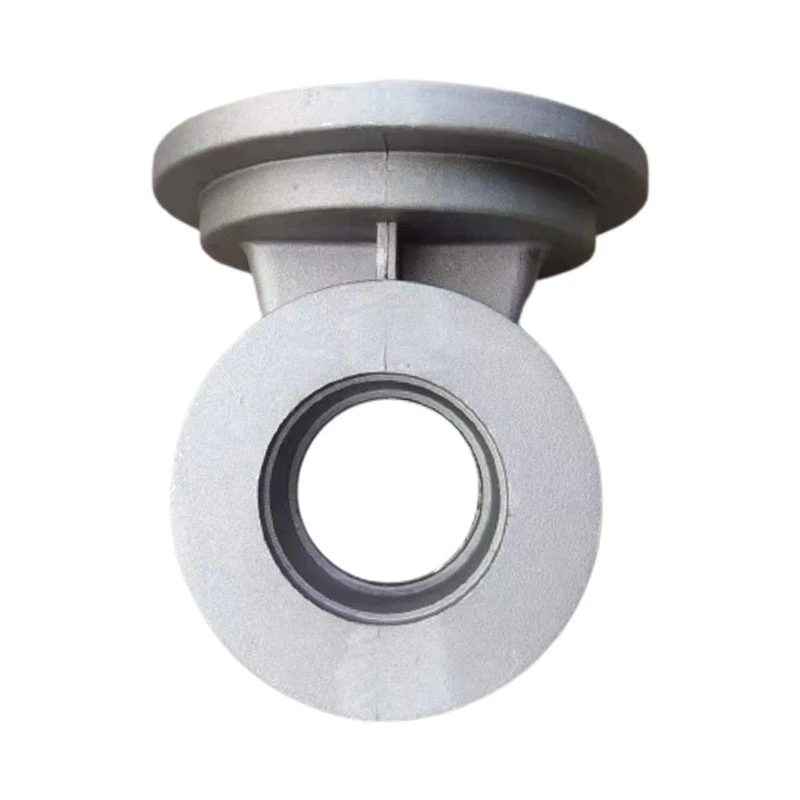
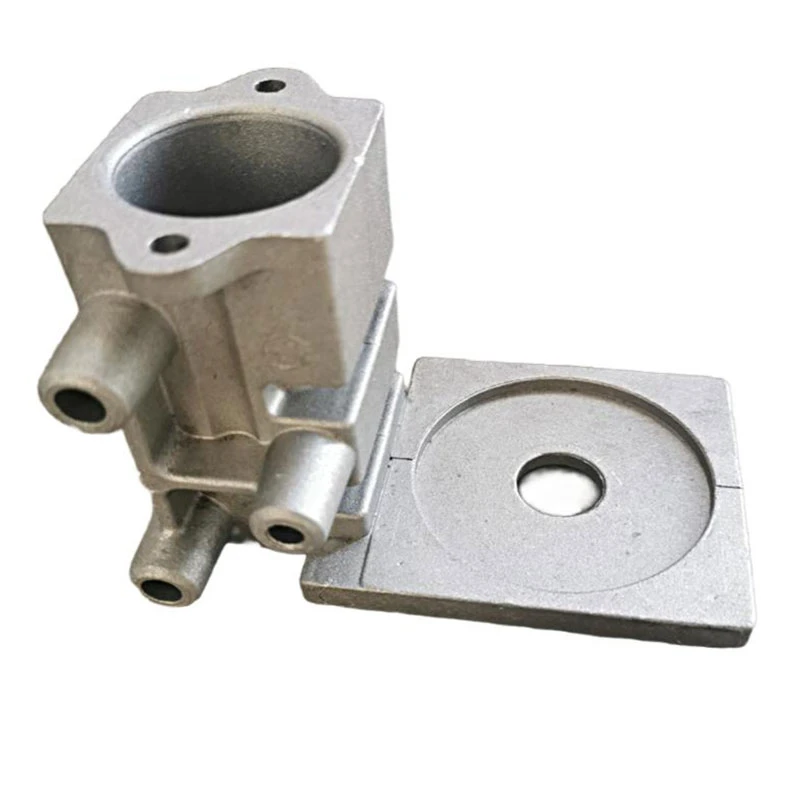
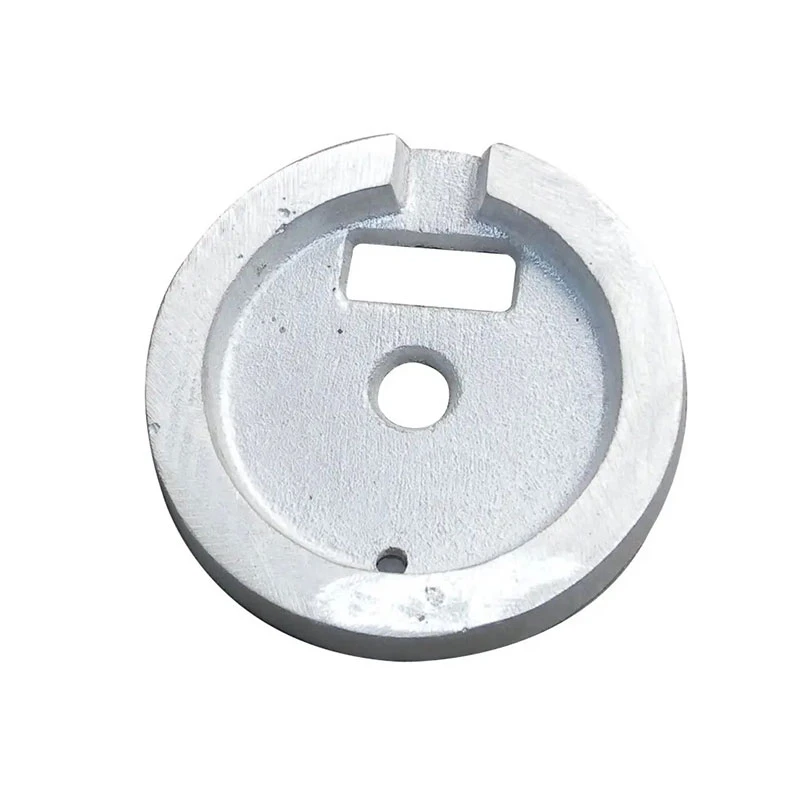
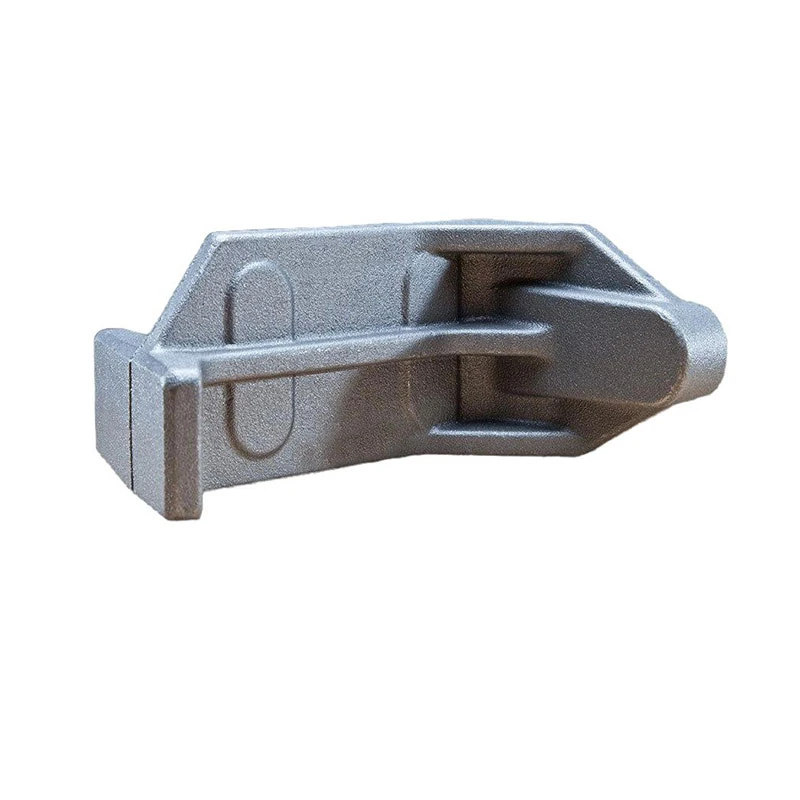
Simply put, custom precision casting is the process of creating metal components by crafting a near-exact mold (often ceramic-based) tailored to a very specific design, then pouring molten metal into this mold to form the final shape. Unlike generic casting, custom precision casts are made to exact specifications — achieving incredibly tight tolerances, intricate detail, and superior mechanical properties.
It’s kind of like baking a custom cake where every decoration, shape, and ingredient amount is carefully planned — except with molten metal at temperatures above 1500°C.
The process is indispensable in industries where parts must meet stringent performance criteria and often comply with safety or medical certifications. It aligns closely with humanitarian and industrial efforts to provide reliable, long-lasting equipment — especially in remote or disaster-prone areas where replacement isn't easy.
Core Components of Custom Precision Casting
1. Durability and Material Integrity
The quality of metal alloys used and the precision of the mold determine the strength and fatigue resistance of the castings. For example, aerospace-grade nickel alloys or stainless steel are standard for complex components requiring longevity under harsh conditions.
2. Scalability for Production
Custom precision casting is flexible: from single prototype parts to medium production runs. This scalability is vital for industries testing new designs or responding quickly to market shifts.
3. Cost Efficiency and Waste Reduction
Though often perceived as costly, precision casting actually slashes costs by minimizing machining requirements post-casting and reducing scrap metal compared to subtractive methods. Plus, its ability to produce near-net shapes limits raw material usage.
4. Complex Geometry and Design Freedom
This is where precision casting shines — it allows for complicated shapes like hollow turbine blades or intricate medical implants, which would be difficult, if not impossible, to machine reliably.
5. Quality Control and Repeatability
Advanced inspection techniques, including CT scanning and ultrasonic testing, ensure cast parts comply with exacting standards — essential when safety or device function is on the line.
Mini Takeaway:
Custom precision casting weaves together metal science, design ingenuity, and manufacturing expertise — a combo that keeps industries innovating and sustainable.
Global Applications and Real-World Use Cases
Across continents and industries, custom precision casting finds itself at the heart of vital equipment.
- Aerospace: Jet engine blades and structural parts that withstand enormous heat and pressure.
- Medical Devices: Surgical instruments and implantable devices requiring impeccable detail and biocompatibility.
- Energy Sector: Components for turbines in wind and thermal plants, engineered to last decades.
- Transportation: Precision gears and brackets in electric vehicles, contributing to cleaner transportation solutions.
- Post-disaster Relief Equipment: Durable parts for emergency generators or water pumps deployed in remote zones.
Notably, developing regions often depend on imported custom parts to maintain infrastructure, meaning the sourcing and quality of these castings can have direct humanitarian impact.
Product Specifications at a Glance
| Specification | Typical Range | Notes |
|---|---|---|
| Alloy Types | Stainless Steel, Nickel Alloys, Titanium, Aluminum | Common options depending on strength/weight needs |
| Dimensional Tolerance | ±0.01 mm to ±0.1 mm | Very tight for critical applications |
| Maximum Weight | Up to 50 kg per part | Depends on casting facility capabilities |
| Production Volume | Prototyping to 10,000+ units | Flexible batch sizes |
Top Vendors Compared: Choosing the Right Partner
| Vendor | Materials Expertise | Lead Time | Typical Clients | Sustainability Practices |
|---|---|---|---|---|
| Precision Metals Inc. | Nickel, Titanium, Specialty Alloys | 4-6 weeks | Aerospace, Defense | ISO 14001 certified |
| Global Cast Solutions | Steel, Aluminum alloys | 3-5 weeks | Medical, Automotive | Recycling initiatives in place |
| Sino Precision Cast | Wide range, incl. rare earth metals | 5-7 weeks | Industrial, Energy | Energy-efficient foundries |
Why Invest in Custom Precision Casting? Long-Term Advantages
The benefits are many and compelling. From a budget standpoint, the reduction in machining time and material waste alone can add up to significant savings. But there’s a longer story here: durability leads to less frequent replacement, which benefits companies and the environment alike.
Socially, reliable parts mean safer planes and cleaner energy turbines, which tie directly to human health and climate action goals. Engineers often emphasize the peace of mind that comes with knowing a component will perform under extreme stress without failure — that feeling "it's been cast right," if you will.
Peeking Ahead: Future Trends & Innovations
The casting industry is quietly embracing green tech and digitalization. Expect to see more use of low-carbon alloys, and integration with 3D printing to create molds with unprecedented precision.
Automation in foundries helps reduce human error and improve repeatability. Add smart sensors and IoT monitoring post-production, and we get real-time quality feedback helping manufacturers tweak processes instantly.
Challenges On The Road — And Fixes That Work
No process is perfect. Custom precision casting still struggles with long lead times and requires highly skilled labor. Supply chain disruptions can stall orders, especially for rare alloys.
But many vendors now collaborate closely with clients on design optimization to speed up prototyping, and leverage advanced computer simulations to predict defects before anything is poured. This reduces costly revisions and ensures quality from the get-go.
Frequently Asked Questions About Custom Precision Casting
- What distinguishes custom precision casting from standard casting?
- Custom precision casting focuses on meeting exact dimensional tolerances and highly specialized design requirements using tailored molds, compared to more generic or bulk casting methods. It aims to produce complex shapes with minimal post-processing.
- How can custom precision casting help reduce manufacturing waste?
- By accurately producing near-net shape parts that require less machining, this method reduces scrap metal and wastes fewer raw materials in the process, contributing to cost savings and environmental benefits.
- Are custom precision castings suitable for medical devices?
- Absolutely. Because the process enables high detail and accurate alloy selection, it’s widely used in medical implants and surgical instruments that demand strict quality and biocompatibility standards.
- What is a typical lead time for delivering custom precision cast parts?
- Lead times vary but generally range from 3 to 7 weeks depending on complexity, batch size, and material. Working closely with vendors can shorten this time by streamlining design and prototyping phases.
- How does custom precision casting support sustainability goals?
- By minimizing material waste, enabling longer-lasting parts, and encouraging the use of recycled metals and greener alloys, this process aligns well with corporate and global sustainability targets.
Wrapping Up: Why Custom Precision Casting Is Worth Considering
In sum, custom precision casting is no mere industrial footnote. It’s a vibrant, evolving craft that sits at the nexus of technology, design, and sustainability. Whether you’re an engineer specifying parts for a new product or a procurement manager sourcing reliable components, tapping into this process can yield impressive long-term value.
Why not explore further? Visit our site at https://www.hairunsourcing.com — we’re diving into the latest in custom precision casting innovations and options every day.
Final Mini Takeaway:
Precision casting isn’t just about molten metal — it’s about shaping durable, precise, sustainable solutions designed to meet tomorrow’s challenges.
References:
1. World Bank Industry Data (https://data.worldbank.org/indicator/NV.IND.TOTL.ZS)
2. ISO Standards on Casting (https://www.iso.org/standard/64380.html)
3. Wikipedia: Investment Casting (https://en.wikipedia.org/wiki/Investment_casting)
-
Guide to Anodizing Die Cast Aluminum for Industrial ExcellenceNewsApr.16,2026
-
High Quality Precision Aluminum Die Casting Components GuideNewsApr.09,2026
-
Comprehensive Guide to High Quality Aluminium Pressure Die Casting ProductsNewsApr.07,2026
-
Comprehensive Guide to Aluminium Pressure Die Casting Components and SolutionsNewsApr.04,2026
-
Comprehensive Guide to Aluminium HPDC Casting for Global SourcingNewsMar.31,2026
-
Comprehensive Guide to Precision Aluminium Die Castings and Manufacturing SolutionsNewsMar.28,2026