


Custom Die Casting Solutions for Industrial Equipment | Hairun Sourcing
A Deep Dive into Custom Die Casting for Industrial Excellence
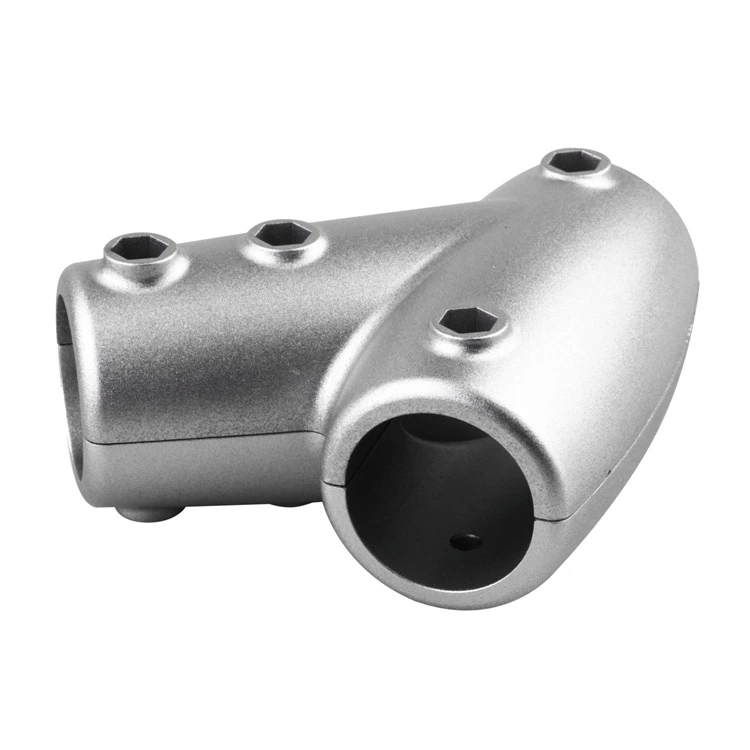
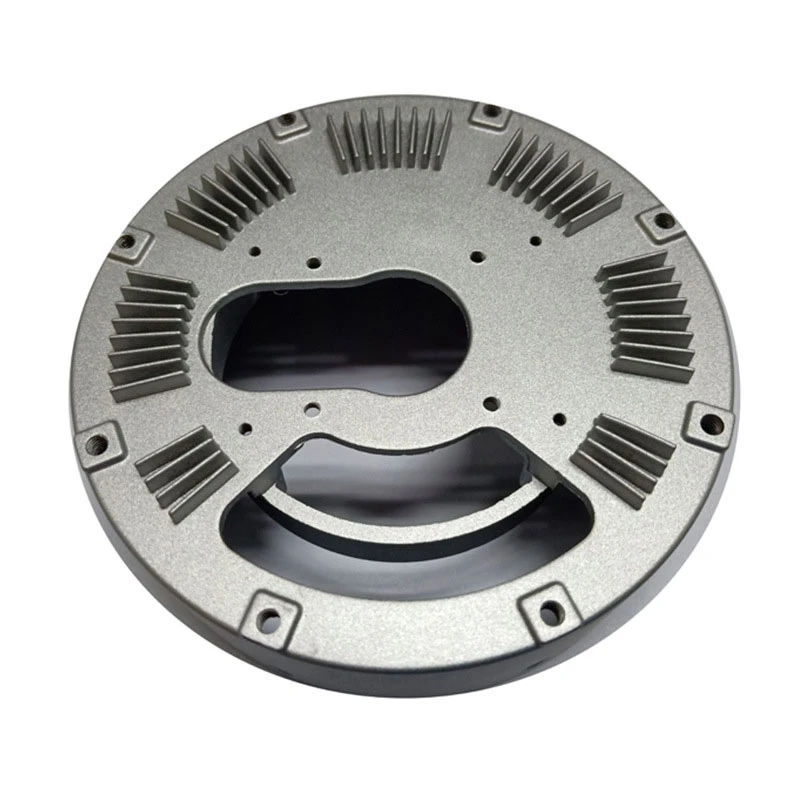
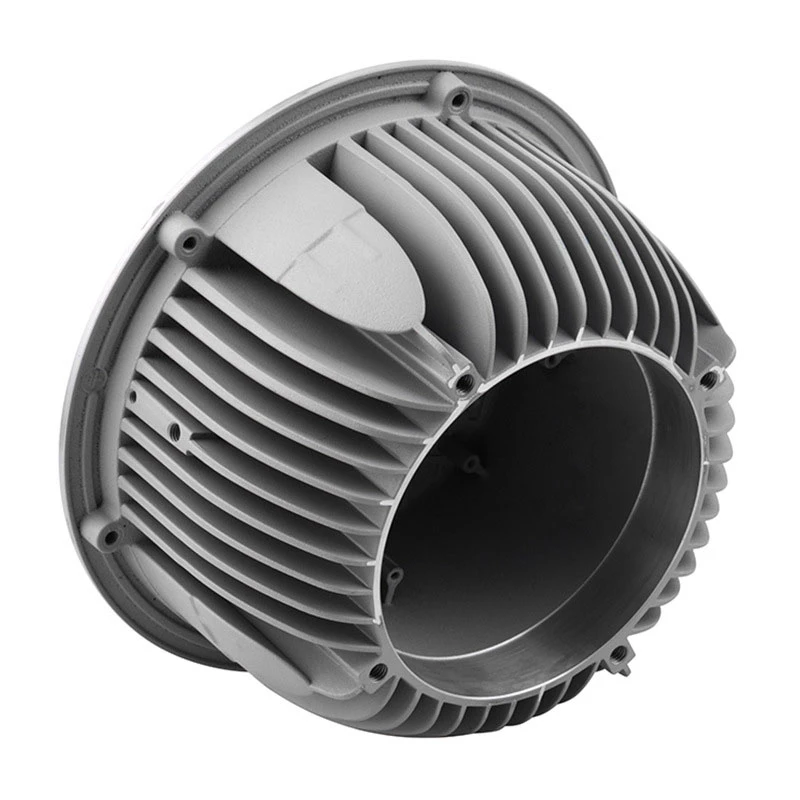
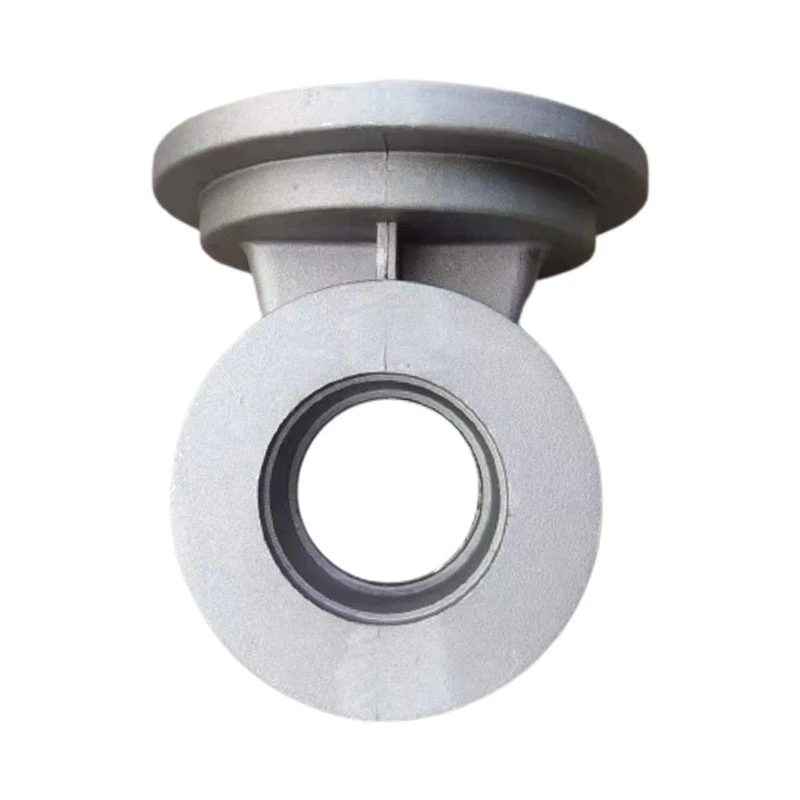
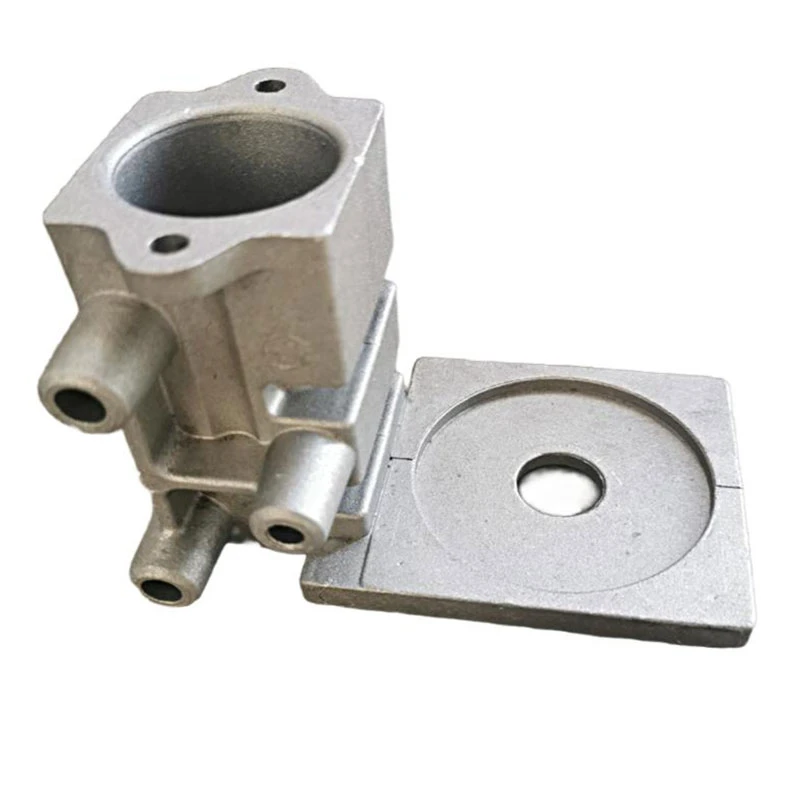
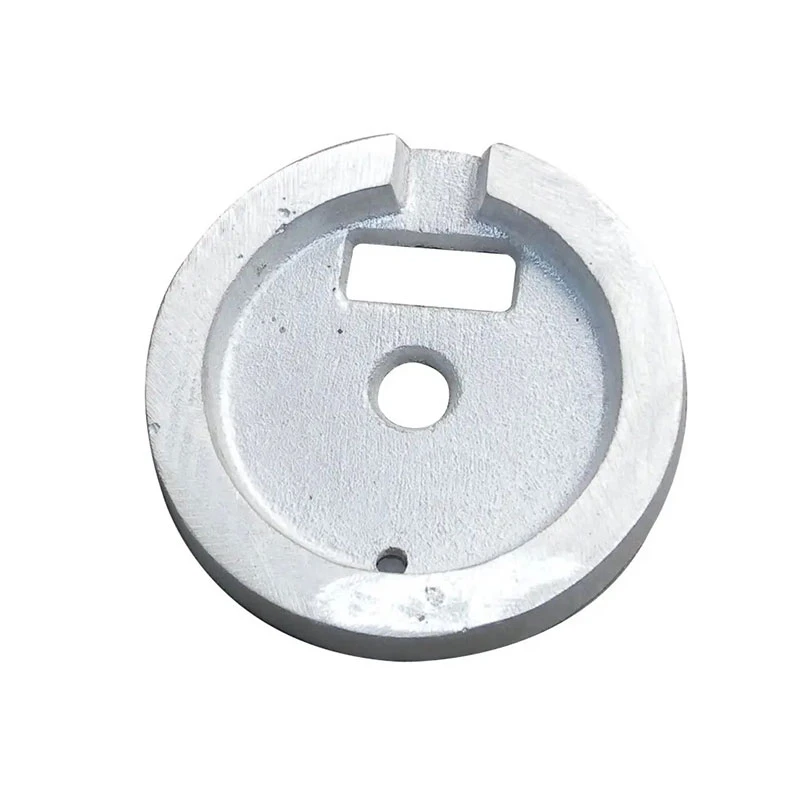
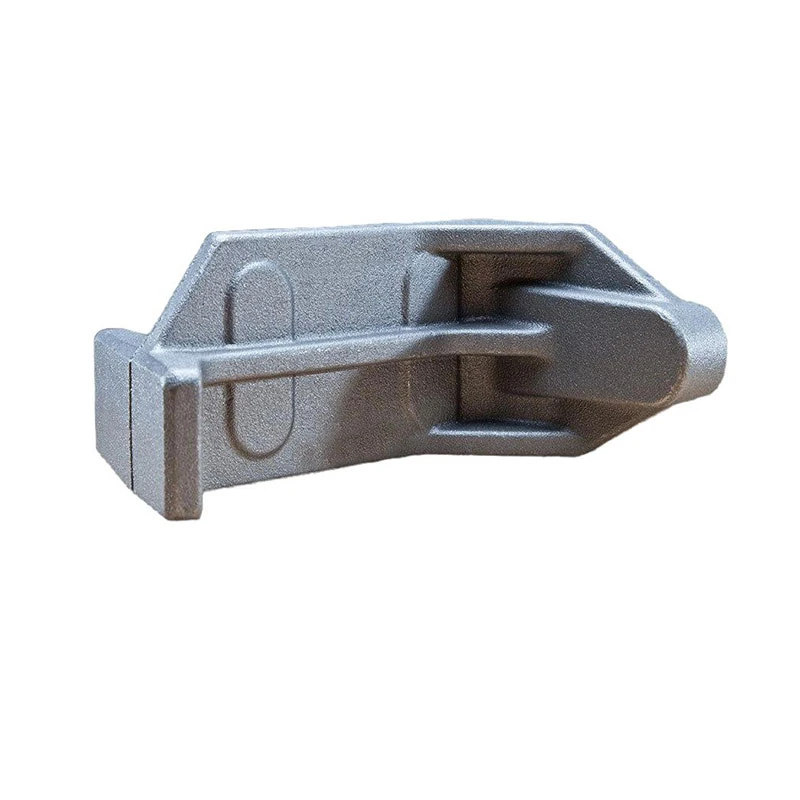
Having spent over a decade in the industrial equipment sector, I can tell you there’s something oddly satisfying about custom die casting. It’s one of those manufacturing processes that quietly powers a vast array of equipment — from tiny, precision parts to hefty machine components — all tailored precisely to what the job demands. Frankly, it feels like an art married to engineering.
Now, you might wonder why companies opt for custom die casting instead of off-the-shelf parts. The answer is simple: customization means control over weight, strength, design complexity, and, of course, cost efficiency — especially when producing high volumes. You see, the die casting process uses molten metal, typically aluminum, zinc, or magnesium alloys, injected under high pressure into molds that are crafted to meet exact specs.
One thing I always keep in mind when dealing with custom die casting is material selection. Aluminum alloys, for instance, balance lightness with robustness — perfect for industries like automotive or aerospace. Magnesium, on the other hand, offers exceptional strength-to-weight ratio but comes with some casting challenges that only seasoned foundries can tackle effectively. It feels like every choice shifts the entire product’s performance story.
Speaking of performance, testing and quality control are critical. I recall a project involving heavy-duty industrial valves where the parts had to withstand intense heat and pressure cycles. The custom die casting vendor didn’t just deliver the parts; they also had testing procedures tightly integrated into their process — pressure tests, x-ray inspections, even corrosion resistance assessments. That level of thoroughness isn't just reassuring; it’s essential.
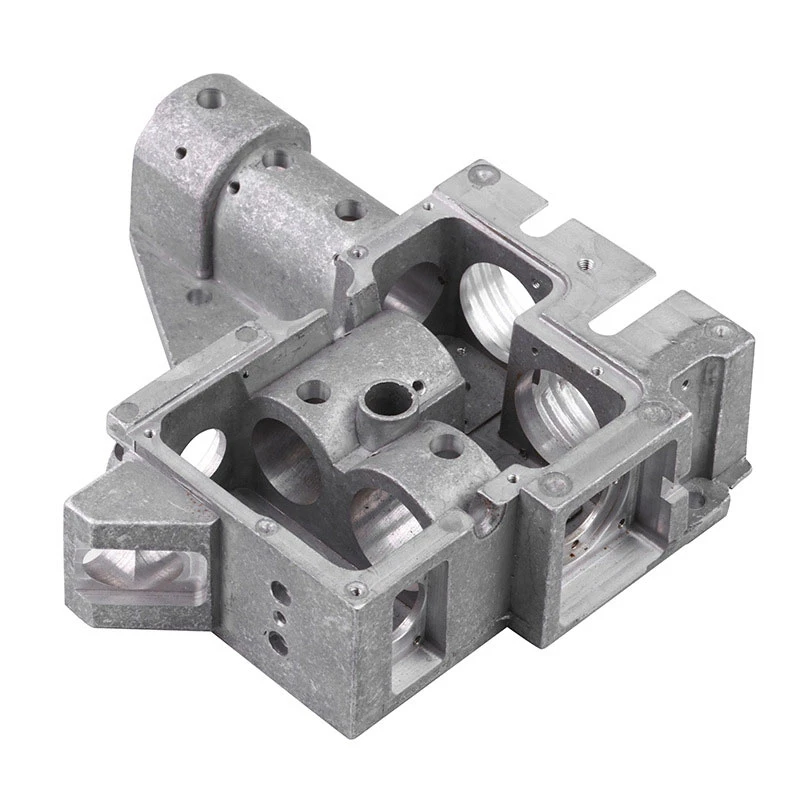
In real terms, what sets custom die casting apart is the ability to achieve complex geometries with minimal machining afterward. These parts often come out of the mold with superb surface finishes and dimensional accuracy, saving hours of secondary work — and that translates into savings for whoever orders them. I’ve seen engineers thrilled when a complicated assembly went from multiple fabricated components to a single die-cast piece.
I remember a client — a mid-sized electronics manufacturer — who initially underestimated the time and cost benefits of switching to custom die casting. After just one product run, they called back amazed that their assembly line was drastically simplified, and warranty claims dropped noticeably. That was a small but satisfying win for everyone involved.
| Material | Density (g/cm³) | Tensile Strength (MPa) | Melting Point (°C) | Typical Use Cases |
|---|---|---|---|---|
| Aluminum Alloy (A380) | 2.7 | 310 | 615 | Automotive, Electrical Housings |
| Zinc Alloy (ZA-8) | 6.6 | 240 | 420 | Precision Parts, Gears |
| Magnesium Alloy (AZ91D) | 1.8 | 220 | 595 | Aerospace, Portable Devices |
When scoping a supplier for custom die casting, these are the attributes I’d vet first:
| Vendor | Material Options | Typical MOQ | Lead Time | Special Capabilities |
|---|---|---|---|---|
| Hairun Sourcing | Al, Zn, Mg | 500 pcs | 4-6 weeks | In-house prototyping & QC labs |
| Alpha Castings | Al, Zn | 1000 pcs | 6-8 weeks | Automotive specialization |
| Precision Met Cast | Al only | 250 pcs | 3-5 weeks | Rapid tooling options |
So, what’s the catch? I suppose it’s the upfront tooling cost. Creating molds isn’t cheap, and the design must be spot-on from the start. However, if you plan a large or repeat production run, this investment pays off handily. Plus, reliable vendors will guide you through design for manufacturability (DFM), minimizing surprises later.
All in all, for anyone in industrial manufacturing, custom die casting is more than a process; it’s a strategic partner. Tailoring parts boosts your product’s reliability and keeps costs competitive. I’ve witnessed first-hand the transformative impact it can have — and odds are, once you try it, you’ll appreciate it too.
One final thought: keeping close relationships with your casting supplier (like the folks at Hairun Sourcing) can make all the difference when deadlines tighten or custom tweaks are necessary.
— Thanks for reading, and if you’ve got questions on custom die casting or want a real-world perspective, feel free to reach out.
References:
1. Metals Handbook: Die Casting, ASM International (2021)
2. “Optimizing Material Selection in Die Casting,” Industrial Manufacturing Journal, 2022
3. Hairun Sourcing technical whitepapers and case studies (2023)
-
Comprehensive Guide to Automotive Die Casting for Enhanced Vehicle PerformanceNewsJan.27,2026
-
Comprehensive Guide to Aluminum Pressure Die Casting Manufacturing ProcessesNewsJan.27,2026
-
Hot Chamber Die Casting vs Cold Chamber Die Casting ExplainedNewsJan.06,2026
-
Hot Chamber And Cold Chamber Die Casting Solutions for Industrial Applications | Hairun SourcingNewsJan.06,2026
-
Hot and Cold Chamber Die Casting: Key Insights from Industry ExpertsNewsJan.06,2026
-
Comprehensive Guide on Graphite Die Casting for B2B Manufacturing | HairunSourcingNewsJan.05,2026