


Steel Die Casting: Durable Manufacturing Solutions for B2B Industries | Hairun Sourcing
Steel Die Casting is a key solution in the industry, specifically within manufacturing and heavy industrial sectors. This article explores how https://www.hairunsourcing.com supports professionals with durable, high-performance products, and explains why this product is an ideal choice for businesses in these sectors.
Table of Contents
- Steel Die Casting Overview
- Benefits & Use Cases of Steel Die Casting
- Cost, Maintenance & User Experience
- Sustainability & Market Trends
- Frequently Asked Questions
- Conclusion on Steel Die Casting from China
Steel Die Casting Overview
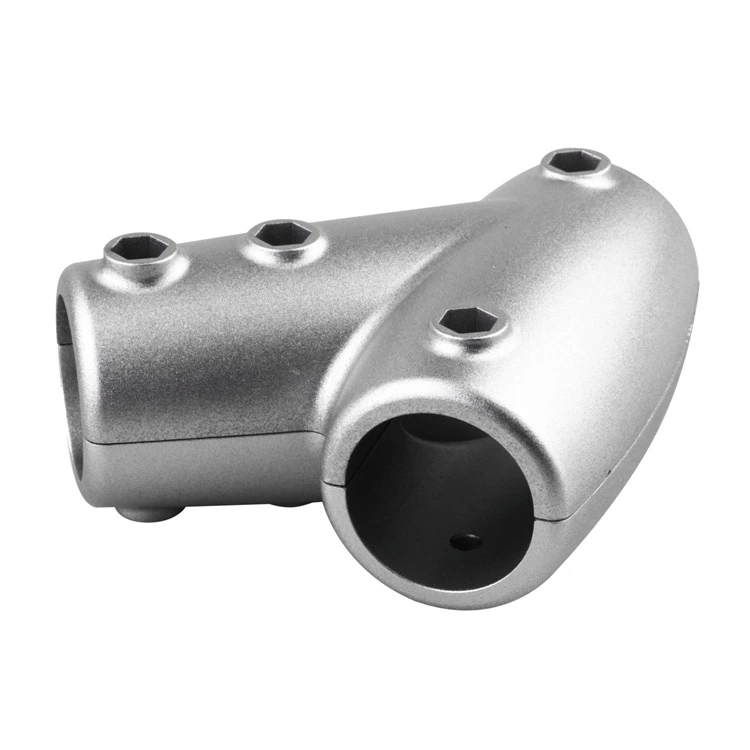
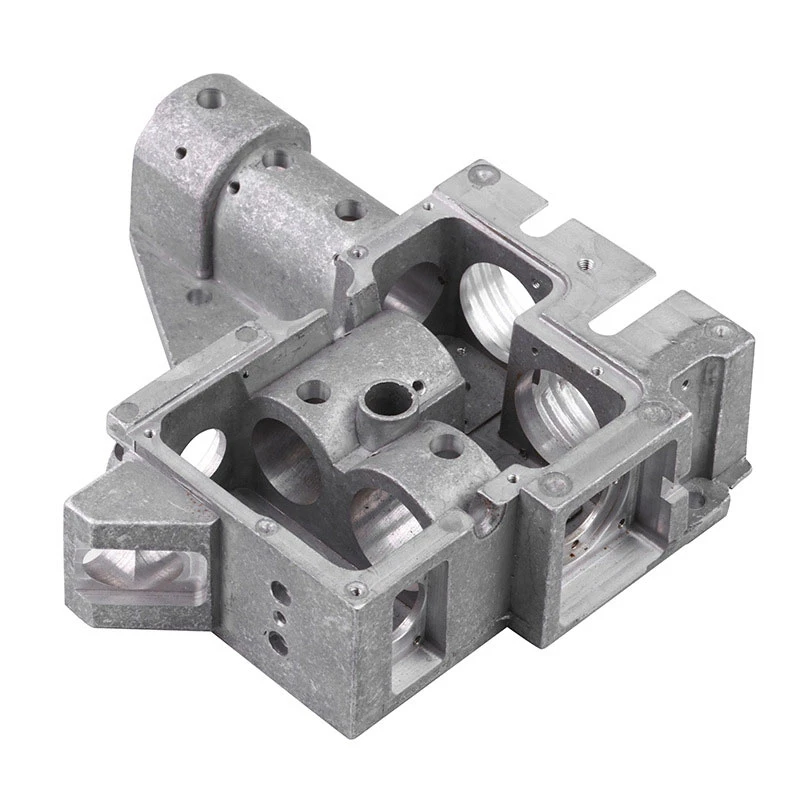
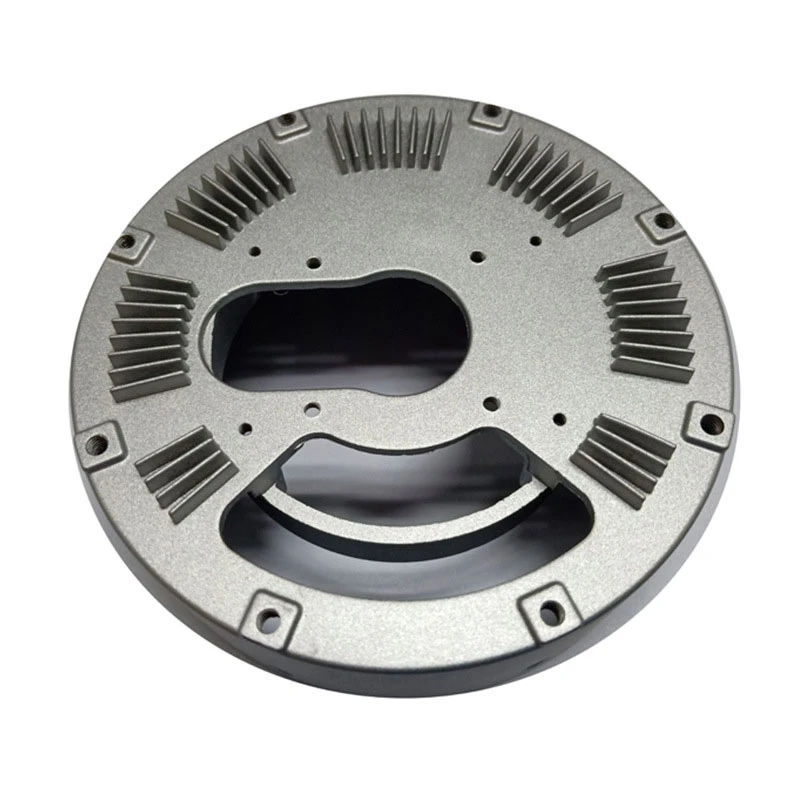
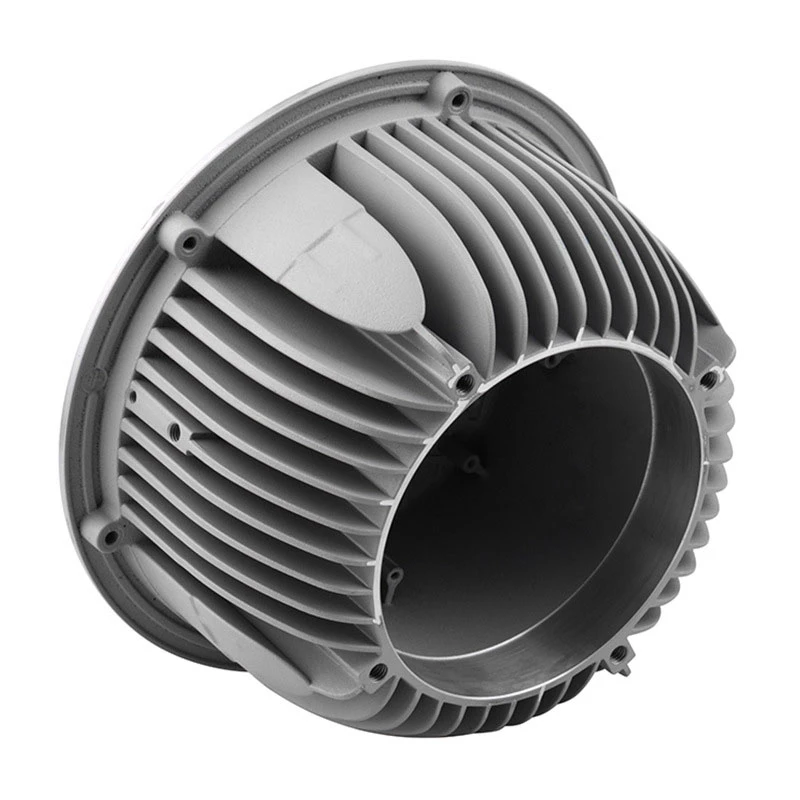
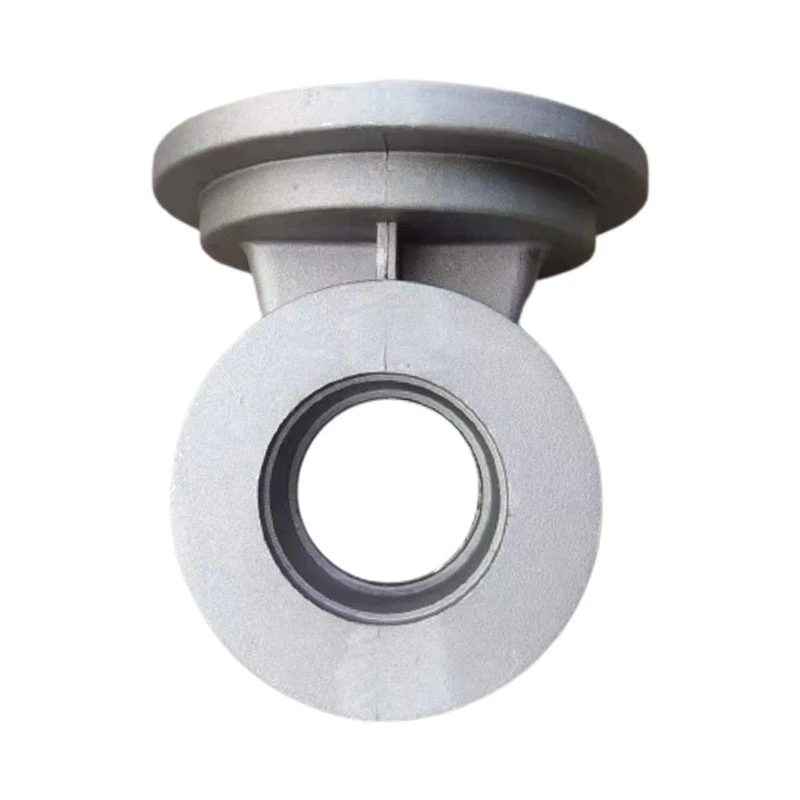
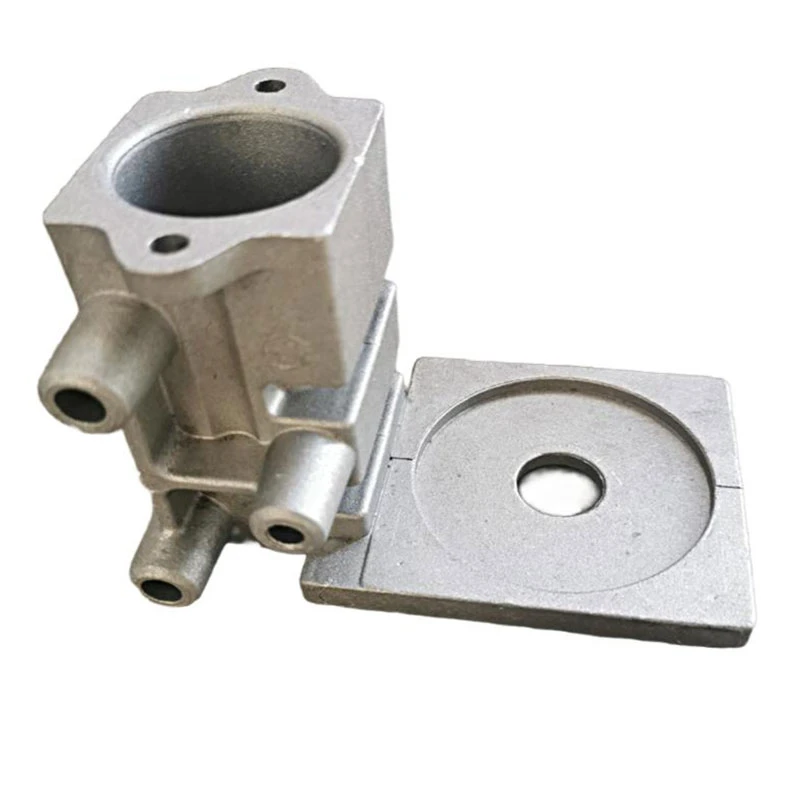
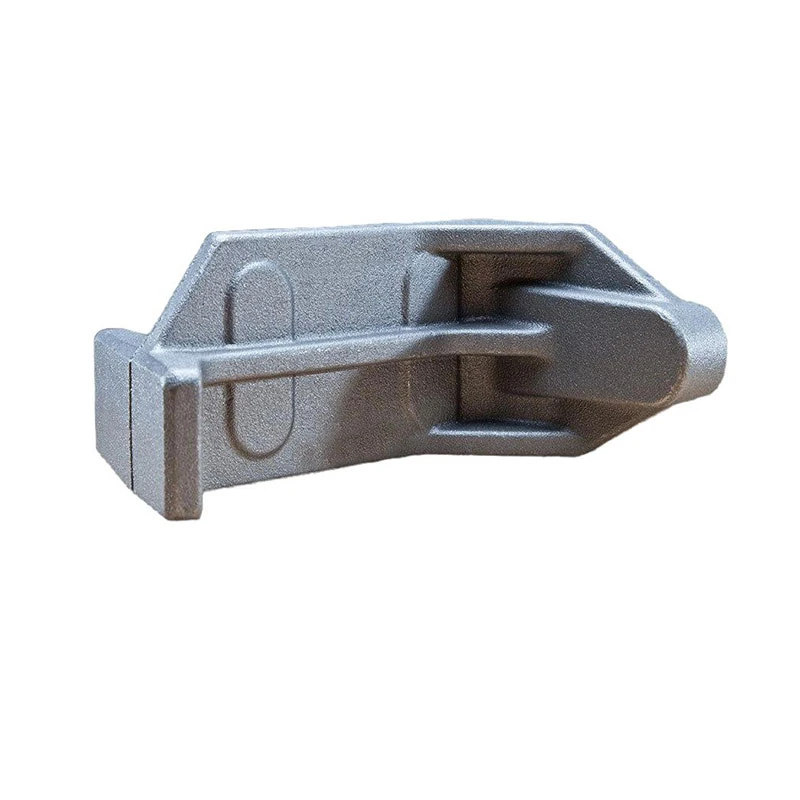
Steel die casting, at its core, is a manufacturing process where molten steel is injected under high pressure into reusable steel molds, also called dies. Unlike traditional sand casting — which relies on expendable molds — steel die casting uses durable steel tooling that significantly enhances precision and repeatability. The whole procedure feels almost like an art mixed with engineering, because timing, temperature, and pressure all need meticulous control.
Technically speaking, this method is ideal for producing complex, high-strength parts that require tight dimensional tolerances and superior surface finishes. It’s no wonder engineers depend on it in automotive components, aerospace fittings, and various heavy machinery parts. One interesting case from a recent project involved a manufacturer switching from aluminum to steel die cast parts in braking systems, noticing dramatic improvements in heat resistance and lifespan.
| Specification | Details |
|---|---|
| Material Grade | Stainless Steel 420, 304, or custom alloys |
| Typical Wall Thickness | 2–12 mm |
| Tolerance | ±0.05 mm standard |
| Max Part Size | Up to 1500 x 1000 x 600 mm |
| Surface Finish | Matte, polished, or custom coatings |
Benefits & Use Cases of Steel Die Casting
One of the most compelling reasons B2B decision-makers lean toward steel die casting is the combination of strength and precision it offers. For industries like automotive, aerospace, and tooling, parts must meet high-performance standards without breaking the bank. Steel die casting fits right in there – it can handle complex geometries that other methods might struggle with, while delivering robust mechanical properties.
Applications range from engine components, housings, and brackets to industrial tooling inserts. Many manufacturers appreciate the tighter tolerances and superior surface finishes that reduce or eliminate post-processing — that’s a huge time saver. Oddly enough, the ability to mass-produce consistent components with minimal scrap also means less wasted material, which is a subtle but important cost and environmental gain.
Cost, Maintenance & User Experience
Considering the total cost of ownership, steel die casting holds its ground quite well. Of course, the initial investment in steel tooling is higher than sand molds, but that’s offset over high-volume runs since each mold grants thousands of high-quality parts. The durability of these molds means maintenance is more about preventive care — cleaning, polishing, and minimal repairs rather than complete replacement. This can translate to dependable production cycles and fewer delays, something anyone managing manufacturing lines deeply values.
Feedback from companies using steel die casting frequently highlights improved ROI due to less downtime and reduced scrap rates. A client in the construction equipment sector shared how switching to steel die cast parts from aluminum improved component lifespan by over 30%, which, frankly, meant fewer warranty claims and happier clients downstream. It's also worth noting that user experience improves when parts fit perfectly out of the mold, which cuts down assembly time.
Sustainability & Market Trends
Sustainability often gets overlooked when we talk about steel die casting, but it’s actually quite relevant. Steel is highly recyclable, and the die casting process generates less waste compared to many subtractive methods. Coupled with longer part lifecycles, it fits increasingly well with tighter environmental regulations worldwide. The trend toward greener manufacturing means suppliers like Hairun Sourcing are focusing on eco-friendly processes and materials.
Market trends hint at continued growth in this sector as demand rises for lighter yet stronger parts—steel die casting is evolving to meet that. Plus, the integration of advanced simulation and AI-controlled machinery has made quality more predictable, which will only support confidence from B2B buyers looking to future-proof investments.
| Feature | Hairun Sourcing | Vendor B | Vendor C |
|---|---|---|---|
| Customization Options | Extensive, with CAD support | Limited | Moderate |
| Lead Time (Standard Runs) | 4-6 weeks | 6-9 weeks | 8-10 weeks |
| Technical Support | 24/7 expert team | Business hours only | Limited |
| Eco-Friendly Practices | Yes, ISO certified | No | Partial |
Frequently Asked Questions about Steel Die Casting
- What is Steel Die Casting and how does it work?
- Steel die casting is a manufacturing process involving the injection of molten steel into a hardened steel mold under high pressure. This results in precise, repeatable parts, often with complex shapes. The process stands apart for its speed and ability to produce high-strength components suitable for demanding industrial uses.
- What are the main benefits of using Steel Die Casting in industrial applications?
- Benefits include excellent mechanical strength, tight dimensional tolerances, superior surface finishes, and high production efficiency. These advantages help companies reduce costs in finishing, assembly, and warranty repairs.
- How does Steel Die Casting compare to traditional alternatives?
- Compared to sand casting or forging, steel die casting offers better repeatability and surface quality, though it requires higher upfront tooling costs. It also generally supports faster production rates and less material waste, making it economically attractive for medium to high volumes.
- What industries can benefit most from Steel Die Casting implementation?
- Key industries include automotive, aerospace, heavy machinery, construction equipment, and tooling manufacturing. These sectors often require durable, intricately shaped parts that can sustain harsh operating conditions.
Conclusion on Steel Die Casting from china
To wrap up, Steel Die Casting remains a robust solution for businesses seeking reliability, precision, and cost-efficiency in manufacturing high-strength parts. The technology’s ongoing innovation and the expertise at Hairun Sourcing make it a smart choice for companies looking to optimize production. For decision-makers, it feels like a sensible investment in both quality and scalability.
- Recap the value of Steel Die Casting.
- - Visit our website: https://www.hairunsourcing.com
A quick thought: while steel die casting might sound a bit tech-heavy, at heart it’s about forging dependable partnerships between materials, machines, and manufacturers — something that makes all the difference in real-world outcomes.
- Modern Steel Die Casting Techniques - Manufacturing Journal, 2023
- Material Choices in Heavy Industry Applications - Tech Materials Review, 2022
- Eco-Friendly Manufacturing Trends - Green Industry Report, 2024
-
Comprehensive Guide to Automotive Die Casting for Enhanced Vehicle PerformanceNewsJan.27,2026
-
Comprehensive Guide to Aluminum Pressure Die Casting Manufacturing ProcessesNewsJan.27,2026
-
Hot Chamber Die Casting vs Cold Chamber Die Casting ExplainedNewsJan.06,2026
-
Hot Chamber And Cold Chamber Die Casting Solutions for Industrial Applications | Hairun SourcingNewsJan.06,2026
-
Hot and Cold Chamber Die Casting: Key Insights from Industry ExpertsNewsJan.06,2026
-
Comprehensive Guide on Graphite Die Casting for B2B Manufacturing | HairunSourcingNewsJan.05,2026