


Stainless Steel Die Casting: Durable & Precise Industrial Components
Why Stainless Steel Die Casting Still Holds Its Ground in Industrial Manufacturing
Having spent over a decade working hands-on in the industrial equipment sector, I can say with some confidence that stainless steel die casting remains one of those classic processes that somehow manages to keep pace with evolving manufacturing technologies. Oddly enough, it’s not always the flashiest method but the sheer reliability of it — that combination of strength, precision, and corrosion resistance — keeps engineers and manufacturers coming back time and again.
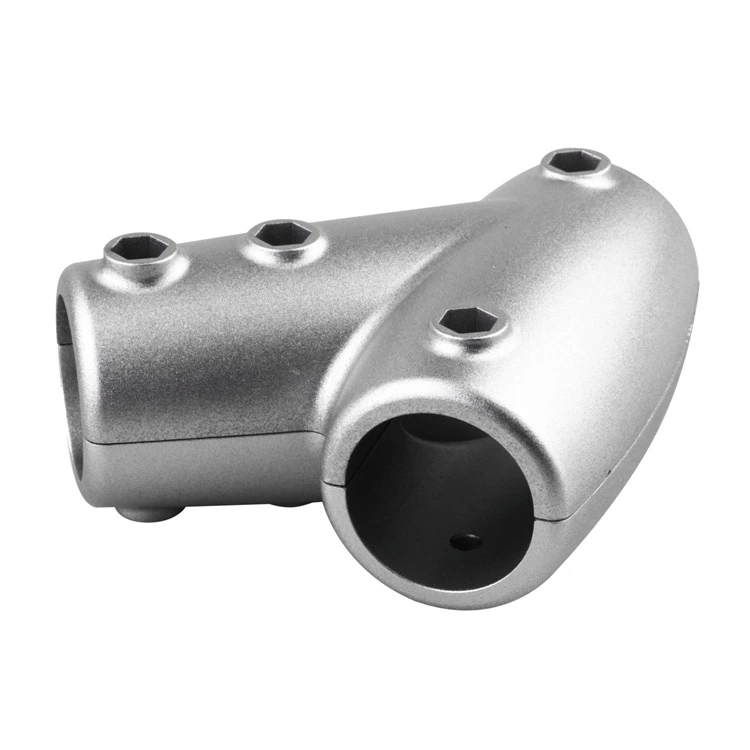
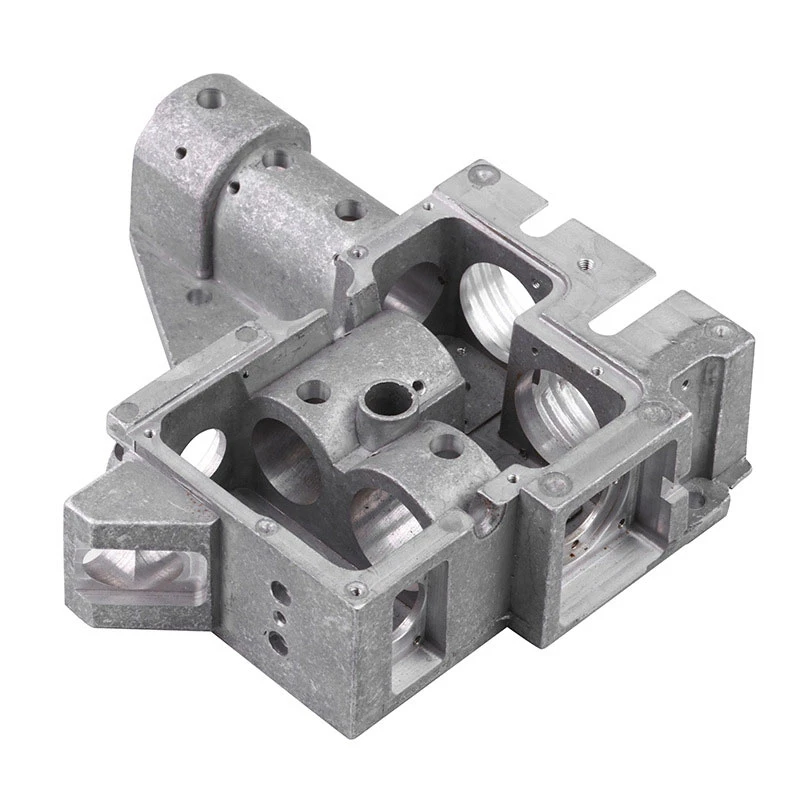
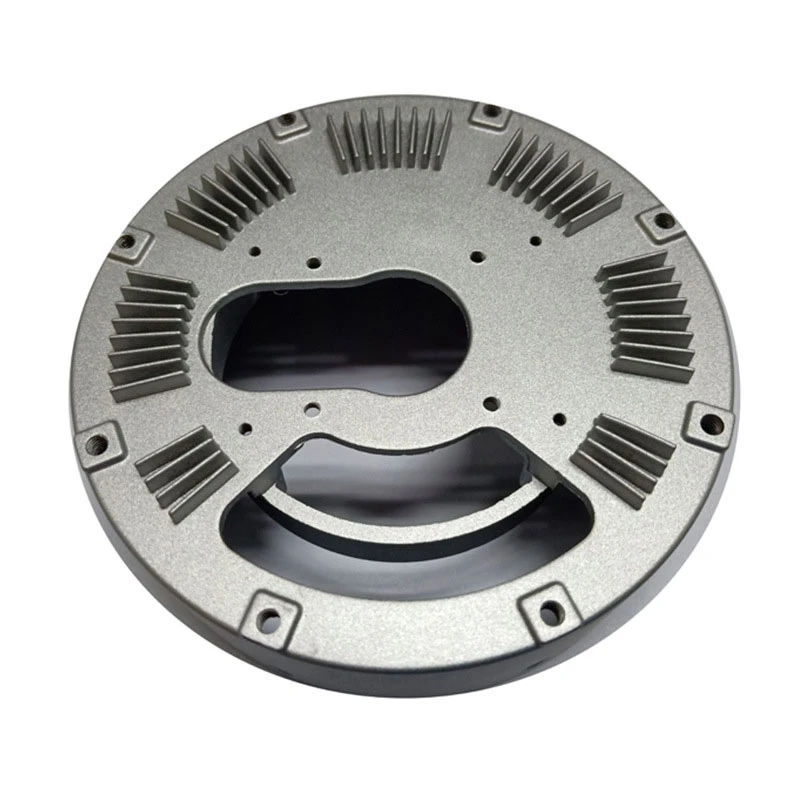
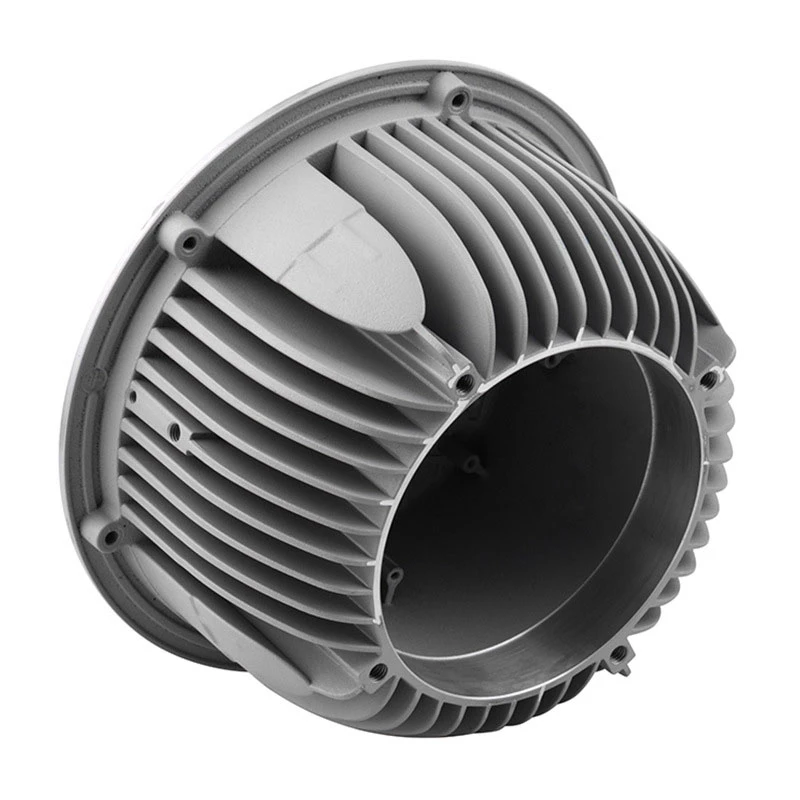
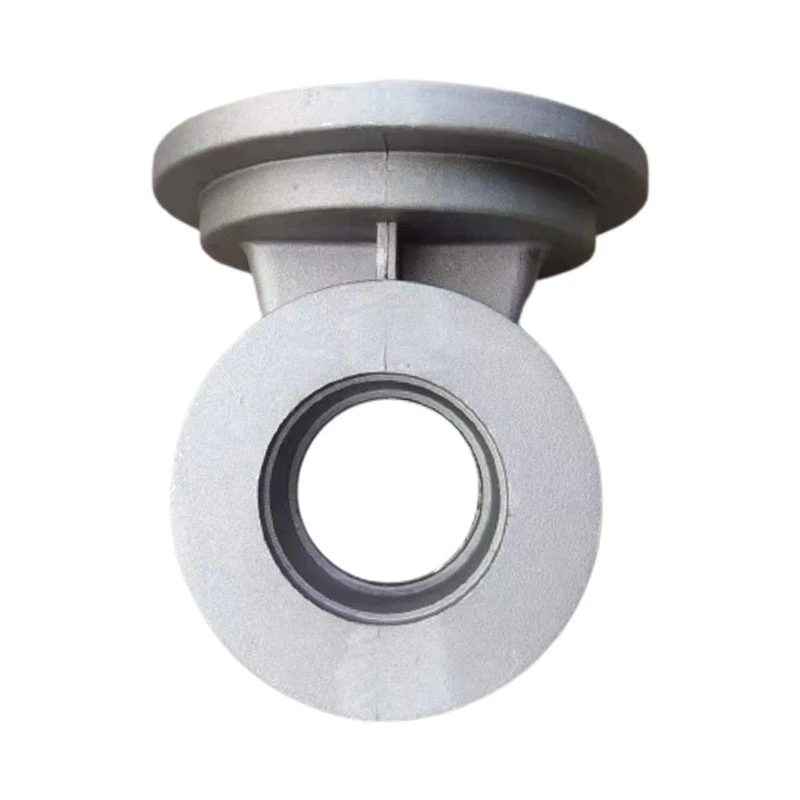
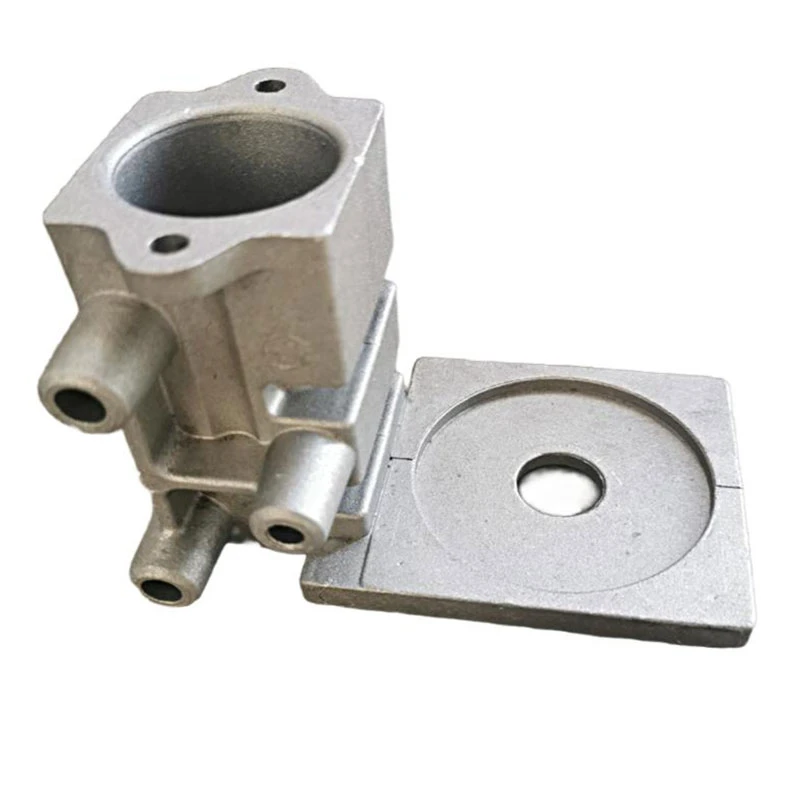
In real terms, it feels like stainless steel die casting is sort of the unsung hero behind countless industrial components, from valve bodies to pump housings, where parts need to withstand harsh environments and repeated mechanical stress. I’ve noticed many engineers praise its ability to deliver complex shapes with tight tolerances, something that’s critical when downtime isn’t an option.
Now, if you’re mulling over what makes stainless steel die casting a worthy choice, it’s mainly about the material’s blend of durability and aesthetics. It’s corrosion-resistant, which means parts last longer — even in chemically aggressive or high-moisture environments. Plus, the die casting process allows for high repeatability and efficiency in mass production. That said, it’s not without its quirks – the tooling cost is higher than other methods, so it really shines when you’re producing larger quantities.
Speaking of tooling, customization is where things get interesting. You can tweak everything from wall thickness to surface finishes, sometimes even integrating threads or undercuts directly into the die. This capability reduces secondary operations and cuts lead times substantially. One of my longtime clients once tasked us with producing a specialized pump component that required both tight dimensional accuracy and a smooth finish right out of the mold – stainless steel die casting ticked off every box effortlessly.
Of course, quality assurance can't be overlooked. Typical tests I've seen include X-ray inspection for porosity, tensile strength checks, and corrosion resistance cycles. These ensure that the parts won’t just look good but perform impeccably throughout their lifespan. It’s a step often skipped by newcomers but absolutely vital in our world.
Before we get any further, here’s a quick glance at some typical product specs that come with stainless steel die casting components:
| Specification | Details |
|---|---|
| Material Grade | 304, 316, 420 Stainless Steel |
| Typical Component Weight | 50g to 2kg |
| Dimensional Tolerance | ±0.1 mm |
| Surface Finish Options | Matte, Polished, Passivated |
| Max Wall Thickness | Up to 12 mm |
| Typical Density | 7.9 g/cm³ |
As a manufacturer selecting a vendor for stainless steel die casting, you might find yourself weighing options between cost, capability, and lead time. Here’s a vendor comparison chart I put together that highlights the key tradeoffs we tend to see in the industry:
| Vendor | Min Order Qty | Lead Time | Material Grades Offered | Tooling Cost | Surface Finish |
|---|---|---|---|---|---|
| SteelCraft Ltd. | 500 pcs | 4-6 weeks | 304, 316 | High | Polished, Passivated |
| Precision Castings Inc. | 200 pcs | 3-5 weeks | 304, 316, 420 | Medium | Matte, Polished |
| Industrial Molds Co. | 1000 pcs | 6-8 weeks | 316, 420 | Low | Matte only |
Frankly, if you’re after a balance of flexibility and reliability, stainless steel die casting offered by skilled suppliers can be hard to beat. They not only bring precision engineering but also extensive experience optimizing the process for various industrial applications.
In closing, while the market today buzzes with newer manufacturing technologies like additive manufacturing and CNC machining, stainless steel die casting quietly continues to serve as a cornerstone for many industries. It may feel a bit old-school, but in my experience, its efficiency and strength make it a sound investment—especially when you need durable parts in high volumes with a beautiful finish.
Oddly enough, it’s those little “behind the scenes” parts produced this way that often keep costly machinery running without a hitch. And that – if you ask me – is pretty impressive.
1. ASM International, “Metals Handbook: Desk Edition,” 1998.
2. “Guide to Die Casting Stainless Steel” – Technical Whitepaper, 2022.
3. Practical Insights from Industrial Equipment Supply Chains, 2015-2023.
-
Comprehensive Guide to Automotive Die Casting for Enhanced Vehicle PerformanceNewsJan.27,2026
-
Comprehensive Guide to Aluminum Pressure Die Casting Manufacturing ProcessesNewsJan.27,2026
-
Hot Chamber Die Casting vs Cold Chamber Die Casting ExplainedNewsJan.06,2026
-
Hot Chamber And Cold Chamber Die Casting Solutions for Industrial Applications | Hairun SourcingNewsJan.06,2026
-
Hot and Cold Chamber Die Casting: Key Insights from Industry ExpertsNewsJan.06,2026
-
Comprehensive Guide on Graphite Die Casting for B2B Manufacturing | HairunSourcingNewsJan.05,2026