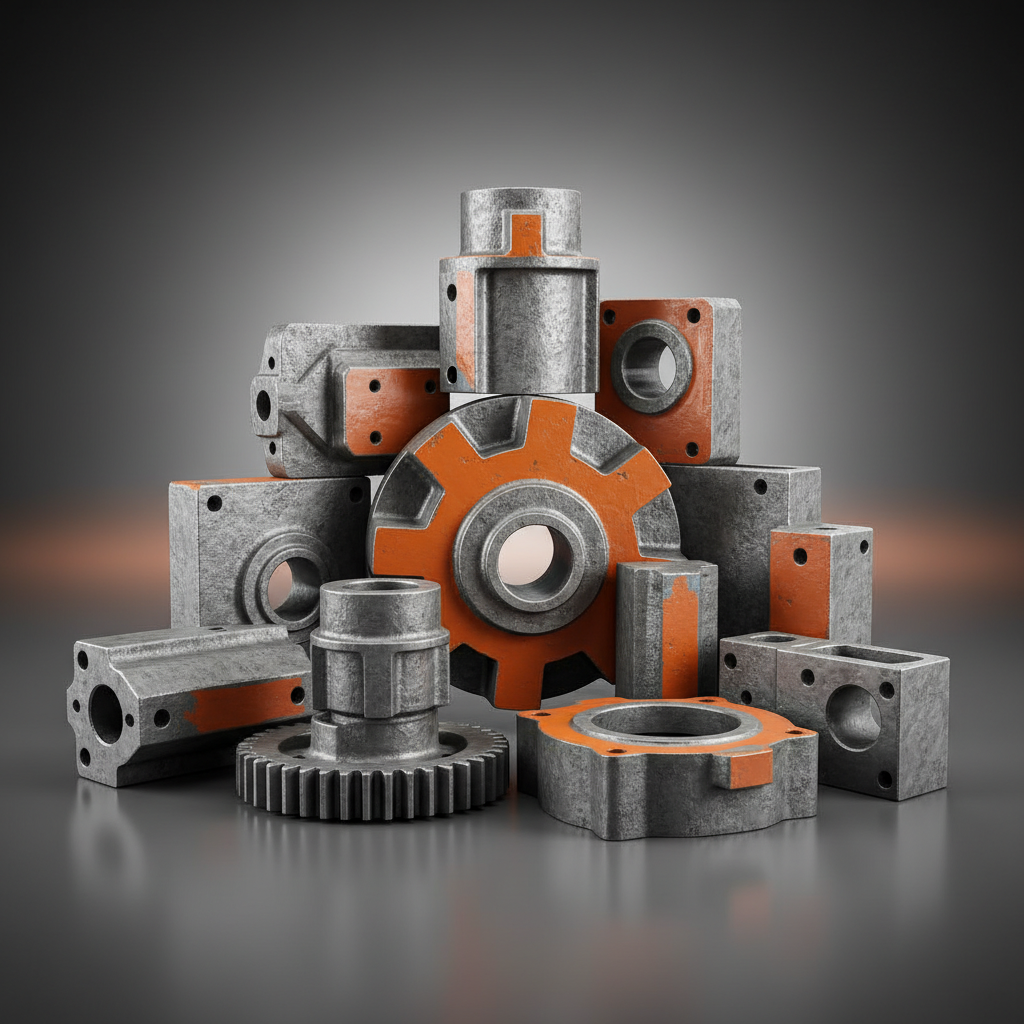
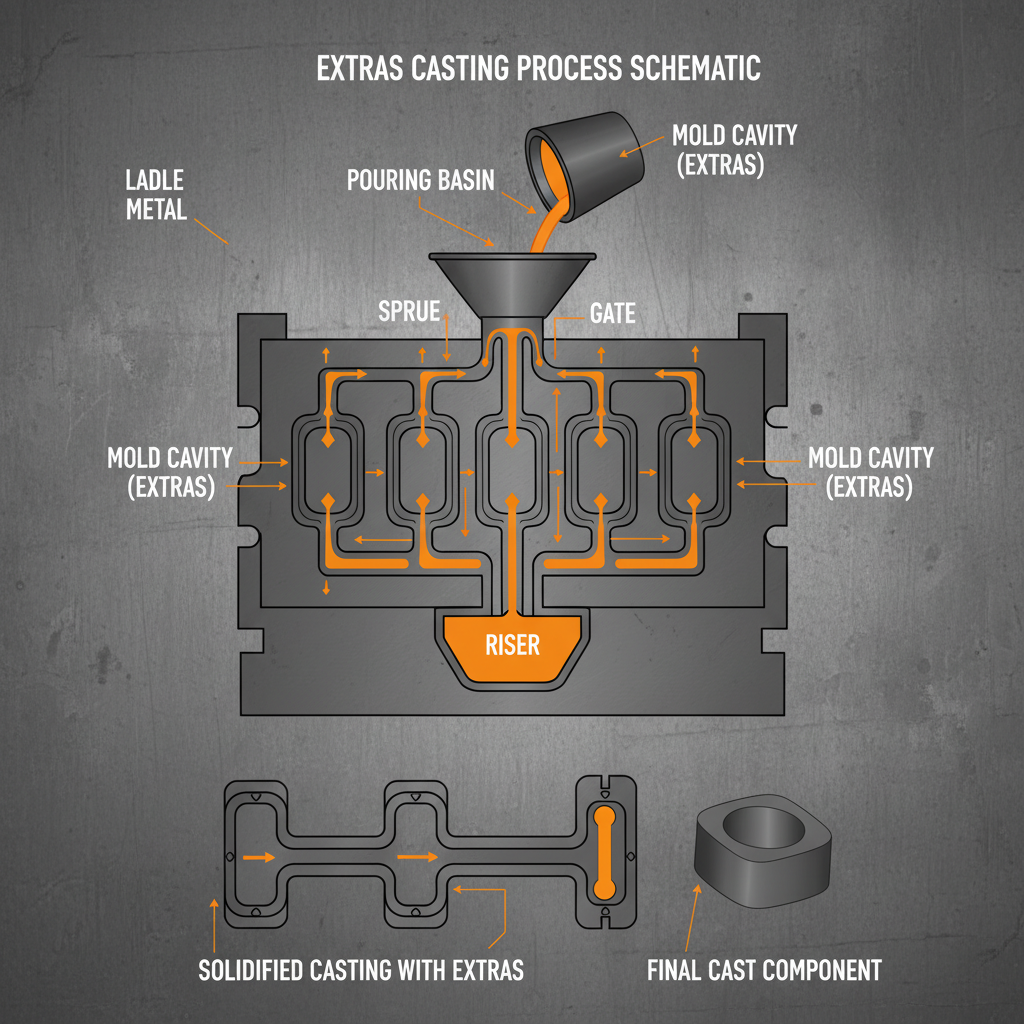
In the competitive landscape of modern precision engineering, the choice of raw materials can dictate the success or failure of a high-volume production run. The adc12 die casting alloy has emerged as the global gold standard for aluminum die casting, offering an unparalleled balance of fluidity, strength, and cost-effectiveness. For engineers and procurement specialists in the automotive and electronics sectors, understanding the nuances of this specific alloy is essential for optimizing part performance and reducing manufacturing waste.
Across the globe, from the sprawling industrial hubs of East Asia to the precision workshops of Germany, the demand for high-pressure die casting (HPDC) continues to surge. The adc12 die casting alloy addresses the critical challenge of producing complex, thin-walled components that maintain tight tolerances without sacrificing structural integrity. As industries shift toward lightweighting to improve fuel efficiency and energy consumption, this alloy provides the necessary versatility to replace heavier steel or iron counterparts.
By leveraging the unique chemical composition of the adc12 die casting alloy, manufacturers can achieve superior surface finishes and excellent machinability. This guide delves deep into the technical specifications, global applications, and future innovations surrounding this material, providing a comprehensive roadmap for those looking to implement high-efficiency casting solutions in their production pipelines.
Global Industrial Significance of ADC12 Alloy
The global adoption of adc12 die casting alloy is not an accident but a result of its alignment with ISO standards and industrial requirements for mass production. In the current economic climate, where supply chain resilience is paramount, the availability of high-quality ADC12 ensures that manufacturers can scale their operations without facing material shortages. Its ability to fill intricate molds with high precision makes it the primary choice for components that require high dimensionality accuracy.
From an economic perspective, the widespread use of this alloy reduces the cost of entry for complex part designs. By minimizing the need for extensive secondary machining, the adc12 die casting alloy allows brands to accelerate their time-to-market, providing a strategic advantage in fast-paced industries like consumer electronics and automotive EV subsystems.
Technical Definition and Material Composition
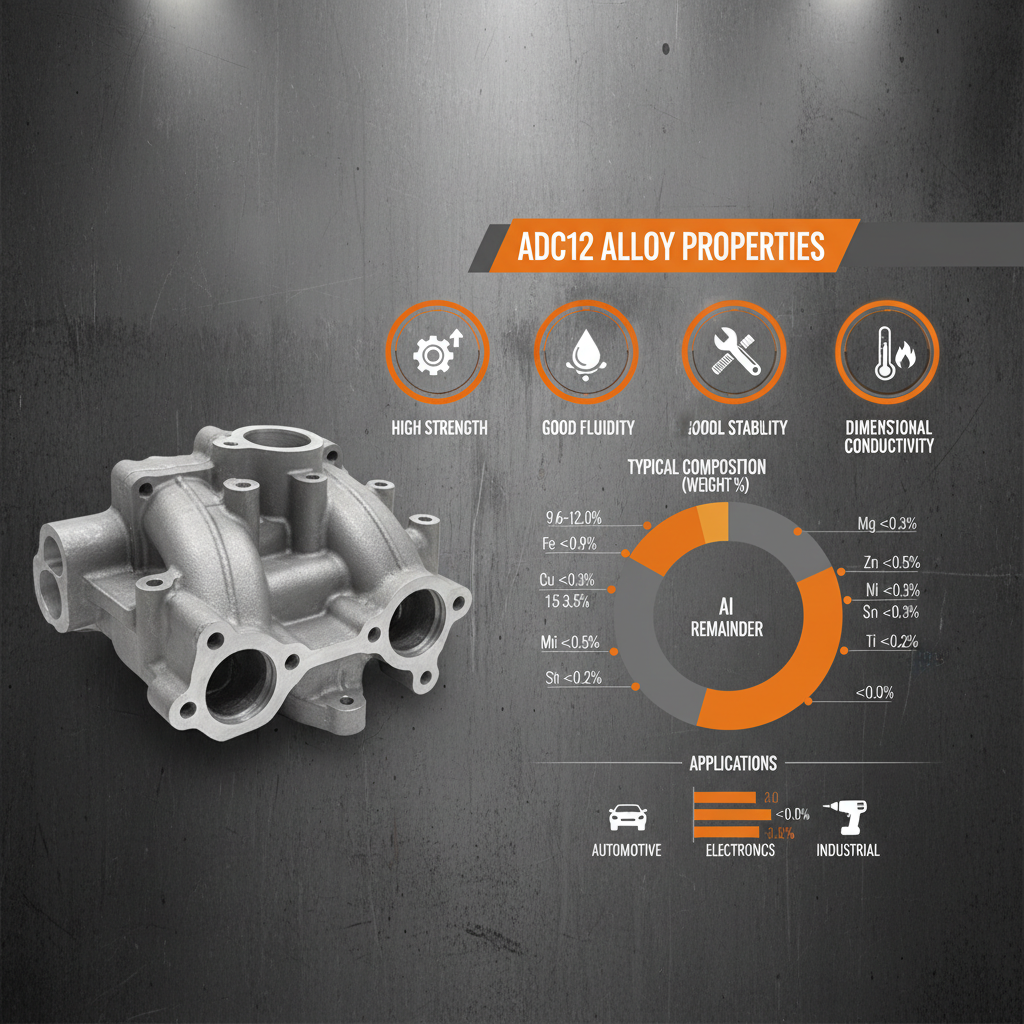
At its core, adc12 die casting alloy is a hot-chamber aluminum alloy specifically engineered for high-pressure die casting. It is characterized by a precise blend of silicon and magnesium, which together optimize the material's fluidity and mechanical strength. Silicon, acting as the primary alloying element, significantly lowers the melting point and reduces the shrinkage coefficient, which prevents the formation of voids and cracks during the cooling process.
The "ADC12" designation refers to the Japanese Industrial Standard (JIS), but the alloy's properties are recognized and utilized globally under various equivalent certifications. The inclusion of magnesium enhances the alloy's response to heat treatment and improves its overall tensile strength. This specific chemical synergy allows for the creation of parts that are lightweight yet capable of withstanding significant operational stress, making it an indispensable asset in modern mechanical engineering.
Beyond the basic elements, the control of impurities like iron is critical in adc12 die casting alloy production. Iron is kept within a strict range to prevent "soldering," a phenomenon where the molten aluminum sticks to the steel die, which would otherwise increase downtime and reduce the lifespan of expensive tooling. This technical balance ensures that the alloy remains the most reliable choice for high-volume, high-complexity casting.
Core Performance Factors of ADC12
One of the most lauded attributes of adc12 die casting alloy is its exceptional fluidity. In the world of high-pressure die casting, the ability of the molten metal to flow into the thinnest sections of a mold is what separates a premium part from a defective one. This fluidity enables the production of complex geometries that would be impossible or prohibitively expensive to achieve via CNC machining or sand casting.
Furthermore, the dimensional stability of adc12 die casting alloy is a critical factor for assembly-line efficiency. Because the alloy exhibits predictable shrinkage rates, engineers can design molds with high confidence, ensuring that the final part fits perfectly with other components. This reduces the reliance on expensive post-casting machining, directly lowering the total cost of ownership for the manufacturer.
Finally, the corrosion resistance and thermal conductivity of adc12 die casting alloy make it ideal for heat dissipation applications. In an era where electronic devices are becoming more powerful and compact, the ability of an ADC12 housing to act as a heat sink while protecting internal circuitry is a vital functional requirement.
Comparative Efficiency in Production
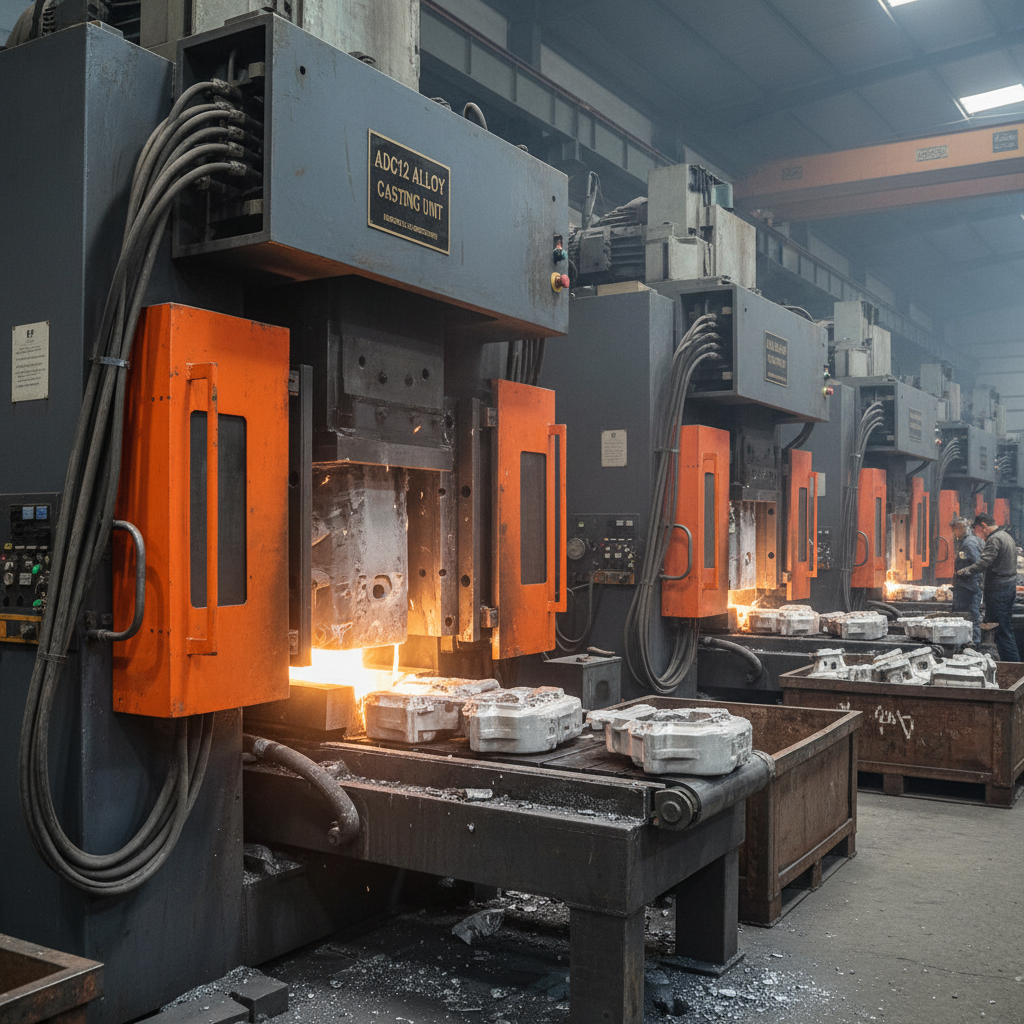
When comparing the adc12 die casting alloy to other aluminum series, its efficiency in the hot-chamber process is unmatched. This process allows for faster cycle times and higher production volumes compared to the cold-chamber method used for alloys like A356. The result is a dramatic reduction in labor costs and energy consumption per unit produced.
Moreover, the machinability of ADC12 allows for rapid finishing. Whether it is threading a hole or milling a flat surface, the material responds predictably to cutting tools, reducing tool wear and increasing the throughput of the machining center. This synergy between casting and machining is why adc12 die casting alloy remains the dominant choice for precision industrial parts.
ADC12 Performance Index vs Other Casting Methods
Global Applications and Use Cases
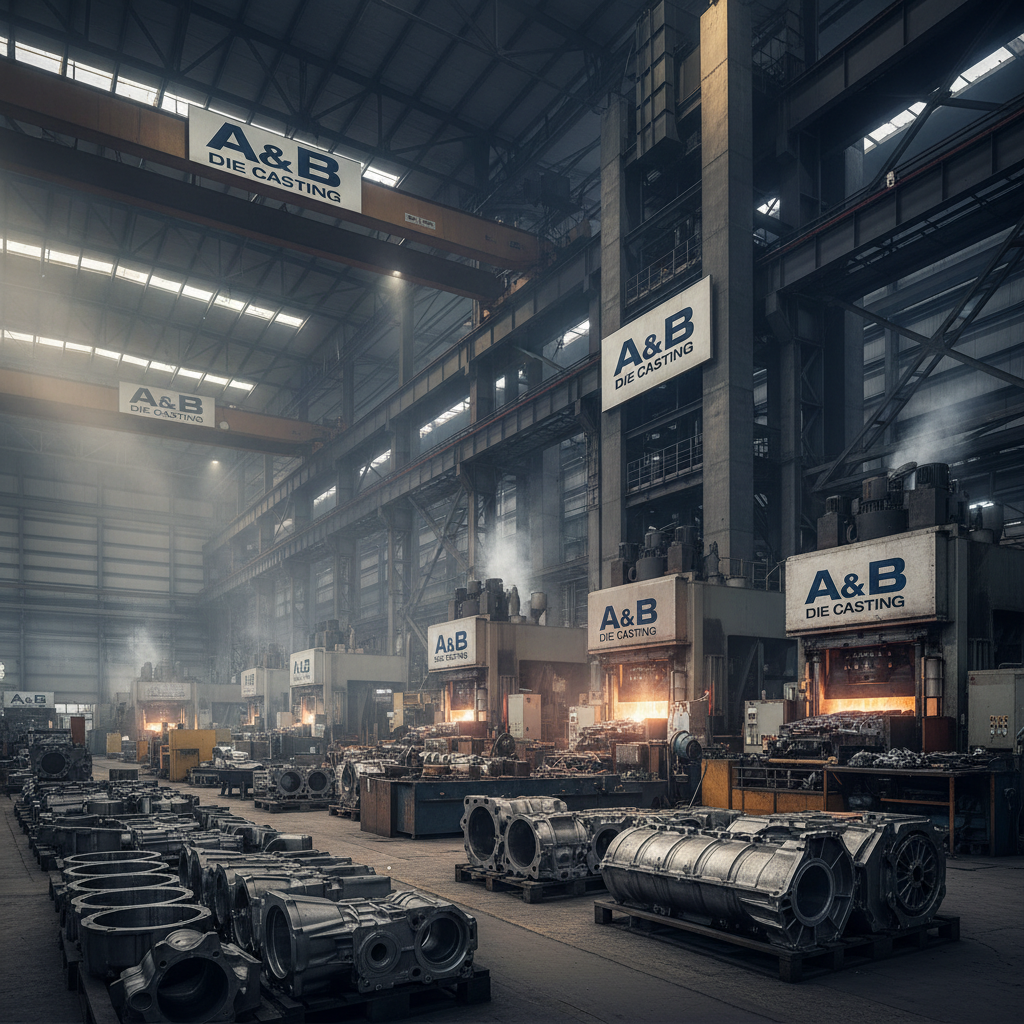
The application of adc12 die casting alloy spans virtually every modern industrial sector. In the automotive industry, it is used for engine blocks, transmission cases, and brackets, where the weight reduction directly correlates to lower CO2 emissions and increased fuel economy. In the electronics sector, the alloy is used for laptop chassis, power supply housings, and LED heat sinks, ensuring that high-performance chips remain cool under load.
Beyond these, we see the adc12 die casting alloy being deployed in demanding environments, such as remote industrial zones where components must withstand corrosive salt air or extreme temperature fluctuations. For instance, in marine electronics, the natural oxide layer of the ADC12 alloy provides a baseline level of protection that is essential for longevity in harsh coastal conditions.
Long-Term Value and Sustainability
Investing in adc12 die casting alloy provides more than just immediate cost savings; it offers long-term strategic value. The inherent reliability of the material reduces the rate of field failures, which protects brand reputation and minimizes the costs associated with warranties and recalls. When a part is cast from ADC12, there is a high degree of trust in its structural consistency.
From a sustainability standpoint, aluminum is one of the most recyclable materials on the planet. The adc12 die casting alloy is fully recyclable without significant loss of properties. This creates a circular economy within the manufacturing plant, where scrap from the casting process is melted down and reused, drastically reducing the carbon footprint compared to primary aluminum production.
Furthermore, the ability to consolidate multiple parts into a single complex casting reduces the need for fasteners and welding. This not only simplifies the assembly process but also reduces the overall material waste, aligning the use of adc12 die casting alloy with global ESG (Environmental, Social, and Governance) goals.
Future Trends in Casting Innovation
The future of adc12 die casting alloy is being shaped by the integration of Industry 4.0. Real-time sensor monitoring in die casting machines now allows for the precise control of injection pressure and temperature, virtually eliminating the possibility of porosity in ADC12 parts. This digital transformation is pushing the boundaries of how thin a wall can be while still maintaining structural integrity.
Additionally, we are seeing a shift toward "Green Casting" initiatives. The use of renewable energy to power the melting furnaces used for adc12 die casting alloy is becoming common in Europe and North America. Coupled with advanced simulation software like MagmaSoft, engineers can now predict the flow of ADC12 in the mold with 99% accuracy, reducing the waste generated during the prototyping phase.
As we look toward the next decade, the synergy between additive manufacturing and traditional die casting will likely emerge. Hybrid processes where adc12 die casting alloy provides the bulk structure while 3D-printed inserts provide intricate internal cooling channels could revolutionize the thermal management of electric vehicle batteries.
Comparative Analysis of ADC12 Material Properties by Application
| Application Sector |
Priority Metric |
ADC12 Performance (1-10) |
Key Benefit |
| Automotive Powertrain |
Thermal Stability |
9 |
Excellent heat dissipation |
| Consumer Electronics |
Surface Finish |
10 |
Superior anodizing quality |
| Industrial Machinery |
Dimensional Accuracy |
9 |
Low shrinkage rate |
| Telecommunications |
Weight Reduction |
8 |
High strength-to-weight ratio |
| Medical Devices |
Biocompatibility/Coatings |
7 |
Good coating adhesion |
| Aerospace Components |
Tensile Strength |
7 |
Consistent grain structure |
FAQS
ADC12 is preferred primarily due to its exceptional fluidity and castability. Unlike alloys that are prone to shrinkage or porosity, ADC12 flows easily into complex mold geometries, ensuring high yields and minimal defects. This makes it the most cost-effective option for high-volume production where precision and consistency are non-negotiable.
While ADC12 is primarily designed for "as-cast" use to maintain dimensional stability, it can undergo certain heat treatments to relieve internal stresses. However, it is not typically used for T6 tempering like the 6000 series aluminum because the high silicon content prioritizes castability over extreme hardness. Most users find the as-cast strength sufficient for industrial applications.
ADC12 forms a natural aluminum oxide layer that provides a baseline level of corrosion resistance. For more aggressive environments, such as marine or chemical plants, it is highly compatible with surface treatments including powder coating, anodizing, and chromating, which can extend the part's lifespan by decades.
Yes, absolutely. One of the greatest strengths of ADC12 is its excellent machinability. It allows for tight tolerances during secondary operations, such as drilling, tapping, and milling, without causing excessive tool wear, making it a perfect hybrid candidate for "cast-and-machine" workflows.
ADC12 (JIS standard) and A380 (ASTM standard) are very similar and often used interchangeably. However, ADC12 generally has slightly different silicon and copper ranges, which can result in marginally better fluidity in certain mold designs. In most practical applications, they perform almost identically.
Reducing porosity in ADC12 requires a combination of precise temperature control and optimal venting. Ensuring the molten alloy is degassed and the die is preheated correctly prevents air entrapment. Additionally, utilizing vacuum-assisted die casting can almost entirely eliminate internal gas pores for critical safety components.
Conclusion
In summary, the adc12 die casting alloy stands as a cornerstone of modern manufacturing, bridging the gap between complex design requirements and the economic realities of mass production. Its superior fluidity, impressive dimensional stability, and high recyclability make it an indispensable material for the automotive, electronics, and industrial sectors. By optimizing the balance of silicon and magnesium, ADC12 provides a reliable foundation for parts that must be lightweight, durable, and precision-engineered.
As we move toward a future defined by electric mobility and sustainable production, the role of high-efficiency alloys will only grow. We suggest that engineers and procurement managers prioritize the sourcing of certified ADC12 to ensure consistency across global supply chains. Embracing the digital transformation of casting will further unlock the potential of this material, driving innovation in thermal management and structural lightweighting. To explore high-quality casting solutions and precision parts, visit our website: www.hairunsourcing.com.