Zinc die casting suppliers play a critical role in modern manufacturing, providing essential components to a vast array of industries worldwide. From automotive parts to consumer electronics, the precision and efficiency offered by zinc die casting are increasingly vital. Understanding the capabilities and nuances of a reliable zinc die casting supplier is paramount for businesses aiming for high-quality, cost-effective production. The global demand for zinc die castings is consistently growing, driven by innovation and the need for durable, lightweight materials.
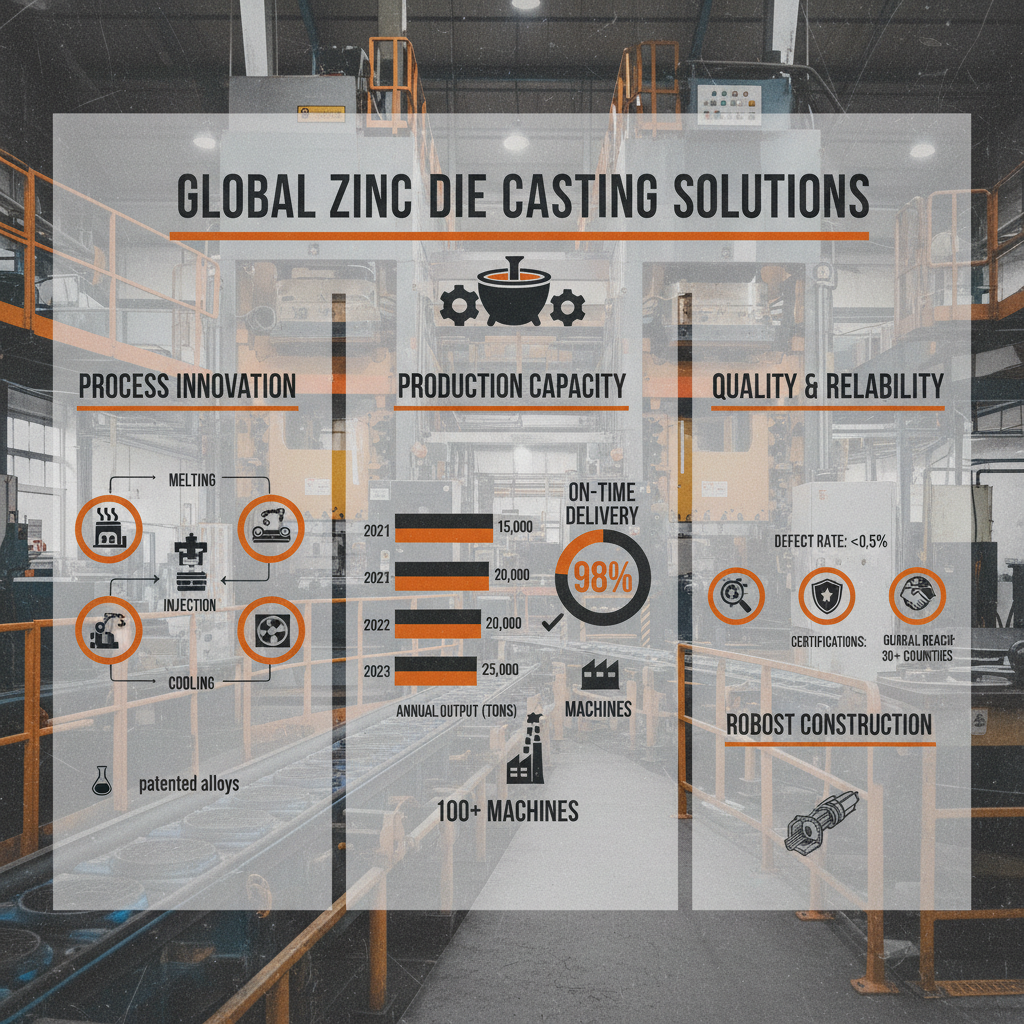
The global zinc die casting market is experiencing significant growth, estimated to reach billions of dollars in the coming years. This expansion is fueled by the rising demand from automotive, electronics, and construction sectors, particularly in emerging economies. Selecting the right zinc die casting supplier can significantly impact a company's ability to meet production demands, maintain quality control, and optimize costs within a competitive landscape. Strategic sourcing from experienced providers is therefore key to success.
A key challenge faced by manufacturers is ensuring a consistent supply of high-quality zinc die castings while managing fluctuating material costs and lead times. Partnering with a reputable zinc die casting supplier mitigates these risks, offering expertise in design optimization, tooling, and production processes. This ensures that businesses can rely on a stable and efficient supply chain, ultimately contributing to improved product performance and customer satisfaction.
Introduction to Zinc Die Casting Suppliers
A proficient zinc die casting supplier is far more than just a manufacturer; they are a strategic partner in product development and production. They offer comprehensive services, ranging from initial design consultation and tooling creation to high-volume production and finishing operations. Their expertise allows manufacturers to optimize designs for die casting, minimize material waste, and achieve consistently high-quality components.
These suppliers utilize sophisticated equipment and processes to produce intricate and precise parts with exceptional dimensional accuracy and surface finish. The choice of a zinc die casting supplier significantly influences the efficiency and cost-effectiveness of a manufacturing project, impacting everything from lead times to overall product quality.
Defining Zinc Die Casting Suppliers
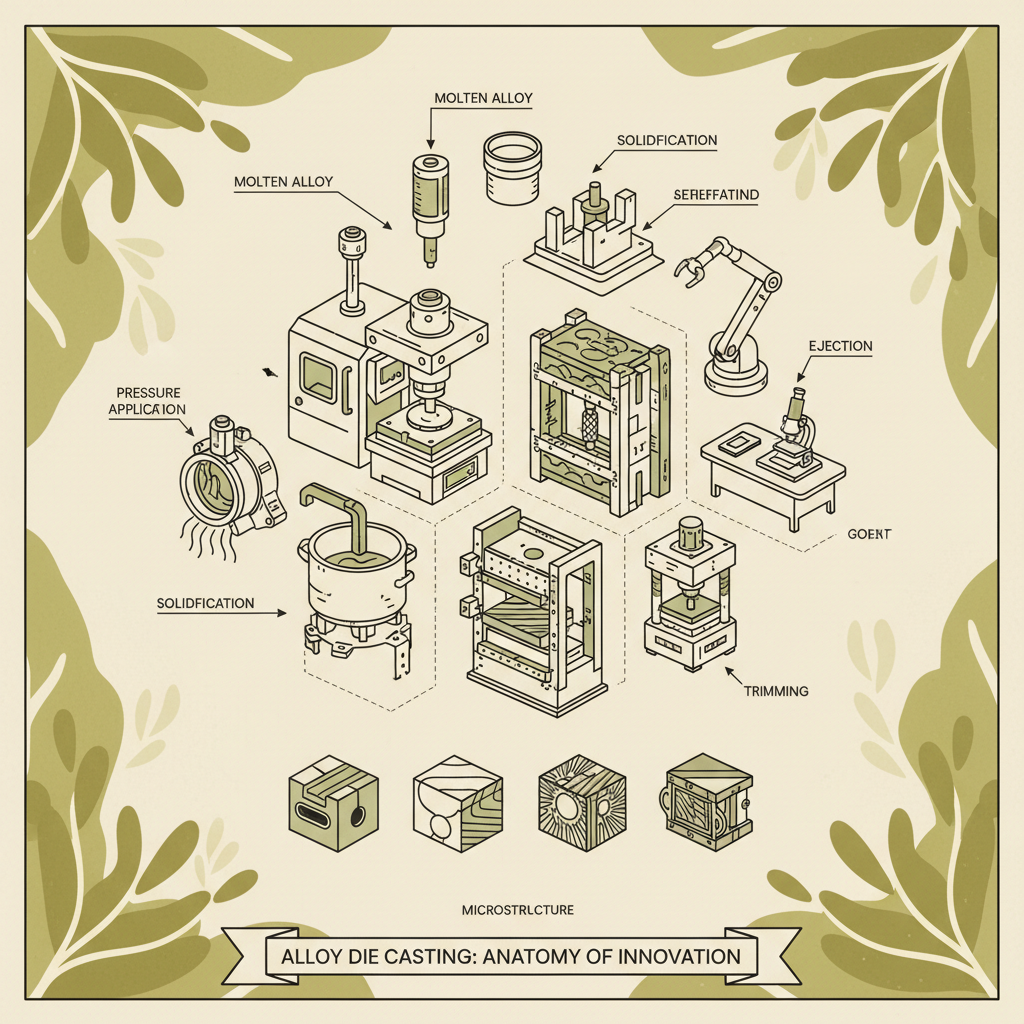
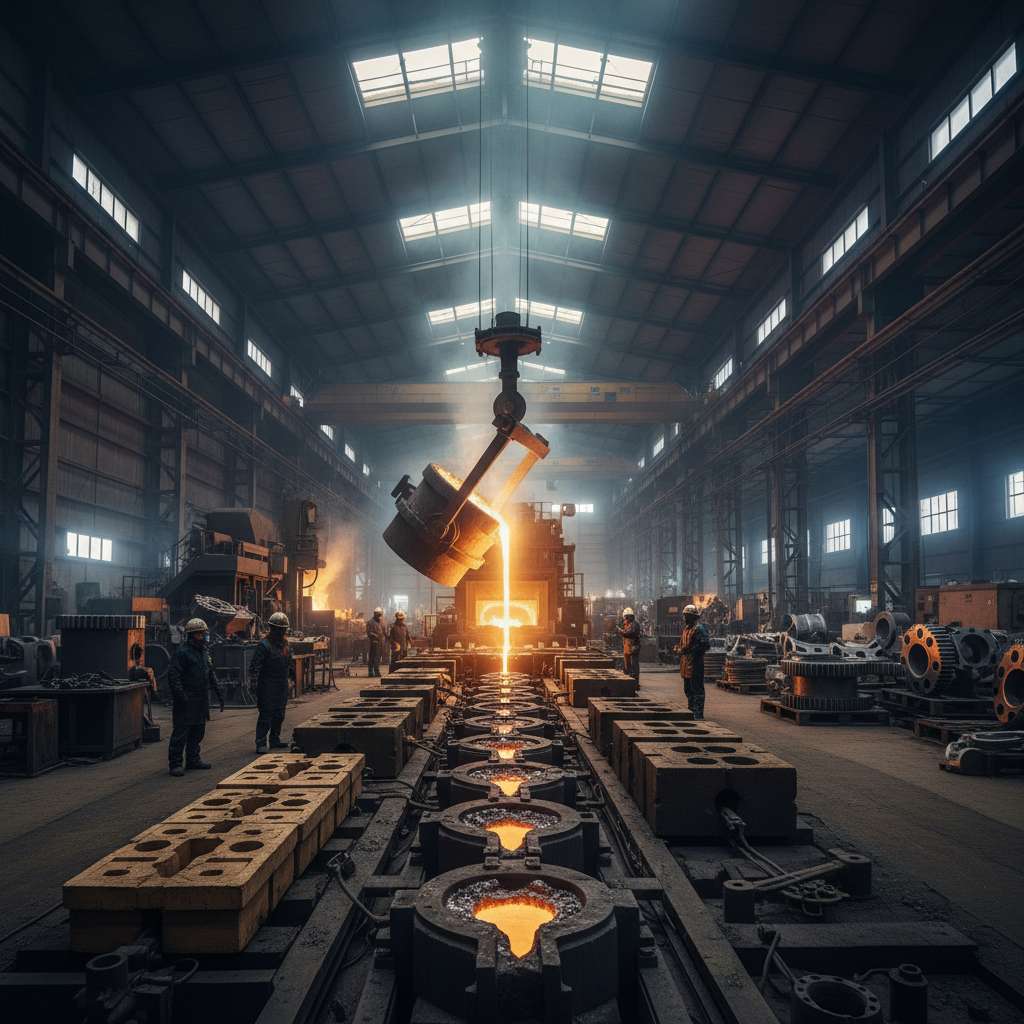
A zinc die casting supplier specializes in the manufacturing of components using the die casting process, specifically utilizing zinc alloys. This process involves injecting molten zinc alloy under high pressure into steel molds, creating parts with complex geometries and tight tolerances. These suppliers typically offer a range of services, including design assistance, tooling development, casting, trimming, finishing, and quality control.
They cater to a diverse range of industries, including automotive, electronics, hardware, and medical, providing essential parts for a multitude of applications. Their expertise lies in understanding the properties of zinc alloys and optimizing the die casting process to achieve specific performance characteristics.
Essentially, a zinc die casting supplier bridges the gap between design and production, transforming concepts into tangible, functional components efficiently and reliably, providing a crucial link in the modern supply chain.
Core Benefits of Collaborating with a Supplier
One of the primary benefits of working with a dedicated zinc die casting supplier is cost efficiency. Die casting is a highly efficient process for mass-producing parts, minimizing material waste and reducing labor costs compared to other manufacturing methods. This translates to lower overall production expenses for the customer.
Furthermore, die casting excels in producing intricate designs with exceptional dimensional accuracy. Zinc alloys offer excellent fluidity, allowing for the creation of complex shapes and thin walls that would be challenging or impossible to achieve with other materials or manufacturing processes. This is particularly beneficial for components requiring intricate details and tight tolerances.
Finally, a strong zinc die casting supplier provides scalability. They are equipped to handle both small-batch prototyping and large-volume production runs, adapting to changing demands and ensuring a consistent supply of parts regardless of quantity.
Key Factors for Evaluating Zinc Die Casting Suppliers
When selecting a zinc die casting supplier, several critical factors should be considered. These include their experience, capabilities, quality control procedures, and communication protocols. A supplier with a proven track record and a deep understanding of zinc die casting processes is essential.
Equally important is their capacity to meet your specific requirements in terms of tooling, design assistance, and finishing options. Thoroughly evaluating their quality control systems, including material testing and dimensional inspection, is crucial to ensuring consistent product quality.
Supplier Evaluation Metrics
Global Applications and Industries Served
Zinc die casting finds widespread application across numerous industries. In the automotive sector, it's used extensively for components like carburetor bodies, fuel pumps, and door handles, owing to its strength, durability, and corrosion resistance. The electronics industry utilizes it for connectors, housings, and shielding components.
Hardware manufacturers rely on zinc die casting for producing locks, hinges, and fasteners. Medical device companies also utilize zinc alloys for housings and structural components requiring precision and biocompatibility. These diverse applications demonstrate the versatility of zinc die casting and the broad reach of zinc die casting suppliers globally.
Advantages and Long-Term Value Proposition
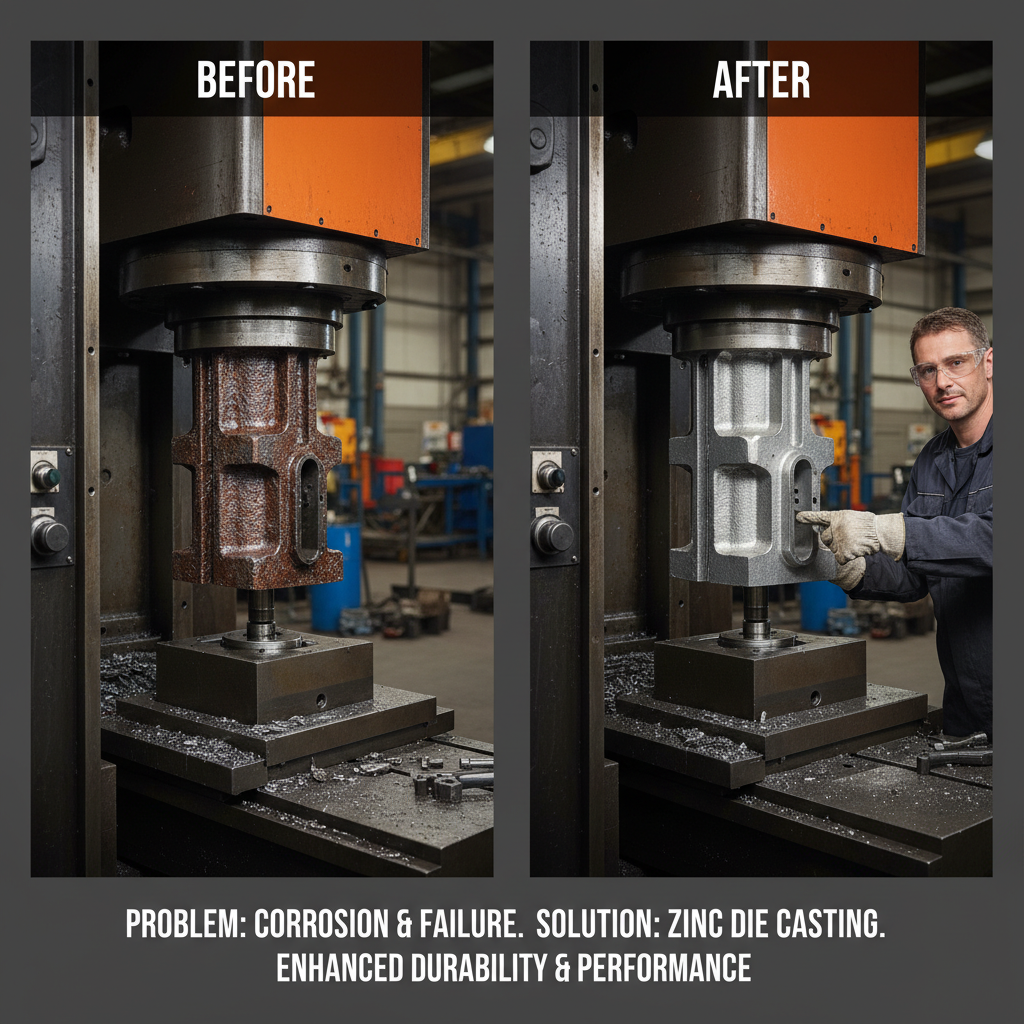
The long-term value of collaborating with a skilled zinc die casting supplier extends beyond immediate cost savings. The superior mechanical properties of zinc die castings contribute to increased product lifespan and reduced maintenance requirements, ultimately lowering total cost of ownership.
Furthermore, the recyclability of zinc alloys promotes sustainability and environmental responsibility, aligning with growing consumer demand for eco-friendly products. The ability to consistently deliver high-quality parts builds trust and strengthens the supplier-customer relationship, fostering long-term collaboration and innovation.
Future Trends in Zinc Die Casting and Supplier Technologies
The future of zinc die casting is poised for significant advancements. Automation and robotics are increasingly being integrated into the manufacturing process, enhancing efficiency, reducing labor costs, and improving precision. The development of new zinc alloys with enhanced properties, such as improved strength and corrosion resistance, is also ongoing.
Digital technologies, including simulation software and data analytics, are enabling zinc die casting suppliers to optimize designs, predict potential issues, and improve process control. Furthermore, a growing emphasis on sustainability is driving the adoption of closed-loop recycling systems and environmentally friendly manufacturing practices.
These trends will shape the future landscape of the industry, requiring suppliers to embrace innovation and invest in advanced technologies to remain competitive and meet the evolving needs of their customers.
Summary of Key Supplier Characteristics
| Technical Expertise |
Production Capacity |
Quality Control Systems |
Communication & Responsiveness |
| Depth of knowledge in zinc alloy properties and die casting processes. |
Ability to handle both small and large production runs efficiently. |
Implementation of rigorous testing and inspection procedures. |
Proactive communication and timely response to inquiries. |
| Experience in design optimization for die casting. |
Availability of spare capacity to accommodate urgent orders. |
Adherence to relevant industry standards and certifications. |
Clear and concise reporting on project progress. |
| Proficiency in using simulation software for process optimization. |
Lead time reliability and on-time delivery performance. |
Statistical process control (SPC) implementation. |
Willingness to collaborate and address concerns promptly. |
| Expertise in tooling design and maintenance. |
Flexibility to adapt to changing production volumes. |
Use of advanced measurement equipment and techniques. |
Transparency in pricing and cost breakdowns. |
| Knowledge of finishing options and surface treatments. |
Ability to handle complex geometries and tight tolerances. |
Traceability of materials and processes. |
Commitment to continuous improvement. |
| Understanding of industry-specific regulations and requirements. |
Investment in modern equipment and technology. |
Documentation of quality control procedures. |
Dedicated account management support. |
FAQS
Zinc die casting offers several advantages over aluminum, including lower melting temperatures (reducing energy consumption), excellent castability for intricate designs, and superior corrosion resistance in many environments. While aluminum is stronger, zinc often provides a better balance of properties and cost for specific applications, particularly where detailed features and surface finish are critical. It’s crucial to evaluate application requirements for the optimal material choice, and a good zinc die casting supplier can assist in this process.
Most reputable zinc die casting suppliers offer comprehensive design support. This typically includes Design for Manufacturability (DFM) analysis, which identifies potential issues with your design and suggests modifications to optimize it for die casting. They can also assist with material selection, tooling design, and prototype development, ensuring your parts are both functional and cost-effective to produce.
Quality control is paramount in zinc die casting. Suppliers employ a range of measures, including incoming material inspection, process monitoring during casting, dimensional inspection of finished parts (using CMMs and other precision instruments), and non-destructive testing (e.g., radiography) to detect internal flaws. ISO 9001 certification is a good indicator of a supplier’s commitment to quality management systems.
Tooling lead times for zinc die casting typically range from 4 to 8 weeks, depending on the complexity of the part and the supplier’s workload. Production lead times can vary significantly based on order volume and the supplier’s capacity, but generally range from 2 to 6 weeks. It's best to discuss your specific requirements with a zinc die casting supplier to get an accurate estimate.
Zinc die castings can be finished using a variety of methods to enhance their appearance, corrosion resistance, and durability. Common options include plating (e.g., nickel, chrome, copper), powder coating, painting, and passivation. The choice of finish depends on the application requirements and desired aesthetic properties.
Look for suppliers who prioritize sustainability by implementing closed-loop recycling systems for zinc, minimizing waste generation, and adhering to environmental regulations. ISO 14001 certification demonstrates a commitment to environmental management systems. Asking about their waste disposal practices and energy consumption is also a good starting point when choosing a zinc die casting supplier.
Conclusion
In conclusion, the selection of a skilled zinc die casting supplier is a crucial strategic decision for any manufacturer relying on high-quality, cost-effective components. The benefits – encompassing cost savings, design flexibility, scalability, and long-term value – are substantial. Understanding the core factors to evaluate suppliers, staying abreast of industry trends, and prioritizing quality control will ensure a successful and sustainable partnership.
Looking ahead, embracing innovative technologies and prioritizing sustainable practices will be paramount for both suppliers and manufacturers. By fostering collaboration and embracing continuous improvement, the zinc die casting industry can continue to meet the evolving demands of a dynamic global marketplace. Visit our website: www.hairunsourcing.com to learn more about how we can support your zinc die casting needs.