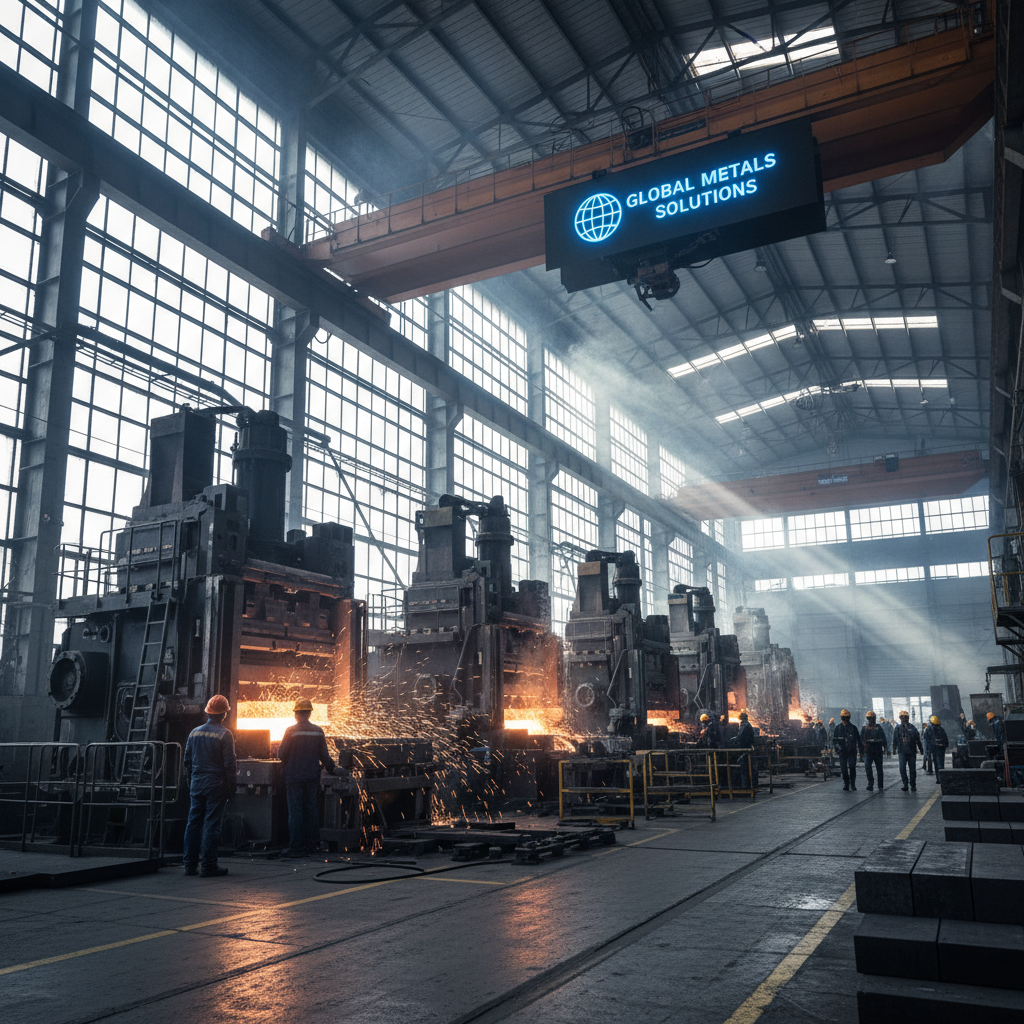
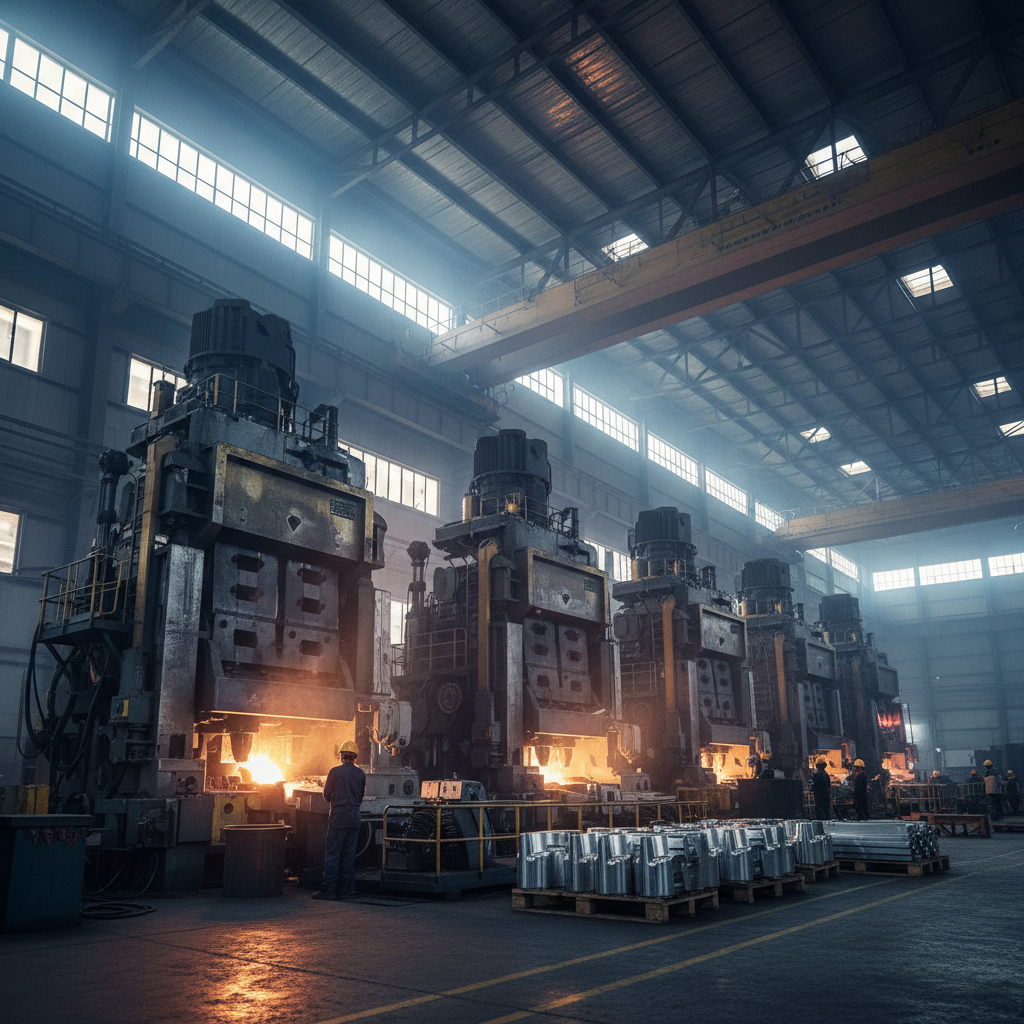
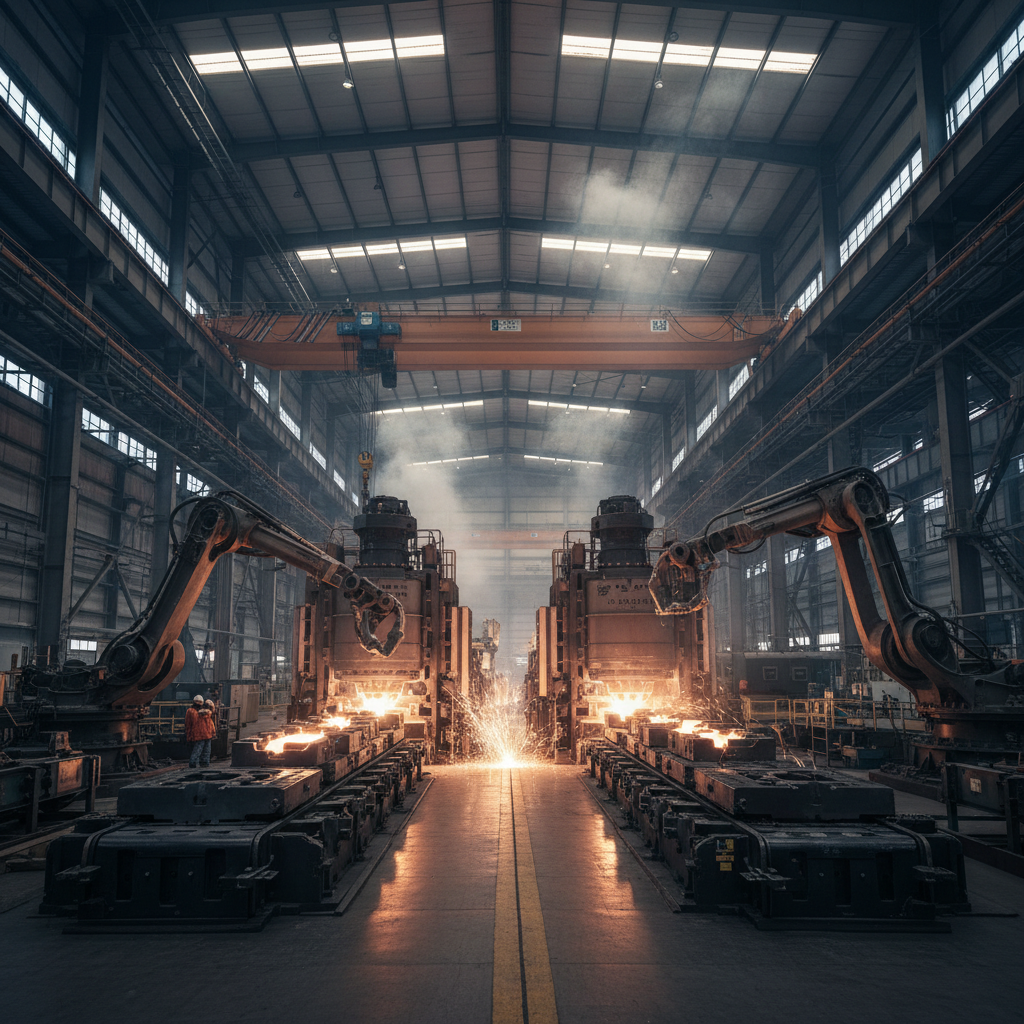
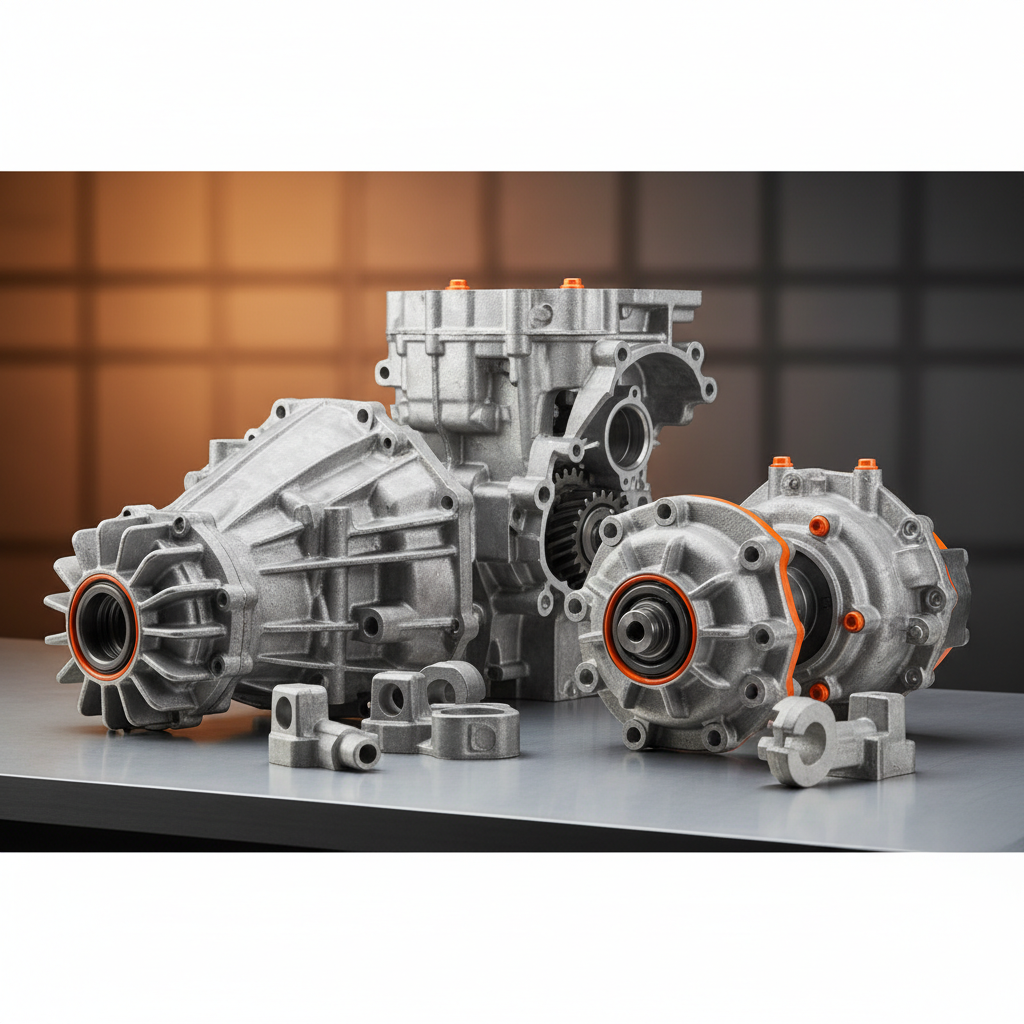
Metal die casting manufacturers are at the heart of modern industrial production, providing a crucial link in the supply chains for countless industries. Their expertise in shaping molten metal into precise components under high pressure translates into everything from automotive parts and aerospace components to consumer electronics and household appliances. Understanding the nuances of this manufacturing process, and the capabilities of different metal die casting manufacturers, is essential for businesses seeking reliable, high-quality parts and components.
The global demand for die-cast components is steadily increasing, driven by factors like the growth of the automotive industry (especially electric vehicles requiring lightweight materials), the expansion of 5G infrastructure, and the increasing sophistication of consumer goods. This growth presents both opportunities and challenges for metal die casting manufacturers, necessitating constant innovation in materials, processes, and automation to remain competitive.
Successfully navigating the complexities of sourcing from metal die casting manufacturers requires a grasp of key considerations such as material selection, tooling design, cycle times, and quality control. The ability to evaluate and compare potential partners based on these criteria is paramount for ensuring project success and long-term value.
Introduction to Metal Die Casting Manufacturers
Metal die casting manufacturers are specialized companies that utilize the die casting process – forcing molten metal under high pressure into reusable molds (dies). This process enables the production of complex geometries with high dimensional accuracy and a smooth surface finish, making it ideal for mass production of metal components. These manufacturers play a critical role in numerous industries, from automotive and aerospace to electronics and medical devices.
The capabilities of different metal die casting manufacturers can vary significantly. Factors like the size of parts they can produce, the types of metals they work with (aluminum, zinc, magnesium, etc.), their level of automation, and their quality control processes all contribute to their specialization. Selecting the right manufacturer for a specific project requires careful consideration of these factors.
Defining Metal Die Casting Manufacturing
Metal die casting manufacturing is a metal forming process specifically designed for high-volume production of intricate metal parts. It involves injecting molten metal, typically non-ferrous alloys like aluminum, zinc, magnesium, copper, and lead, into a steel mold – known as a die – under immense pressure. This pressure ensures the metal fills every cavity of the die, resulting in a highly detailed and dimensionally accurate component.
The process differs from other casting methods like sand casting or investment casting in several key ways. Primarily, the use of reusable metal dies allows for significantly faster cycle times and higher production rates. This makes die casting exceptionally well-suited for mass production runs where cost-effectiveness is paramount. Metal die casting manufacturers employ highly skilled engineers and technicians to maintain these complex dies.
This manufacturing method has a strong connection to modern industry, enabling the production of complex, lightweight components essential for advancements in automotive engineering, aerospace innovation, and the miniaturization of electronic devices. It contributes to the efficiency and functionality of products we use daily.
Core Characteristics of Metal Die Casting
One of the defining characteristics of metal die casting is its exceptional dimensional accuracy. The high pressure employed in the process minimizes shrinkage and distortion, resulting in parts that meet tight tolerances. This is crucial for applications where precise fit and function are essential, such as in automotive engines and transmission components.
Another key characteristic is the ability to create complex geometries with thin walls. The high injection pressure allows the molten metal to fill intricate die designs, producing parts that would be difficult or impossible to manufacture using other methods. This allows for lightweight designs and optimized material usage.
Furthermore, die casting yields a superior surface finish compared to many other casting processes. The metal is forced into the die under high pressure, replicating the surface texture of the die itself. This often eliminates the need for secondary machining operations to improve surface quality, reducing production costs and lead times.
Key Advantages of Utilizing Metal Die Casting
Die casting offers several compelling advantages over other manufacturing processes, making it a favored choice for a wide range of applications. One significant benefit is its cost-effectiveness for high-volume production. While the initial investment in tooling (the dies) can be substantial, the rapid cycle times and minimal material waste result in lower per-part costs.
The high strength and durability of die-cast components are also major advantages. The process produces dense, high-quality parts that can withstand significant stress and wear. This makes them ideal for use in demanding applications such as automotive engines and industrial machinery.
Comparative Advantages of Metal Die Casting Methods
Global Applications of Metal Die Casting
The automotive industry is one of the largest consumers of die-cast components. Parts such as engine blocks, transmission housings, and suspension components benefit from the strength, durability, and dimensional accuracy offered by die casting. The push towards electric vehicles is further increasing demand, as die casting is ideal for producing lightweight components that improve energy efficiency.
Aerospace is another significant application area. Die-cast parts are used in aircraft engines, landing gear, and structural components where high strength-to-weight ratios are critical. The precision and reliability of die-cast parts are essential for ensuring flight safety.
Long-Term Value and Benefits
Investing in die-cast components provides long-term cost savings through reduced assembly times, improved product performance, and minimized maintenance requirements. The durability and reliability of die-cast parts translate into longer product lifecycles, reducing the need for frequent replacements.
Beyond the economic benefits, die casting contributes to sustainability by enabling the production of lightweight components that reduce fuel consumption in vehicles and improve energy efficiency in other applications. Selecting responsible metal die casting manufacturers who prioritize eco-friendly practices further enhances this benefit.
Future Trends and Innovations in Metal Die Casting
One of the most significant trends in metal die casting is the adoption of advanced materials, such as magnesium alloys and high-strength aluminum alloys. These materials offer improved strength-to-weight ratios and enhanced corrosion resistance, expanding the range of applications for die-cast components.
Automation and digitalization are also transforming the industry. Automated die casting machines, coupled with sophisticated process control systems, are increasing efficiency, reducing waste, and improving quality. Digital twins and predictive maintenance are emerging technologies that promise to further optimize production processes.
The increasing focus on sustainability is driving innovation in areas such as energy-efficient die casting machines and the development of closed-loop recycling systems for scrap metal. These efforts are aimed at reducing the environmental impact of the die casting process.
Summary of Key Challenges and Solutions in Metal Die Casting
| Challenge |
Impact on Production |
Potential Solution |
Implementation Cost (1-10) |
| High Tooling Costs |
Reduced Profitability for Small Runs |
Utilizing Modular Die Designs |
7 |
| Porosity in Castings |
Weakened Mechanical Properties |
Optimizing Injection Parameters & Vacuum Die Casting |
6 |
| Die Wear and Tear |
Reduced Dimensional Accuracy & Increased Scrap |
Applying Protective Coatings & Regular Die Maintenance |
5 |
| Material Waste |
Increased Production Costs & Environmental Impact |
Implementing Closed-Loop Recycling Systems |
8 |
| Skilled Labor Shortage |
Difficulty Maintaining Quality & Operating Equipment |
Investing in Training Programs & Automation |
9 |
| Quality Control Issues |
Increased Rework & Reduced Customer Satisfaction |
Implementing Advanced Inspection Technologies (e.g., CMM) |
7 |
FAQS
The most frequently used materials are aluminum alloys, renowned for their lightweight nature, excellent strength, and corrosion resistance. Zinc alloys are also popular, particularly for smaller, intricate parts, due to their exceptional castability and good mechanical properties. Magnesium alloys are utilized when weight reduction is paramount, while copper and lead alloys find niche applications requiring specific characteristics. Metal die casting manufacturers often work with a range of these materials, selecting the most suitable one based on the application’s requirements.
Lead times can vary considerably depending on the complexity of the part, the size of the production run, and the manufacturer's current workload. Typically, tooling creation can take 4-8 weeks, followed by a sample approval process. Once approved, production can commence, with lead times ranging from 2-6 weeks for standard orders. Complex projects or large volumes may require longer lead times. It's crucial to discuss project timelines with potential manufacturers during the initial quoting phase.
Reputable metal die casting manufacturers implement rigorous quality control processes throughout the entire production cycle. These include material verification, dimensional inspections using Coordinate Measuring Machines (CMMs), visual inspections for surface defects, and non-destructive testing (NDT) methods like X-ray inspection. Statistical Process Control (SPC) is often utilized to monitor and control critical process parameters, ensuring consistent quality.
The primary cost drivers are tooling (die design and fabrication), material cost, labor, and production volume. Tooling is usually the most significant upfront expense. Material costs fluctuate based on market conditions. Higher production volumes generally reduce per-part costs due to economies of scale. Secondary operations, such as machining or surface finishing, also contribute to the overall cost.
Consider their experience, capabilities, quality certifications (e.g., ISO 9001), and capacity. Request quotes from multiple manufacturers, comparing not just price but also lead times, tooling costs, and quality control processes. Visit their facilities if possible to assess their capabilities firsthand. Clear communication and a collaborative approach are essential for a successful partnership.
Common defects include porosity, shrinkage, cold shuts, and surface blisters. These can be prevented through careful control of process parameters like temperature, pressure, and injection speed. Proper die design, material selection, and degassing of the molten metal are also crucial preventative measures. Implementing robust quality control procedures to detect and reject defective parts is equally important.
Conclusion
Metal die casting manufacturing remains a cornerstone of modern industrial production, offering unparalleled advantages in terms of cost-effectiveness, precision, and scalability. Its ability to produce complex, high-quality components makes it essential for a diverse range of industries, from automotive and aerospace to consumer electronics and beyond. Understanding the nuances of this process and partnering with capable metal die casting manufacturers is vital for businesses seeking to optimize their supply chains and achieve their production goals.
Looking ahead, the industry will continue to evolve with advancements in materials science, automation, and sustainability. Embracing these innovations will be crucial for metal die casting manufacturers to remain competitive and meet the ever-increasing demands of the global market. Investing in training, adopting digital technologies, and prioritizing eco-friendly practices will position manufacturers for long-term success and contribute to a more sustainable future.