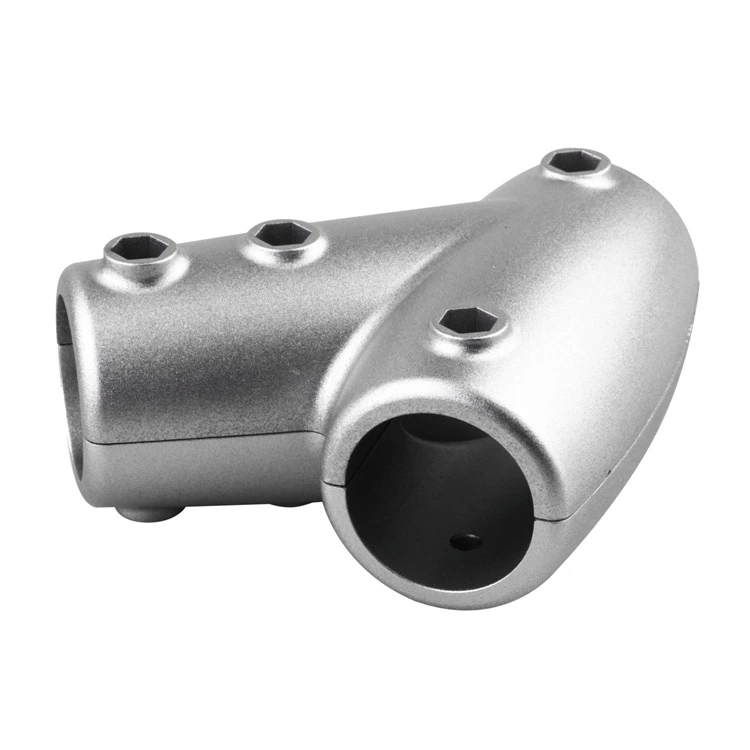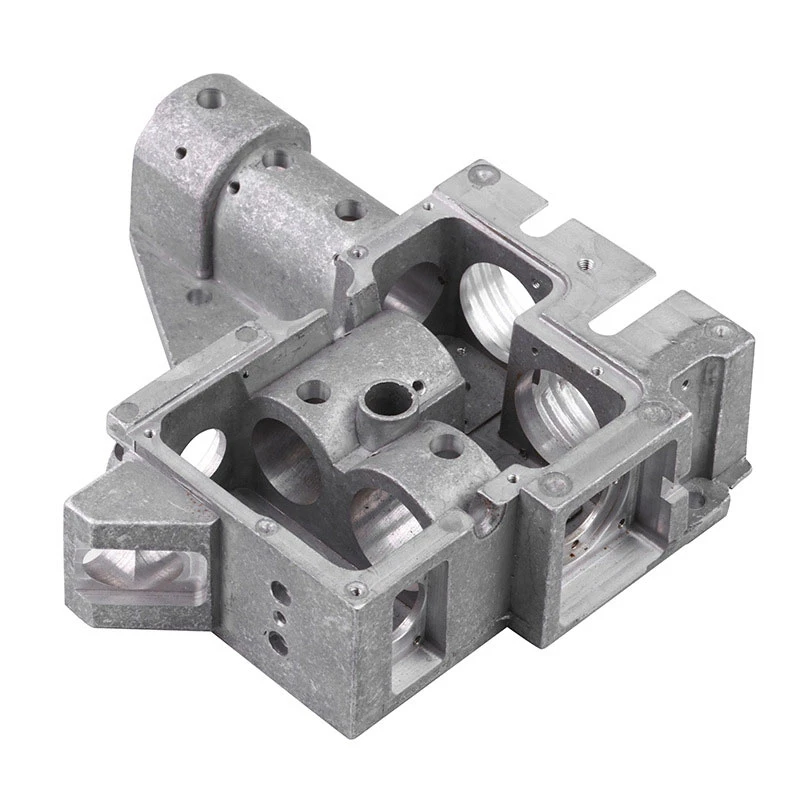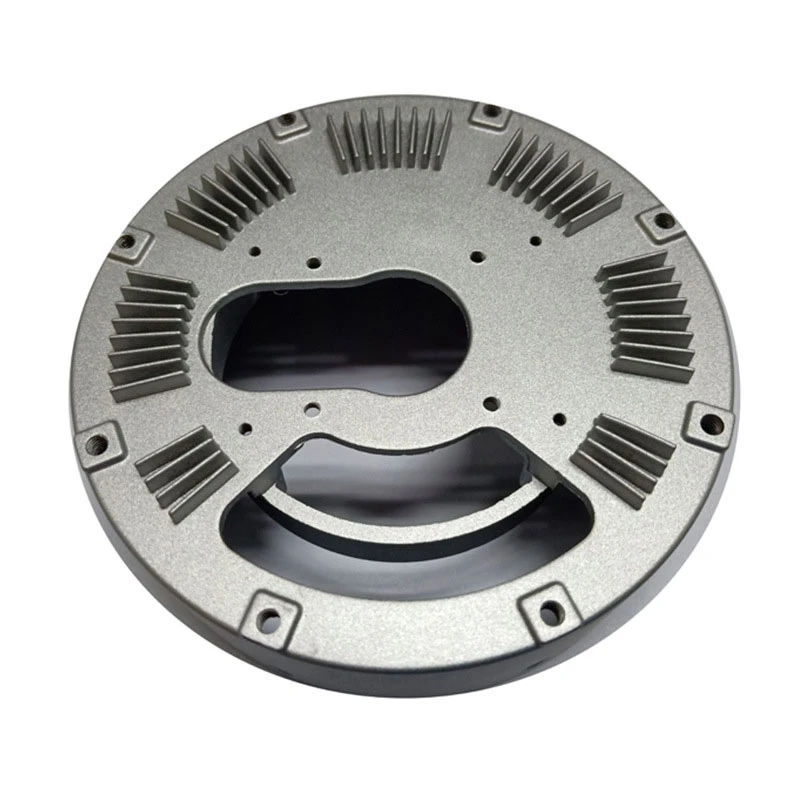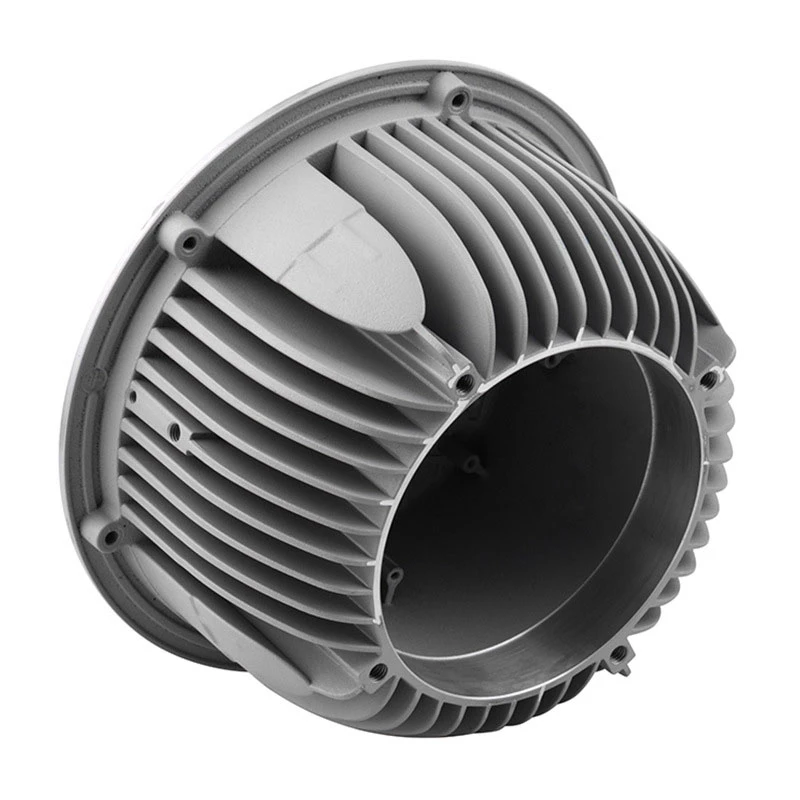



Hot Chamber Die Casting: Efficient Metal Manufacturing and Global Applications
Hot Chamber Die Casting: Revolutionizing Efficient Metal Manufacturing
Hot chamber die casting is an industrial cornerstone that often works behind the scenes but drives efficiency in producing complex metal parts worldwide. If you've ever marveled at engines, electronics, or even everyday household gadgets, chances are hot chamber die casting played a role in their creation. Understanding this process matters globally—it’s a key player in manufacturing rapid, precise, and cost-effective metal components, impacting everything from automotive assembly lines to medical device production.
Introduction: Why Hot Chamber Die Casting Matters Globally
The demand for durable, lightweight metal parts keeps rising. According to ISO standards and industry reports, the global die casting market is expected to reach over $100 billion by 2028, with a significant chunk from hot chamber methods. This growth points to the importance of metalcasting not just economically but also on humanitarian fronts — think rapid production of medical equipment or lightweight components for clean energy systems. Yet, the challenge remains: How can manufacturers balance speed, quality, and sustainability? Hot chamber die casting offers one solid answer.
Defining Hot Chamber Die Casting
In the simplest terms, hot chamber die casting is a metal molding technique where molten metal is injected into a mold using a heated mechanism under pressure. Unlike its sibling, cold chamber casting, the hot chamber process immerses the injection system into the molten metal bath directly — making it perfect for metals with lower melting points like zinc, magnesium, and lead. This swift integration leads to faster cycle times and economical production.
Its connections with contemporary industry are profound: from producing lightweight automotive parts reducing carbon emissions to crafting precise electronic casings essential for global communication tools, hot chamber die casting keeps modern economies humming.
Core Components and Key Factors
Durability & Precision
The metal parts produced maintain tight tolerances with smooth surfaces, ideal for parts requiring strength and aesthetic appeal. For instance, many medical instruments rely on this precision.
Scalability & Speed
This process excels at mass production. It can churn out thousands of parts with consistent quality in a fraction of the time compared to other techniques. Industries benefit enormously from this when meeting tight delivery deadlines.
Cost Efficiency
By integrating the injection mechanism directly into the molten metal tank, hot chamber casting reduces cycle time and energy use. This translates into savings that manufacturers often pass on to consumers or reinvest into R&D.
Material Constraints and Suitability
While excellent for lower melting metals, hot chamber die casting isn’t suitable for aluminum or higher melting alloys — here, cold chamber casting steps in. Still, for zinc and magnesium components, it shines.
Environmental Impact
Lower energy consumption and material waste compared to other processes make this technique increasingly favored in sustainable manufacturing initiatives.
Global Applications & Use Cases
The reach of hot chamber die casting spans continents and industries. In Europe, automotive giants utilize it for producing intricate control parts; in Asia, manufacturers supply consumer electronics using these methods to meet booming demand.
Oddly enough, humanitarian efforts also benefit: in remote industrial zones, quick synthesis of durable components for water filtration systems or medical devices is critical. Hot chamber die casting allows field-deployable solutions to be produced swiftly and at scale.
Advantages & Long-Term Value
- Reliability: The method creates highly consistent and defect-free parts, crucial for safety-critical applications.
- Sustainability: Less scrap metal and lower energy demands contribute to greener production lines.
- Innovation: Enables complex design features that reduce assembly steps and improve product functionality.
- Cost Savings: High throughput and reduced labor lower per-item costs.
- Social Impact: Empowers industries to scale rapidly during health crises or natural disasters by producing essential parts fast.
Spec Table: Typical Hot Chamber Die Casting Process Parameters
| Parameter | Typical Range | Units |
|---|---|---|
| Metal Melting Temperature | 420 - 650 | °C |
| Injection Pressure | 0.7 - 1.5 | MPa |
| Cycle Time | 15 - 60 | seconds |
| Material Types | Zinc, Magnesium, Lead, Tin | - |
Vendor Comparison: Leading Hot Chamber Die Casting Providers
| Provider | Specialization | Typical Industries | Lead Time | Global Reach |
|---|---|---|---|---|
| ZincCast Corp | Zinc Alloy Components | Automotive, Consumer Goods | 4-6 weeks | North America, Europe |
| Magnium Ltd | Magnesium Die Casting | Aerospace, Electronics | 3-5 weeks | Asia, Europe |
| LeadWorks | Lead & Tin Casting | Construction, Electronics | 5-7 weeks | Global |
Future Trends & Innovations
Looking ahead, hot chamber die casting is embracing green energy and automation. Hybrid machinery powered by renewable energy sources is slowly becoming a reality. Also, Industry 4.0’s digital transformation means better process monitoring and quality control — no more guessing cycles or defects after the fact. There’s a move towards more recyclable materials and improved alloys that combine strength with lightweight properties. Such innovations promise to make hot chamber die casting even more efficient and eco-friendly.
Challenges & Solutions
Despite all the perks, hot chamber die casting has its limits. Metals suitable for this method have relatively low melting points, so you won't see it used for aluminum or steel parts. The molds can also wear quickly given the high temperatures and corrosion risks. However, advances in mold materials—like ceramic coatings and heat-resistant alloys—help extend tooling life. And using simulation software during design helps avoid defects and optimize casting parameters right from the start.
FAQ: Frequently Asked Questions About Hot Chamber Die Casting
- What metals are best suited for hot chamber die casting?
- Typically, metals with lower melting points like zinc, magnesium, lead, and tin are ideal. Higher melting point metals require different processes.
- How does hot chamber die casting compare in cost to other metal forming methods?
- Its injection system submerged in molten metal reduces cycle time and energy consumption, often resulting in lower costs for high-volume production compared to cold chamber or sand casting.
- Can hot chamber die casting produce complex parts?
- Yes, it excels at producing precise, intricate geometries with tight tolerances, which is why it’s popular in automotive and electronics manufacturing.
- Is the process environmentally friendly?
- Compared to many metal forming methods, it has a smaller carbon footprint due to lower energy needs, minimal scrap, and longer mold life when properly maintained.
Conclusion & Call to Action
To sum it up, hot chamber die casting remains a powerhouse method in modern metal manufacturing — balancing speed, quality, and sustainability in a way few alternatives can. Its ability to quickly produce highly durable, complex parts is increasingly vital in today’s fast-paced industrial landscape. If you want to dive deeper or explore how this process can help your business innovate, visit our website for more insights and expert solutions.
Mini takeaway: Hot chamber die casting is more than a manufacturing technique — it’s a global enabler of quality, speed, and sustainability in metal component production.
References
-
Comprehensive Guide to Automotive Die Casting for Enhanced Vehicle PerformanceNewsJan.27,2026
-
Comprehensive Guide to Aluminum Pressure Die Casting Manufacturing ProcessesNewsJan.27,2026
-
Hot Chamber Die Casting vs Cold Chamber Die Casting ExplainedNewsJan.06,2026
-
Hot Chamber And Cold Chamber Die Casting Solutions for Industrial Applications | Hairun SourcingNewsJan.06,2026
-
Hot and Cold Chamber Die Casting: Key Insights from Industry ExpertsNewsJan.06,2026
-
Comprehensive Guide on Graphite Die Casting for B2B Manufacturing | HairunSourcingNewsJan.05,2026