


Comprehensive Guide to Aluminium Die Casting Price Factors and Optimization
Understanding Aluminium Die Casting Price
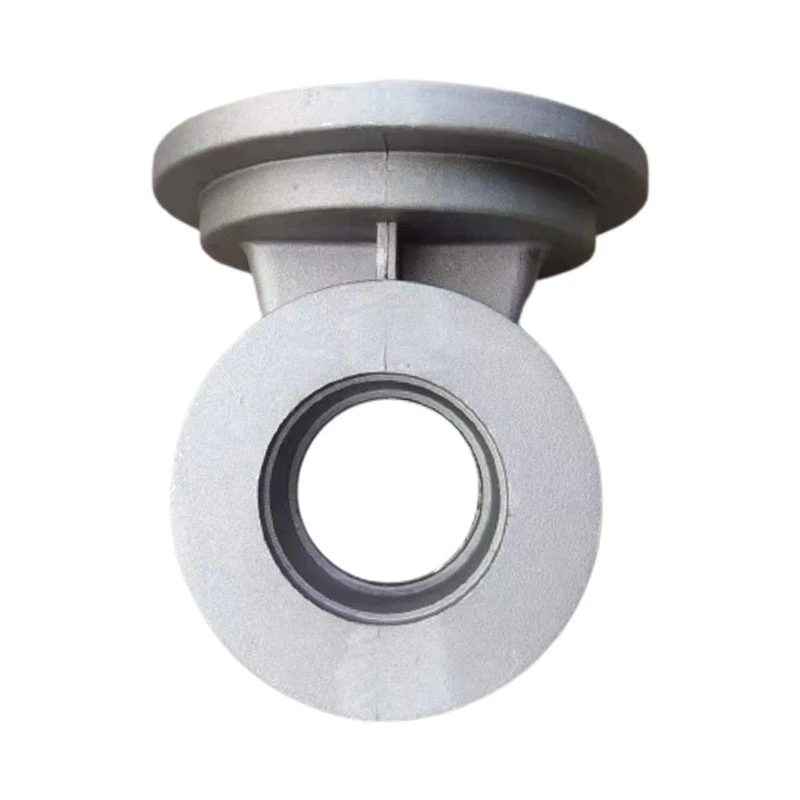
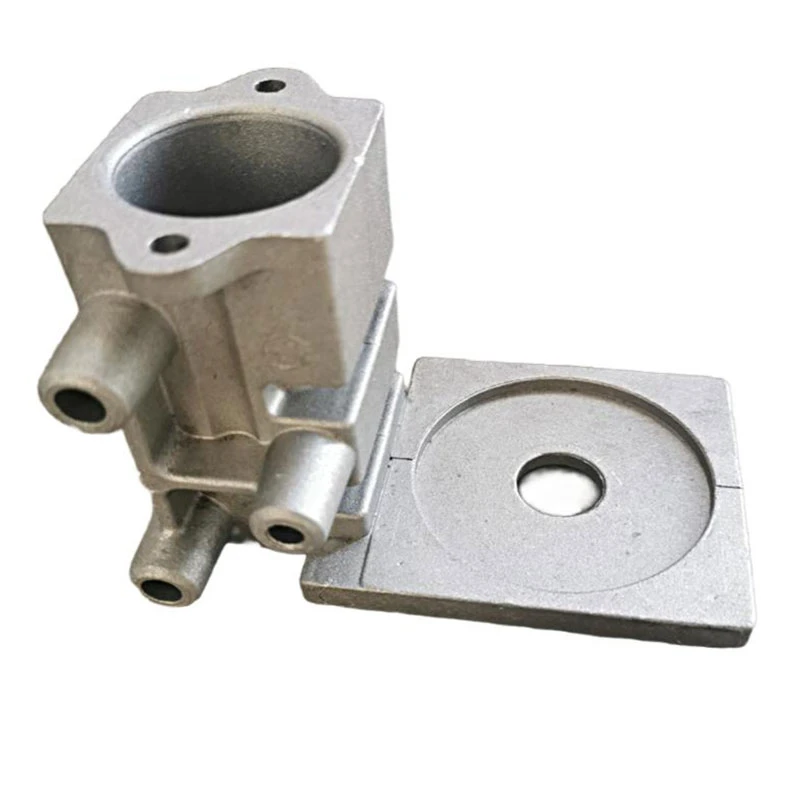
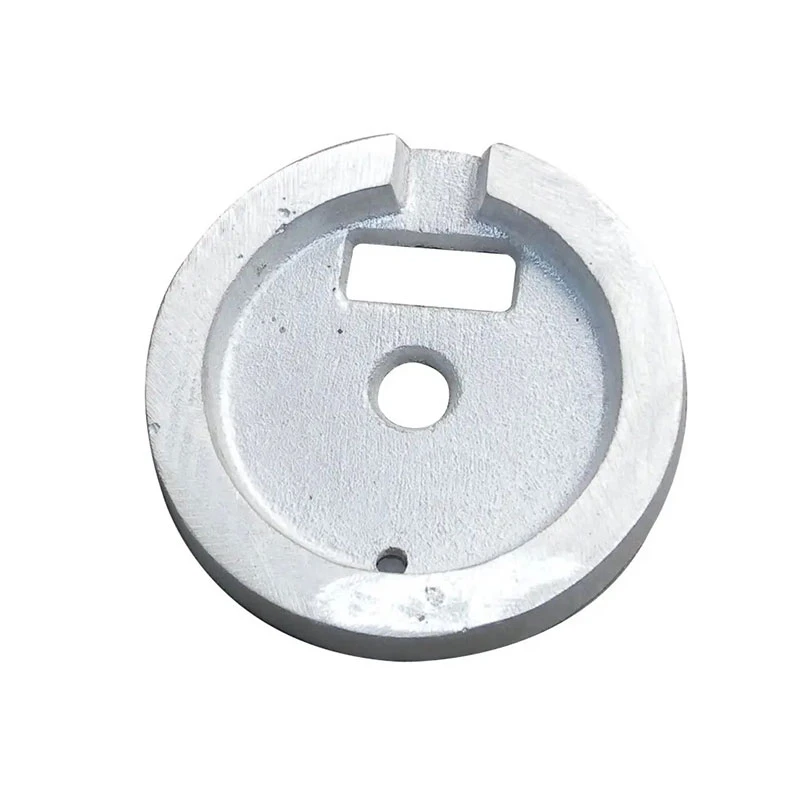
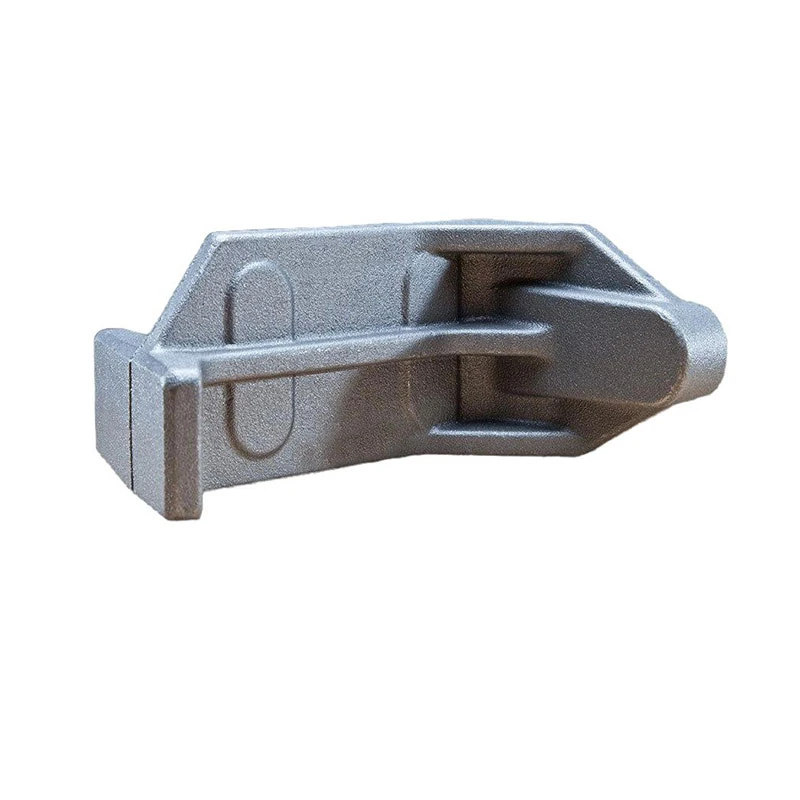
Aluminium die casting is a popular manufacturing process for producing complex metal parts with high precision and excellent surface finish. A crucial factor for any project utilizing this method is, naturally, the aluminium die casting price. This price isn't fixed and depends on a multitude of variables. This article breaks down these influencing factors, provides pricing considerations, and explores how to obtain the most competitive quotes. We’ll cover everything from tooling costs to material choices and production volume, helping you navigate the complexities of die casting pricing.
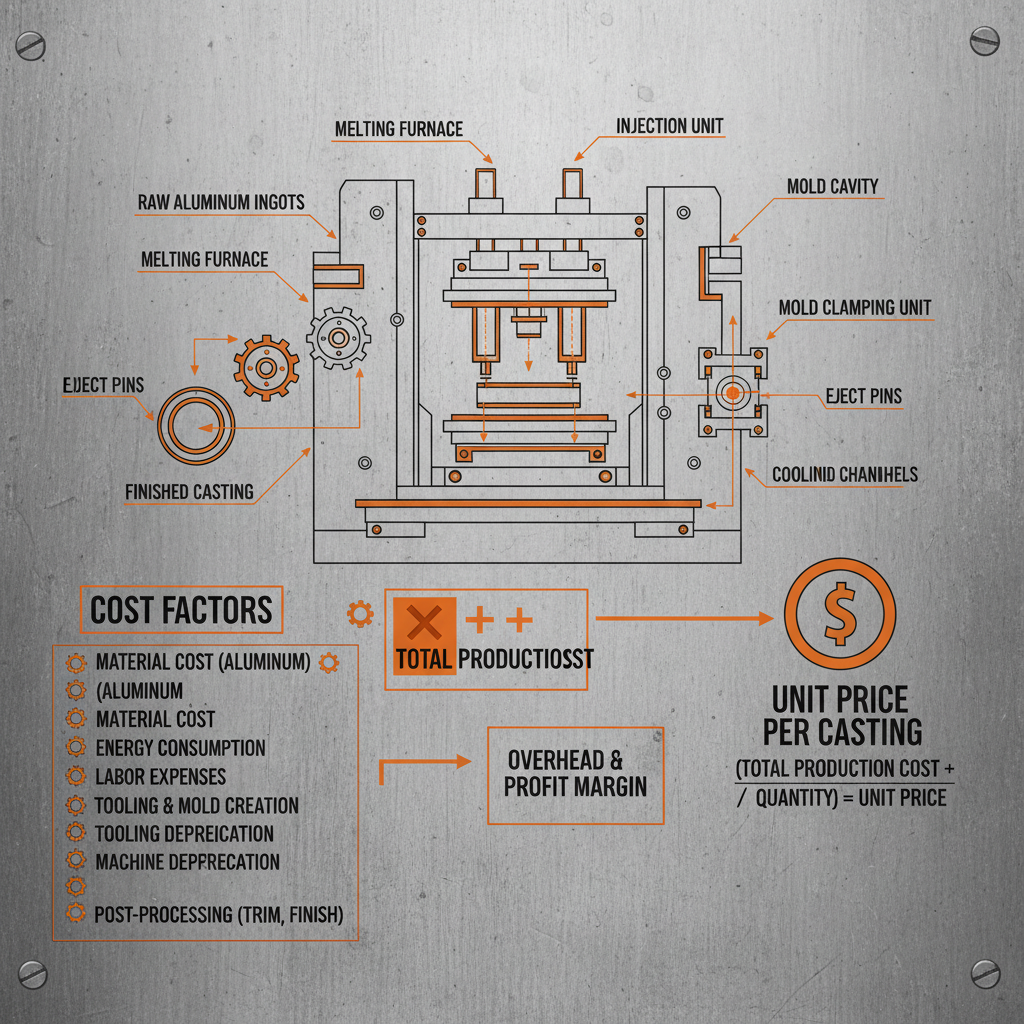
Factors Influencing Aluminium Die Casting Price
Several key components contribute to the final price of aluminium die casting. Understanding these allows for more accurate budgeting and informed decision-making. These include the complexity of the part’s design, the chosen alloy, the quantity ordered, and tooling requirements. Furthermore, factors like machining, surface treatment, and packaging will add to the overall cost.
Key Highlights: The price of aluminium die casting is highly variable and influenced by multiple interconnected factors. A detailed understanding of these factors is crucial for obtaining accurate quotes and managing project costs effectively.
Tooling Costs: The Largest Initial Investment
The most significant upfront cost associated with aluminium die casting is tooling. This involves creating the die itself – the metal mold into which molten aluminium is injected. Tooling costs are affected by the part's complexity, size, and the required precision. Simpler designs with fewer features are cheaper to tool. Larger, more intricate parts necessitate more complex dies and therefore higher costs. The material used for the die (typically tool steel) also impacts the price. The lifespan of the tooling is also a consideration, as it will eventually need replacement or refurbishment.
Tooling Cost Breakdown:
• Die Design and Engineering: $500 - $3,000+
• Die Material Costs: $2,000 - $10,000+
• Machining and Fabrication: $1,000 - $5,000+
• Testing and Refinement: $200 - $1,000+
Aluminium Alloy Selection and its Impact on Price
Different aluminium alloys have varying properties and, consequently, different costs. Common alloys used in die casting include A380, ADC12, and ZAMAK. A380 is a popular choice due to its good castability, strength, and corrosion resistance, often balancing cost and performance. ADC12 provides excellent strength and ductility. The price of the alloy itself fluctuates based on market conditions. Furthermore, alloys with higher silicon content are generally more cost-effective than those with higher magnesium or copper content. Consulting with a die casting supplier like Hairunsourcing is essential to choose the optimal alloy for your application and budget.
Production Volume & Per-Unit Cost: Economies of Scale
Like most manufacturing processes, aluminium die casting benefits significantly from economies of scale. The initial tooling cost is spread across a larger number of units as production volume increases, reducing the per-unit cost. Higher volumes justify the investment in automated processes, further lowering costs. Conversely, low-volume runs (prototyping or small batches) will have significantly higher per-unit prices due to the full tooling cost being absorbed by a limited number of parts.
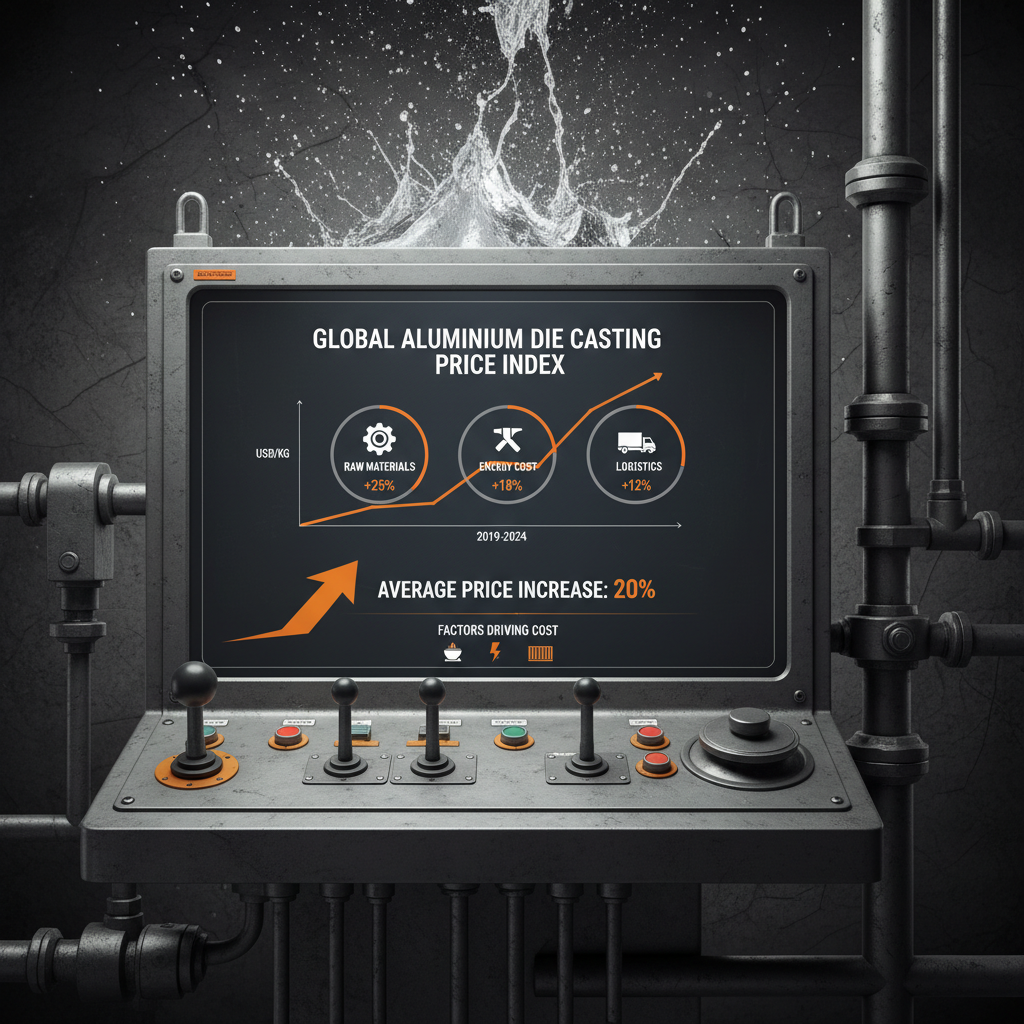
Additional Costs to Consider: Machining, Finishing & Shipping
Beyond tooling and material costs, other expenses can add to the aluminium die casting price. Machining operations (drilling, tapping, milling) may be required to achieve precise dimensions or create specific features. Surface finishing treatments like painting, powder coating, or anodizing enhance the part’s appearance and corrosion resistance, adding further costs. Finally, packaging and shipping expenses must also be factored into the overall budget. Obtaining a comprehensive quote that includes all these aspects is crucial.
Conclusion: Optimizing Your Aluminium Die Casting Costs
Understanding the factors influencing aluminium die casting price is vital for successful project management. By carefully considering alloy selection, production volume, and potential secondary operations, you can optimize your costs and ensure a favorable return on investment. Partnering with a reputable and experienced supplier like Hairunsourcing can provide valuable insights and competitive pricing.
Frequently Asked Questions (FAQs)
What is a typical lead time for aluminium die casting tooling?
Tooling lead times typically range from 4 to 8 weeks, depending on the complexity of the part. More intricate designs and demanding tolerances will require longer lead times for die fabrication. It's essential to factor this lead time into your project schedule to avoid delays. Experienced suppliers will provide accurate lead time estimates based on the part's design and their current workload.
How do I obtain an accurate quote for aluminium die casting?
To get an accurate quote, provide your supplier with detailed drawings (preferably in a digital format like STEP or IGES), specify the desired alloy, production volume, and any secondary operations (machining, finishing). The more information you provide, the more accurate the quote will be. Be sure to inquire about tooling costs, per-unit pricing, and lead times.
What are the benefits of using a reputable die casting supplier?
A reputable supplier will offer expertise in design for manufacturability (DFM), ensuring your part can be efficiently and cost-effectively produced. They will also have stringent quality control processes to guarantee consistent part quality. Furthermore, a reliable supplier will provide excellent communication, on-time delivery, and competitive pricing.
Can I get a prototype made before investing in full production tooling?
Yes, many suppliers offer prototyping services using alternative methods, such as 3D printing or soft tooling. This allows you to validate your design and identify any potential issues before committing to the significant investment of production tooling. Prototyping can save you time and money in the long run.
-
Guide to Anodizing Die Cast Aluminum for Industrial ExcellenceNewsApr.16,2026
-
High Quality Precision Aluminum Die Casting Components GuideNewsApr.09,2026
-
Comprehensive Guide to High Quality Aluminium Pressure Die Casting ProductsNewsApr.07,2026
-
Comprehensive Guide to Aluminium Pressure Die Casting Components and SolutionsNewsApr.04,2026
-
Comprehensive Guide to Aluminium HPDC Casting for Global SourcingNewsMar.31,2026
-
Comprehensive Guide to Precision Aluminium Die Castings and Manufacturing SolutionsNewsMar.28,2026