


Aluminium Die Casting Products – Expert Insights and Vendor Guide
Understanding Aluminium Die Casting Products
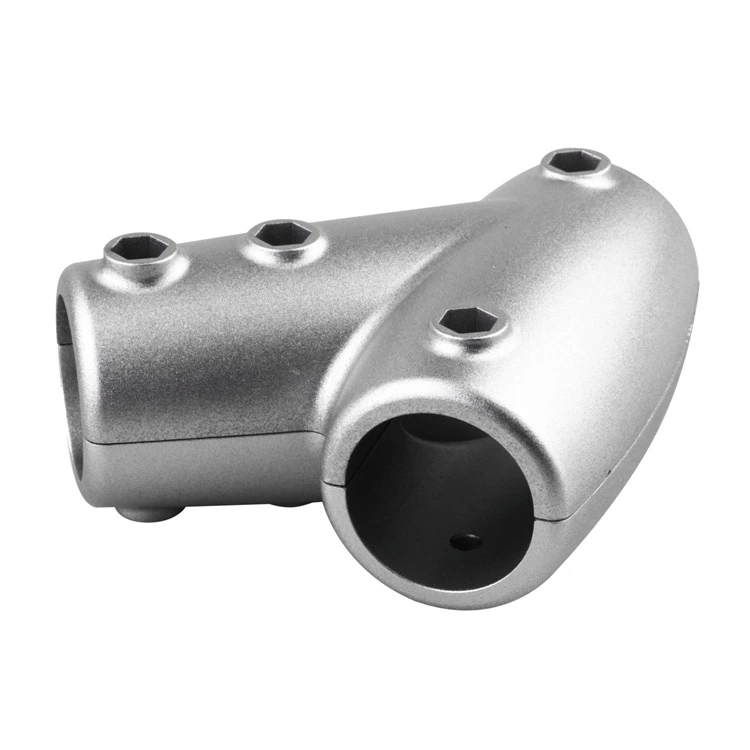
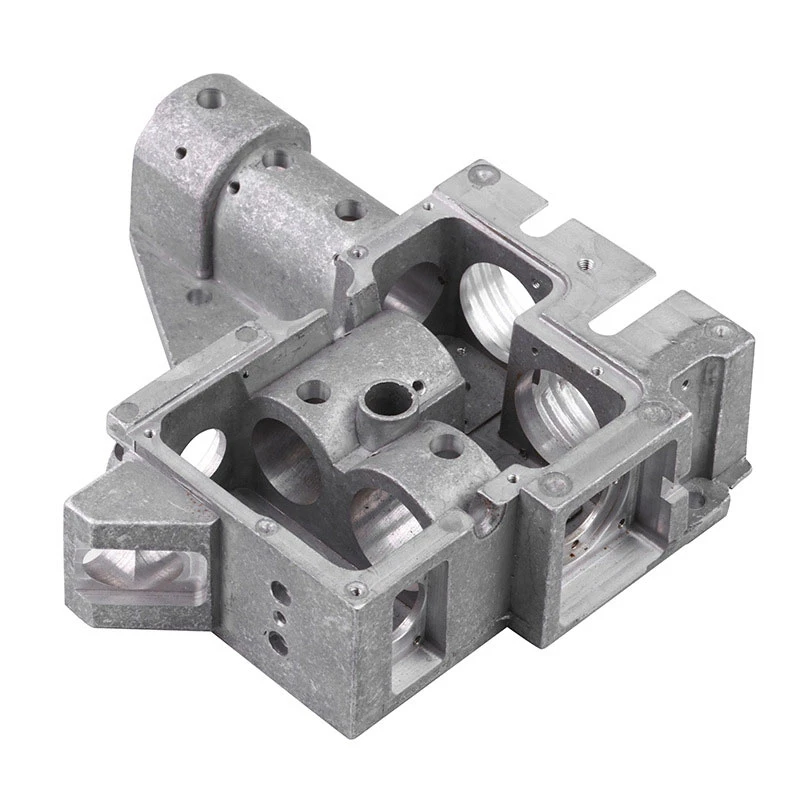
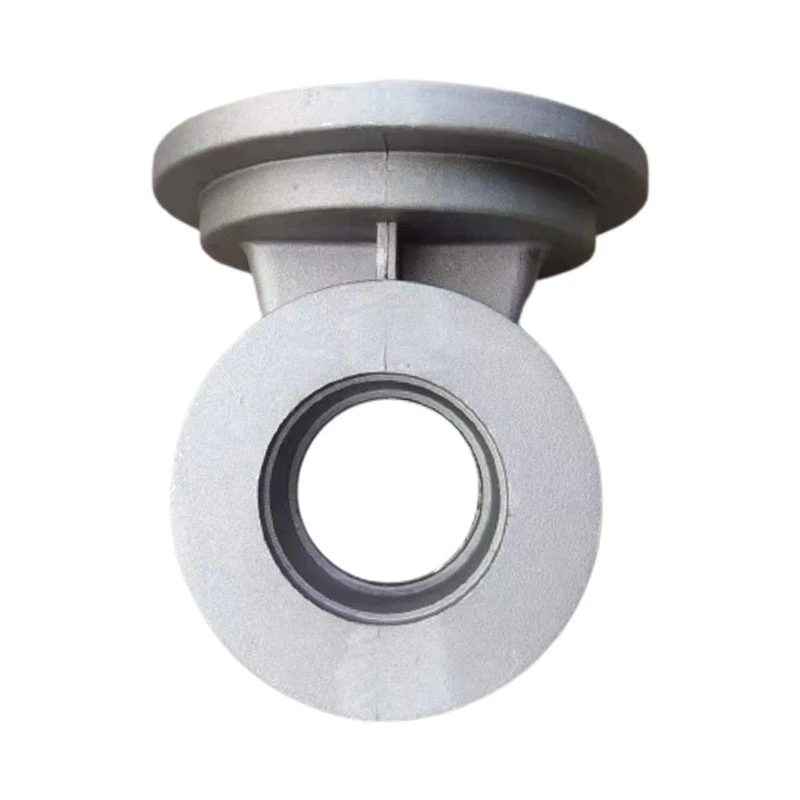
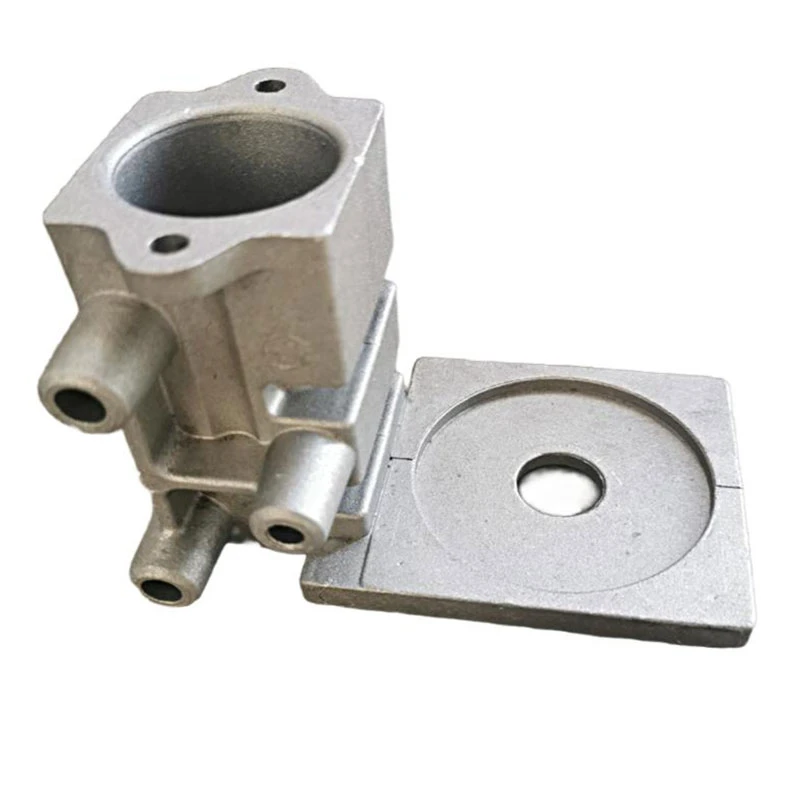
Having spent over a decade immersed in the industrial equipment sector, I’ve handled a fair share of manufacturing processes—and aluminium die casting products always seem to hold a unique place. Frankly, they marry lightweight design with impressive durability in a way that few other materials or methods can match. For those not familiar yet: aluminium die casting is a manufacturing process where molten aluminium is injected under high pressure into a steel mold, or die, to create complex and highly precise parts.
In real terms, what that means for engineers and product designers is straightforward: they can rely on aluminium die casting products for repeatable accuracy and fine detail, especially in industries where light weight versus strength ratio is crucial—like automotive, aerospace, and industrial machinery. Oddly enough, despite the sophistication behind this process, it feels like there’s still a bit of an art to optimizing designs for die casting, which many engineers appreciate deeply.
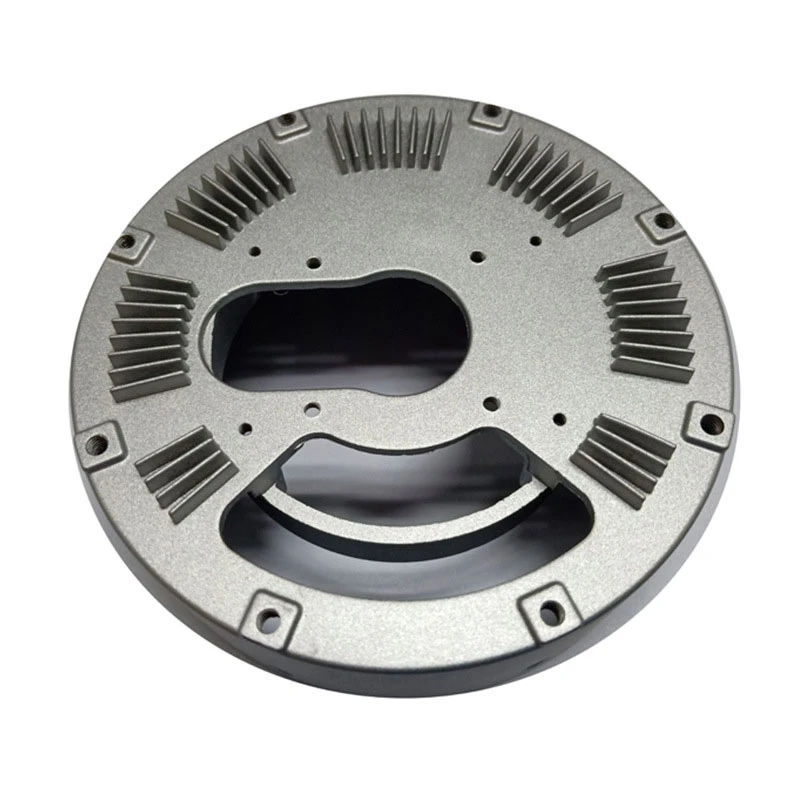
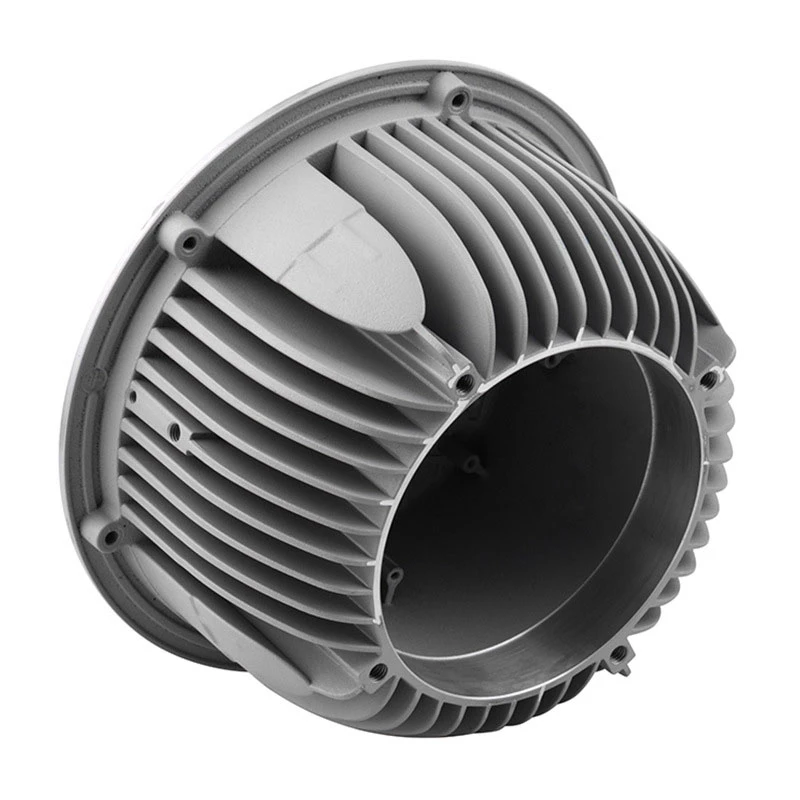
I recall a project a few years back where we customized a batch of aluminium die cast housings for a startup's new drone line. The ability to tweak wall thickness and incorporate ribs without sacrificing weight was a real game-changer. And the finishing options? Well, those only opened new doors to functionality and aesthetics—ranging from anodizing to powder coatings.
Key Product Specifications
| Specification | Typical Values | Notes |
|---|---|---|
| Material | Aluminium Alloy (A380, A360) | Known for strength and castability |
| Part Size Range | Up to 500mm in length | Depends on mold capacity |
| Wall Thickness | Minimum ~1 mm | Varies with design complexity |
| Tensile Strength | > 240 MPa | Typical after heat treatment |
| Surface Finish | Smooth, sandblasted, anodized | Depends on post-processing |
One of the things I noticed over the years is that while aluminium alloys like A380 are industry standards, more niche alloys and heat treatments are creeping in — mostly when customers push for performance beyond the typical. Honestly, it keeps things interesting.
Choosing the Right Vendor for Aluminium Die Casting
Finding a partner who can deliver quality consistently while handling redesigns and rapid prototyping can be a challenge. Here’s a quick look at some notable vendors in the space, comparing key factors I’d typically weigh before partnership.
| Vendor | Specialty | Lead Time | Customization | Quality Control |
|---|---|---|---|---|
| Hairun Sourcing | Flexible tooling & prototyping | 4-6 weeks | High – design input welcome | In-line & final inspection |
| GlobalCast Ltd. | Large volume production | 6-8 weeks | Medium – standard options | ISO certified QC processes |
| PrecisionCast Inc. | High-precision aerospace parts | 8-12 weeks | Low – very strict specs | Full traceability & non-destructive testing |
And yes, you might guess I’m a little partial to Hairun Sourcing—not least because they’re streamlined for those smaller runs and quicker turnaround projects where flexibility counts. It feels like they “get it” in terms of balancing cost and quality, which is essential in this line of work.
Something else worth mentioning: rigorous testing always tends to separate the wheat from the chaff. Many companies say they perform tests, but in my experience, the ones that embrace real-world stress simulations—thermal cycling, corrosion resistance, and mechanical fatigue—are the ones whose parts last longer. You might even say it’s a subtle indicator of the whole company ethos toward quality.
To summarize, aluminium die casting remains an industry favorite because it offers a unique blend of design freedom, lightness, and strength. Whether it’s automotive components, industrial gear housings, or consumer electronics frames, this method provides that often elusive “sweet spot.” I’d encourage anyone in the design or procurement side of things to keep it high on their shortlist.
Oh, and if you’re curious about suppliers or want a practical next step, you may want to check out aluminium die casting products from Hairun. They’re a solid example of blending experience with modern manufacturing techniques.
Until next time, keep casting wisely.
References:
1. "Aluminium Die Casting Alloys,” Aluminium Association, 2021.
2. “Die Casting Process Overview,” Manufacturing Today, 2022.
3. Personal experience, industrial casting projects 2010–2023.
-
Comprehensive Guide to Automotive Die Casting for Enhanced Vehicle PerformanceNewsJan.27,2026
-
Comprehensive Guide to Aluminum Pressure Die Casting Manufacturing ProcessesNewsJan.27,2026
-
Hot Chamber Die Casting vs Cold Chamber Die Casting ExplainedNewsJan.06,2026
-
Hot Chamber And Cold Chamber Die Casting Solutions for Industrial Applications | Hairun SourcingNewsJan.06,2026
-
Hot and Cold Chamber Die Casting: Key Insights from Industry ExpertsNewsJan.06,2026
-
Comprehensive Guide on Graphite Die Casting for B2B Manufacturing | HairunSourcingNewsJan.05,2026