


Cast Precision Industries – Trusted Partners in Industrial Excellence
Why Cast Precision Industries Matter More Than Ever
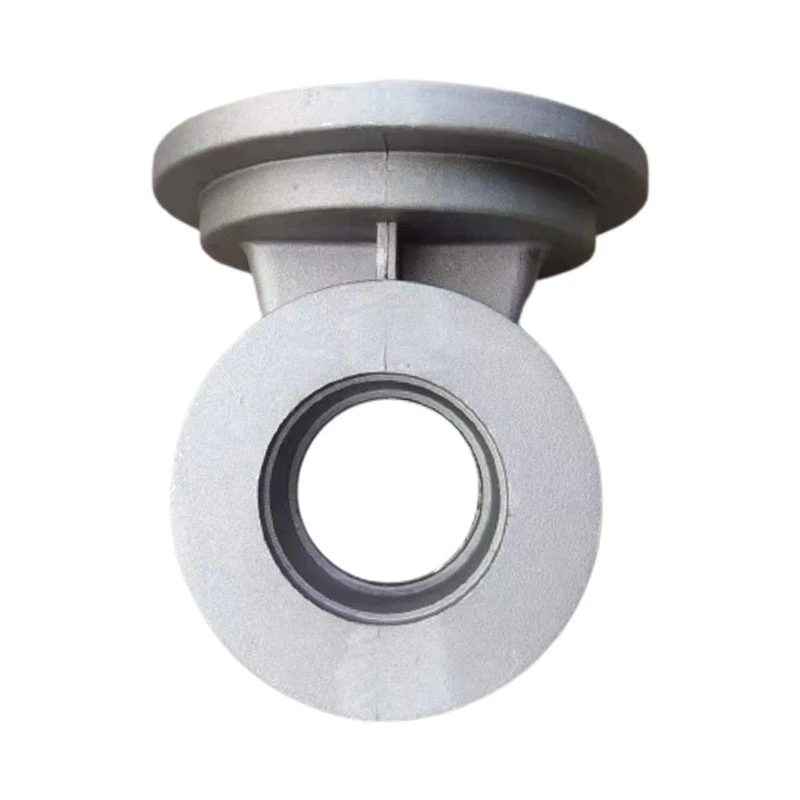
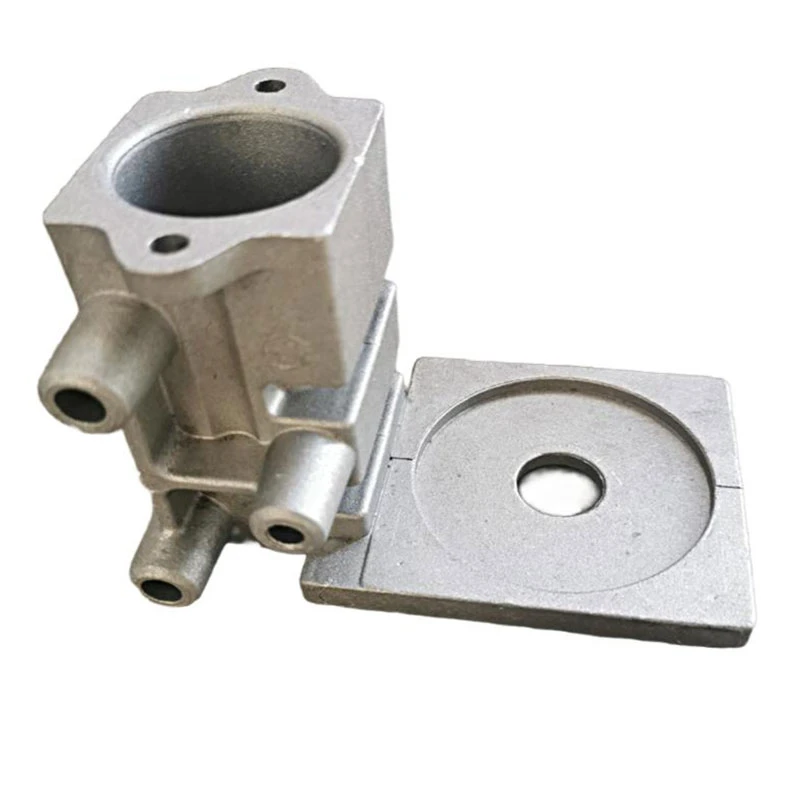
Having navigated the industrial equipment sector for over a decade — in dusty foundries and crisp, climate-controlled production floors — I can tell you honestly: cast precision industries are the quiet backbone behind a vast array of machines and systems we take for granted every day.
Now, you might think casting is simply about pouring molten metal and hoping for the best, but that’s a myth. Precision here is king. Especially when you consider the trend toward ever-smaller tolerances and higher-strength requirements. The whole game has shifted towards delivering cast parts that are not just structurally sound but also tailored perfectly to their application.
Oddly enough, the sophistication behind these castings reminds me of bespoke tailoring. You want a suit that fits just right, feels sturdy but flexible enough, and looks sharp. Industrial clients want the same from their cast components: reliability, customization, and cost efficiency.
Material Choices and Testing – What Sets Quality Apart
The materials used in cast precision industries vary widely — from basic gray iron to complex alloys like stainless steel and superalloys. It depends on the end use: corrosive environments, high pressure, wear resistance, or a combination of these factors. Over the years, I’ve seen clients underestimate just how critical the right alloy is for longevity.
Testing is another cornerstone. From ultrasonic flaw detection to metallurgical analysis — and let’s not forget the ever-important dimensional inspections — these methods ensure parts meet rigorous industrial standards before they even leave the factory floor. Frankly, I appreciate vendors who invest heavily in advanced testing setups. It’s often the difference between a return job and long-term trust.
Typical Specifications: A Rough Guide to What You Can Expect
| Specification | Typical Value | Notes |
|---|---|---|
| Casting Weight | 0.5 kg to 500 kg | Varies by application and complexity |
| Material Types | Gray Iron, Ductile Iron, Stainless Steel, Aluminum Alloys | Selected based on durability & usage environment |
| Dimensional Tolerance | ± 0.1 mm to ± 0.5 mm | Depends on manufacturing method |
| Surface Finish | Ra 3.2 to Ra 12.5 μm | Post-machining or as-cast options |
| Heat Treatment | Annealing, Quenching & Tempering | Depending on material specification |
Comparing Leading Providers in Cast Precision Industries
In my experience, not all casting suppliers are created equal. Some focus on rapid turnaround but at the risk of inconsistency, while others pride themselves on customization and extensive quality checks. Here’s a quick comparison I've kept handy over the years:
| Supplier | Strengths | Lead Times | Customization Level |
|---|---|---|---|
| SteelPro Foundry | High volume, consistent quality | 3-5 weeks | Moderate |
| PrecisionCast Ltd. | Tight tolerances, advanced testing | 5-7 weeks | High |
| Global Metal Works | Competitive pricing, rapid prototypes | 2-4 weeks | Low to moderate |
Customization: The Game Changer in Industrial Applications
While browsing client projects, I once witnessed a fascinating case of a conveyor system that relied on custom-cast sprockets and brackets designed to withstand extreme abrasion without fail. The casting supplier worked closely with the engineers to tweak alloy composition and heat treatment steps until everything performed flawlessly under test loads. That kind of partnership is invaluable, frankly.
Many engineers I know stress the importance of suppliers who understand their products’ end-use rather than just churning out parts on request. It often saves headaches later — which, in real terms, means less downtime and more happy clients.
So yes, if you’re looking for more than generic parts, cast precision industries partners who listen, experiment, and test deeply will steer your equipment’s success.
At the end of the day, that’s what I've learned: castings aren’t just metal blobs. They’re a subtle mix of art, science, and a little old-fashioned grit.
References and musings—because someone had to jot it down:
- Industry discussions and shooting the breeze with foundry engineers over the years.
- Technical manuals on casting metallurgy and quality control best practices.
- Case files from conveyor system custom part projects (confidential, but memorable).
-
Guide to Anodizing Die Cast Aluminum for Industrial ExcellenceNewsApr.16,2026
-
High Quality Precision Aluminum Die Casting Components GuideNewsApr.09,2026
-
Comprehensive Guide to High Quality Aluminium Pressure Die Casting ProductsNewsApr.07,2026
-
Comprehensive Guide to Aluminium Pressure Die Casting Components and SolutionsNewsApr.04,2026
-
Comprehensive Guide to Aluminium HPDC Casting for Global SourcingNewsMar.31,2026
-
Comprehensive Guide to Precision Aluminium Die Castings and Manufacturing SolutionsNewsMar.28,2026