


Comprehensive Guide to Alloy Diecast for B2B Decision Makers | Hairun Sourcing
Alloy Diecast is a key solution in the industry, specifically within precision manufacturing and component production. This article explores how Hairun Sourcing supports professionals with durable, high-performance products, and explains why this product is an ideal choice for businesses in these sectors.
Table of Contents
- Alloy Diecast Overview
- Benefits & Use Cases of Alloy Diecast
- Cost, Maintenance & User Experience
- Sustainability & Market Trends
- Frequently Asked Questions about Alloy Diecast
- Conclusion on Alloy Diecast from China
Alloy Diecast Overview
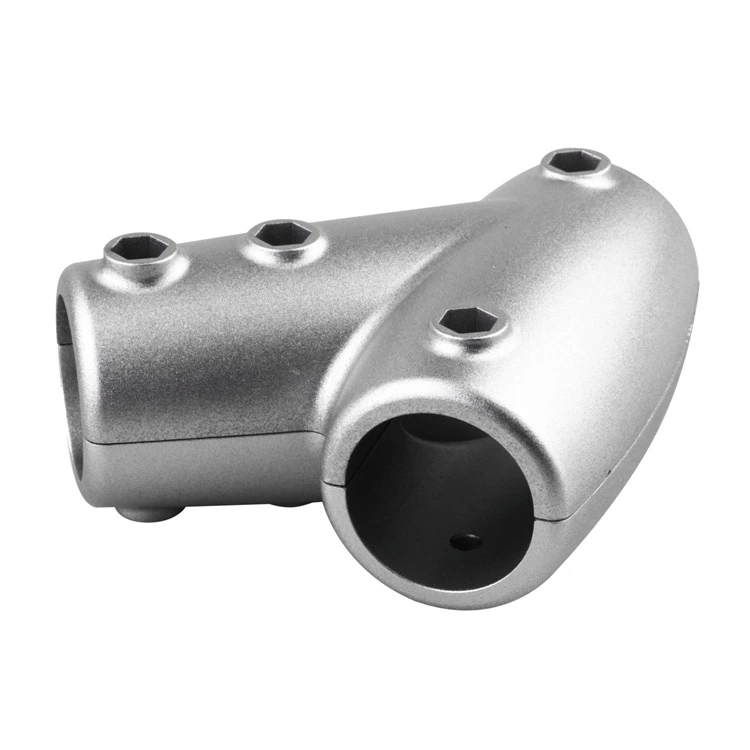
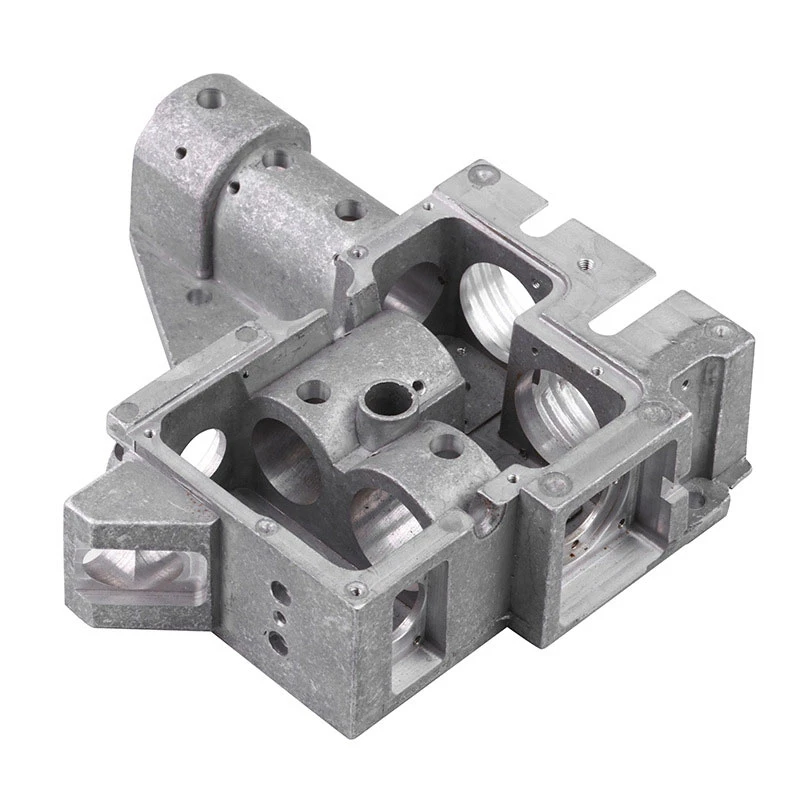
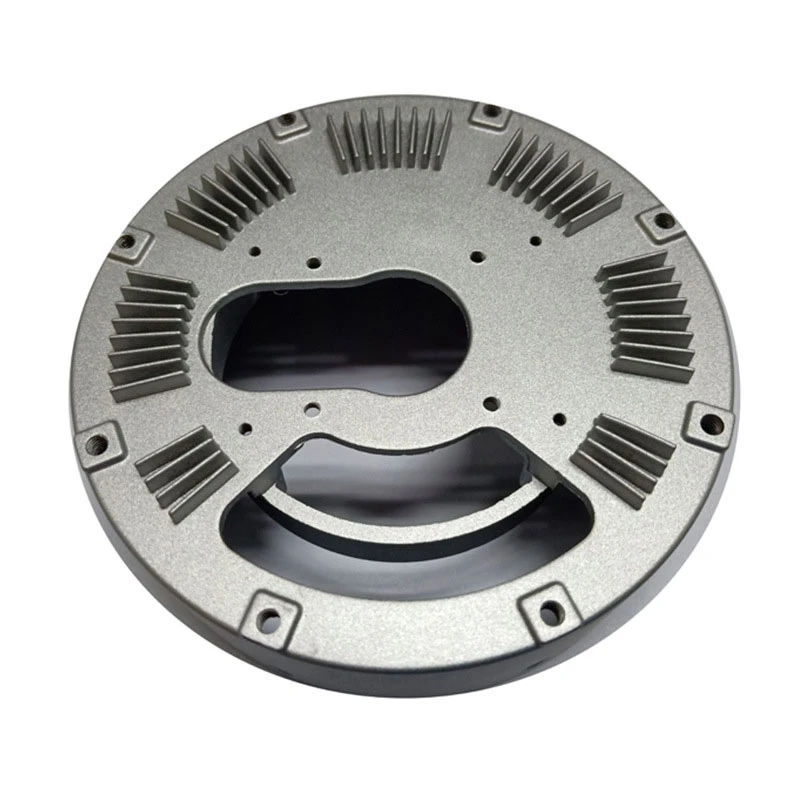
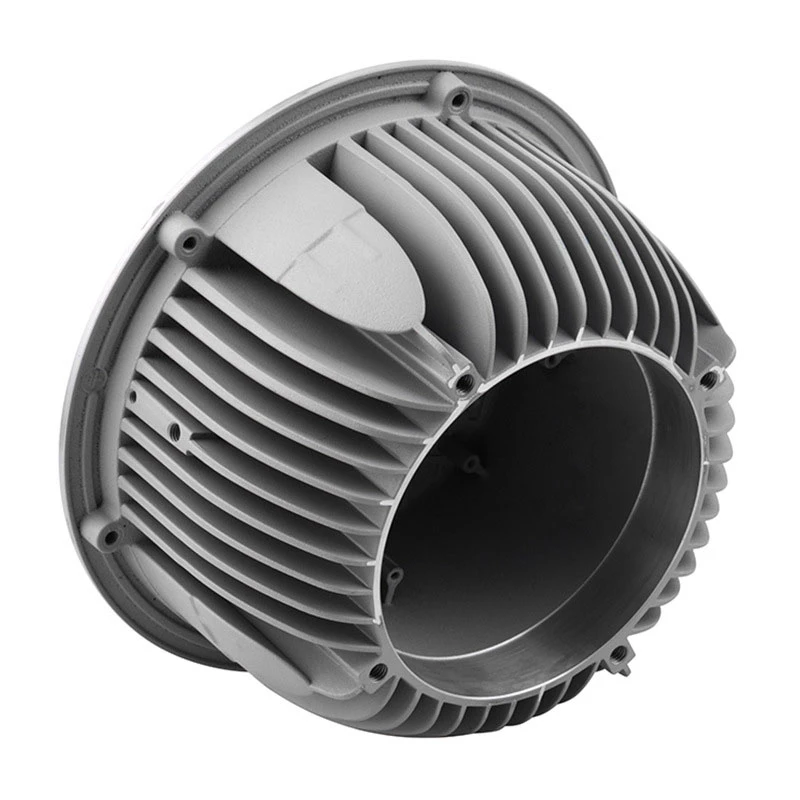
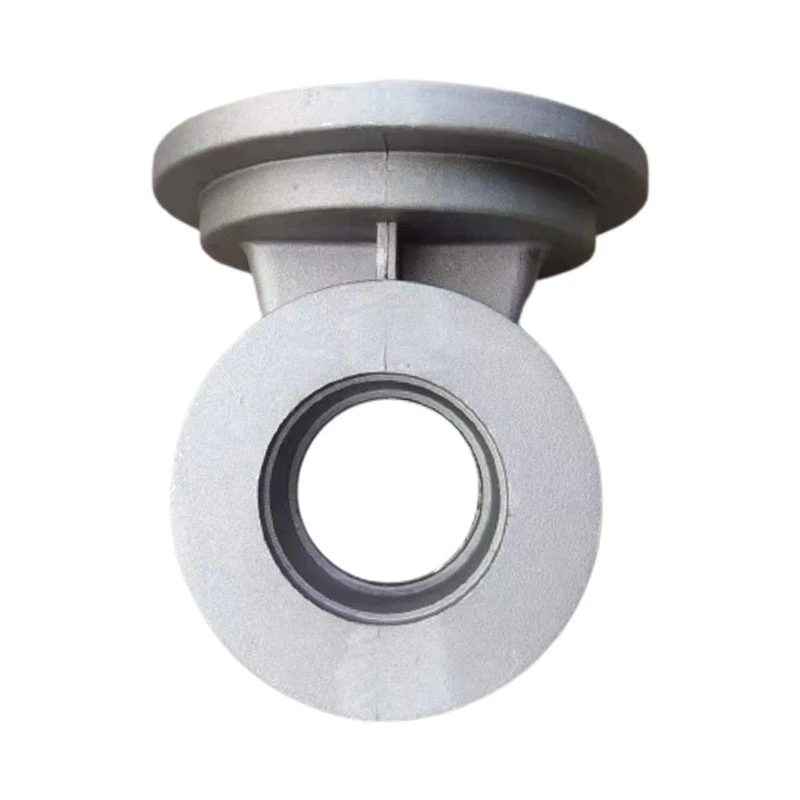
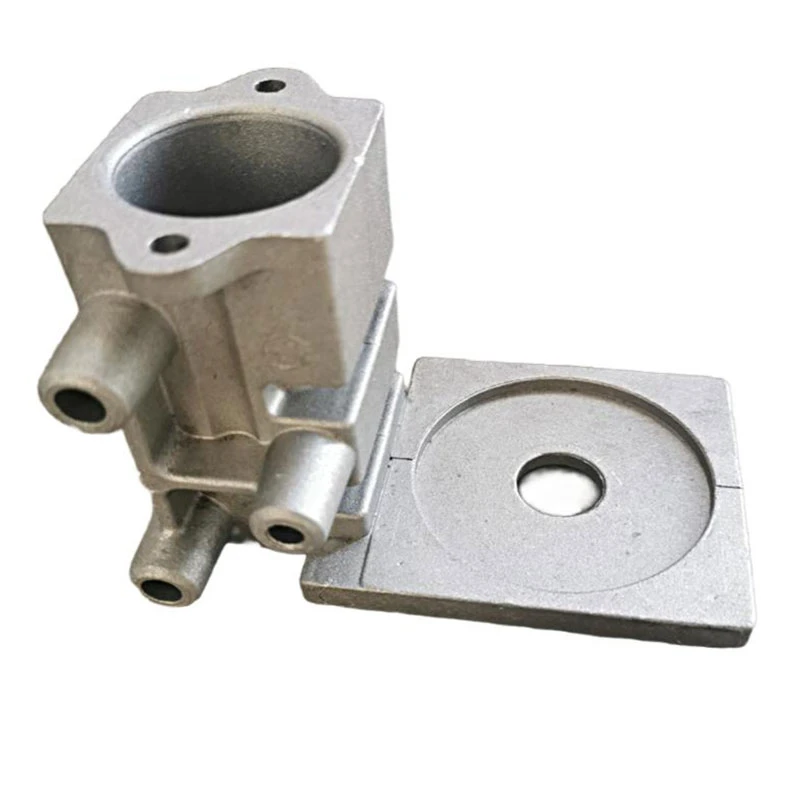
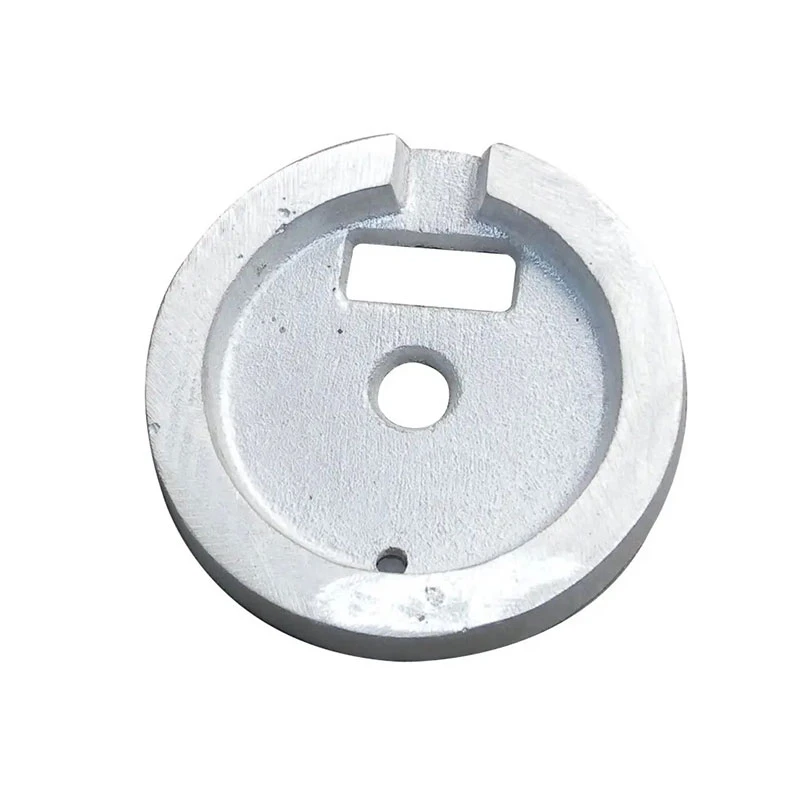
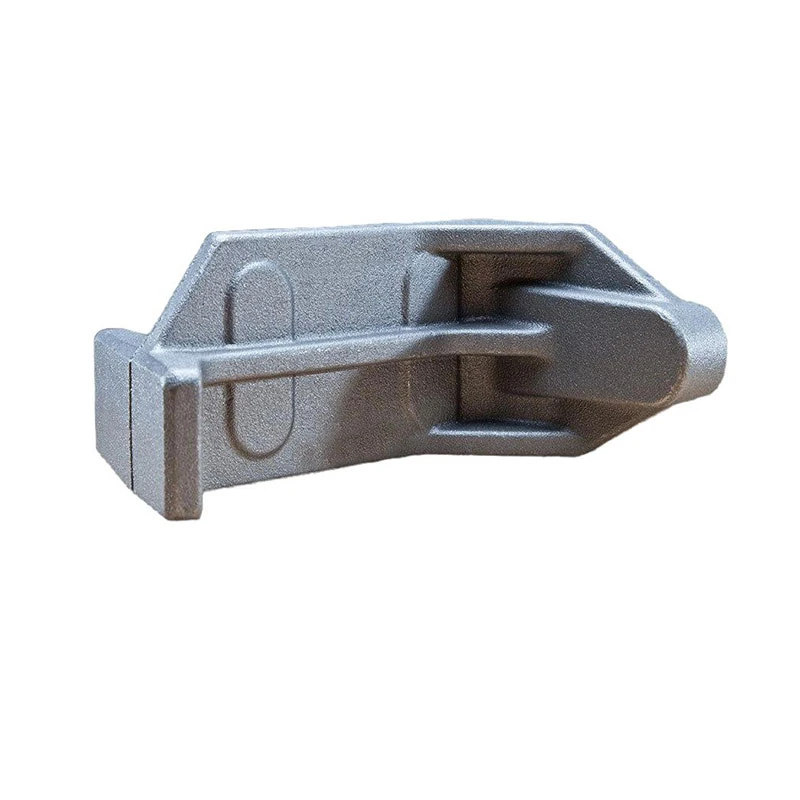
Alloy diecasting is, frankly, an engineering marvel wrapped in practicality. It’s a metal casting process where molten alloy—often zinc, aluminum, or magnesium—is injected under high pressure into steel molds, delivering precise and complex parts that other methods struggle with. This technique emphasizes consistency, great surface finish, and excellent dimensional accuracy, perfect for businesses demanding reliability in their components.
At Hairun Sourcing, for instance, they focus on premium alloys that meet globally recognized standards. Typical alloy options include AZ91D magnesium and Zamak zinc alloys, prized for their balance of strength and weight. For example, parts made from AZ91D offer tensile strength upwards of 220 MPa while remaining incredibly lightweight—something automotive engineers swear by.
| Specification | Value |
|---|---|
| Common Alloys | Zinc (Zamak), Aluminum (Al-Si), Magnesium (AZ91D) |
| Typical Tensile Strength | 150–250 MPa (dependent on alloy) |
| Casting Pressure | 80 to 175 MPa |
| Surface Finish | Smooth, ready for fine machining or direct use |
| Typical Applications | Automotive parts, electronics housings, industrial fittings |
Benefits & Use Cases of Alloy Diecast
So why is alloy diecast such a compelling choice in industry? For one, it offers an exceptional strength-to-weight ratio. Engineers in automotive and aerospace fields often highlight how it allows lighter components without sacrificing durability, leading to better fuel efficiency and lower emissions.
Oddly enough, manufacturers in electronics really appreciate the material’s ability to be cast into intricate shapes with tight tolerances. This means fewer parts to assemble, which translates roughly into faster production times and fewer potential failure points.
On the competitive edge, alloy diecast components from Hairun come with excellent thermal conductivity, corrosion resistance, and dimensional stability, often surpassing alternatives like plastic injection molding or forging in demanding environments.
Cost, Maintenance & User Experience
Honestly, when you factor in the total cost of ownership, alloy diecast products tend to be very competitive. Initial tool and mold creation costs can be higher than other methods, but volume production and minimal finishing work balance that out. Companies often report ROI in months thanks to reduced scrap rates and assembly costs.
Durability is another big plus. Many users mention that parts made via alloy diecasting hold up under stress, wear, and variable temperatures better than expected. Some real-world feedback from industrial clients points to significantly lowered warranty claims after switching to diecast components.
| Vendor | Lead Time | Quality Control | Pricing |
|---|---|---|---|
| Hairun Sourcing | 4-6 weeks | ISO 9001, 100% inspection | Competitive & Transparent |
| Competitor A | 6-8 weeks | Random sampling | Lower base price, variable charges |
| Competitor B | 5-7 weeks | ISO 9001 certified | Higher than average |
Sustainability & Market Trends
Sustainability is no longer just a buzzword—it’s a business imperative. Diecast alloys, especially aluminum and magnesium, are highly recyclable, which aligns nicely with tightening regulations and corporate environmental goals worldwide. Reclaimed metals can be remelted with minimal loss in quality, reducing raw material demand.
The market for alloy diecast products is expected to grow robustly over the next decade, spurred by increasing use in automotive lightweighting, consumer electronics miniaturization, and renewable energy components. You might’ve noticed vehicle manufacturers pushing harder on weight reduction—diecast alloys fit perfectly in that narrative.
Frequently Asked Questions about Alloy Diecast
- What is Alloy Diecast and how does it work?
- Alloy diecasting involves injecting molten metal alloys into molds under high pressure. This allows manufacturers to create strong, complex, and dimensionally accurate metal parts efficiently—ideal when consistency and surface finish matter.
- What are the main benefits of using Alloy Diecast in industrial applications?
- The process delivers lightweight yet durable parts, reduces the number of secondary operations, and often lowers cost in large-scale production. Plus, it offers excellent corrosion resistance and tight tolerances crucial for industrial use.
- How does Alloy Diecast compare to traditional alternatives?
- Compared with forging or milling, alloy diecasting can produce more complex shapes faster and often at a lower cost per unit at scale. Compared to plastic injection molding, it provides superior mechanical strength and heat resistance.
- What industries can benefit most from Alloy Diecast implementation?
- Automotive, aerospace, electronics, industrial machinery, and renewable energy sectors are among the primary beneficiaries. Each leverages alloy diecast parts to reduce weight, improve reliability, and accelerate production timelines.
Conclusion on Alloy Diecast from China
To sum it all up, alloy diecasting is a cornerstone of modern precision manufacturing, packing strength, efficiency, and cost-effectiveness into one neat package. Hairun Sourcing stands out by delivering reliable products that meet exacting industry standards, helping B2B decision makers make smarter sourcing choices. For those exploring improved performance and reduced production headaches, alloy diecast solutions certainly deserve a close look.
- Recap the value of Alloy Diecast.
- Visit our website: https://www.hairunsourcing.com
Reflecting on this, alloy diecasting feels like one of those “unsung heroes” in manufacturing—quietly enabling countless innovations, yet not often boasting about it. But for those in the know, it’s a fundamental piece of the puzzle in turning design concepts into durable, real-world products.
References:
1. Metals Handbook, Diecasting (ASM International)
2. Industry reports on lightweight automotive components (IHS Markit)
3. ISO 9001 Quality Management standards documentation
-
Comprehensive Guide to Automotive Die Casting for Enhanced Vehicle PerformanceNewsJan.27,2026
-
Comprehensive Guide to Aluminum Pressure Die Casting Manufacturing ProcessesNewsJan.27,2026
-
Hot Chamber Die Casting vs Cold Chamber Die Casting ExplainedNewsJan.06,2026
-
Hot Chamber And Cold Chamber Die Casting Solutions for Industrial Applications | Hairun SourcingNewsJan.06,2026
-
Hot and Cold Chamber Die Casting: Key Insights from Industry ExpertsNewsJan.06,2026
-
Comprehensive Guide on Graphite Die Casting for B2B Manufacturing | HairunSourcingNewsJan.05,2026