


Comprehensive Guide to Die Casting Material Selection and Applications
Understanding Die Casting Material: A Comprehensive Guide
Die casting is a crucial manufacturing process for producing high-quality, complex metal parts. The success of this process hinges heavily on selecting the right die casting material. This article provides a detailed overview of commonly used die casting materials, their properties, applications, and considerations for choosing the best option for your specific needs. We'll explore the advantages and disadvantages of each material, helping you make informed decisions to optimize your manufacturing processes.
Common Die Casting Materials
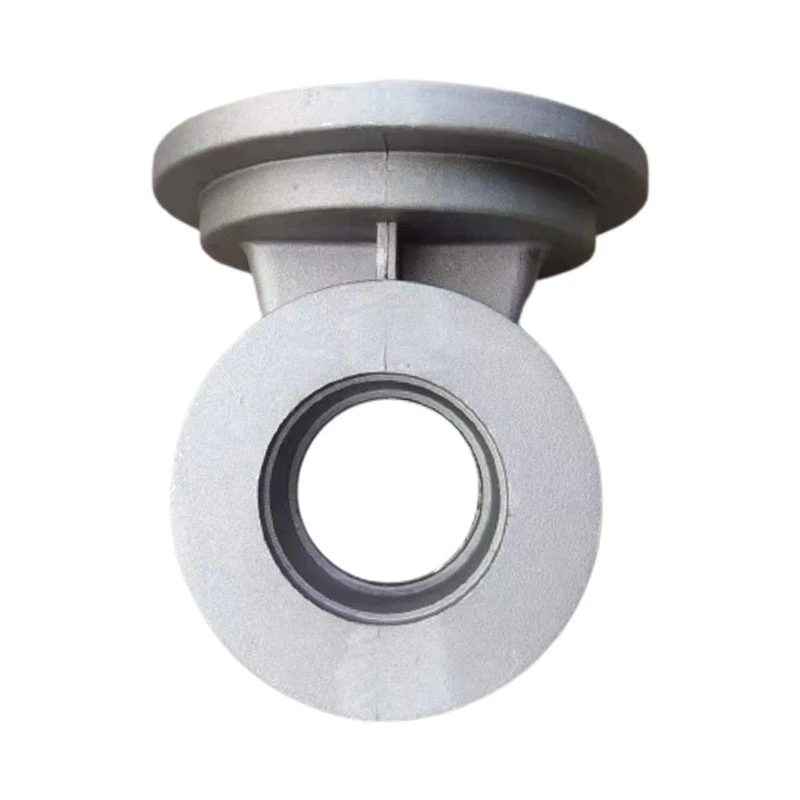
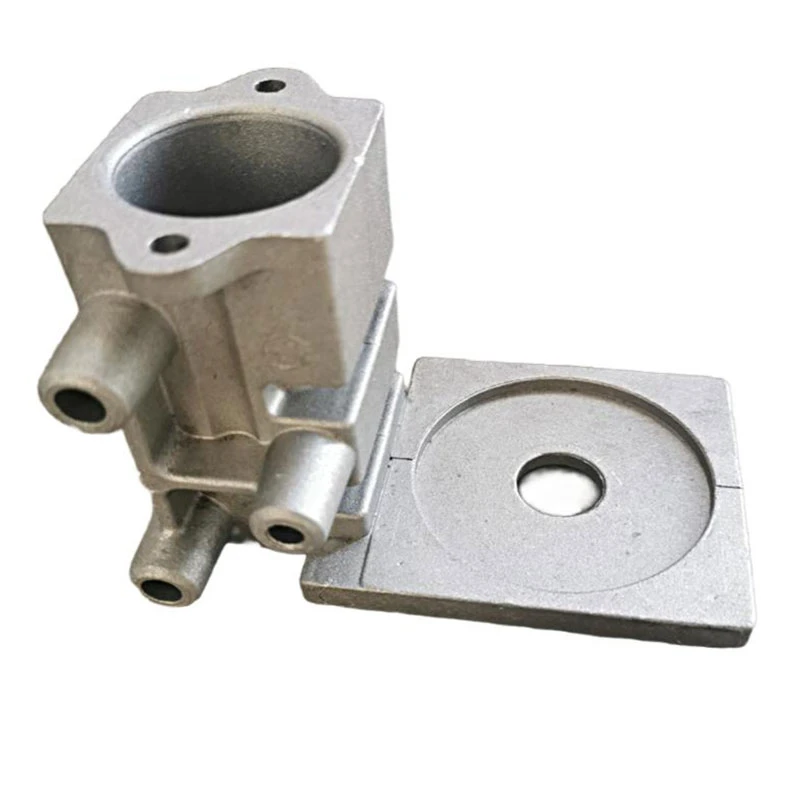
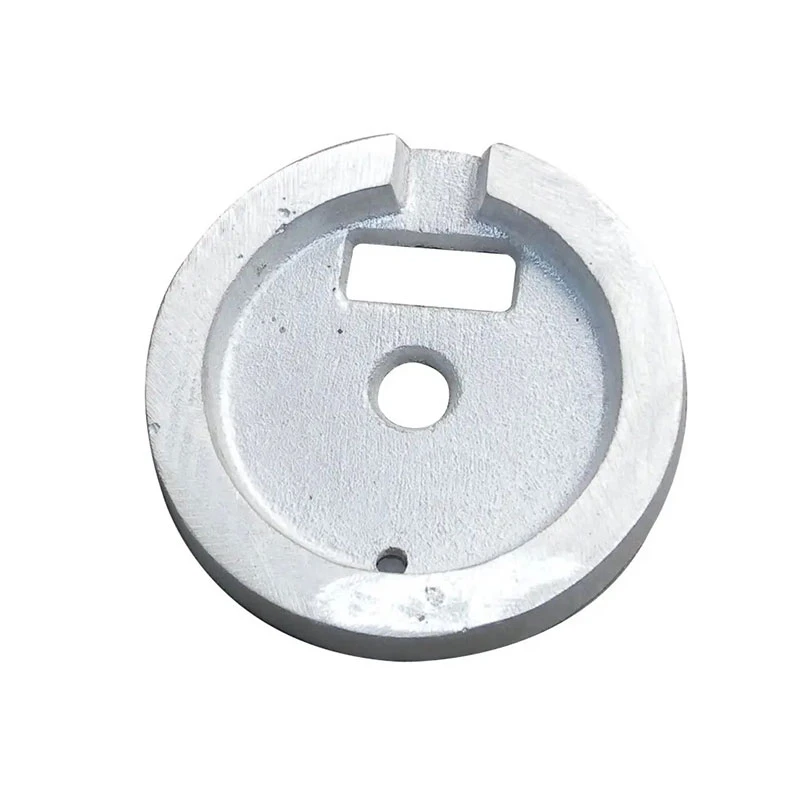
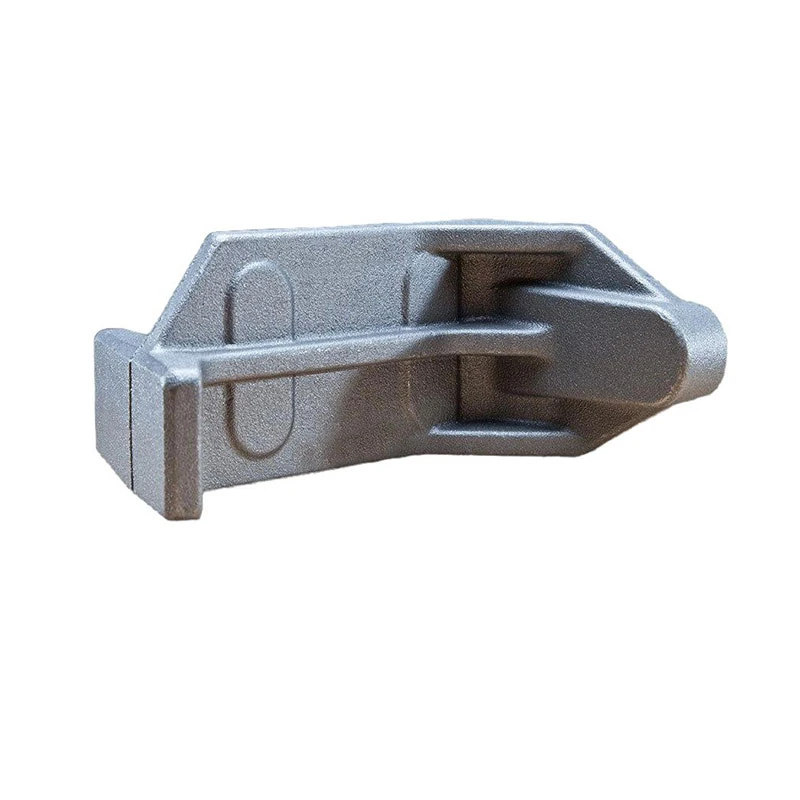
Several metals are well-suited for die casting, each offering unique characteristics. The most frequently used materials include aluminum, zinc, magnesium, and, less commonly, brass and copper alloys. The choice depends on factors like strength requirements, corrosion resistance, cost, and production volume. Hairun Sourcing specializes in providing high-quality die casting services with a wide range of material options.
Key Considerations: Understanding the trade-offs between cost, strength, weight, and corrosion resistance is vital when selecting a die casting material. Each application demands a specific material profile.
Aluminum Die Casting: Strength and Versatility
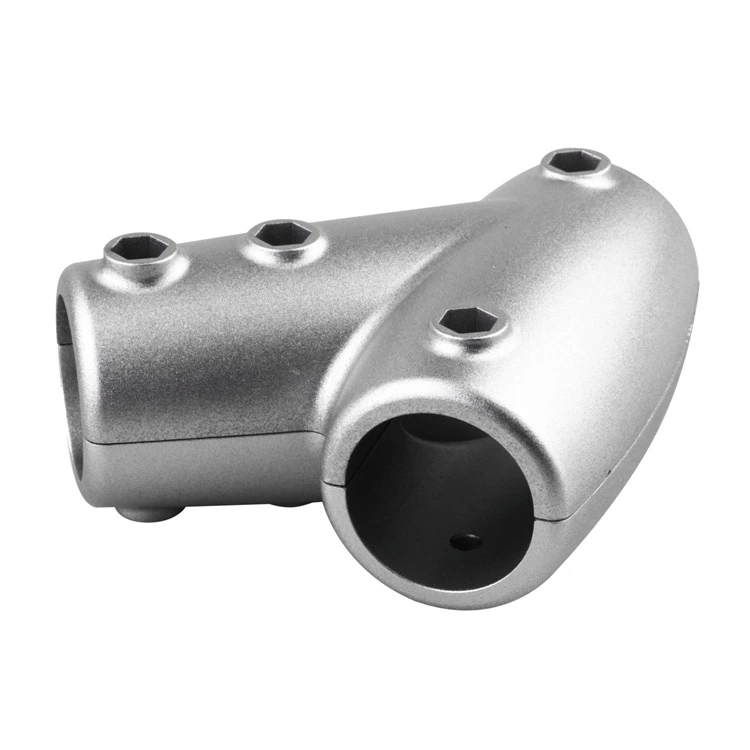
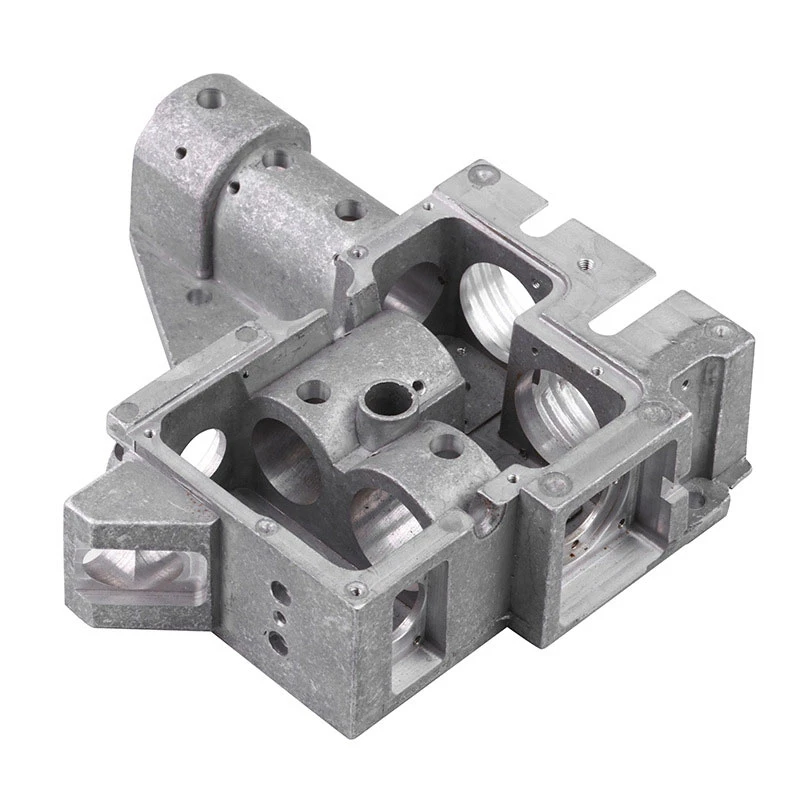
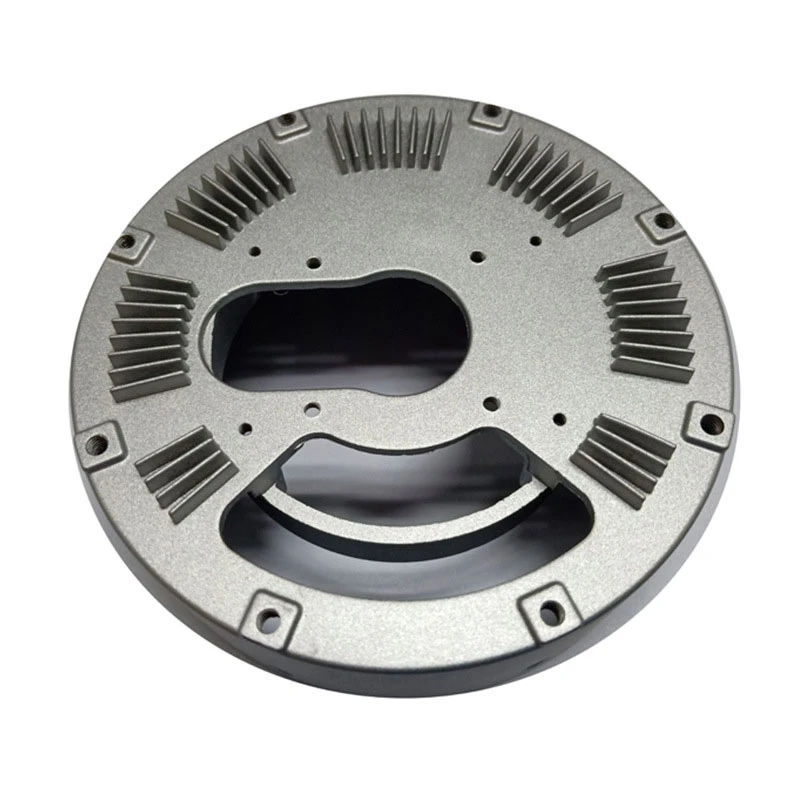
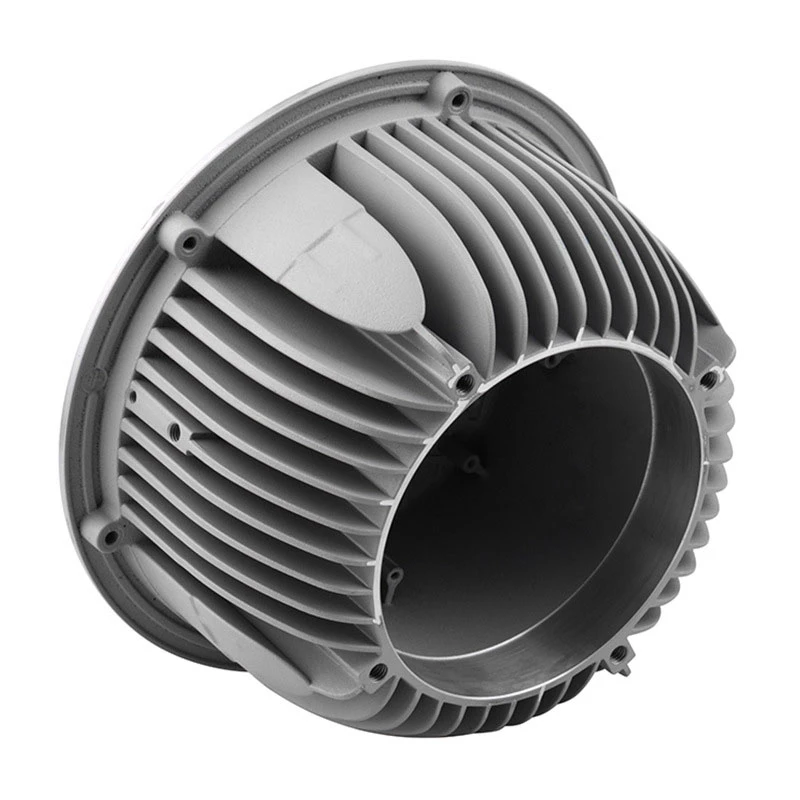
Aluminum is the most popular material for die casting due to its excellent strength-to-weight ratio, corrosion resistance, and thermal conductivity. It's also relatively affordable and easily recyclable. Aluminum die castings are commonly used in automotive parts, electronics housings, and industrial machinery. The material's ability to dissipate heat effectively makes it ideal for components exposed to high temperatures. Aluminum alloys provide varying levels of strength and machinability.
Aluminum Die Casting Benefits:
• High strength-to-weight ratio
• Excellent corrosion resistance
• Good thermal conductivity
• Recyclable
Zinc Die Casting Material: Precision and Detail
Zinc die casting is favored when intricate details and tight tolerances are required. It offers excellent castability, allowing for complex geometries and thin walls. Zinc alloys also possess good impact resistance and corrosion protection. Zinc die castings are frequently used in hardware, plumbing fixtures, and consumer goods. Although generally less strong than aluminum, zinc provides superior dimensional stability.
Choosing the Right Die Casting Material for Your Project
Selecting the ideal die casting material requires careful consideration of your application's specific requirements. Factors such as load bearing, operating temperature, environmental conditions, and budget all play a crucial role. Consulting with experienced die casting professionals, like those at Hairun Sourcing, can provide valuable insights and ensure optimal material selection. We can help you navigate the complexities of material properties and manufacturing processes to achieve the best possible results.
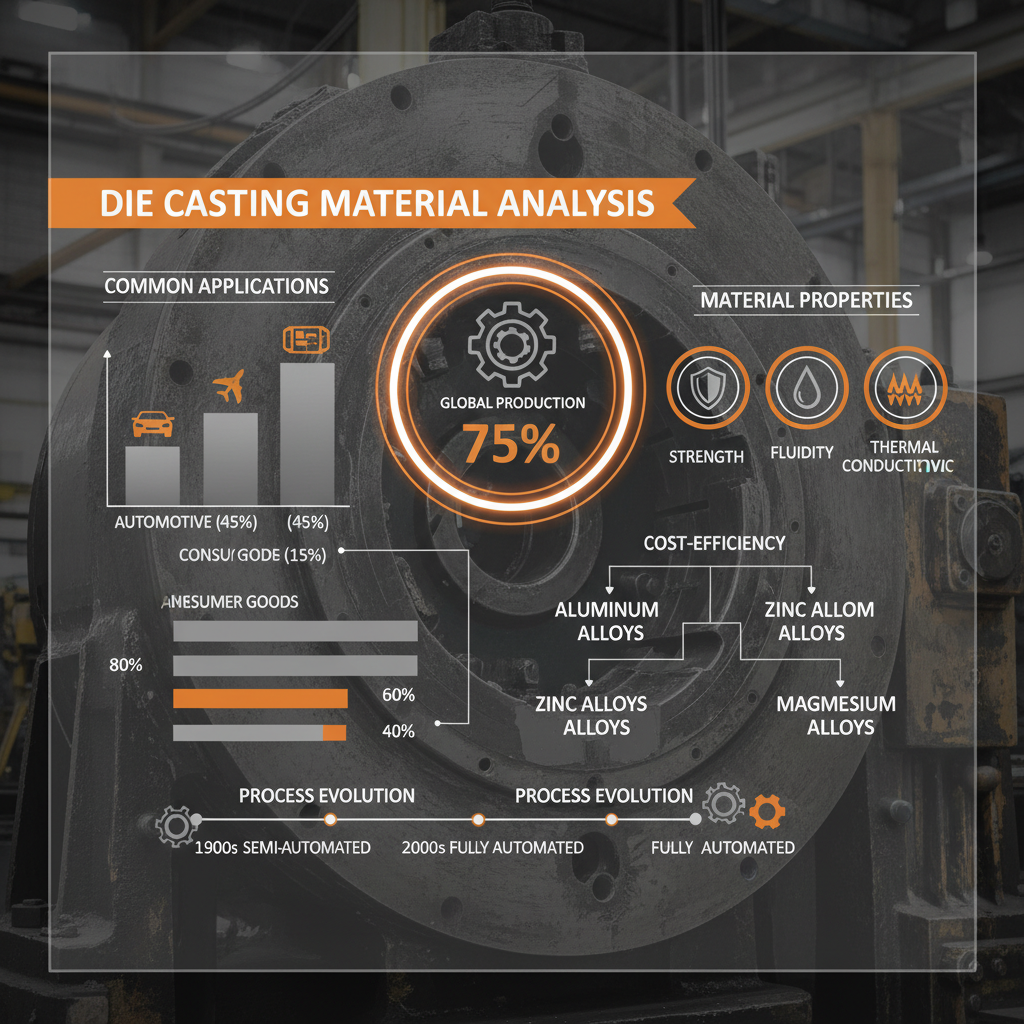
Future Trends in Die Casting Materials
The field of die casting materials is continually evolving, with ongoing research focused on developing lighter, stronger, and more sustainable alloys. Increasingly, engineers are exploring hybrid materials and advanced coatings to enhance performance and durability. The demand for eco-friendly materials is also driving innovation in recyclable alloys and sustainable manufacturing processes.
Conclusion: Optimizing Your Manufacturing with the Right Material
Choosing the right die casting material is paramount to the success of your project. By carefully evaluating your application’s needs and leveraging the expertise of a reliable partner like Hairun Sourcing, you can achieve high-quality, cost-effective results. Don't compromise on material selection – it's the foundation of a durable and reliable product.
Frequently Asked Questions (FAQs)
What are the main advantages of aluminum die casting?
Aluminum die casting offers a compelling combination of benefits, including high strength-to-weight ratio, excellent corrosion resistance, and good thermal conductivity. This makes it ideal for applications requiring lightweight yet durable components. It's also relatively affordable and easily recyclable, making it an environmentally friendly choice. Furthermore, aluminum alloys provide varying levels of strength and machinability, allowing for customization to specific needs.
How does the cost of different die casting materials compare?
Generally, zinc is the most cost-effective die casting material, followed by aluminum and then magnesium. Brass and copper alloys tend to be the most expensive. However, the total cost of a die casting isn’t solely determined by the material price. Factors like part complexity, tooling costs, and production volume significantly influence the overall expense. Hairun Sourcing can provide detailed cost analysis based on your specific project requirements.
What applications benefit most from magnesium die casting?
Magnesium die casting is particularly well-suited for applications where weight reduction is critical, such as aerospace components, automotive parts (especially engine components), and portable electronics. Its high strength-to-weight ratio makes it an excellent choice for these demanding applications. However, magnesium requires protective coatings to enhance its corrosion resistance.
Is die casting a sustainable manufacturing process?
Yes, die casting can be a sustainable manufacturing process. Many die casting materials, like aluminum and zinc, are highly recyclable, reducing reliance on virgin materials. Furthermore, die casting is an efficient process that minimizes material waste. Companies are also increasingly adopting eco-friendly alloys and manufacturing practices to further enhance sustainability. Hairun Sourcing is committed to sustainable manufacturing practices.
-
Guide to Anodizing Die Cast Aluminum for Industrial ExcellenceNewsApr.16,2026
-
High Quality Precision Aluminum Die Casting Components GuideNewsApr.09,2026
-
Comprehensive Guide to High Quality Aluminium Pressure Die Casting ProductsNewsApr.07,2026
-
Comprehensive Guide to Aluminium Pressure Die Casting Components and SolutionsNewsApr.04,2026
-
Comprehensive Guide to Aluminium HPDC Casting for Global SourcingNewsMar.31,2026
-
Comprehensive Guide to Precision Aluminium Die Castings and Manufacturing SolutionsNewsMar.28,2026