


Comprehensive Guide to Aluminum Die Cast Manufacturing Processes and Applications
Aluminum Die Cast Manufacturing: A Comprehensive Guide
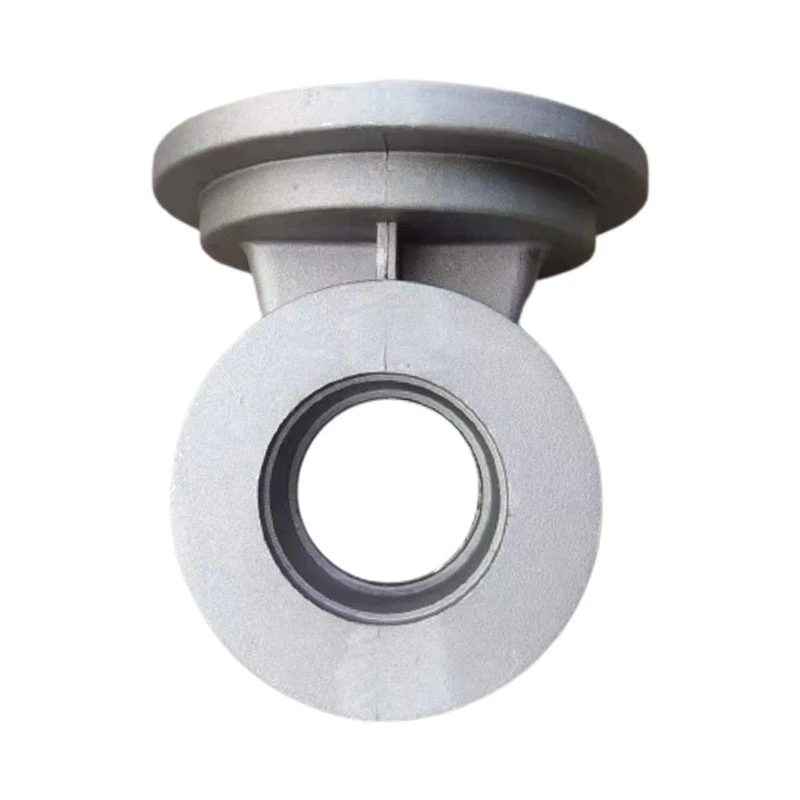
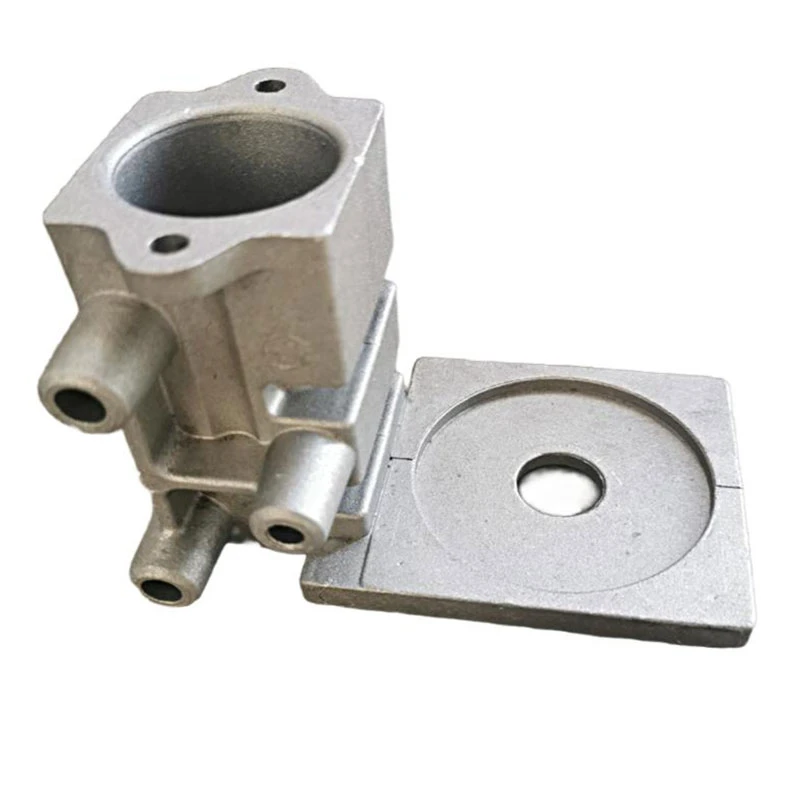
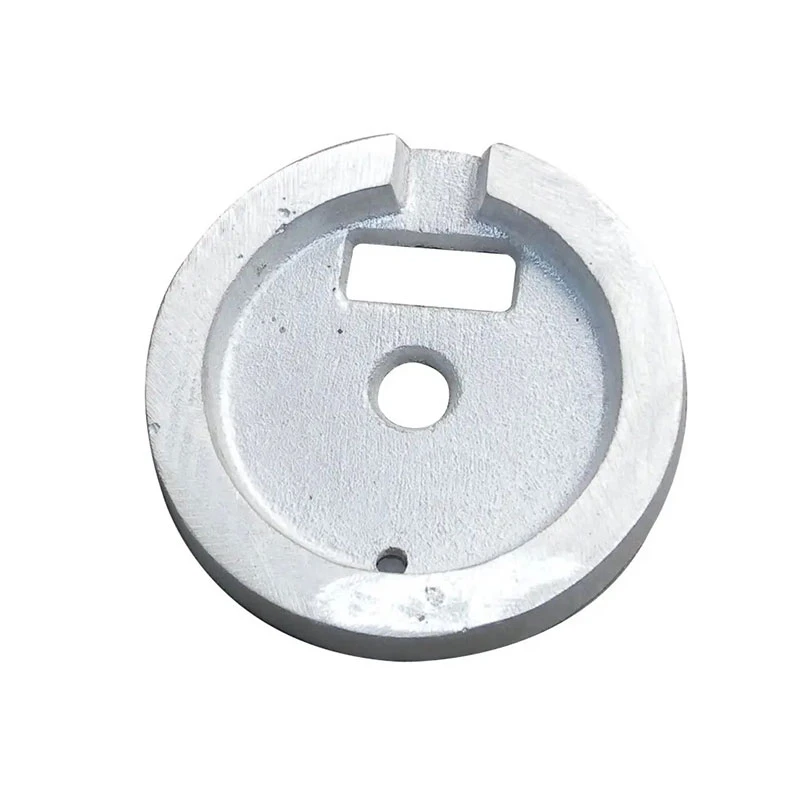
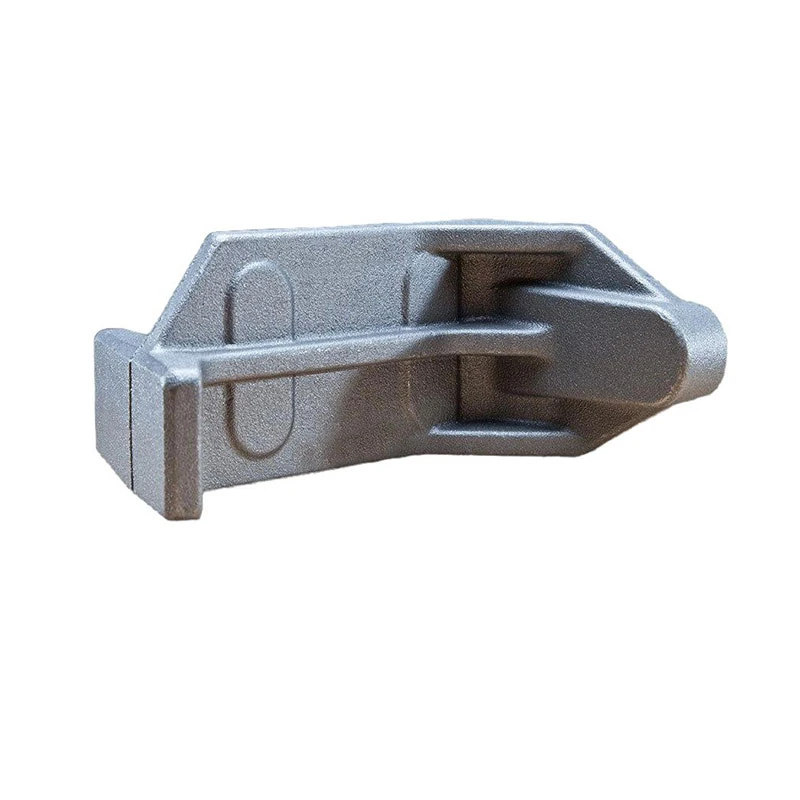
Aluminum die casting is a widely used manufacturing process for producing complex metal parts with high precision and repeatability. It’s a cost-effective solution for large-volume production, offering excellent strength-to-weight ratios. This article explores the intricacies of aluminum die cast manufacturing, covering the process, benefits, applications, and key considerations for sourcing. Choosing the right manufacturing partner is crucial for success, and understanding the process empowers informed decisions. We’ll delve into the advantages of this technique and how it compares to other metal forming methods.
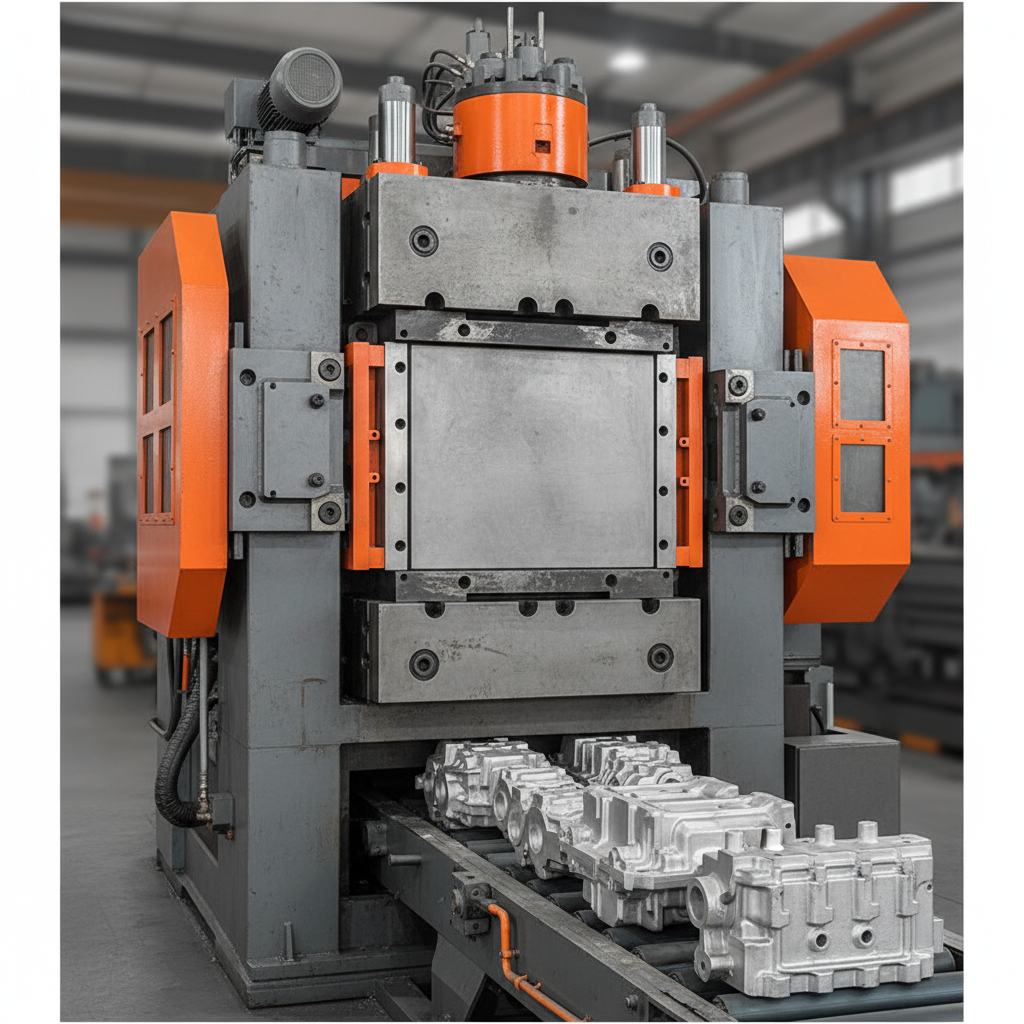
The Aluminum Die Casting Process Explained
The aluminum die casting process involves injecting molten aluminum into a reusable metal die (mold) under high pressure. This process creates intricate shapes with tight tolerances. The main steps include die preparation, metal melting, injection, cooling, and ejection. There are two primary types of die casting: hot chamber and cold chamber. Hot chamber casting is suitable for metals with low melting points, while cold chamber casting is preferred for aluminum due to its higher melting point. Hairun Sourcing specializes in cold chamber aluminum die casting offering high precision and efficiency.
Key Highlights: High precision, large production volumes, excellent strength-to-weight ratio, and repeatable results. Cold chamber process is ideal for aluminum alloys.
Benefits of Aluminum Die Casting
Aluminum die casting offers numerous advantages over other manufacturing processes. Its high strength-to-weight ratio makes it ideal for applications where weight reduction is crucial. The process provides excellent dimensional accuracy and repeatability, ensuring consistent product quality. Aluminum is also highly recyclable, making it an environmentally friendly choice. Furthermore, die casting enables the creation of complex geometries with thin walls, reducing material usage and manufacturing costs. The benefits extend to reduced machining requirements, faster production cycles, and improved surface finish.
Key Benefits:
• High strength-to-weight ratio
• Excellent dimensional accuracy
• Recyclable material
• Complex geometries with thin walls
Aluminum Die Casting vs. Other Manufacturing Processes
Comparing aluminum die casting with other metal forming processes reveals its strengths and weaknesses. Sand casting is more suitable for larger parts and lower volumes, while investment casting offers even higher precision but is more expensive. Forging provides superior strength but is limited in its ability to create complex shapes. Machining is versatile but can be slow and wasteful of material. Die casting strikes a balance between cost, precision, and complexity, making it the preferred choice for many applications. Hairun Sourcing's expertise allows us to advise you on the most suitable manufacturing process for your specific needs.
Applications of Aluminum Die Cast Parts
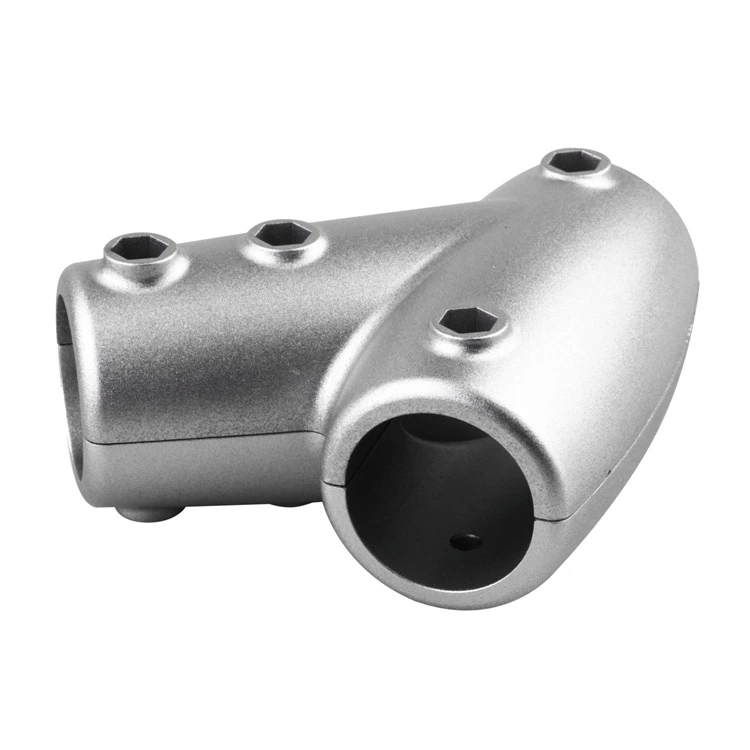
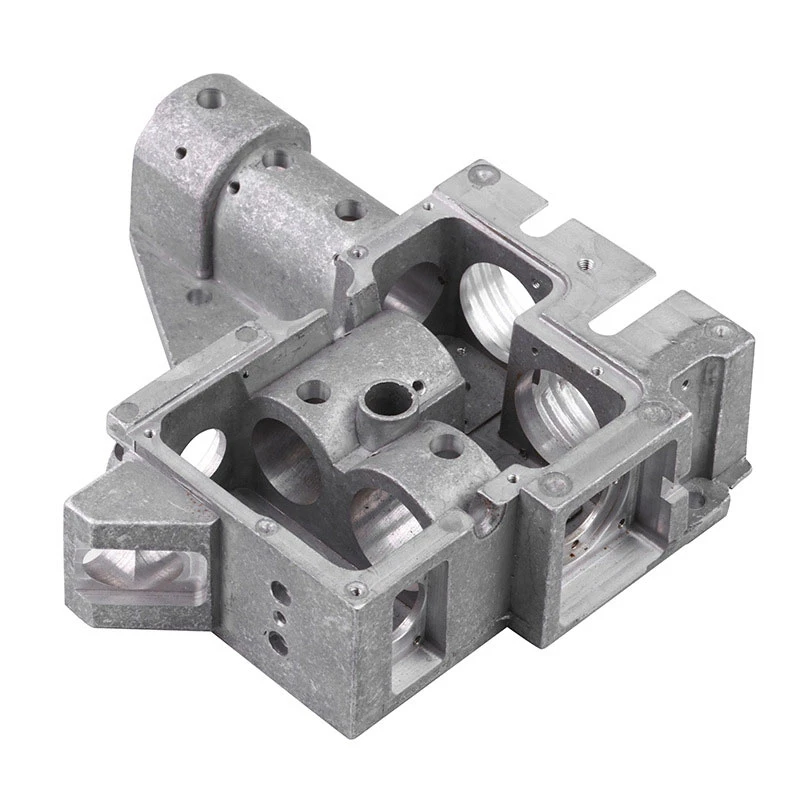
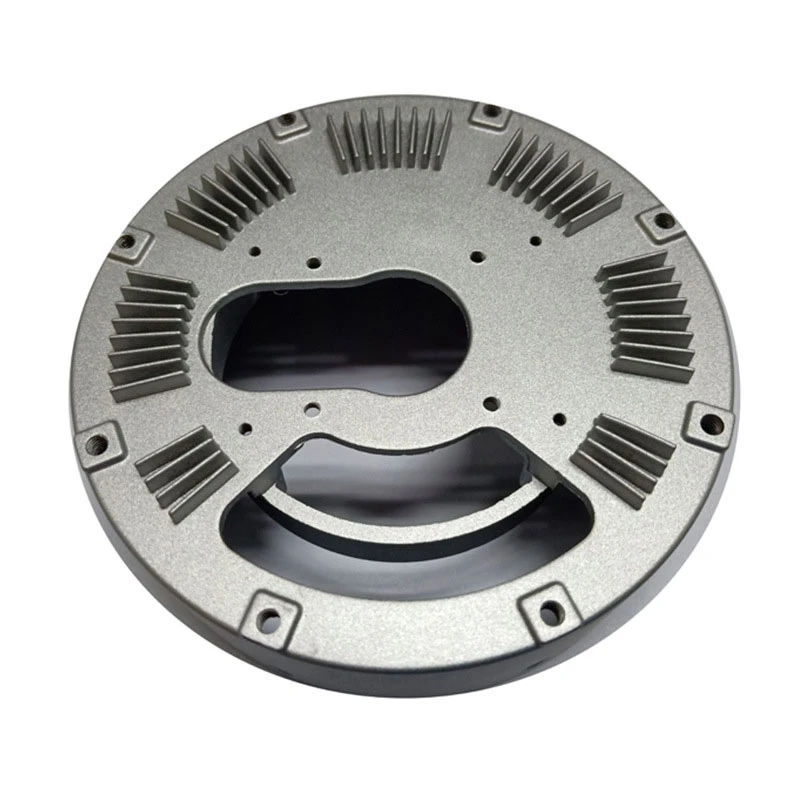
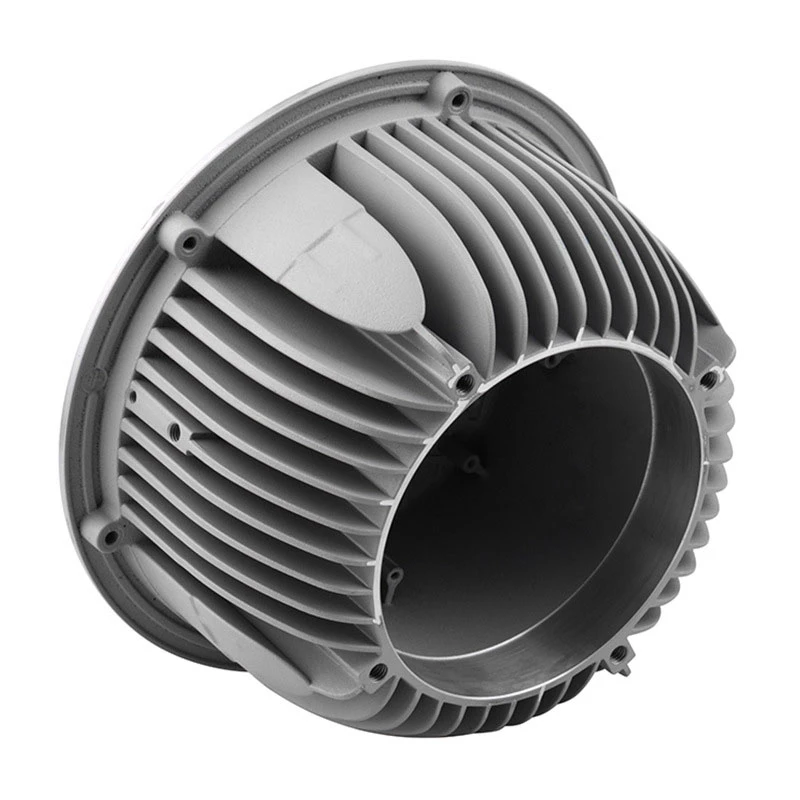
Aluminum die cast parts are used in a wide range of industries, including automotive, aerospace, electronics, and medical devices. Common applications include engine components, housings, connectors, and structural parts. The automotive industry utilizes die cast aluminum for lightweight components to improve fuel efficiency. In the electronics industry, die casting provides robust housings for electronic devices. Hairun Sourcing has experience serving diverse industries with high-quality aluminum die casting solutions.
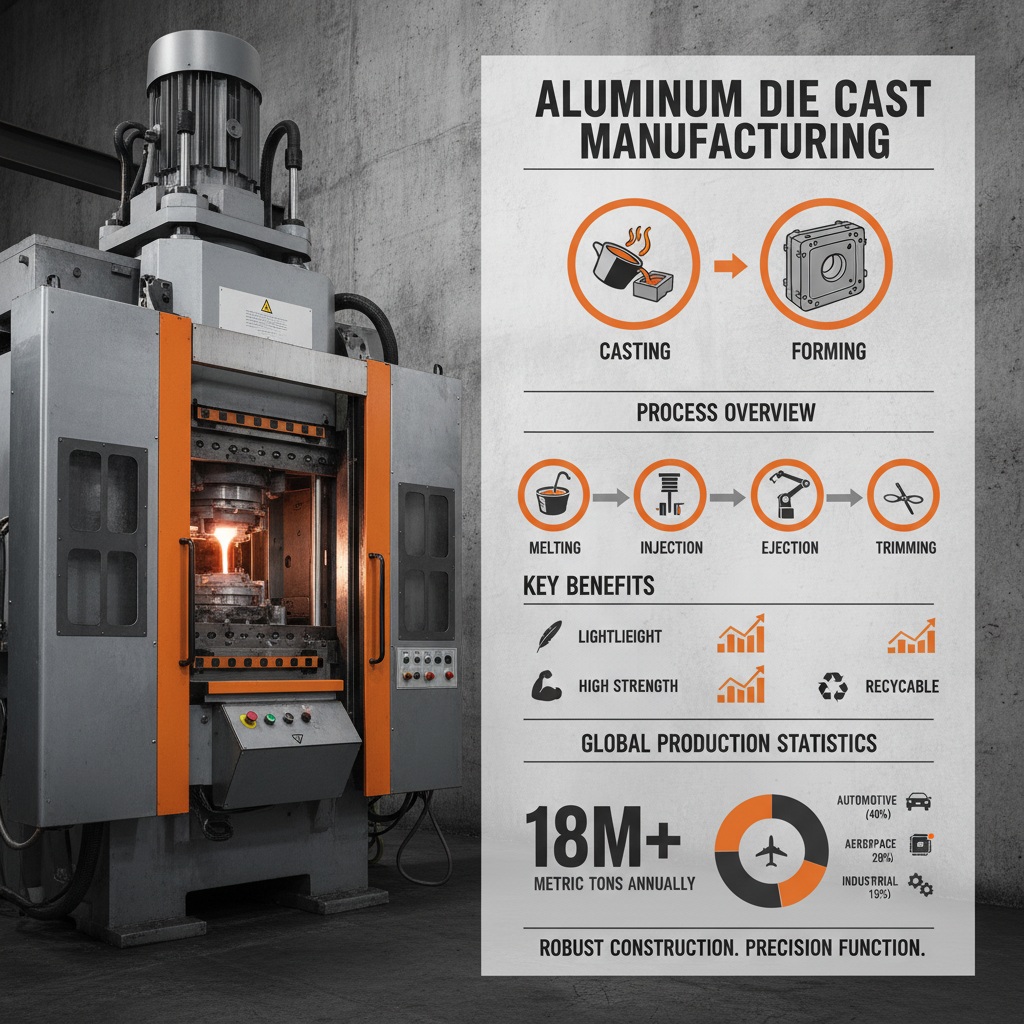
Choosing the Right Aluminum Die Casting Manufacturer
Selecting a reliable aluminum die casting manufacturer is critical for ensuring product quality and timely delivery. Consider factors such as experience, capabilities, quality control processes, and communication. Look for a manufacturer with a proven track record and a commitment to customer satisfaction. Hairun Sourcing offers comprehensive aluminum die casting services, from design assistance to final production and quality assurance.
Conclusion: Partnering for Success in Aluminum Die Casting
The aluminum die casting process is a versatile and cost-effective solution for producing high-quality metal parts. By understanding the process, benefits, and key considerations, you can make informed decisions and partner with a reliable manufacturer to achieve your production goals. Hairun Sourcing is dedicated to providing innovative and reliable aluminum die casting solutions to meet your unique requirements.
Frequently Asked Questions (FAQs)
What are the common defects in aluminum die casting?
Common defects include porosity (gas bubbles), shrinkage, cracks, and misruns (incomplete filling of the die). Porosity can be caused by trapped gases or insufficient venting. Shrinkage occurs as the metal cools and solidifies. Cracks can result from stress during cooling or improper die design. Misruns are typically caused by low injection pressure or metal temperature. Experienced manufacturers like Hairun Sourcing employ rigorous quality control measures to minimize these defects.
What aluminum alloys are commonly used in die casting?
Commonly used aluminum alloys include A380, A383, and ADC12. A380 is known for its excellent castability and mechanical properties. A383 offers improved corrosion resistance. ADC12 provides high strength and good wear resistance. The choice of alloy depends on the specific application requirements. Hairun Sourcing can advise you on the most suitable alloy for your project.
What is the typical lead time for aluminum die casting production?
Lead times vary depending on the complexity of the part, the size of the order, and the manufacturer's current workload. Typically, tooling can take 4-8 weeks, while production lead times range from 2-6 weeks after tooling completion. Hairun Sourcing strives to provide competitive lead times and clear communication throughout the production process.
How important is die design in aluminum die casting?
Die design is paramount to the success of aluminum die casting. A well-designed die ensures proper metal flow, minimizes turbulence, facilitates venting, and promotes uniform cooling. Proper die design reduces the risk of defects, improves part quality, and extends die life. Hairun Sourcing has a team of experienced die designers who utilize advanced software and techniques.
-
Guide to Anodizing Die Cast Aluminum for Industrial ExcellenceNewsApr.16,2026
-
High Quality Precision Aluminum Die Casting Components GuideNewsApr.09,2026
-
Comprehensive Guide to High Quality Aluminium Pressure Die Casting ProductsNewsApr.07,2026
-
Comprehensive Guide to Aluminium Pressure Die Casting Components and SolutionsNewsApr.04,2026
-
Comprehensive Guide to Aluminium HPDC Casting for Global SourcingNewsMar.31,2026
-
Comprehensive Guide to Precision Aluminium Die Castings and Manufacturing SolutionsNewsMar.28,2026