


Unlocking the Potential of the Precision Investment Casting Process | Advanced Metal Manufacturing
What Is the Precision Investment Casting Process and Why It Matters
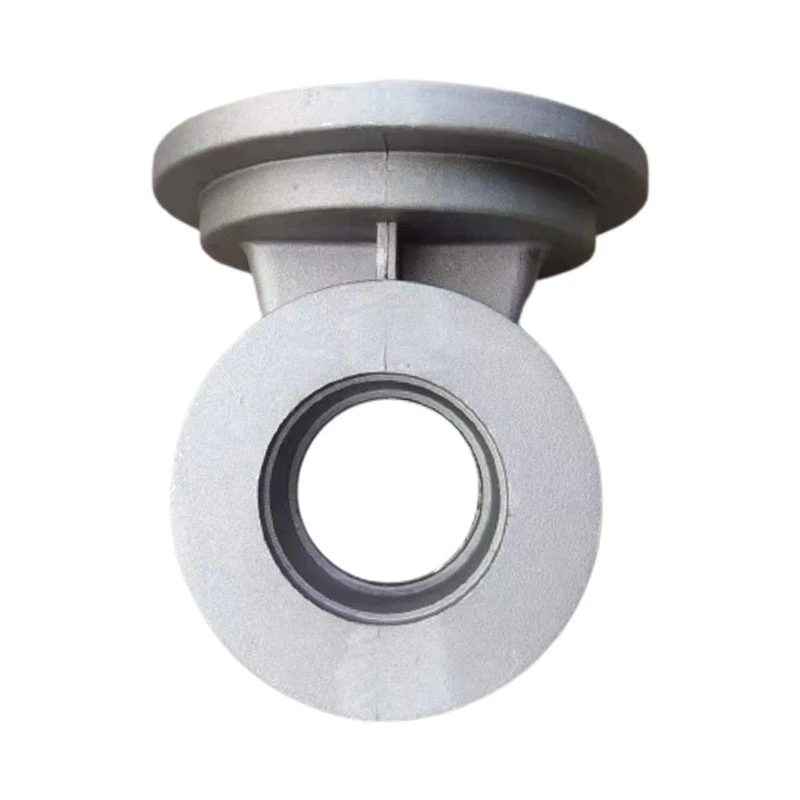
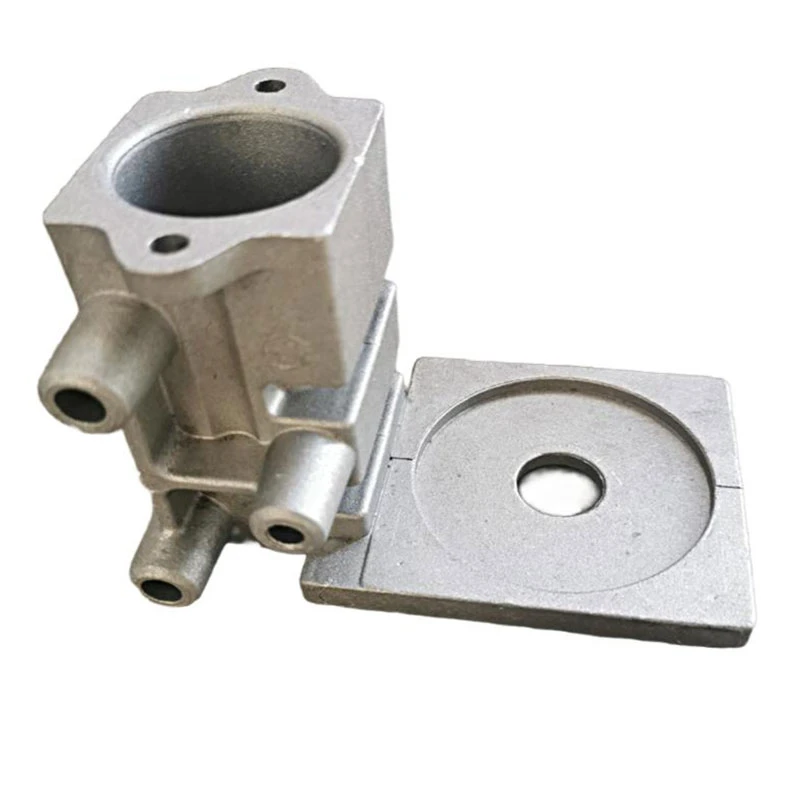
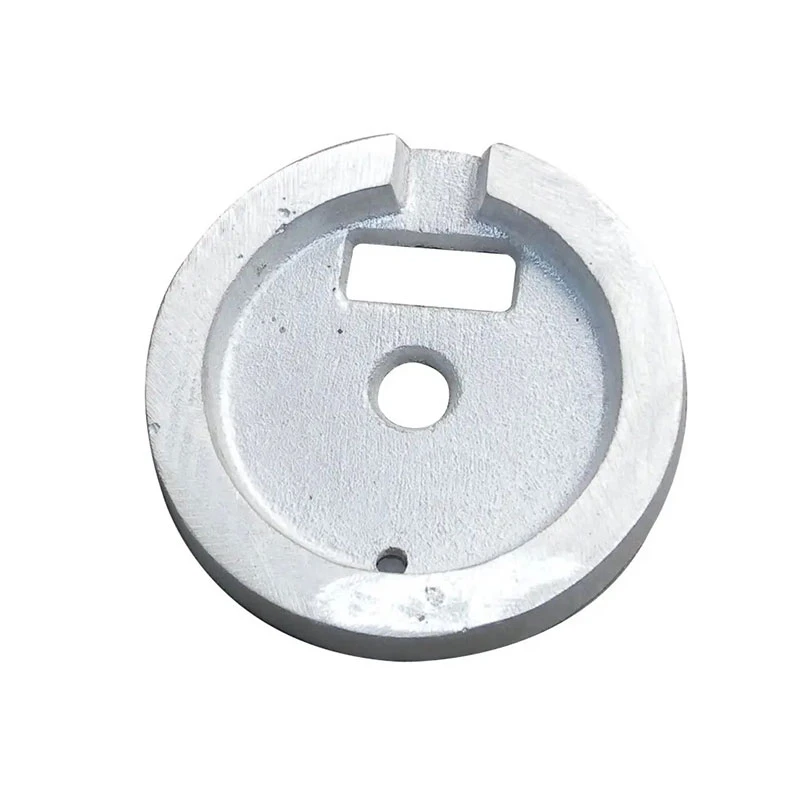
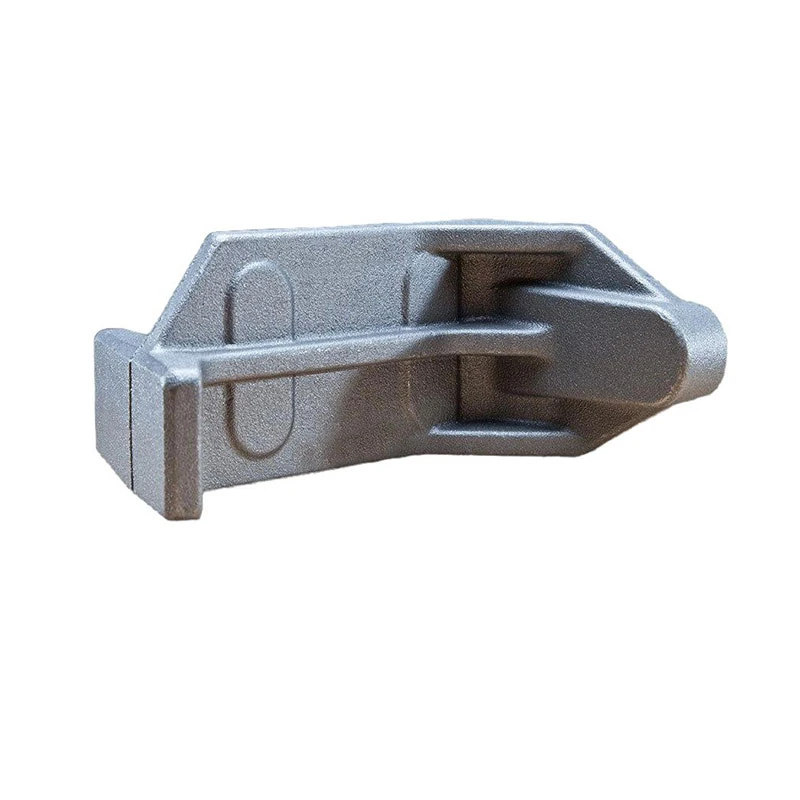
At its core, the precision investment casting process is a manufacturing marvel that offers incredibly detailed metal parts by casting molten metal into wax molds that are then melted away. But why does this matter so much on a global scale? Well, industries spanning aerospace to medical devices rely on this process for components that demand exact specifications and high quality — stuff that, frankly, you can’t just slap together with basic methods.
Understanding this process isn’t just for tech geeks; it’s vital for improving global manufacturing efficiency, reducing waste, and producing parts that enable everything from clean energy turbines to life-saving surgical instruments. In short, it’s where art meets engineering, with big dividends for innovation and sustainability.
The Global Context: Why Precision Investment Casting Is More Important Than Ever
The world’s manufacturing landscape is shifting rapidly. The United Nations Industrial Development Organization (UNIDO) reports that advanced manufacturing techniques like precision investment casting help nations boost industrialization while reducing environmental impacts (1). According to ISO standards, industries demand tighter tolerances and superior surface finishes — exactly where this casting method shines.
But here’s the kicker: mass-producing parts with complex geometries traditionally involves extensive machining and waste. The precision investment casting process counters that by creating near-net-shape parts, often slashing machining time by 30% or more — freeing up resources and reducing emissions.
In an era focused on sustainability and cost efficiency, this process offers a direct answer to the manufacturing puzzle. Naturally, aerospace, defense, automotive, and energy sectors lead in adoption, with heavy investment in the process to improve global supply chains.
Defining the Precision Investment Casting Process
Simply put, precision investment casting — sometimes called lost-wax casting — starts with making a wax model of the final part. This wax model is coated repeatedly with a ceramic slurry, building a tough shell. When heated, the wax melts away, leaving a hollow mold. Molten metal is poured into this cavity, cooled, and then the ceramic shell is broken off — revealing a metal part that closely matches the original wax form.
This process achieves exceptional accuracy, fine surface finish, and allows creation of intricate designs that’s tough for other methods like sand casting or forging. It’s a perfect marriage of artistry and metallurgy, supporting industries where every micron counts.
Oddly enough, despite being ancient in concept, the investment casting process is a cornerstone of modern manufacturing exactly because of that precision and adaptability.
Core Components Behind Precision Investment Casting Success
1. Durability of Ceramic Molds
The ceramic shell withstands extreme heat and maintains shape integrity, which ensures the metal forms exactly as intended — a non-negotiable for aerospace turbine blades or complex medical implants.
2. Material Versatility
From stainless steel to niche superalloys, this process can handle alloys vital for harsh environments. Many engineers say this material flexibility is what elevates investment casting above other methods.
3. Scalability
Although it’s often thought to be for small batches, the process scales surprisingly well for mid-range production volumes, especially with modern automation technologies.
4. Cost Efficiency
True, the initial setup can be pricier than other casting types, but the accuracy reduces secondary machining and material waste drastically — saving money in the medium to long term.
5. Design Freedom
Complex shapes, including hollow interiors or thin walls, can be cast without needing elaborate machining steps later — a dream for designers and manufacturers alike.
Real-World Applications of Precision Investment Casting
This manufacturing method pops up in some interesting and crucial places worldwide:
- Aerospace parts: Jet engine components that must endure extreme temperatures rely on investment casting for precision and reliability.
- Medical devices: Hip and knee implants shaped by this process improve patient outcomes with tailored geometry and biocompatibility.
- Energy sector: Gas turbines and clean energy systems use investment cast blades for efficiency and durability.
- Automotive industry: High-performance car parts, including turbocharger housings and complex gear components.
- Defense and military: Components for precision weapons and engines where tolerances are critical.
Interestingly, in remote industrial zones — where supply chains are fragile — investment casting allows local facilities to produce parts in situ, reducing downtime and reliance on imports.
Product Specification Snapshot: Typical Precision Investment Casting Part
| Feature | Value/Range | Notes |
|---|---|---|
| Dimensional Tolerance | ±0.127 mm (±0.005 in) | Depends on part size |
| Surface Finish | 32 - 125 microinches Ra | Nearly machinable after casting |
| Material Range | Carbon Steel, Stainless, Superalloys | Selected per application |
| Max Part Weight | Up to 45 kg (100 lbs) | Scaled up with tooling |
| Production Volume | Low to medium batch | Automation improving scale |
Who Are the Top Vendors? A Quick Comparison
| Vendor | Material Expertise | Typical Lead Time | Industry Focus |
|---|---|---|---|
| CastTech Solutions | Superalloys & Stainless Steel | 4-6 weeks | Aerospace & Energy |
| MetalForge Inc. | Carbon & Alloy Steels | 3-5 weeks | Automotive & Defense |
| PreciseCast Co. | Wide Alloy Range including Titanium | 6-8 weeks | Medical & Industrial |
Advantages & Long-Term Value of Investment Casting
What really pulls the punches for investment casting is the blend of long-lasting quality with economic sense. This process:
- Minimizes material waste, crucial as metal prices climb and environmental concerns grow.
- Produces reliable components that withstand wear, heat, and stress better — leading to longer product lifecycles.
- Enhances safety and trust especially when parts are used in aviation or healthcare, where failures aren’t an option.
- Supports innovation by allowing designers to push boundaries with more complex geometries.
From an emotional standpoint, industries investing in precision cast parts essentially bet on quality, safety, and innovation — values that truly matter when you think about what’s riding on these components.
Future Trends & Innovations Shaping the Process
The future is bright — and digital. Automation in wax pattern production, advances in ceramic shell materials making them stronger and greener, and integration with 3D printing to produce intricate molds faster, are all pushing the precision investment casting process forward.
Environmental standards are tightening, so expect to see more emphasis on recyclable materials and lower energy consumption — a trend that’s reshaping the production line in real time.
Moreover, AI-driven quality control is becoming a reality, reducing defects and lead times, while expanding capacity. In essence, it’s a classic “old meets new” story — but that makes it all the more exciting.
Challenges & Thoughtful Solutions
Despite its virtues, the precision investment casting process isn’t perfect. Challenges include:
- High initial tooling costs can intimidate small companies.
- Lead times remain longer than some rapid prototyping methods.
- Material limitations: some alloys remain tricky to cast without defects.
The good news? Experts are adapting. Modular tooling designs, hybrid processes combining casting and additive manufacturing, and improved simulation software help speed development and lower costs. Plus, outsourcing to skilled vendors often balances expense versus quality better than in-house trials.
FAQ: Your Precision Investment Casting Curiosities Answered
- Q: How does precision investment casting compare to sand casting?
- A: Precision investment casting offers better accuracy and smoother surface finishes, ideal for complex or delicate parts, while sand casting is more suited for larger, simpler components with looser tolerances.
- Q: Can the process be scaled for large production runs?
- A: Typically it excels in low to medium volumes. However, with modern automation and wax injection molding, larger runs are increasingly feasible.
- Q: What materials can be used in investment casting?
- A: Commonly stainless steel, carbon steel, superalloys, and even titanium. Material choice depends on required strength, temperature resistance, and corrosion needs.
- Q: Is the process environmentally friendly?
- A: It reduces waste through near-net-shape casting and uses reusable wax patterns. Continued improvements target greener molds and energy use.
- Q: How can companies find reliable investment casting vendors?
- A: Certifications such as ISO 9001, detailed case studies, and samples from prospective vendors help ensure quality and reliability. Our vendor comparison table above can be a start.
Wrapping Up: Why Precision Investment Casting Holds the Future
The precision investment casting process remains, surprisingly, both an ancient craft and an ultra-modern technology critical to countless industries worldwide. It’s about producing intricate, high-performance metal parts that make a direct impact on innovation, sustainability, and product reliability.
If you want to dive deeper, explore new partnerships, or just get inspired about precision manufacturing, I recommend visiting precision investment casting process. There’s a wealth of knowledge just waiting.
In the end, it’s not just about metal. It’s about pushing boundaries, fostering trust in products we rely on, and building stronger, smarter systems for tomorrow.
References
-
Comprehensive Guide to Automotive Die Casting for Enhanced Vehicle PerformanceNewsJan.27,2026
-
Comprehensive Guide to Aluminum Pressure Die Casting Manufacturing ProcessesNewsJan.27,2026
-
Hot Chamber Die Casting vs Cold Chamber Die Casting ExplainedNewsJan.06,2026
-
Hot Chamber And Cold Chamber Die Casting Solutions for Industrial Applications | Hairun SourcingNewsJan.06,2026
-
Hot and Cold Chamber Die Casting: Key Insights from Industry ExpertsNewsJan.06,2026
-
Comprehensive Guide on Graphite Die Casting for B2B Manufacturing | HairunSourcingNewsJan.05,2026