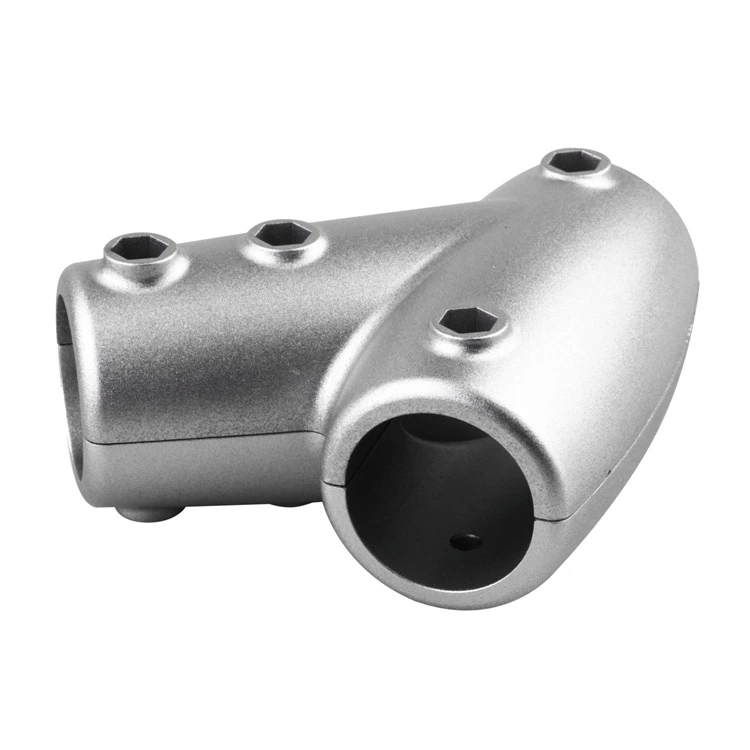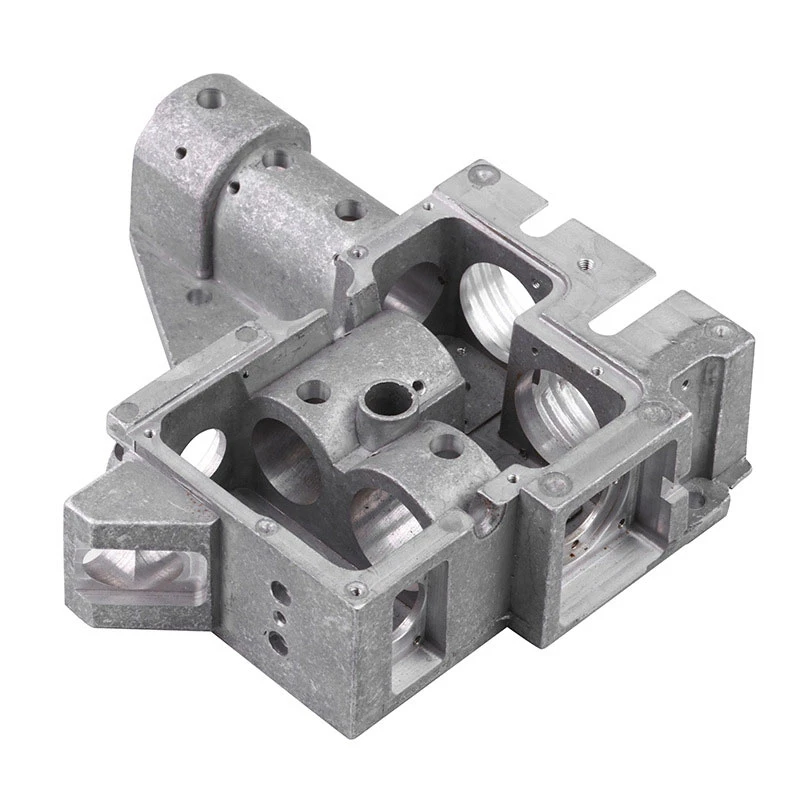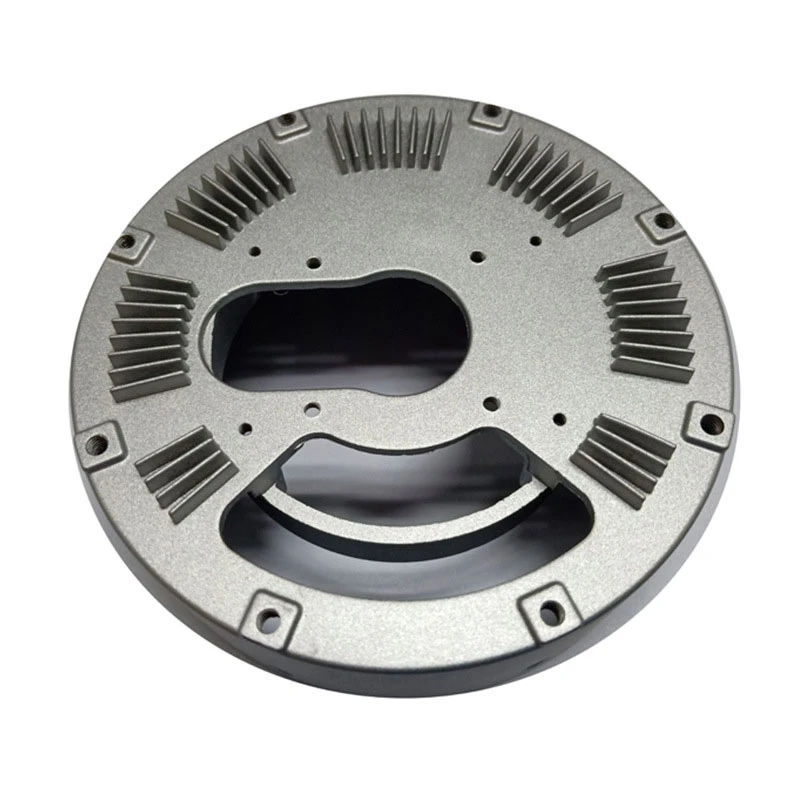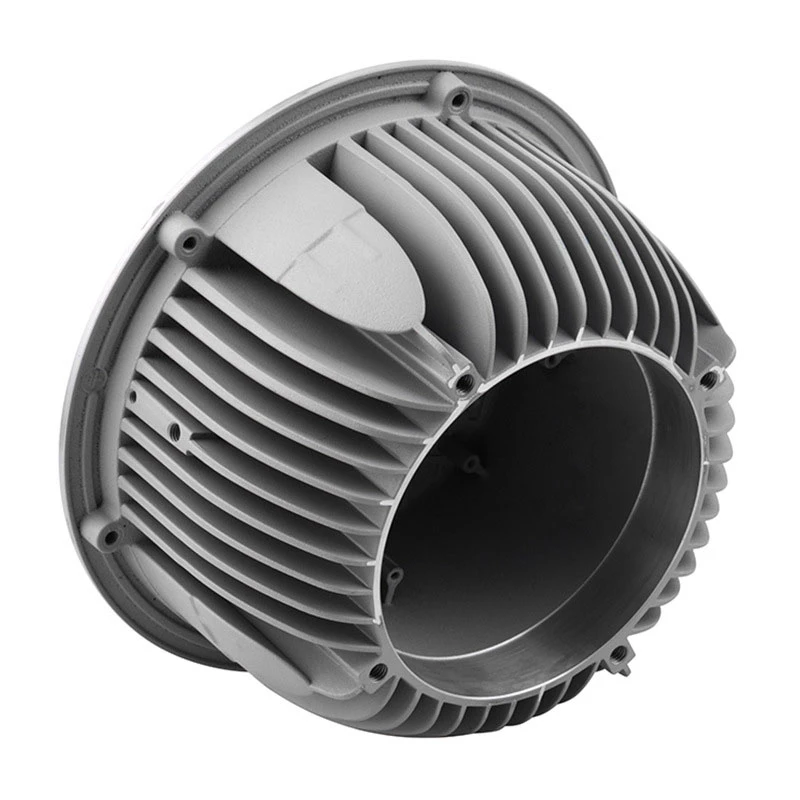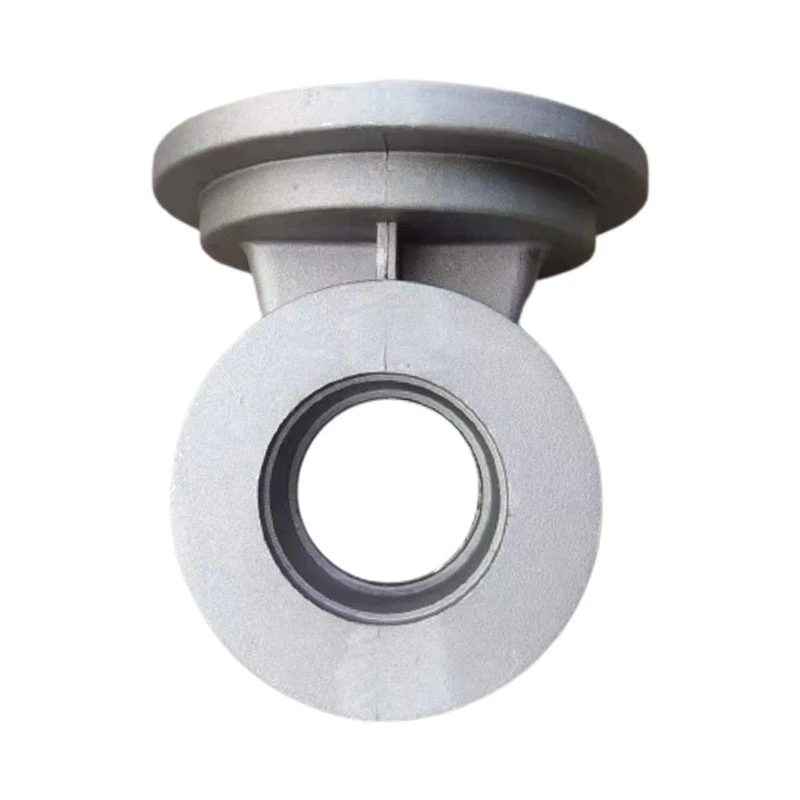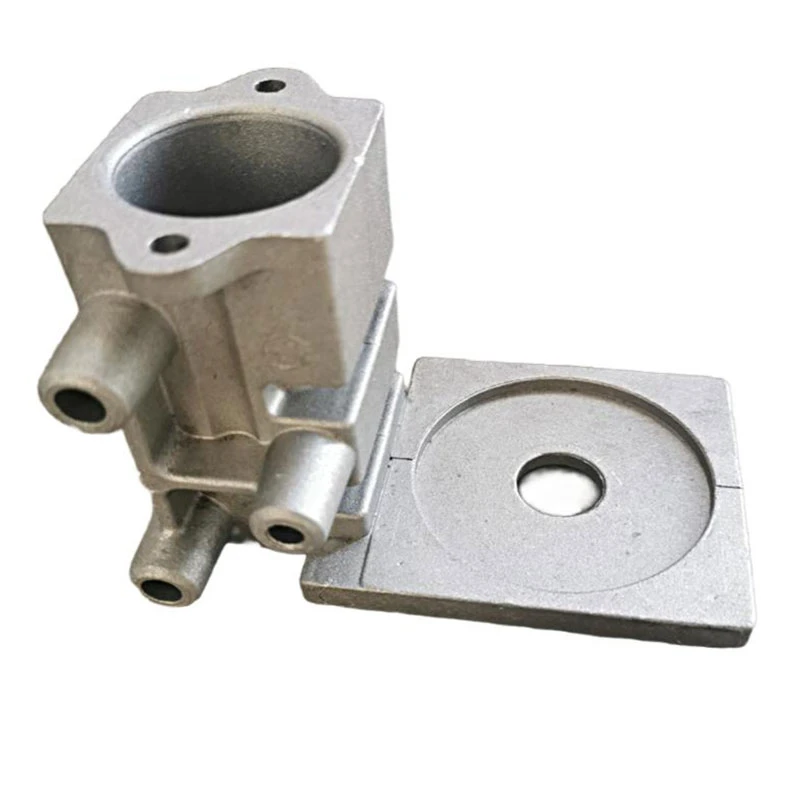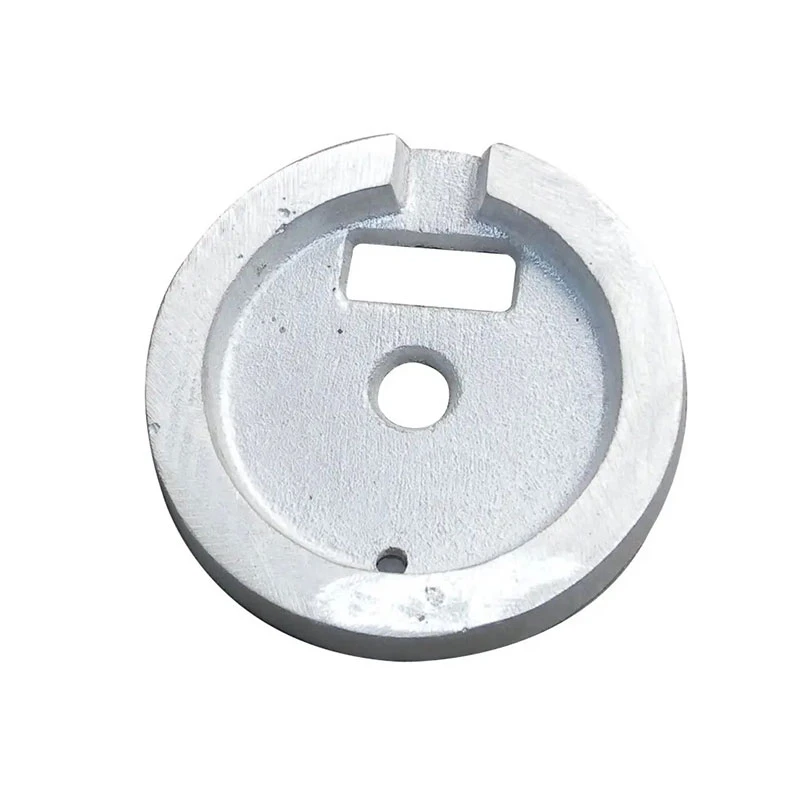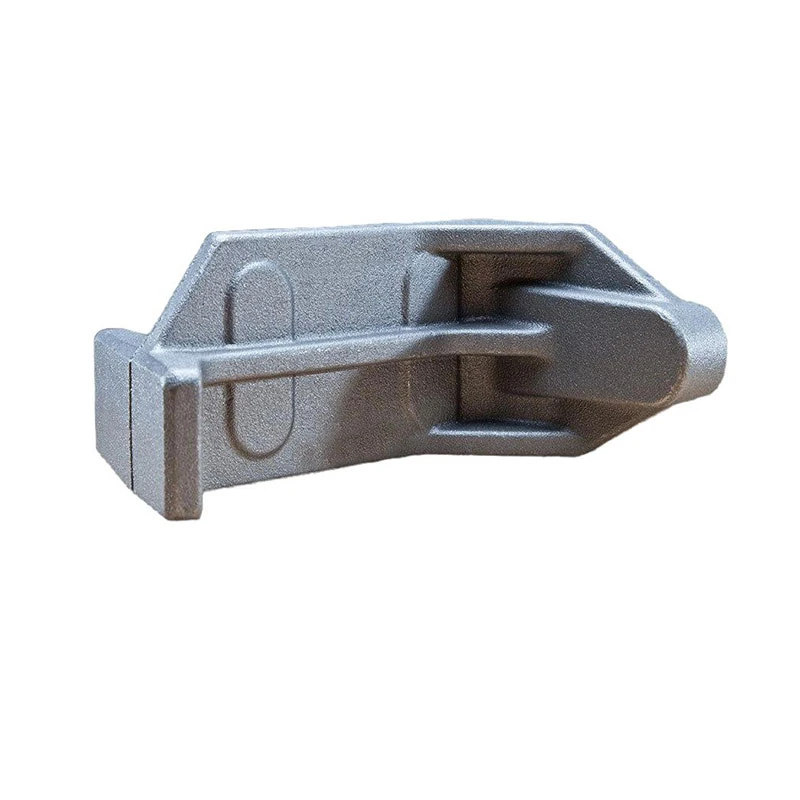



Precision Investment Castings – High-Quality Metal Components for Modern Industry
Precision Investment Castings: The Hidden Champions of Modern Manufacturing
If you’ve ever marveled at the intricate components inside jet engines, medical devices, or luxury automobiles, precision investment castings were probably involved. These specialized metal parts, shaped by a fascinating process often dubbed 'lost wax casting,' quietly power industries worldwide. It’s a technique steeped in tradition yet built for the cutting edge, allowing manufacturers to craft complex, high-integrity components with remarkable accuracy. Globally, industries depend on these castings—not just for performance but for sustainability and economic efficiency.
Why bother understanding precision investment castings? Because they’re everywhere, from aerospace to electronics, shaping tomorrow’s innovations. And frankly, in a world demanding better products faster, with less waste, they offer a blend of precision, durability, and cost-effectiveness that’s hard to beat.
The Global Spotlight on Precision Investment Castings
According to the International Organization for Standardization (ISO), investment casting accounts for a significant percentage of metal parts production globally, especially for aerospace and defense sectors. The World Bank reports that the manufacturing industry’s pivot towards high-precision components contributes to roughly 15% of global manufacturing GDP growth annually—much of which involves castings.
But it isn’t just about economics. Sustainability is a pressing challenge. Precision investment castings address this by minimizing raw material waste and enabling lighter, stronger components that improve energy efficiency—think lighter aircraft parts lowering fuel use. In remote industrial zones or emerging economies, high-quality castings can mean improved reliability for crucial infrastructure.
Mini takeaways:
- Investment castings touch key industries worldwide.
- They tackle both economic growth and sustainability challenges.
- Precision in casting improves product performance and life span.
What Exactly Are Precision Investment Castings?
Simply put, precision investment castings are metal parts produced by creating a wax model of the desired shape, coating it with ceramic material, then melting away the wax to leave a cavity for molten metal. This “lost wax” method allows manufacturers to replicate intricate designs with tight tolerances—meaning the parts fit together perfectly in high-stakes applications.
Because they can be made with materials such as stainless steel, Inconel, or titanium alloys, these castings serve modern needs—whether helping build prosthetics that save lives or engines that push the boundaries of speed and reliability.
Connecting to Modern Industry and Beyond
From humanitarian aid—where durable equipment is essential—to high-tech manufacturing, precision investment castings fulfill the demand for components that combine strength with complexity. Oddly enough, this seemingly old-fashioned casting method is a linchpin for tomorrow’s tech.
Key Components and Factors Behind Their Success
Durability
The materials used in investment casting offer excellent corrosion resistance and strength. This means parts perform well under extreme conditions—like jet turbines exposing components to high heat or chemical plants handling aggressive fluids.
Scalability and Complexity
You can make everything from single prototypes to thousands of units without sacrificing quality. The ability to produce intricate shapes in a single step reduces the need for assembly, cutting costs and assembly errors.
Cost Efficiency
While the initial tooling and mold creation might seem expensive, the long-term savings from reduced machining, less waste, and minimal finishing work save producers money, especially at scale.
Precision and Consistency
Sophisticated molds and quality control ensure parts fall within tight dimensional tolerances consistently, which is essential for industries like aerospace and medical devices where failure is not an option.
Material Versatility
Investment casting supports a wide variety of metal alloys, letting engineers select the perfect metal for the job, from lightweight titanium to heat-resistant nickel alloys.
Environmental Impact
Compared to some manufacturing methods, investment casting can reduce material scrap and energy use. It fits well within greener production initiatives.
Mini takeaways:
- The process balances quality, complexity, and scale.
- Durability and precision make it invaluable for demanding uses.
- Environmentally, it offers resource-saving benefits.
Where the Rubber Meets the Road: Global Applications and Use Cases
Look at aerospace hubs like the US, Europe, and Japan—precision investment castings are indispensable for making turbine blades, structural engine parts, and landing gear components. Similarly, automotive manufacturers leverage them for exhaust parts and transmission components.
In the Middle East and Africa, oil and gas sectors depend on these castings for corrosion-resistant pump impellers and safety valve parts, crucial in harsh environments. Post-disaster relief organizations make use of precision investment castings to rebuild infrastructure rapidly with strong, reliable fittings.
Even consumer electronics sneak them in where tiny, complex metal parts are required with maximum precision and minimal weight.
Product Specification Table
| Specification | Details |
|---|---|
| Typical Materials | Stainless Steel, Titanium Alloys, Inconel, Cobalt Chrome |
| Dimensional Tolerances | ±0.005 inches (±0.127 mm) typical |
| Max Part Size | Up to 50 kg / 110 lbs per piece |
| Surface Finish | As-cast Ra 125–250 μin (3.2–6.3 μm) or finer after finishing |
| Typical Lead Time | 4–12 weeks depending on complexity and batch size |
Advantages & Long-Term Value
Long before precision investment castings hit a production line, many engineers say their main allure is trust—knowing that every part behaves predictably under pressure. It’s this reliability that supports life-saving medical devices and expensive aerospace equipment alike.
Economically, there are cost savings from less machining and reduced scrap material. Emotionally and socially, the impact includes safer transportation, better health outcomes, and more durable infrastructure. Plus, from a green perspective, better resource use, lighter parts, and longevity mean less waste over time.
Innovation: What’s Next on the Horizon?
The casting industry is embracing digital transformation with 3D printing to create molds faster and with more complex geometries than ever imagined. Automation in finishing processes is reducing lead times, and companies are increasingly experimenting with new alloys to improve heat resistance and weight reduction.
There’s also movement toward greener processes—using recycled materials and developing ceramics for molds that are easier to reclaim and reuse, aligning with international ISO sustainability standards.
What Stands in the Way? Challenges & Solutions
Early-stage costs and tooling complexity still limit small runs for some clients, making it less accessible for startups. Surface finish requirements and post-casting machining can add cost and time. But technology and digital workflows are helping to lower barriers—especially with better simulation tools that reduce trial and error.
Plus, the supply chain is tackling raw material fluctuations by diversifying alloy sources, ensuring consistent quality even in volatile markets.
Vendor Comparison Table
| Vendor | Material Options | Typical Lead Time | Production Capacity | Specialty |
|---|---|---|---|---|
| Alpha Casting Co. | Stainless Steel, Titanium | 6-8 weeks | Up to 25,000 pcs/yr | Aerospace components |
| Beta Precision Metals | Inconel, Cobalt Chrome | 8-12 weeks | 15,000 pcs/yr | Medical implants |
| Gamma Casting Solutions | Wide alloy selection | 4-6 weeks | 50,000 pcs/yr | Automotive & industrial |
FAQs: Your burning questions about precision investment castings answered
Q1: How do precision investment castings differ from traditional sand castings?
A: Investment castings use a wax pattern and ceramic mold for finer detail and tighter tolerances than sand casting, which is rougher and less precise. If your project demands close accuracy and complex shapes, investment casting is the preferable choice.
Q2: Can investment casting produce parts in both small and large quantities effectively?
A: Yes. While the initial tooling setup is costlier, investment casting scales well from prototypes to large runs, producing consistent parts with excellent repeatability.
Q3: Are there environmental concerns with investment casting?
A: Generally, it’s one of the more eco-friendly metal fabrication methods because of low material waste and energy-efficient mold creation. Ongoing advances aim to further reduce emissions and recycle mold materials.
Q4: What industries benefit most from precision investment castings?
A: Aerospace, medical, automotive, and energy industries rely heavily on these castings, especially when parts must meet strict safety and performance standards.
Q5: How can companies ensure the quality of investment castings?
A: Through rigorous process controls, material certifications, non-destructive testing (NDT), and close supplier partnerships. Many firms adopt ISO 9001 or AS9100 quality management standards.
Wrapping Up
Precision investment castings quietly transform the industrial world with their blend of tradition and innovation. Their long-term value lies not just in cost savings but in sustainability, performance, and trust. Whether it’s building a jet engine blade or a delicate surgical part, this technology forms the backbone of many advanced manufacturing efforts today and tomorrow.
For those seeking reliable, high-quality precision investment castings, consider exploring precision investment castings solutions tailored to your needs.
Mini takeaway: Investing in quality castings today means fewer headaches tomorrow—and a greener, stronger future.
References
-
Comprehensive Guide to Automotive Die Casting for Enhanced Vehicle PerformanceNewsJan.27,2026
-
Comprehensive Guide to Aluminum Pressure Die Casting Manufacturing ProcessesNewsJan.27,2026
-
Hot Chamber Die Casting vs Cold Chamber Die Casting ExplainedNewsJan.06,2026
-
Hot Chamber And Cold Chamber Die Casting Solutions for Industrial Applications | Hairun SourcingNewsJan.06,2026
-
Hot and Cold Chamber Die Casting: Key Insights from Industry ExpertsNewsJan.06,2026
-
Comprehensive Guide on Graphite Die Casting for B2B Manufacturing | HairunSourcingNewsJan.05,2026