


Understanding Precision Casting Processes: Benefits, Applications, and Future Trends
What Are Precision Casting Processes and Why Do They Matter?
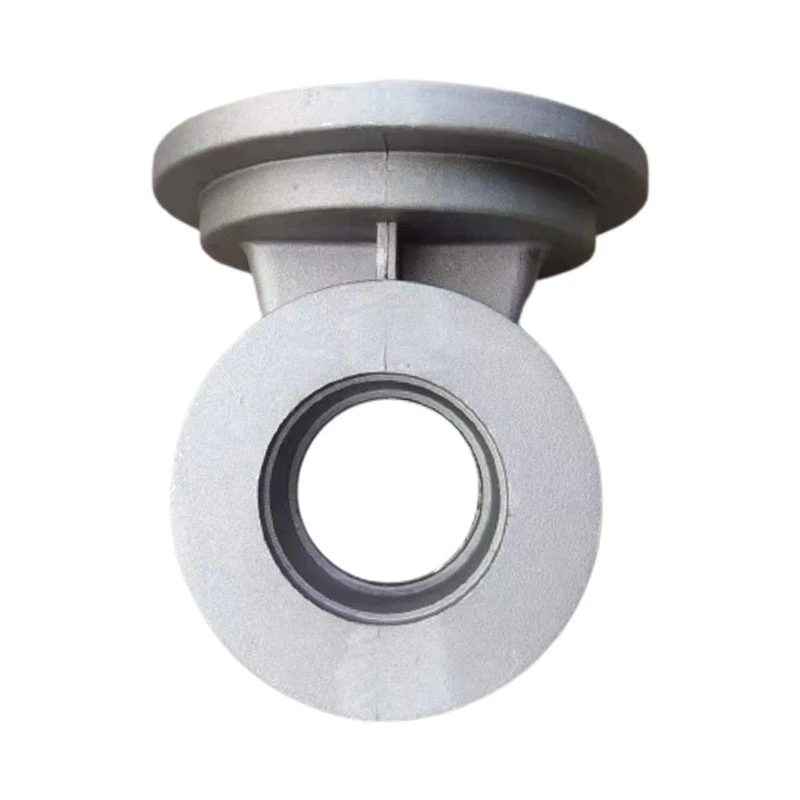
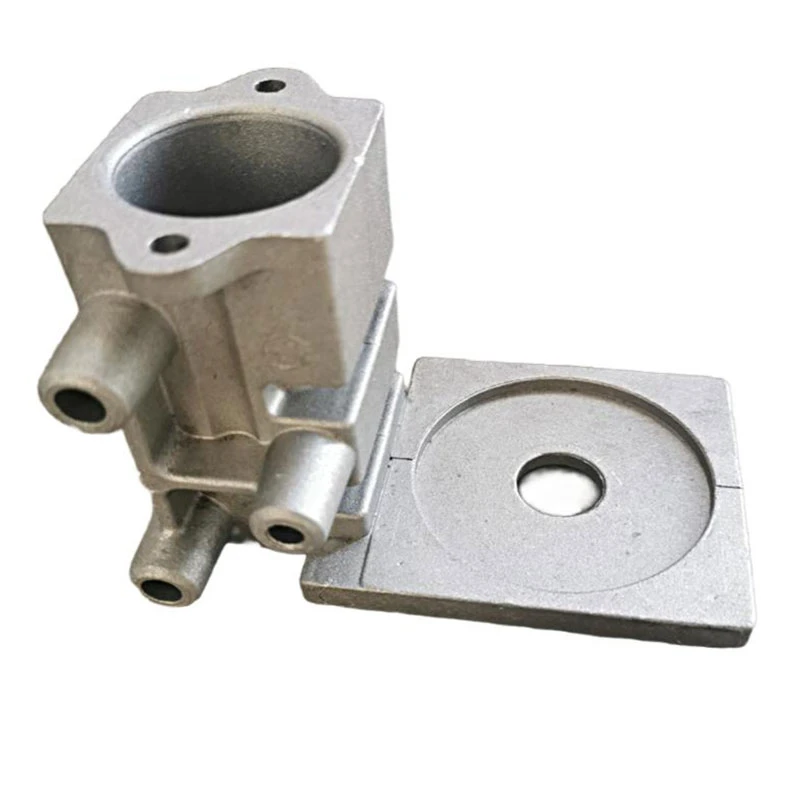
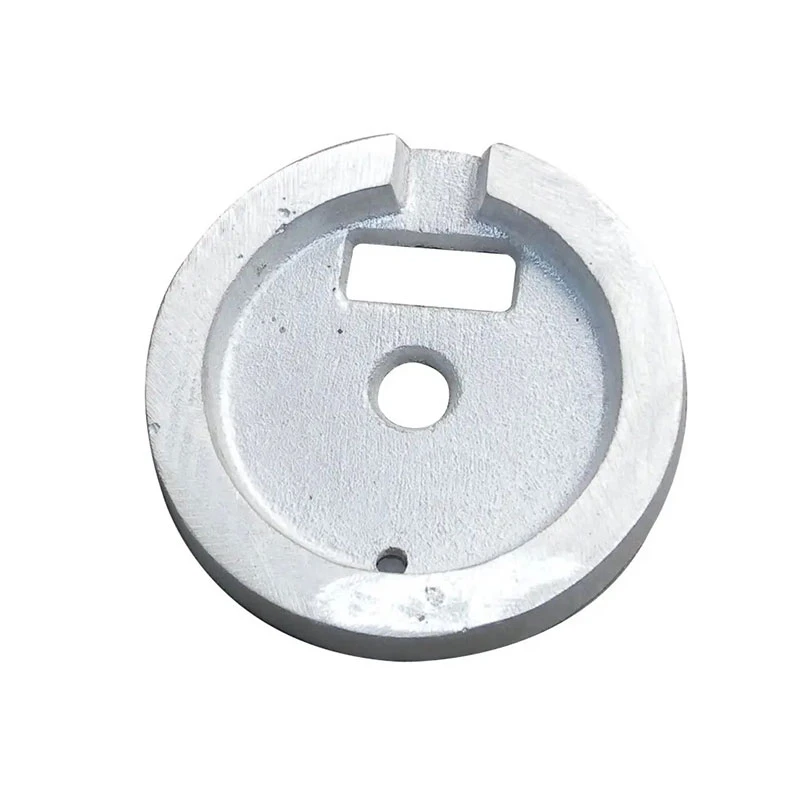
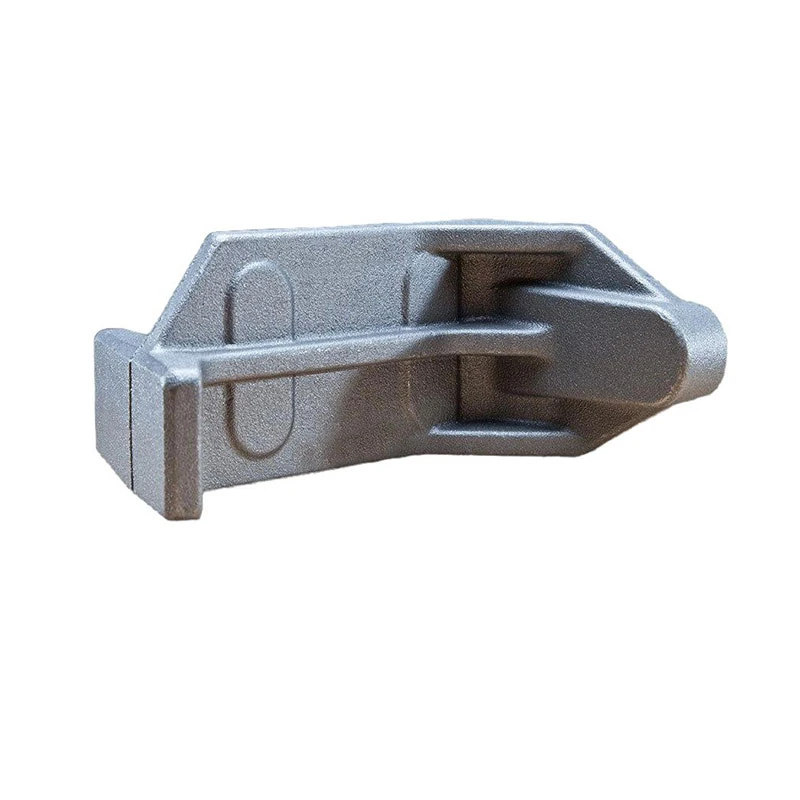
Precision casting processes, often dubbed as “investment casting” or “lost-wax casting,” are manufacturing techniques that create complex, highly detailed metal parts with exacting tolerances. Globally, these processes play a crucial role in industries ranging from aerospace to medical devices, automotive to energy sectors. Understanding these methods unlocks benefits such as material efficiency, superior surface finishes, and reliability in critical components — factors that can't be overlooked, especially when safety and durability are paramount.
In a world that's increasingly pushing the limits of engineering, manufacturing quality parts consistently at scale isn’t just a technical feat — it’s a competitive necessity. Plus, the precise nature of these casting methods supports environmental sustainability by reducing waste. For companies aiming to innovate while keeping costs under control, this is a hot topic.
The Global Landscape of Precision Casting
The demand for precision casting techniques is soaring worldwide — according to the International Organization for Standardization (ISO), quality assurance standards in casting continue to evolve, pushing manufacturers to adopt precise, repeatable processes. Globally, the precision casting market is expected to grow at a CAGR of roughly 6% over the next five years, driven mainly by increasing requirements in aerospace, defense, and automotive sectors.
Why does this matter? Well, as manufacturing hubs shift and supply chains become more complex, the ability to produce accurate parts on time and on cost becomes a critical hurdle. Precision casting helps solve this by minimizing rework, reducing material consumption, and ensuring parts function as planned — thereby reducing downtime in industries where failure simply isn’t an option.
There’s also the challenge of environmental regulations, pushing the industry towards cleaner, more energy-efficient processes. So, this isn’t just about metal, but about how we approach manufacturing sustainably across continents.
What Exactly Are Precision Casting Processes?
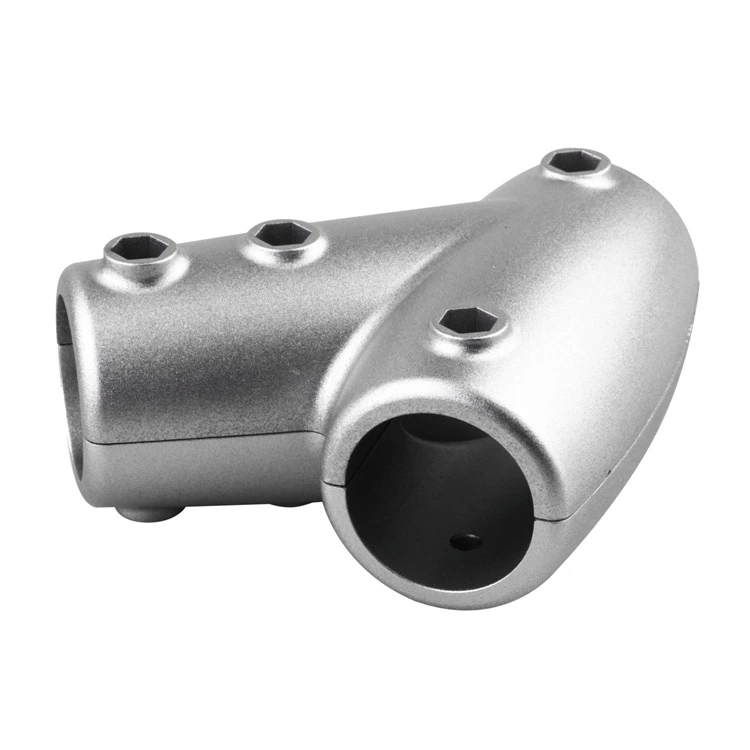
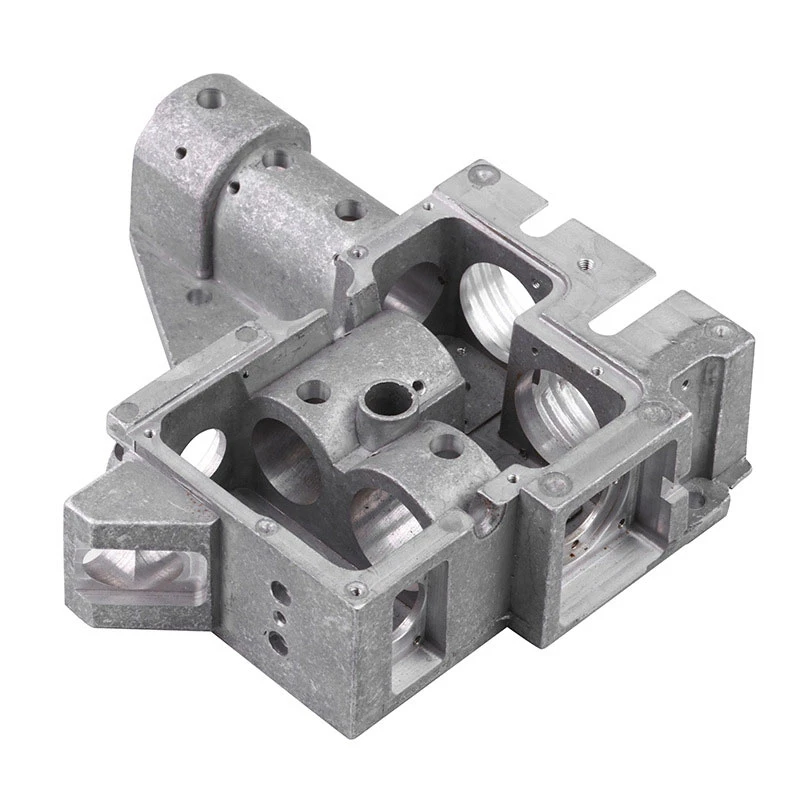
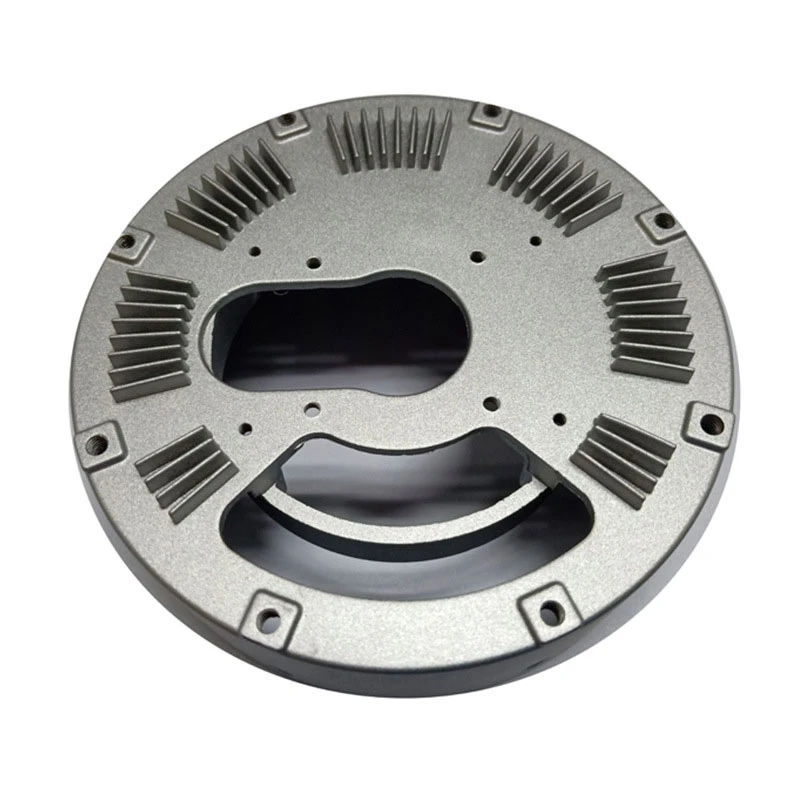
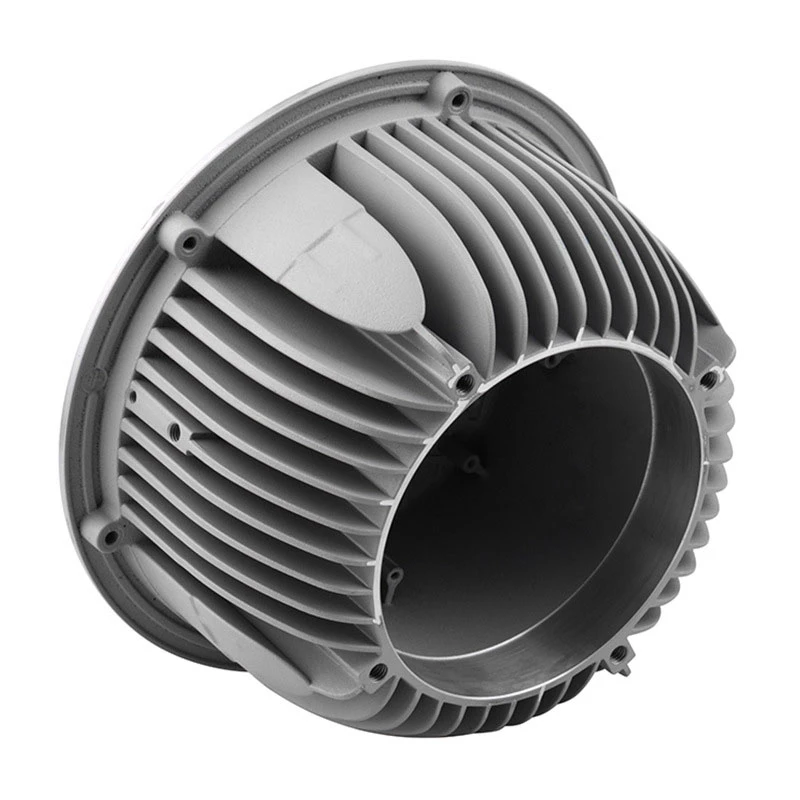
At its core, precision casting involves creating a wax or polymer model of the desired shape, encasing it in a ceramic shell, then melting the model away — hence “lost wax.” Molten metal is poured into the ceramic mold, allowed to cool, and finally the shell is broken away to reveal the intricately shaped metal part. This method allows for the creation of components that are difficult or impossible to make with conventional casting or machining.
Because the process can accommodate diverse alloys — stainless steel, superalloys, titanium — it fits neatly into modern manufacturing’s push toward more tailored, high-performance materials. It’s not just about making something shiny and complex; it’s about addressing needs in medical implants, jet engine turbines, or even sophisticated surgical tools.
Core Aspects of Precision Casting Processes
Dimensional Accuracy
One of the biggest draws is the dimensional precision — many cast parts need minimal machining afterward. This accuracy reduces assembly time and guarantees part interchangeability, essential for industries like aerospace where every micron counts.
Material Versatility
Precision casting supports a wide range of metals and alloys, many with special heat-resistance or corrosion-proof qualities. This adaptability allows manufacturers to choose the best material for both performance and cost.
Surface Finish Quality
The process produces smooth surfaces that, interestingly enough, often require less post-processing. This saves labor, cuts costs, and delivers parts ready to go into service faster.
Repeatability and Scalability
Thanks to controlled mold making and process automation, producing multiple identical parts is quite achievable, making it practical for small batch prototypes all the way to large-scale production runs.
Cost Efficiency in Complex Designs
For intricate geometries where machining would be costly or impossible, precision casting offers an economical alternative — particularly when factoring in the reduced waste and time savings.
Where Precision Casting Really Shines: Global Applications
Across continents and industries, precision casting forms the backbone of critical components. For instance:
- Aerospace hubs in North America and Europe rely on precision casting for jet engine parts that withstand extreme temperatures.
- Medical device manufacturers in Japan and Germany produce implants and surgical tools with high precision and biocompatibility.
- Automotive plants in China and South Korea increasingly use these processes to produce engine components and turbochargers.
- Energy sectors, especially renewable wind turbine manufacturers, employ precision casting to make durable, complex turbine components.
In humanitarian contexts — say, infrastructure rebuilding after natural disasters — precision-cast parts ensure machinery and vehicles are reliable despite harsh conditions, helping communities get back on their feet faster.
Product Specification Table for a Typical Precision Casting Process
| Specification | Typical Range/Value |
|---|---|
| Dimensional Tolerance | ±0.1 mm to ±0.5 mm |
| Maximum Casting Size | Up to 3 meters (depending on foundry) |
| Material Options | Steel, aluminum, titanium, nickel alloys, cobalt chrome |
| Surface Finish (Ra) | 0.8 - 3.2 µm |
| Production Volume | Single units to thousands |
| Lead Time | 4–12 weeks |
Comparing Top Vendors of Precision Casting Services
| Vendor | Material Expertise | Typical Lead Time | Specialization | Sustainability Practices |
|---|---|---|---|---|
| Foundry A | Nickel & titanium alloys | 6 weeks | Aerospace components | Uses renewable energy, recycling molds |
| Foundry B | Steel & aluminum | 8 weeks | Automotive turbochargers | Certified ISO 14001 environmental management |
| Foundry C | Cobalt chrome & stainless steel | 4 weeks (rush option available) | Medical implants | Zero waste recycling initiatives |
Why Are Precision Casting Processes Worth It in the Long Run?
The advantages are pretty obvious, yet still worth a reminder. Cost savings come not just from less waste; it’s the reduced need for machining, fewer rejected parts, and faster time-to-market. Sustainability is becoming a major driver too — less scrap metal means lower environmental impact, which adds up.
On a human level, imagine parts in an aircraft engine that have to work perfectly every time. Precision casting gives engineers the confidence that components won’t fail unexpectedly, ensuring passenger safety. There’s a sense of trust embedded in these parts — a trust in the process and materials that I think everyone in manufacturing values deeply.
Innovation and the Future of Precision Casting
The future promises intriguing new frontiers. Digital transformation, such as integrating precision casting processes with 3D printing technologies, is reducing lead times even more. Advanced materials are on the horizon — think metal matrix composites or novel superalloys tailored at the atomic level.
Automation is improving consistency and reducing human error, while “green casting” initiatives aim to use less energy and recycle ceramic shells. It feels like a perfect storm of technology and sustainability, pushing the industry forward in ways that will surprise even seasoned engineers.
What Makes Precision Casting Challenging (and How We Solve It)
It’s not all smooth sailing. The upfront cost of developing molds and tooling can be high, which discourages some small manufacturers. Also, certain alloys require high-temperature melts that can be tricky to handle. Still, advancements in mold materials and automated quality testing are helping to lower these barriers.
Skilled labor is crucial — oddly enough, even the best equipment can’t replace experience when it comes to spotting defects early. Investing in workforce training and robust process controls is one way the industry is tackling these challenges, ensuring the reliability that end-users demand.
FAQ: Your Questions About Precision Casting Processes
What materials can be used in precision casting?
Precision casting supports a wide range of metals, including stainless steel, aluminum, titanium, nickel, and cobalt-based superalloys. The choice depends on your application’s strength, corrosion resistance, and thermal requirements.
How long does it take to complete a precision cast part?
Lead times generally range between 4 and 12 weeks, depending on part complexity, quantity, and the foundry’s workload. Rapid prototyping options are available at some suppliers to speed this up.
Is precision casting suitable for small production runs?
Yes, it's especially useful for small to medium runs when parts are too complex or delicate for machining but still require high accuracy and quality control.
How environmentally friendly is the precision casting process?
The process reduces material waste significantly compared to other metal fabrication methods. Newer foundries also use recycled shell materials and renewable energy, making it increasingly sustainable.
Can I get custom parts through precision casting?
Absolutely. Custom molds can be created to your exact specifications, allowing for intricate shapes and tailored material properties. This flexibility is a major reason many design engineers prefer it.
Conclusion: Why Precision Casting Is a Wise Investment
To wrap it all up, precision casting processes aren’t just about making parts — they’re about enabling innovation, safety, sustainability, and economic efficiency on a global scale. Whether you’re in aerospace, automotive, medical, or energy, understanding how this versatile process fits into your supply chain might just give you the edge you need.
So if you’re curious, or need complex components done right, take a moment to explore companies specializing in these methods. For detailed insights and service options, visit our website: https://www.hairunsourcing.com.
Thanks for sticking with me through this deep dive into precision casting — it’s the kind of topic that quietly shapes so much of what we rely on daily, yet rarely gets its moment in the spotlight.
References
-
Comprehensive Guide to Automotive Die Casting for Enhanced Vehicle PerformanceNewsJan.27,2026
-
Comprehensive Guide to Aluminum Pressure Die Casting Manufacturing ProcessesNewsJan.27,2026
-
Hot Chamber Die Casting vs Cold Chamber Die Casting ExplainedNewsJan.06,2026
-
Hot Chamber And Cold Chamber Die Casting Solutions for Industrial Applications | Hairun SourcingNewsJan.06,2026
-
Hot and Cold Chamber Die Casting: Key Insights from Industry ExpertsNewsJan.06,2026
-
Comprehensive Guide on Graphite Die Casting for B2B Manufacturing | HairunSourcingNewsJan.05,2026