


Nov . 28, 2025 16:30
Back to list
Precision Casting Solutions: Global Impact, Applications & Future Trends
Understanding Precision Casting Solutions: Why They Matter Globally
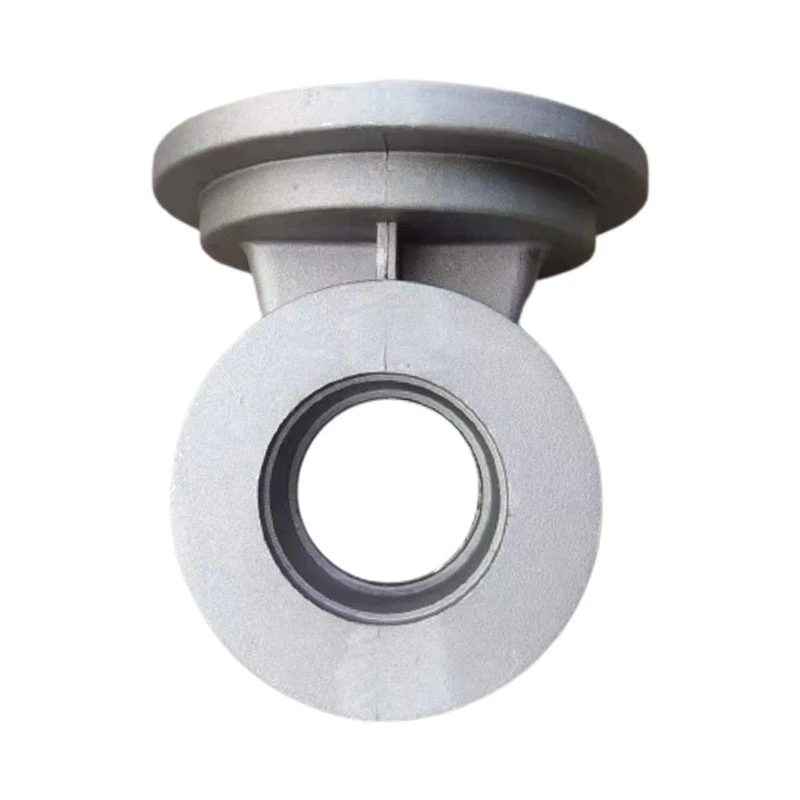
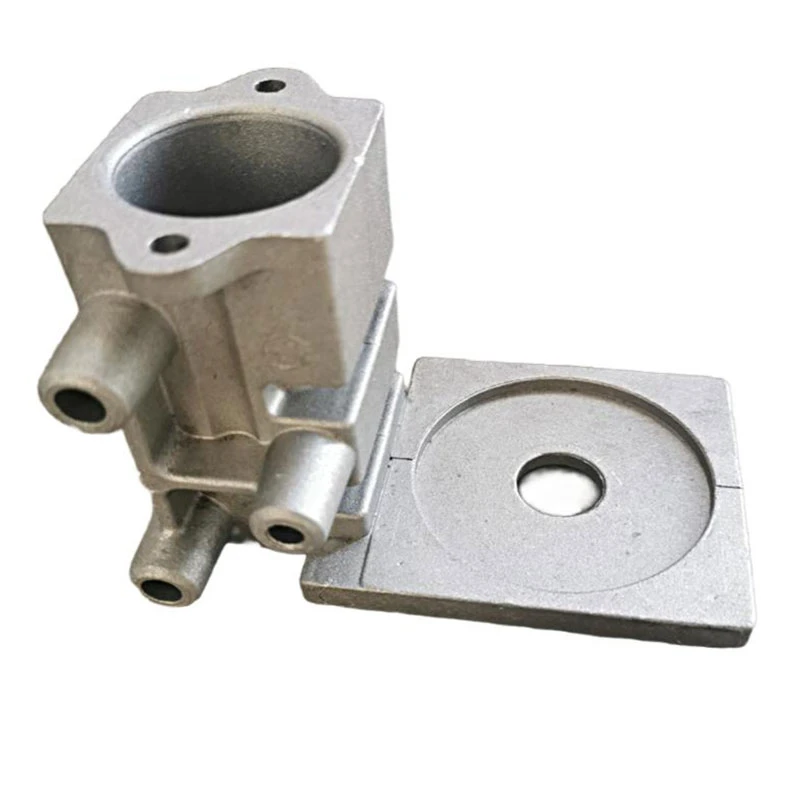
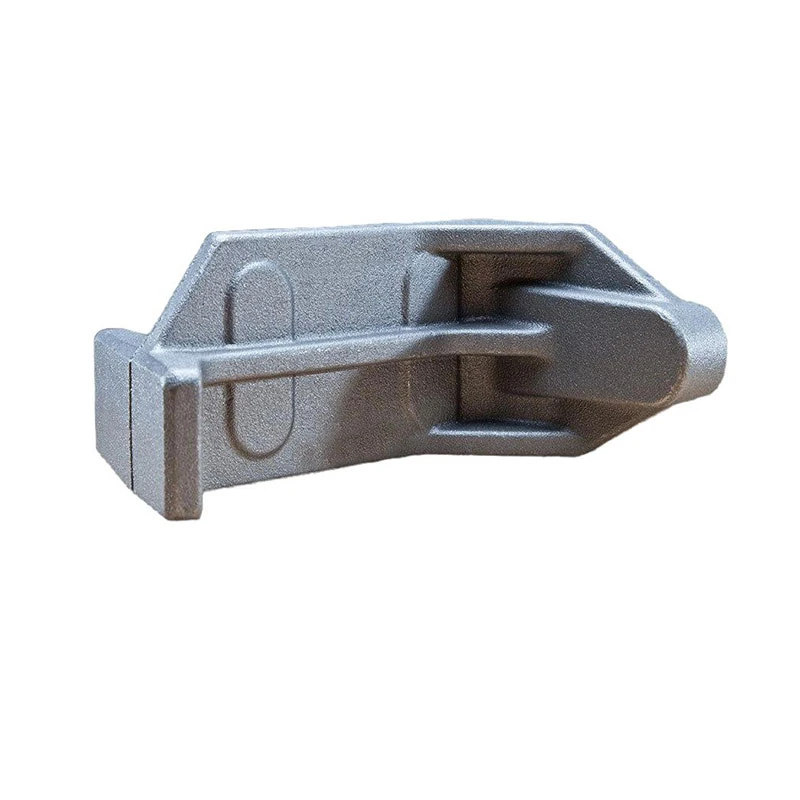
Precision casting solutions often sound like something only engineers and factory pros care about — but frankly, their impact stretches far beyond dusty workshops and into global industry, infrastructure, and humanitarian efforts. At their core, these are techniques that allow manufacturers to produce complex metal parts with remarkable accuracy and durability, minimizing waste and maximizing performance. In a world increasingly focused on sustainability, efficiency, and innovation, understanding precision casting solutions means appreciating how vital components in everything from aerospace to medical devices come into being. And beyond industry? They help drive the economies of emerging markets and even support disaster relief by enabling rapid production of critical machine parts. So whether you’re an industry insider or simply curious about modern manufacturing, diving into precision casting solutions reveals a cornerstone of today's industrial revolution. Mini takeaway: Precision casting solutions are quietly at the heart of global manufacturing, powering industries and infrastructures that shape our lives.The Global Context: Why Precision Casting Solutions Are More Relevant Than Ever
Globally, manufacturing accounts for about 16% of the world’s GDP, according to the World Bank, with metal products being a substantial chunk of that. Within this, precision casting is a niche but critical technique, helping manufacturers comply with stringent ISO standards while meeting demand for highly detailed, durable parts. Asian markets alone, particularly China and India, have seen annual growth rates upward of 8% in precision metal casting sectors — a trend mirroring the region’s industrialization. Yet, a big challenge remains: manufacturers worldwide often face pressure to reduce waste and carbon footprints amid supply chain disruptions. Precision casting solutions respond by improving material efficiency — think less scrap metal and fewer faulty parts — thereby cracking the code on sustainability and cost control simultaneously. Plus, as climate-related disruptions grow, the ability to rapidly produce custom replacements for damaged machinery parts takes on an unexpected humanitarian aspect, supporting infrastructure stability in vulnerable regions. Mini takeaway: As industries modernize and sustainability becomes a mandate, precision casting solutions bridge the gap between efficiency and environmental responsibility.What Exactly Are Precision Casting Solutions?
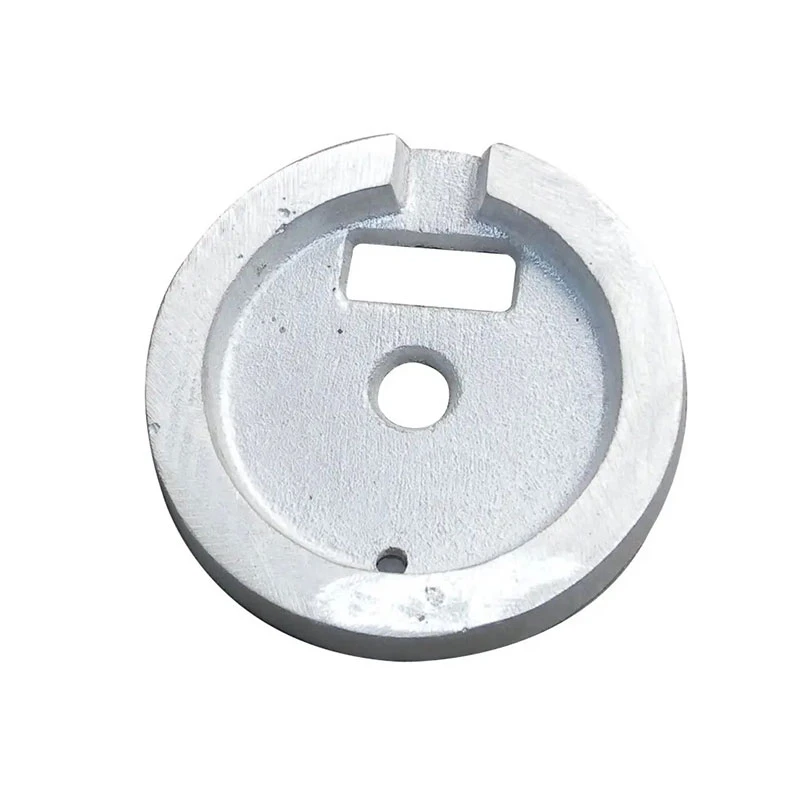
In simple terms, precision casting refers to a process—often called investment casting or lost wax casting—where molten metal is poured into a mold created from a wax pattern. The wax melts away, leaving a cavity exactly shaped to produce parts with tight tolerances and fine surface finish. Why is this important? Because many modern machines, whether jet engines or surgical tools, demand parts that are not just strong but precisely shaped at microscopic levels. Precision casting solutions enable these parts to be produced en masse without compromising quality, offering a unique combination of customization, accuracy, and scalability. Oddly enough, it’s also linked to humanitarian needs. For example, in remote repair operations, precision-cast components can be customized and made quickly to maintain water pumps or medical equipment—things that suddenly become critical after disasters. Mini takeaway: Precision casting blends traditional craftsmanship with high-tech demands, forming the backbone of countless engineered productsKey Components That Make Precision Casting Solutions Work
1. Durability and Material Selection
Precision casting employs metals like stainless steel, cobalt alloys, and superalloys that can withstand extreme heat, wear, or corrosion. This matters especially in aerospace or energy sectors where failures mean catastrophe.2. Scalability and Flexibility
Unlike die casting or forging that require costly molds, precision casting’s wax-based patterns can be modified quickly, allowing for low-volume runs or custom parts without breaking the bank. This flexibility makes it invaluable in prototyping and specialized repairs.3. Cost Efficiency Despite Complexity
While the upfront cost of the casting process is higher than some mass production methods, its ability to reduce machining, trimming, and waste makes it cheaper for complex parts in the long run.4. Surface Finish and Tolerance
Fine details and smooth surfaces minimize the need for additional processing—important for producing parts that meet aerospace or medical-grade tolerances.5. Integration with Digital Workflow
Modern precision casting solutions increasingly involve CAD designs and 3D-printed wax patterns, expediting lead times and improving accuracy. Mini takeaway: Durability, adaptability, and precision combine in this technology to meet industry’s diverse and exacting demands.Global Applications and Real-World Use Cases
Industries worldwide embrace precision casting solutions: aerospace manufacturers in Europe rely on them for turbine blades; automotive firms in North America produce specialty gears and engine components; meanwhile, Asian power plants use them for valve components and pump parts. Humanitarian organizations working in disaster-prone zones also value these solutions for quick, on-demand parts manufacturing to restore critical infrastructure. Take, for instance, a recent post-earthquake operation in Southeast Asia where precision-cast parts for water treatment plants were rapidly fabricated to replace broken valves, enabling clean water access within weeks. Or think about remote mining operations in Africa that depend on durable, custom precision-cast replacement parts to keep their equipment running smoothly without costly delays. Mini takeaway: Precision casting is truly global, touching aerospace hubs, automotive centers, and even frontline humanitarian relief efforts.Advantages and Long-Term Value of Precision Casting Solutions
- Cost Savings: Reduced material waste and less machining translate into clear budget benefits. - Environmental Impact: Less scrap and more efficient energy use help industries shrink their carbon footprint. - Reliability & Safety: Parts crafted to precise standards mean fewer failures and safer equipment operation. - Innovation Potential: Custom castings enable rapid prototyping and product iterations. - Social Impact: In humanitarian contexts, reliable equipment parts promote community resilience and dignity. Frankly, it’s this blend of logical efficiency and real human value that makes precision casting solutions particularly compelling in today’s complex world.Product Specification Table: Typical Precision Casting Alloy Part
| Specification | Detail |
|---|---|
| Material | Inconel 718 (Nickel-based superalloy) |
| Max Size | 500 mm length |
| Surface Finish | Ra 1.6 µm |
| Dimensional Tolerance | ±0.1 mm |
| Heat Treatment | Solution annealed, aged |
| Application | Turbine blades, aerospace |
Comparing Precision Casting Vendors: What to Look For
| Feature | Vendor A | Vendor B | Vendor C |
|---|---|---|---|
| Material Range | Wide (Steels, Alloys) | Specialized (Nickel alloys) | Standard metals only |
| Lead Time | 4 weeks | 3 weeks | 6 weeks |
| Custom Pattern Capability | Yes (3D printing) | Limited | No |
| ISO Certifications | ISO 9001, AS9100 | ISO 9001 | None |
| Global Shipping | Yes | Yes | No |
| After-Sales Support | Dedicated technical team | Standard response | Minimal |
Looking Ahead: Innovations and Future Trends in Precision Casting
Automation and digital design are reshaping precision casting solutions: I noticed factories now use AI to predict defects before casting even begins, saving countless hours. Materials science is pushing boundaries too, with new superalloys promising better performance while being more eco-friendly. Meanwhile, additive manufacturing blends with casting processes to create hybrid parts previously impossible to fabricate. Sustainability is also driving policy shifts; stricter ISO environmental controls encourage manufacturers to adopt greener practices, including energy recovery during casting. It feels like the next decade will reward businesses that embrace digital transformation and circular economy principles alongside technical excellence. Mini takeaway: The future of precision casting lies at the crossroads of smart tech, advanced materials, and a greener industrial ethos.Common Challenges and How Industry is Tackling Them
Precision casting isn’t without hurdles—things like porosity in castings, long lead times, or limits on part size can frustrate engineers. But clever innovations help. For example, vacuum casting reduces oxidation, and 3D-printed molds accelerate pattern making. Supply chain disruptions have pushed manufacturers to localize production, decreasing reliance on distant providers. Also, training skilled workers remains a staple challenge, but many firms are now partnering with technical schools and using VR for safer, experiential learning. So while these challenges persist, the industry is innovating hard to keep pace, and frankly that’s exciting if you’re into advancing manufacturing.FAQ: Common Questions About Precision Casting Solutions
- Q: How does precision casting differ from sand casting?
A: Precision casting typically uses wax patterns and provides finer detail, better surface finish, and tighter tolerances than sand casting, which is more suitable for large, less detailed parts. - Q: Are precision cast components suitable for high-temperature environments?
A: Absolutely. Metals like superalloys used in precision casting can tolerate extremely high temperatures, making them ideal for aerospace and power generation parts. - Q: Can custom precision cast parts be produced in small batches?
A: Yes, precision casting is well-suited for small to medium volumes, especially with rapid pattern production methods like 3D printing. - Q: How do I choose the right vendor for precision casting?
A: Look for certifications (ISO 9001 or AS9100), material capabilities, lead time flexibility, and after-sales technical support to ensure reliability. - Q: Is precision casting environmentally friendly?
A: Compared to many traditional metal shaping methods, precision casting produces less waste and energy consumption, making it a greener option overall.
Conclusion
Precision casting solutions blend artistry and technology in a way few manufacturing processes can. They ensure complex, durable parts come to life efficiently and sustainably—touching vital sectors and even humanitarian efforts worldwide. Understanding and investing in these solutions now prepares companies and communities for a resilient, innovative future. To explore how precision casting can transform your projects, visit precision casting solutions and connect with experts who can tailor solutions to your unique needs. --- References: 1. World Bank manufacturing data, 20232. ISO standards overview, iso.org
3. Wikipedia: Investment casting
Latest news
-
Comprehensive Guide to Automotive Die Casting for Enhanced Vehicle PerformanceNewsJan.27,2026
-
Comprehensive Guide to Aluminum Pressure Die Casting Manufacturing ProcessesNewsJan.27,2026
-
Hot Chamber Die Casting vs Cold Chamber Die Casting ExplainedNewsJan.06,2026
-
Hot Chamber And Cold Chamber Die Casting Solutions for Industrial Applications | Hairun SourcingNewsJan.06,2026
-
Hot and Cold Chamber Die Casting: Key Insights from Industry ExpertsNewsJan.06,2026
-
Comprehensive Guide on Graphite Die Casting for B2B Manufacturing | HairunSourcingNewsJan.05,2026