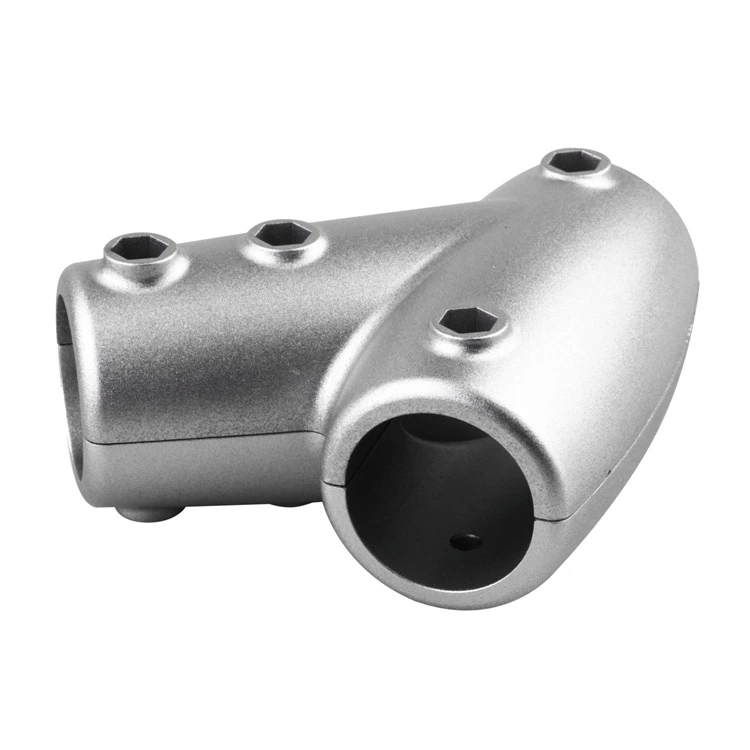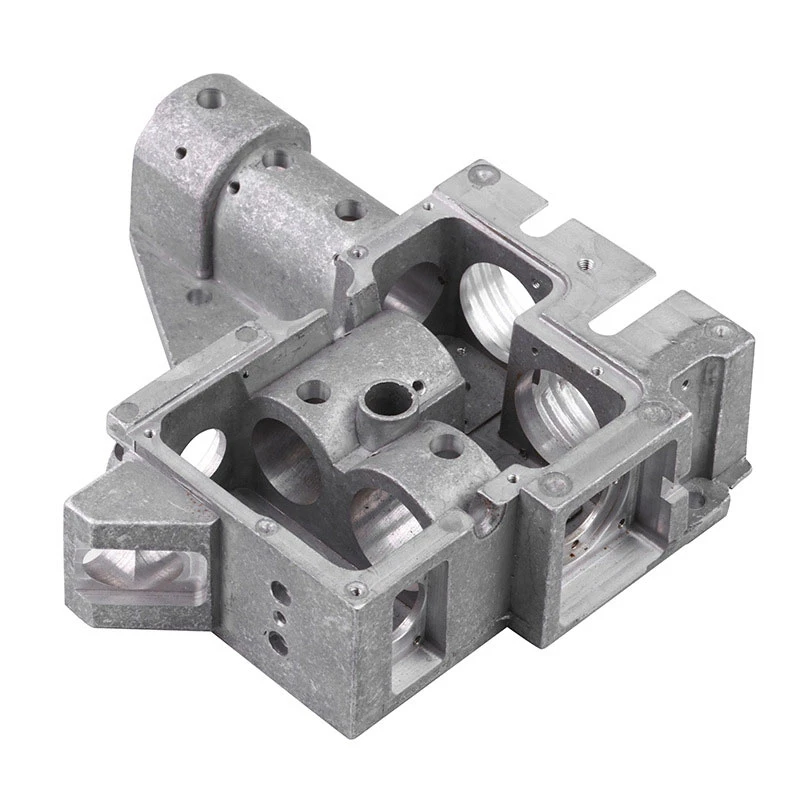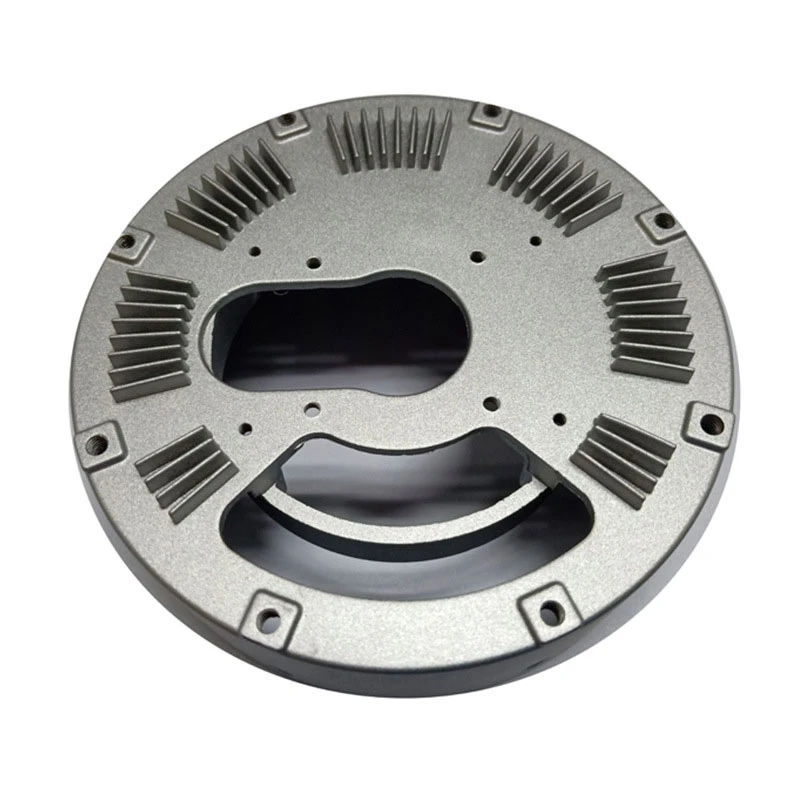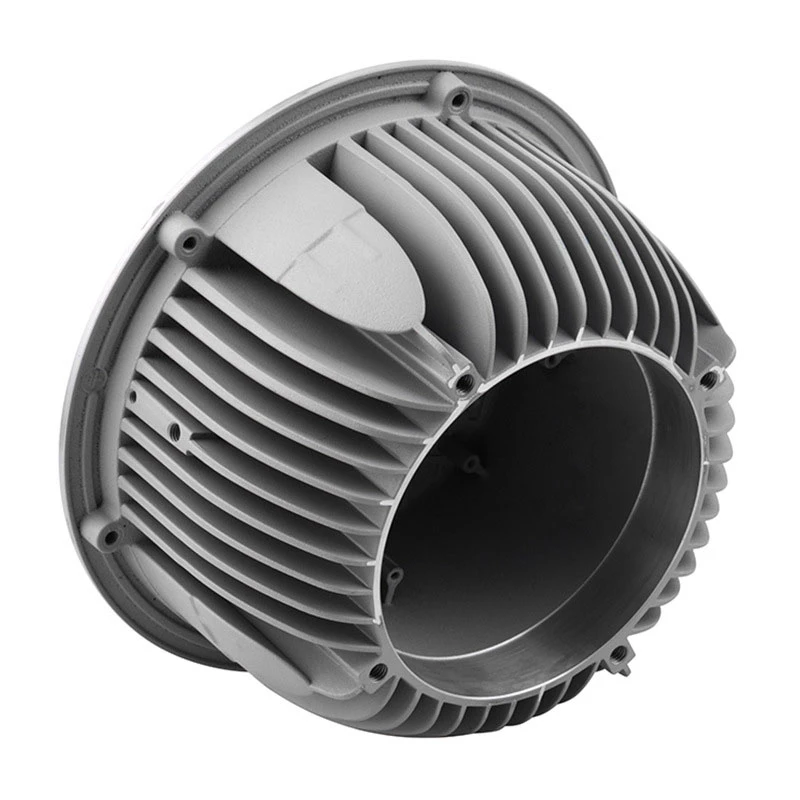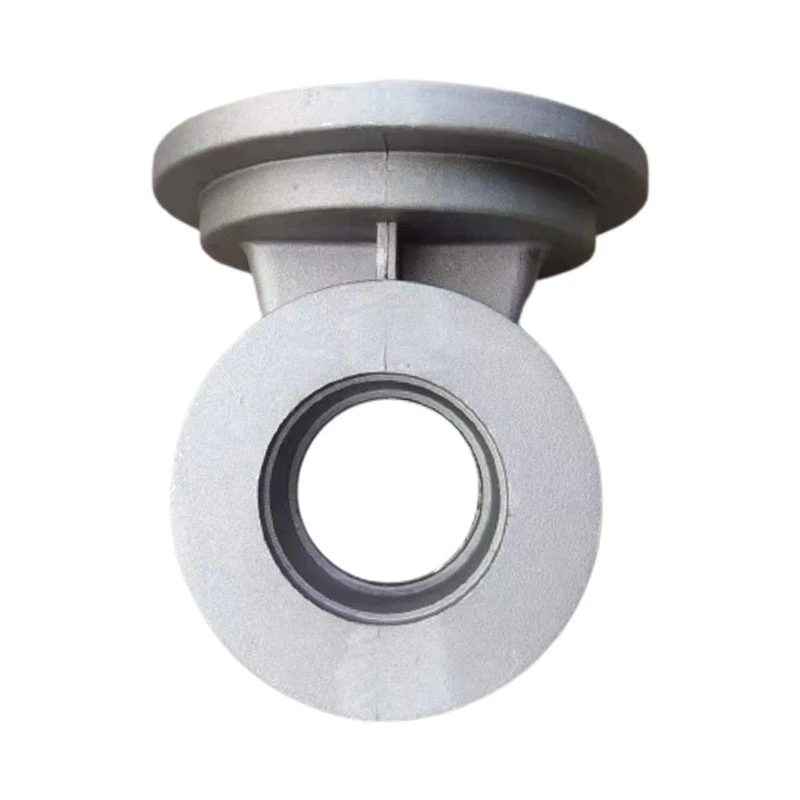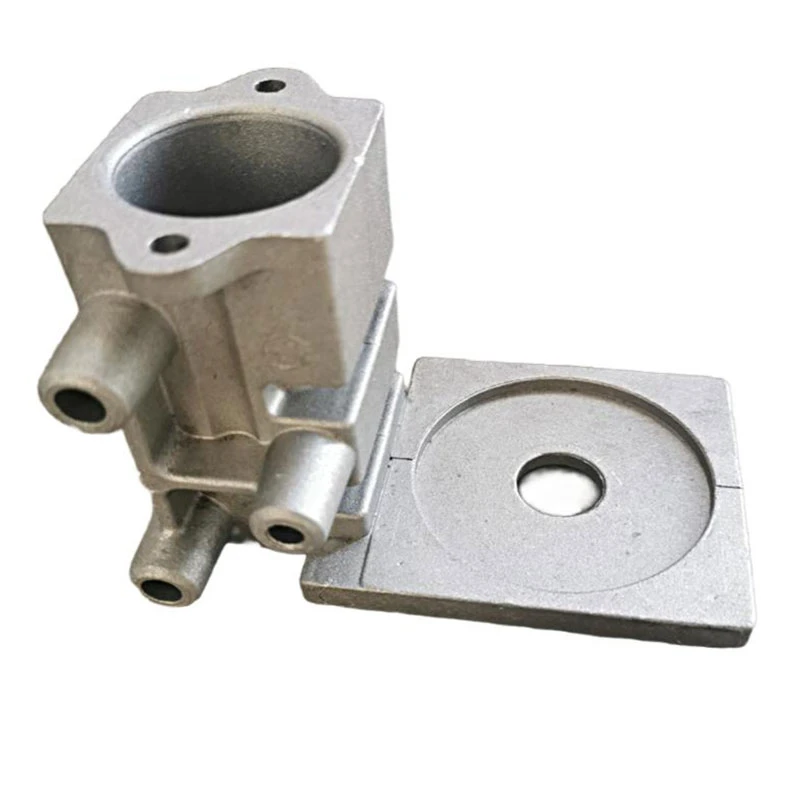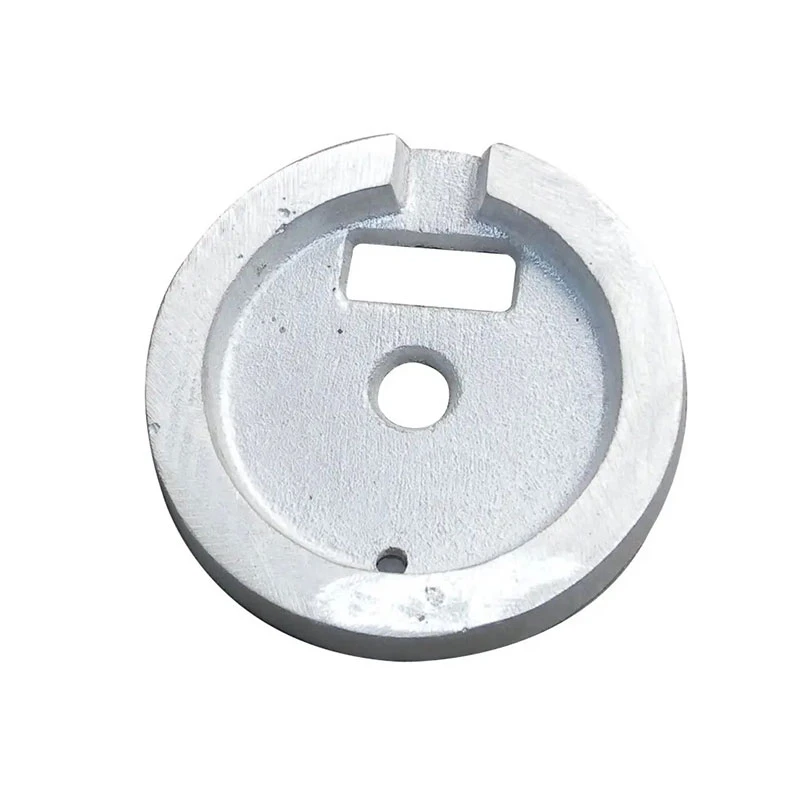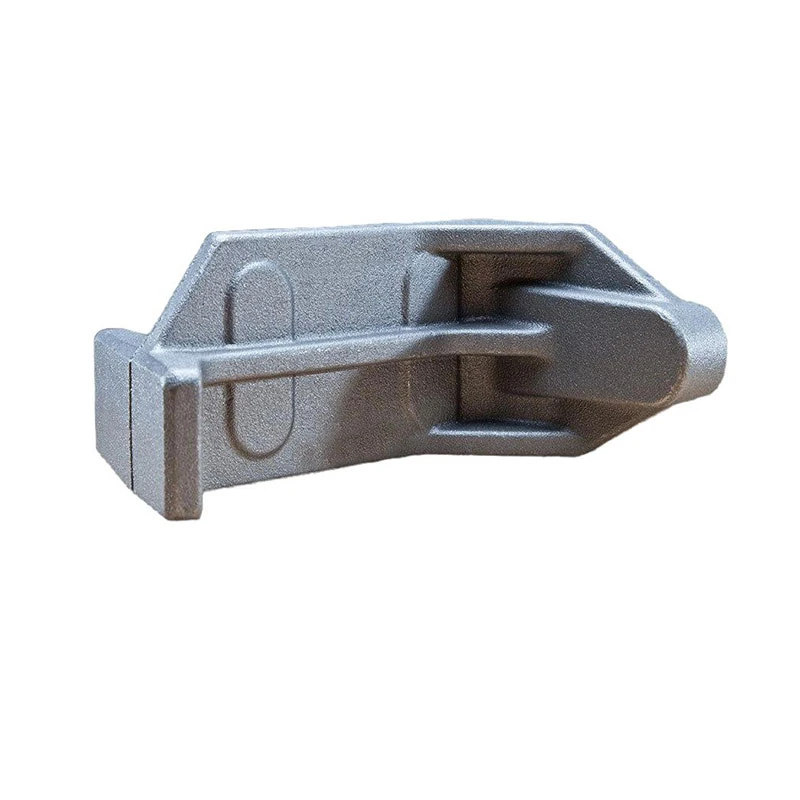



Understanding Die Casting Cost: Global Significance, Key Factors, and Innovations
Understanding Die Casting Cost: Key Insights into an Essential Manufacturing Metric
Die casting cost – it’s a term that might sound a bit dry at first, but frankly, it’s a cornerstone metric in manufacturing industries worldwide. Whether you’re designing consumer electronics, automotive parts, or even aerospace components, understanding die casting cost can make a substantial difference in product pricing, quality, and supply chain decisions. The global economy hinges on precise, cost-effective manufacturing processes, and die casting is one of those methods that continually evolves to meet those demands.
Global Context: Why Die Casting Cost Matters More Than Ever
The global die casting market is projected to grow steadily, driven by increasing demand in automotive, consumer goods, and industrial sectors. According to the International Organization for Standardization (ISO), metal casting represents one of the most energy-intensive parts of manufacturing, which influences cost structures quite heavily. Plus, the World Bank notes rising labor and raw material costs in key producing countries – China, India, and the US – which impact overall die casting costs worldwide.
But here’s the wrinkle: companies face pressure to reduce costs while improving product durability and environmental footprint. So the challenge isn’t just about the bottom line but balancing quality, sustainability, and scalability — that’s where strategic understanding of die casting cost helps.
Defining Die Casting Cost in Plain Terms
So, what exactly is die casting cost? Simply put, it’s the total expense involved in producing metal parts using the die casting process. This includes raw materials (usually aluminum, zinc, or magnesium alloys), labor, machine operation, tooling, energy consumption, and finishing services like trimming or coating.
Given how die casting is favored for creating complex shapes with tight tolerances quickly, it directly feeds into modern industry's push towards faster, cheaper, and lighter components — all of which are vital in sectors ranging from automotive to humanitarian aid equipment.
Key Components Influencing Die Casting Cost
1. Material Selection
The choice of metal alloy hugely impacts cost — aluminum is lightweight and relatively affordable, while zinc is cheaper but heavier. Magnesium, though less common, offers excellent strength-to-weight ratios but comes at a price.
2. Tooling and Mold Design
Die casting molds aren’t cheap. Designing precision molds that last long minimizes cost per part. Mold lifespan and maintenance frequency can sway cost efficiency greatly.
3. Production Volume and Scalability
High-volume production typically lowers per-part costs due to economies of scale. But for low volumes, setup and tooling amortization can make prices spike.
4. Machine and Labor Costs
Skilled operators, machine maintenance, and energy consumption add to overheads. Automation can reduce labor, but upfront tech investments also count.
5. Post-Processing
Finishing steps like deburring, heat treatment, or coating affect cost and final product quality.
Mini Takeaway:
Understanding these core facets helps businesses predict, control, and optimize die casting cost, ensuring product competitiveness without compromising quality.
Product Specification Table: Typical Die Casting Parameters
| Parameter | Typical Values | Remarks |
|---|---|---|
| Material | Aluminum, Zinc, Magnesium | Material choice drives cost & properties |
| Mold Lifespan | 50,000 to 1,000,000 cycles | Longer life = lower amortized costs |
| Cycle Time | 15 to 60 seconds | Faster = higher throughput, better cost efficiency |
| Typical Part Weight | 5g to 10kg | Varies widely by application |
| Labor | Low to medium | Automation reduces human input |
Global Applications and Use Cases
Die casting cost isn't just an abstract concept. It’s very real in places like the automotive hubs of Germany and Japan, the consumer electronics factories of South Korea, and even in humanitarian technology sectors. For instance, NGOs deploying durable medical devices in remote rural clinics require cost-effective die cast parts that stand up to harsh climates. Similarly, manufacturers in Mexico and Eastern Europe rely on precise die casting to sustain automotive supply chains that compete globally.
Oddly enough, I recently read about how emergency shelter components are also increasingly using die-cast aluminum for its lightweight yet sturdy character, cutting down die casting cost while improving transport efficiency.
Vendor Comparison Table: Die Casting Providers at a Glance
| Vendor | Materials Offered | Typical Volume | Geographic Reach | Estimated Cost Range |
|---|---|---|---|---|
| Alpha Castings Ltd. | Aluminum, Zinc | 10,000+ pieces/month | Europe, Asia | $0.50–$5 per part |
| Beta Metals Inc. | Magnesium, Aluminum | 5,000–20,000 pieces/month | North America | $1–$8 per part |
| Gamma Diecast Solutions | Zinc, Aluminum | 2,000+ pieces/month | Global | $0.75–$6 per part |
Advantages and Long-Term Value of Managing Die Casting Costs
When you nail down die casting costs effectively, the payoff is huge: products become more affordable, reliable, and sustainable. For manufacturers, it means building customer trust through consistency and innovation. For consumers and organizations, it translates into safer, more durable goods that can withstand years of wear and tear.
Plus, from a sustainability perspective, lowering die casting cost often aligns with reducing waste, cutting energy consumption, and using eco-friendlier alloys — all of which chalk up to a socially responsible production chain.
Emerging Trends and Innovations in Die Casting Cost
Frankly, automation is a game-changer here. Robotics and AI-guided machines optimize cycle times, reduce human error, and monitor energy use tightly, bringing down costs. Green initiatives are pushing for bio-based lubricants and recyclable alloys, nudging the industry towards more sustainable die casting methods.
Digital twin technology also allows engineers to simulate molds and production sequences before physical manufacturing, saving money on trial-and-error tooling.
Challenges in Controlling Die Casting Cost and Solutions
It’s not all roses though. Equipment maintenance can be unexpectedly pricey, and metal price volatility can throw budgets off track. Sometimes, the upfront cost of high-tech automation or specialty alloys deters smaller manufacturers.
The solution? Carefully balancing upfront investments with projected volume and lifecycle costs. Collaborating with knowledgeable vendors who can tailor processes is vital—as is ongoing investment in staff training and energy efficiency.
Frequently Asked Questions About Die Casting Cost
- What factors most affect die casting cost per part?
Typically, factors include material choice, part complexity, production volume, and cycle time. Tooling amortization is also significant—higher volumes spread tooling costs thinner. - Is die casting cost scalable for low-volume production?
It can be challenging since the setup and tooling costs are fixed, but recent advances in modular molds and rapid prototyping help lower initial expenses. - How do material choices impact die casting cost?
Aluminum alloys cost more than zinc or magnesium but offer better weight savings and corrosion resistance — so it depends on application priorities. - Can die casting be made more sustainable without raising costs?
Yes, using recycled metals and energy-efficient machinery can reduce environmental impact while keeping costs steady or even lowering them long-term.
Conclusion: Unlocking Value by Understanding Die Casting Cost
In the complex puzzle of manufacturing, die casting cost remains a pivotal piece that directly influences everything from product durability to environmental impact. It affects how companies price their goods, innovate their designs, and serve customers globally. A focused approach that considers materials, tooling, and automation can help manage these costs wisely.
If you're looking to deepen your understanding or need advice on optimizing your die casting strategy, feel free to visit https://www.hairunsourcing.com for more insights and support.
Thanks for reading—keeping an eye on die casting costs is more than a spreadsheet exercise. It’s a path to smarter, better manufacturing.
References
-
Comprehensive Guide to Automotive Die Casting for Enhanced Vehicle PerformanceNewsJan.27,2026
-
Comprehensive Guide to Aluminum Pressure Die Casting Manufacturing ProcessesNewsJan.27,2026
-
Hot Chamber Die Casting vs Cold Chamber Die Casting ExplainedNewsJan.06,2026
-
Hot Chamber And Cold Chamber Die Casting Solutions for Industrial Applications | Hairun SourcingNewsJan.06,2026
-
Hot and Cold Chamber Die Casting: Key Insights from Industry ExpertsNewsJan.06,2026
-
Comprehensive Guide on Graphite Die Casting for B2B Manufacturing | HairunSourcingNewsJan.05,2026