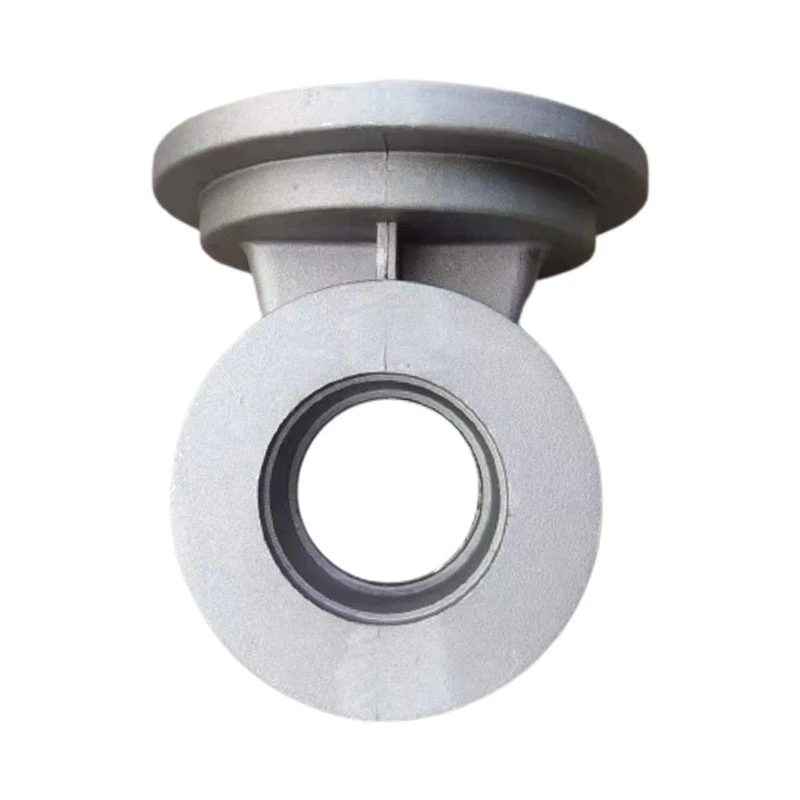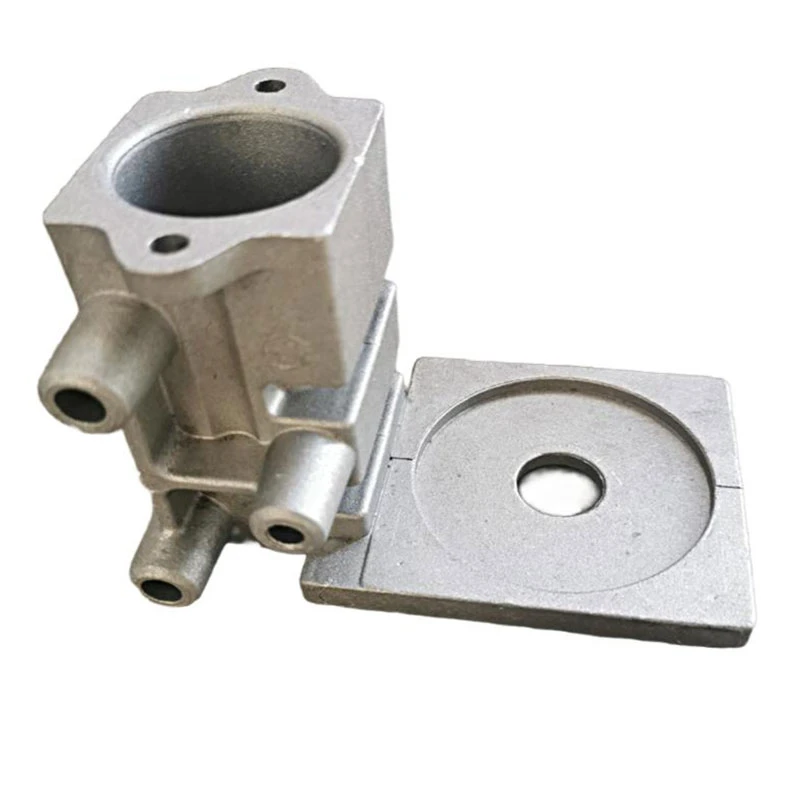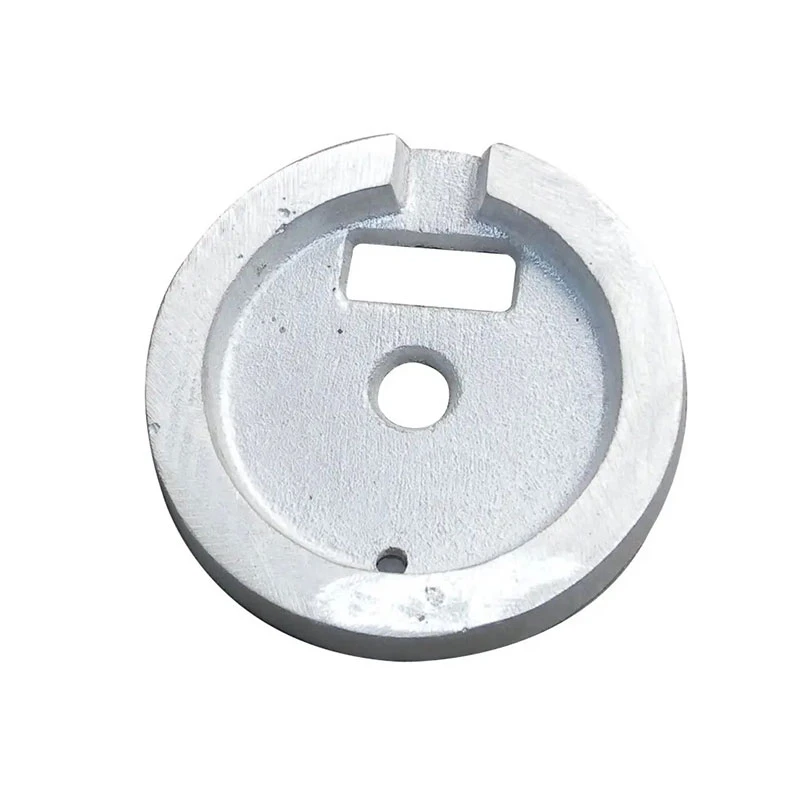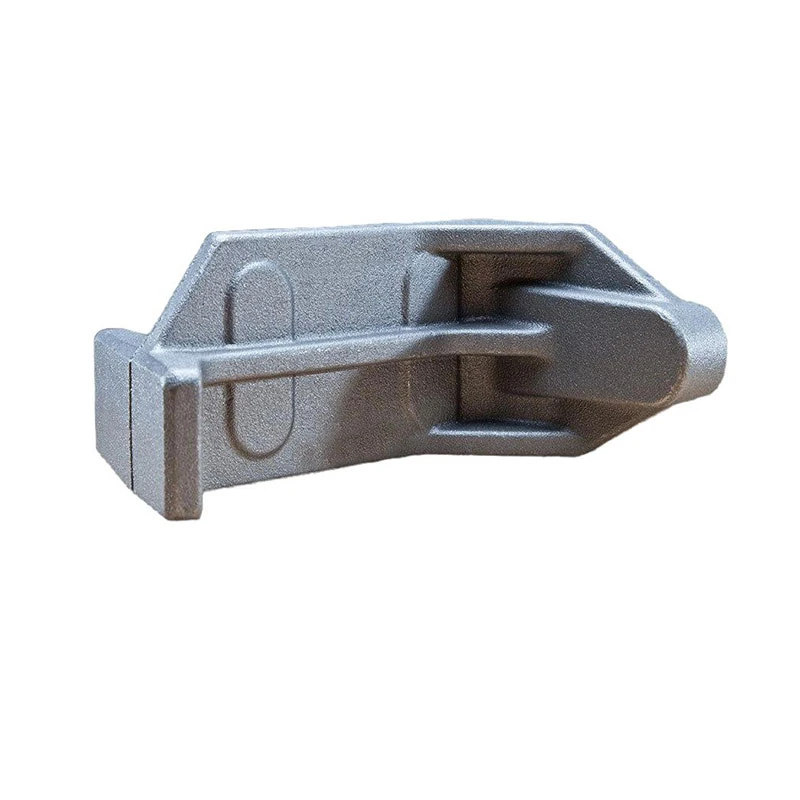



Die Casting: Global Insight, Industry Applications & Future Trends
Understanding Die Casting: An Essential Manufacturing Process
In today’s hyper-connected global marketplace, the way things are made often decides how well they perform — and how accessible they are. Die casting is one such manufacturing cornerstone influencing industries from automotive to consumer electronics. It’s fascinating how this process couples precision with mass production, enabling complex metal components to be produced rapidly and cost-effectively. Grasping die casting is vital not just for manufacturers but also those invested in innovation, supply chains, or sustainability. After all, the products permeate our daily lives, sometimes inconspicuously but critically.
Why Die Casting Matters Globally
Globally, die casting stands as a backbone for precision manufacturing. According to the International Organization for Standardization (ISO), the process is integral for producing structural and functional components that demand uniformity and durability. The World Bank also notes that industrial growth in emerging economies hinges partially on reliable manufacturing processes like die casting, which balance quality with affordability.
Yet there’s a practical challenge: as demand surges for lighter, stronger, and more sustainable components, industries must improve efficiency, material use, and environmental impact — all within stringent cost boundaries. Die casting often emerges as the solution because it champions speed without sacrificing detail or scale.
What Is Die Casting? A Simple Definition
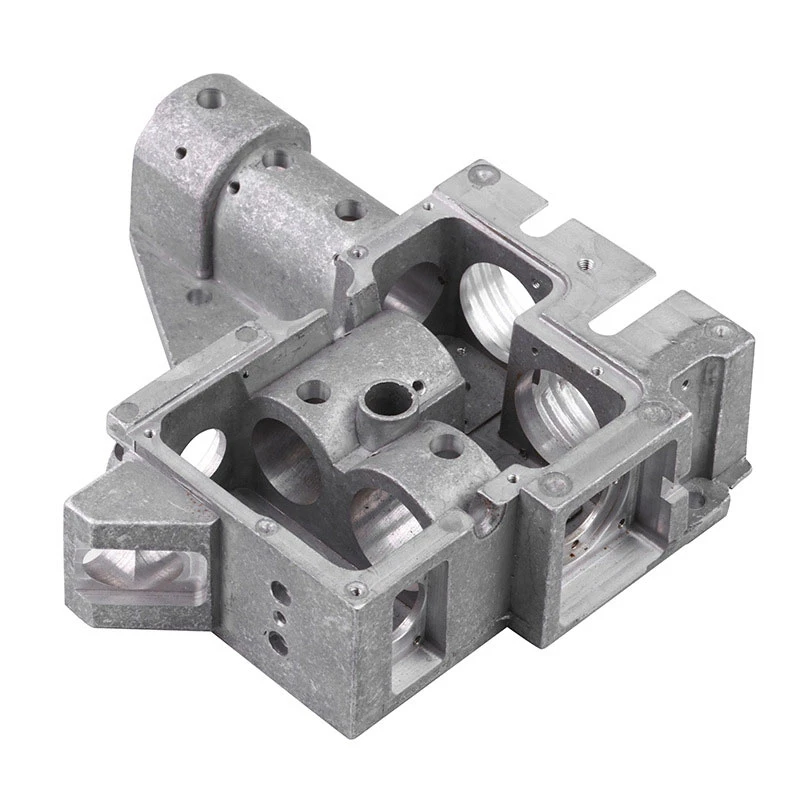
At its crux, die casting is a metal forming method where molten metal is injected under high pressure into a mold—called a die—to create precise shapes. Unlike sand casting or forging, die casting molds are reusable metal forms, allowing for high-volume production with consistent quality. Think of it as “casting with a tight schedule and high standards.” It’s especially pivotal in the production of parts requiring smooth surfaces and intricate details, from engine blocks to smartphone housings.
Its connection to modern manufacturing is profound. Industries ranging from aerospace to electronics rely on die casting to meet regulatory and humanitarian needs: safety through robust parts, environmental goals via material efficiency, and economic access through cost savings.
Core Components & Factors in Die Casting
1. Material Selection
Most die casting uses metals like aluminum, zinc, or magnesium. Aluminum is favored for its light weight and corrosion resistance, zinc for its high strength and good surface finish, and magnesium when weight reduction is paramount.
2. Mold Design (Die)
This steel mold is a complex, engineered piece tailored to the product’s geometry, cooling needs, and ejection mechanisms. It often involves multi-part construction ensuring durability under high-pressure cycles.
3. Machine and Process Control
From cold chamber to hot chamber machines, the choice depends on metal type and production volume. Precision controls monitor temperature, injection speed, and pressure, which impact defect rates and final quality.
4. Cooling & Finishing
Cooling rates influence internal stresses and microstructures. Post-casting machining and surface treatments provide the final precision and aesthetics necessary in end-use applications.
5. Sustainability Considerations
Material recycling, energy use in melting and injection, and waste management are increasingly crucial to minimize environmental footprints. Smart innovations here set leaders apart.
Mini takeaway: Die casting is a finely balanced dance of materials, machines, and engineering know-how. Each factor plays a pivotal role in turning molten metal into high-quality, high-performance parts.
Global Applications & Real-World Use Cases
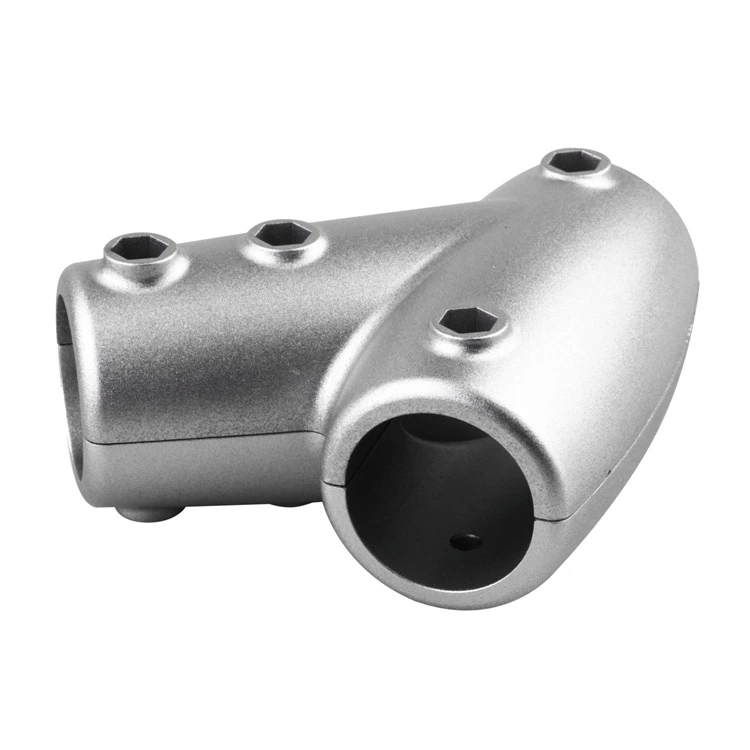
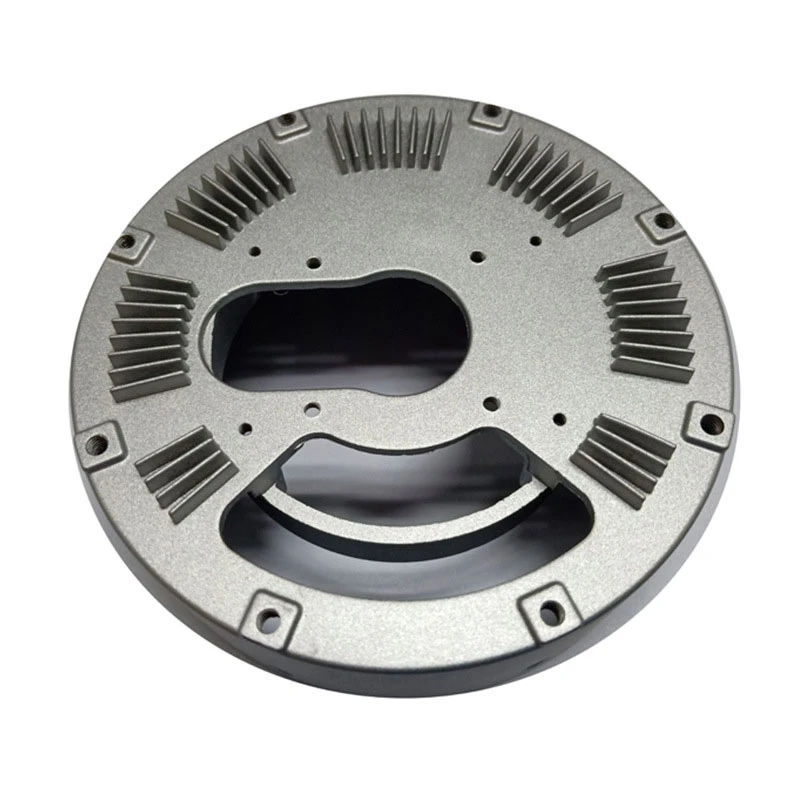
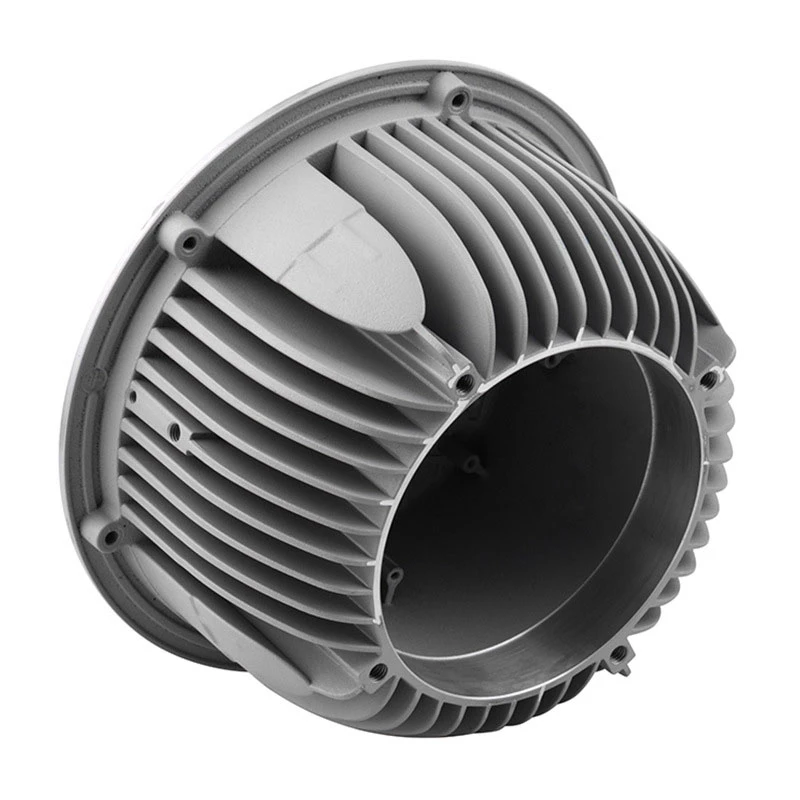
Oddly enough, die casting is omnipresent but often invisible. In Germany’s automotive hubs, die casting enables rapid production of lightweight engine components that meet strict emissions targets. Over in Asia, electronics manufacturers rely on die casting to produce intricate heat sinks and casings, thanks to its capacity to create detail-rich metal parts fast.
Humanitarian organizations also benefit. In disaster relief, quickly fabricated die cast parts support modular shelters and portable generators that demand reliability and swift deployment. In remote industrial zones, die casting reduces dependency on imported parts by enabling localized manufacturing — a game-changer for resilience and self-sufficiency.
| Alloy | Density (g/cm³) | Tensile Strength (MPa) | Melting Range (°C) | Typical Uses |
|---|---|---|---|---|
| Aluminum Alloy | 2.7 | 240-310 | 570-640 | Automotive, electronics enclosures |
| Zinc Alloy | 6.6-7.1 | 310-410 | 380-420 | Hardware, small parts |
| Magnesium Alloy | 1.7-1.8 | 190-280 | 650-720 | Aerospace, electronics |
Advantages and Long-Term Value of Die Casting
- Cost Efficiency: The ability to produce thousands of identical parts quickly decreases unit costs considerably, especially for complex shapes.
- Durability & Reliability: Die cast parts offer excellent mechanical properties and consistent quality which builds trust in critical applications.
- Sustainability: Using recyclable metals and reducing waste during production plays well with green manufacturing goals.
- Innovation & Design Flexibility: Complex geometries achievable by die casting allow designers to optimize parts for weight, strength, and performance.
- Social Impact: Mass production enables affordable products that improve quality of life worldwide.
Many engineers I’ve talked to often emphasize how die casting brings a sense of “manufacturing confidence” — that feeling when design intent and actual performance align seamlessly.
Trends and Innovations Shaping Die Casting
The die casting industry is evolving, boosted by advances in automation and digital integration. Smart factories now monitor process variables in real-time, reducing scrap rates and improving throughput. New alloys and hybrid materials aim to enhance strength while remaining lightweight. There’s also growing momentum around “green die casting” techniques that minimize energy consumption and waste.
Digitization also facilitates rapid prototyping, drastically reducing time to market. Oddly enough, while the core process stays classic, its periphery dances around AI, IoT, and sustainable innovation — a glimpse into the future of manufacturing.
Challenges and Expert Solutions
Of course, die casting is not without its hurdles:
- High Initial Investment: Die molds and machines need significant upfront capital, which can be a barrier for smaller firms.
- Porosity & Defects: Issues like air entrapment can compromise structural integrity; meticulous process control is critical.
- Material Limitations: Not all metals are suitable for die casting due to melting points or viscosity.
Experts recommend adopting modular mold designs, embracing simulation software to predict defects, and investing in maintenance to stretch tool life. Partnerships with specialized vendors also help navigate complexities.
| Vendor | Material Options | Production Capacity | Special Features | Sustainability Focus |
|---|---|---|---|---|
| Alpha Cast Ltd. | Al alloys, Zn alloys | 10k parts/month | In-house mold design | Energy-efficient melting |
| Beta Precision | Mg alloys, Al alloys | 15k parts/month | Automated quality inspection | Recycling-focused |
| Gamma Metals | All common alloys | 8k parts/month | Rapid prototyping services | Low-waste processes |
FAQ: Frequently Asked Questions About Die Casting
- Q: How does die casting compare to other metal casting methods?
A: Die casting offers higher dimensional accuracy, smoother surfaces, and better mechanical properties than many other techniques like sand casting. Its reusable molds and rapid cycle times also reduce cost per unit for mass production. - Q: What metals can be die cast effectively?
A: Common metals include aluminum, zinc, magnesium, and some copper alloys. Each has specific melting points and viscosity suited for injection under pressure. - Q: Can die casting be used for small production runs?
A: While possible, the high initial tooling costs typically make die casting more economical for medium to large volumes. For prototypes or small runs, other methods might be preferred. - Q: Is die casting environmentally friendly?
A: It can be. Many die casting alloys are recyclable, and modern facilities strive for energy efficiency and scrap reduction. Still, sustainable practices depend heavily on the manufacturer’s processes. - Q: How can NGOs leverage die casting for humanitarian aid equipment?
A: NGOs can collaborate with specialized vendors to produce durable, standardized parts that speed up the deployment of infrastructure like shelters or water systems. Outsourcing to experienced die casters helps ensure quality and compliance with international standards.
Conclusion & Next Steps
In summary, die casting is more than just a metal shaping technique; it’s a global enabler of quality, affordability, and innovation. Its capacity to combine speed, precision, and material efficiency supports diverse sectors and social causes alike. If you’re intrigued by how die casting might elevate your projects or manufacturing ambitions, I invite you to explore our website for detailed solutions and expert guidance.
Frankly, understanding and leveraging the strengths of die casting can unlock new possibilities — for businesses, communities, and technological progress.
Quick takeaway: Die casting remains a brilliant blend of tradition and innovation, quietly shaping much of modern industry’s backbone.
-
Comprehensive Guide to Automotive Die Casting for Enhanced Vehicle PerformanceNewsJan.27,2026
-
Comprehensive Guide to Aluminum Pressure Die Casting Manufacturing ProcessesNewsJan.27,2026
-
Hot Chamber Die Casting vs Cold Chamber Die Casting ExplainedNewsJan.06,2026
-
Hot Chamber And Cold Chamber Die Casting Solutions for Industrial Applications | Hairun SourcingNewsJan.06,2026
-
Hot and Cold Chamber Die Casting: Key Insights from Industry ExpertsNewsJan.06,2026
-
Comprehensive Guide on Graphite Die Casting for B2B Manufacturing | HairunSourcingNewsJan.05,2026