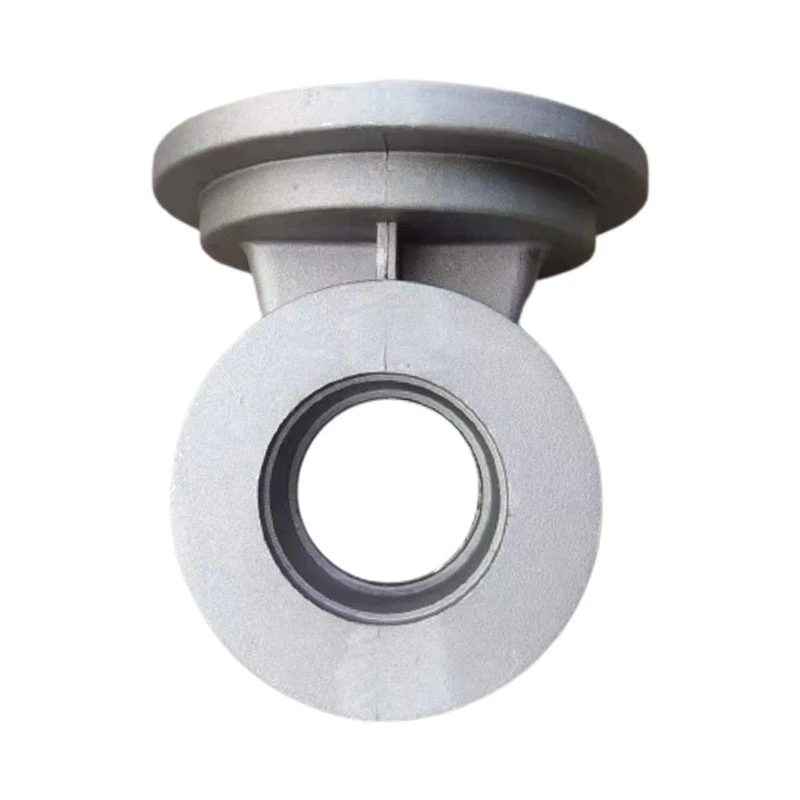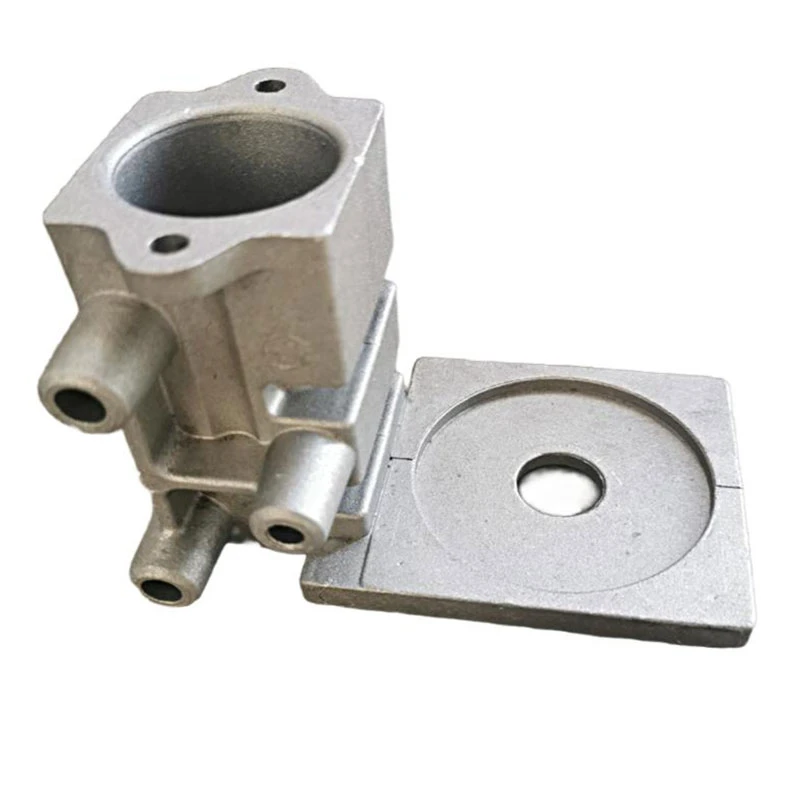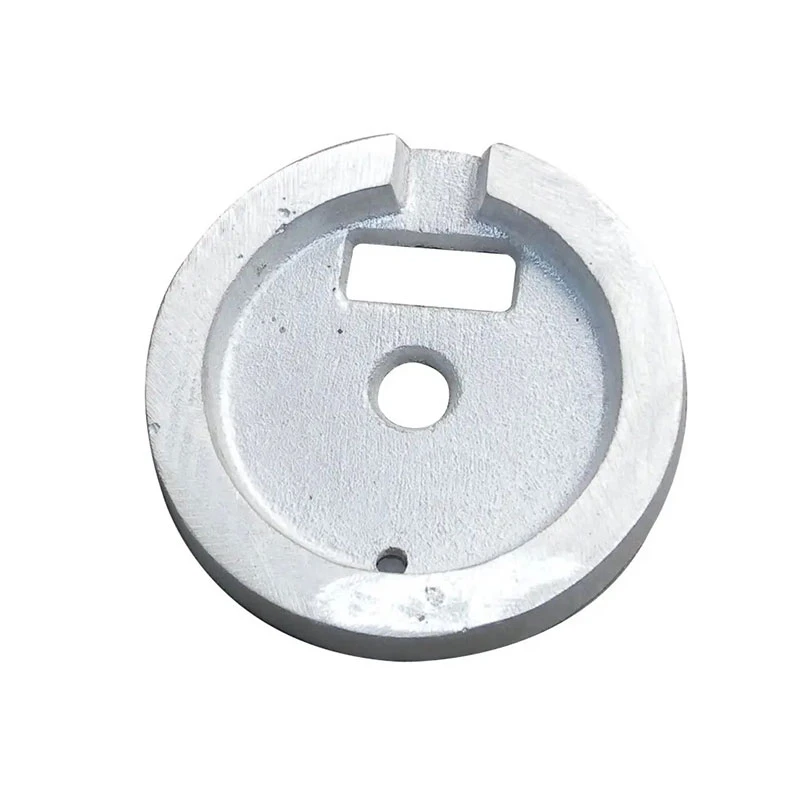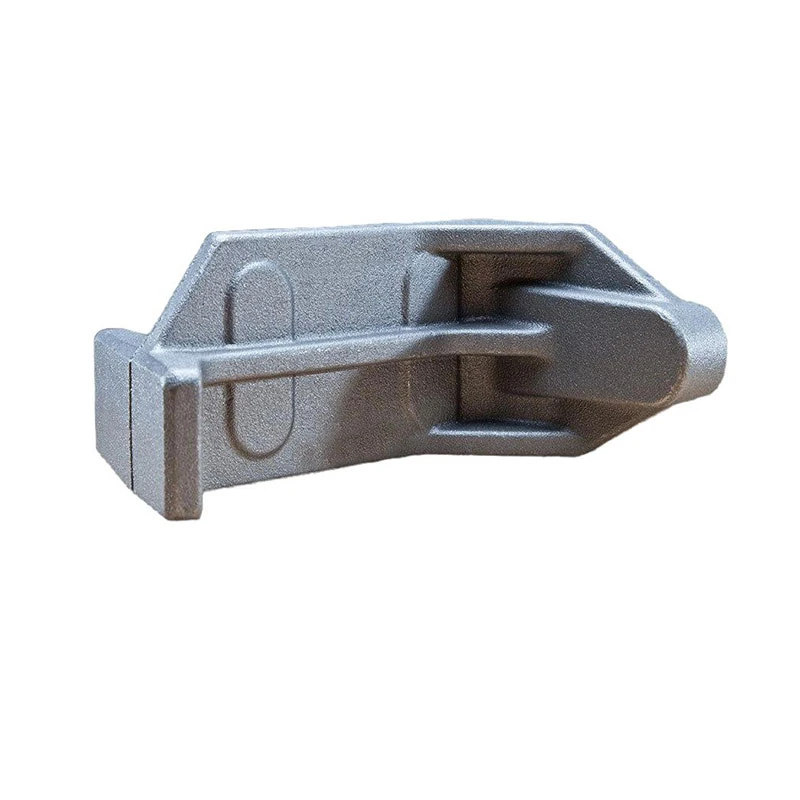



Types of Sand Casting: Global Guide to Techniques, Benefits & Future Trends
Exploring the Types of Sand Casting: A Practical Guide
Sand casting has been a cornerstone of manufacturing for centuries, adapting quietly but effectively alongside industries as they’ve evolved worldwide. Understanding the various types of sand casting not only unlocks a clearer view of manufacturing’s backbone but also reveals how this traditional process still powers innovation today.
Why Understanding Types of Sand Casting Matters Globally
Oddly enough, sand casting isn’t just about shaping metal—it's about shaping economies and lives. According to global manufacturing data from the International Organization for Standardization (ISO), foundry processes represent a significant chunk of industrial metal production, especially in sectors like automotive, aerospace, and infrastructure. The types of sand casting techniques employed significantly impact efficiency, cost, and material properties.
Behind the scenes, manufacturers wrestle with challenges such as reducing production costs, accelerating turnaround times, and meeting sustainability goals. Mastering the nuances between different sand casting methods provides a strategic advantage, addressing these industry imperatives head-on.
What Are the Types of Sand Casting?
At its core, sand casting involves pouring molten metal into a sand mold to create parts of virtually any shape and size. But the phrase types of sand casting opens doors to a few distinct approaches, primarily:
- Green Sand Casting: Where moist sand is left natural in the mold.
- Dry Sand Casting: Involves baking the sand mold to harden it before pouring metal.
- Shell Molding: Uses a thin, hardened shell of sand bound with resin.
- Cope and Drag Molding: Refers to the two-part mold that forms the full cavity.
Each type balances factors like detail resolution, production volume, and finish quality — critical depending on application needs ranging from aerospace parts to delicate art installations.
Mini Takeaway
Picking the right sand casting method is an intricate dance of material properties, economics, and end-use requirements — it’s what keeps millions of parts reliably produced worldwide.
Key Factors Impacting Sand Casting Performance
Durability
How a casting holds up under stress depends heavily on mold type. For instance, dry sand molds generally offer greater strength, helping produce more dimensionally accurate parts with a smoother surface finish.
Scalability
Green sand casting shines for short runs and prototypes since it allows easy mold modifications without extensive setup. But for mass production, shell molding often outperforms due to automation compatibility.
Cost Efficiency
Somewhat paradoxically, cheaper materials like natural sand reduce upfront costs but may increase post-processing to fix defects. Resin-bonded sand molds can be pricier but reduce scrap rate and improve yield.
Environmental Considerations
With sustainability now front and center, many foundries are switching to reclaimable sand systems, reducing landfill waste and better aligning with circular economy goals.
Complexity of Design
Type selection also governs complexity: shell molding enables finer detail in complex shapes more than basic green sand, vital for modern industrial aesthetics and functionality.
Vendor Support and Expertise
Finally, working with foundries experienced in multiple sand casting types guarantees smoother project delivery and often innovative suggestions based on deep technical knowledge.
Mini Takeaway
Understanding these core components helps stakeholders choose the best type of sand casting, streamlining production and ensuring the cast parts meet their intended purpose.
Global Applications and Use Cases
In the car manufacturing hubs of Germany and Japan, green sand casting is often the workhorse method, balancing speed with cost-effectiveness for engine components. Meanwhile, aerospace companies in the U.S. favor dry sand and shell molding techniques for titanium alloys requiring precision and durability. In developing regions, simpler sand casting methods enable local production of machinery parts, largely contributing to economic independence.
Oddly enough, sand casting finds use in humanitarian processes as well—during post-disaster reconstruction in remote industrial zones, local foundries produce heavy-duty fittings and replacement parts rapidly thanks to sand casting’s flexibility.
| Type | Typical Applications | Surface Finish (Roughness) | Production Volume | Cost Level |
|---|---|---|---|---|
| Green Sand | Automotive parts, prototypes | Moderate (150–250 Ra) | Low to Medium | Low |
| Dry Sand | Large industrial equipment | Good (100–150 Ra) | Medium | Medium |
| Shell Molding | Precision aerospace parts | Fine (50–100 Ra) | High | Higher |
Advantages and Long-Term Value of Sand Casting Types
Choosing the right sand casting type directly benefits manufacturers by:
- Reducing costs through optimized mold materials and reuse.
- Enhancing sustainability by adopting green sand reclaiming technologies.
- Improving social outcomes by enabling local manufacturing and job creation.
- Assuring reliability—many cast parts are safety-critical, so consistent quality is essential.
- Empowering innovation with flexible designs made possible through mold techniques.
One particular anecdote from an engineer in a midwest foundry speaks volumes: “Switching to shell molding for certain aerospace parts cut lead times in half and saved so much rework, the team’s stress levels dropped — it was like getting a breath of fresh air in a tough industry.”
Future Trends & Innovations
Looking ahead, the sand casting world is far from standing still. Automation and digital pattern design are revolutionizing mold making. Advanced bonding agents are improving mold lifespan and reducing defects. The move toward eco-friendly binders, replacing harmful chemicals, aligns with global calls for sustainability.
Plus, we’re seeing experimentation with additive manufacturing hybrids—integrating 3D printing with traditional sand molds to create never-before-possible geometries, especially in aerospace and medical implants.
Challenges and Solutions
Sand casting doesn’t come without hurdles. Common limitations include variability in mold quality, porosity in cast parts, and environmental disposal issues.
Yet, many foundries are innovating solutions: real-time quality sensors in molding lines, improved sand reclamation systems, and specialized training programs for mold technicians to reduce casting failures.
| Vendor | Specialty | Typical Orders | Region | Sustainability Focus |
|---|---|---|---|---|
| FoundryPro | Green sand & dry sand casting | Small to medium batches | North America | Moderate; involved in sand reuse programs |
| ShellTech Foundries | Shell molding for aerospace | High volume | Europe & Asia | High; zero waste initiatives |
| EcoCast Solutions | Sustainable sand casting innovations | R&D and prototyping | Global | Very high; pioneering green binder usage |
FAQ: Common Questions About Types of Sand Casting
What is the fastest type of sand casting for prototyping?
Green sand casting is generally the quickest method for prototypes due to its minimal mold preparation time and ease of reuse, making it ideal for early-stage product development.
Can shell molding produce the same durability as dry sand casting?
Yes, shell molding often results in better surface finishes and comparable strength to dry sand methods, especially for parts requiring precision and complex geometries.
Is sand casting environmentally friendly?
When paired with modern sand reclamation techniques and non-toxic binders, sand casting can be quite sustainable, reducing waste and energy consumption compared to some other metalforming processes.
How does the type of sand affect casting quality?
The grain size, moisture content, and binder type of the sand all impact mold permeability and strength, which directly influence the final casting’s surface finish and integrity.
Where can I find more information on sand casting methods?
Comprehensive information is available via educational sites like Wikipedia or standards from organizations like the ISO Foundry Technical Committee.
Conclusion and Call to Action
Exploring the types of sand casting reveals an art and science finely tuned to global manufacturing demands. Whether it’s cost savings, environmental stewardship, or pushing the envelope on design, sand casting remains incredibly relevant. Frankly, it’s a quiet hero behind products we use daily.
If you’re interested in diving deeper into details or sourcing expert casting solutions, visit us anytime at Hairun Sourcing.
In the end, understanding these types is less about old-school methods and more about unlocking new possibilities.
-
Comprehensive Guide to Automotive Die Casting for Enhanced Vehicle PerformanceNewsJan.27,2026
-
Comprehensive Guide to Aluminum Pressure Die Casting Manufacturing ProcessesNewsJan.27,2026
-
Hot Chamber Die Casting vs Cold Chamber Die Casting ExplainedNewsJan.06,2026
-
Hot Chamber And Cold Chamber Die Casting Solutions for Industrial Applications | Hairun SourcingNewsJan.06,2026
-
Hot and Cold Chamber Die Casting: Key Insights from Industry ExpertsNewsJan.06,2026
-
Comprehensive Guide on Graphite Die Casting for B2B Manufacturing | HairunSourcingNewsJan.05,2026