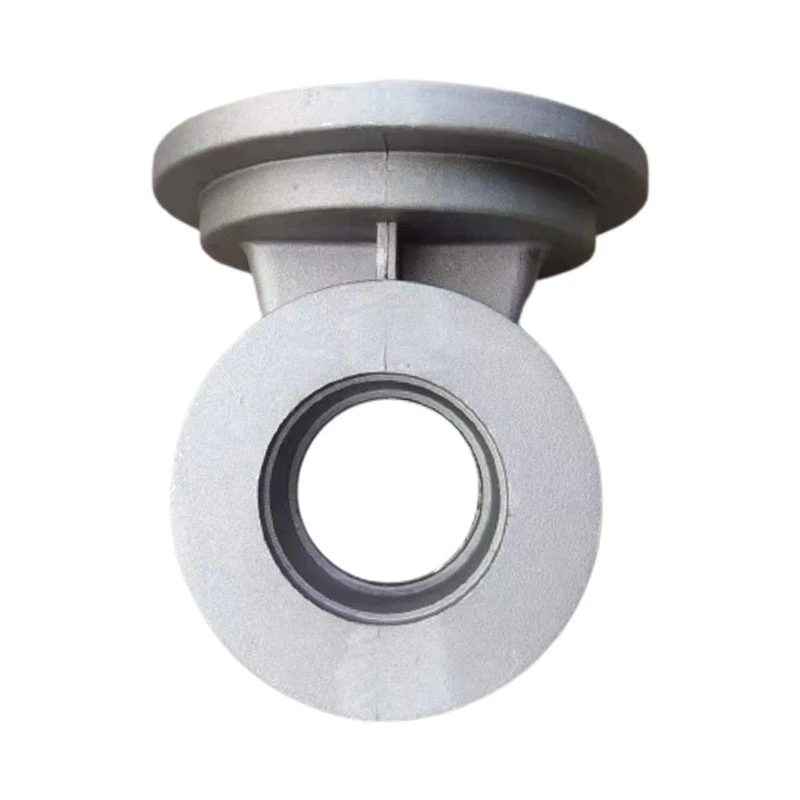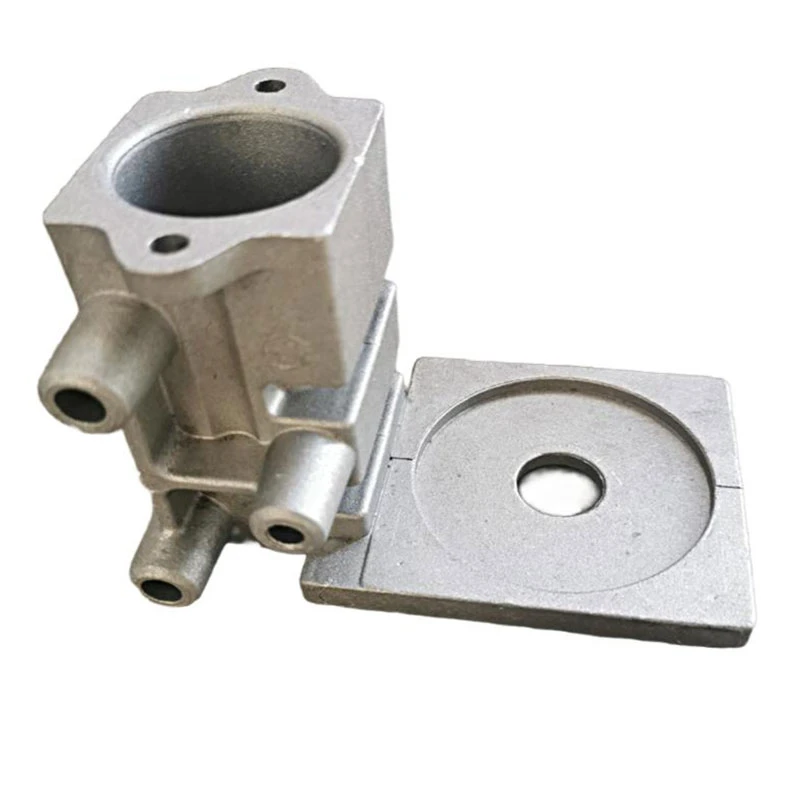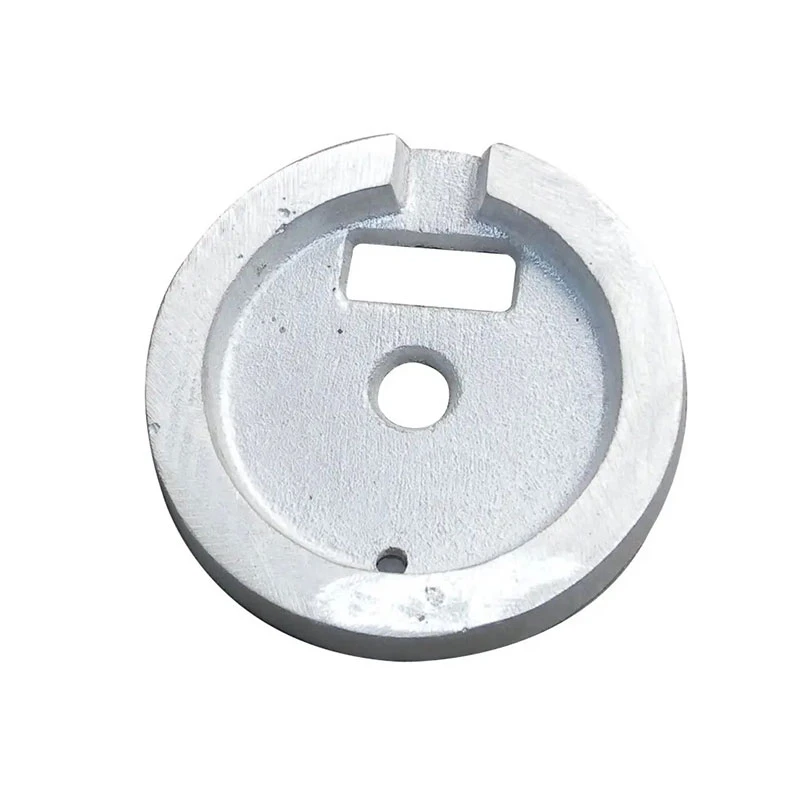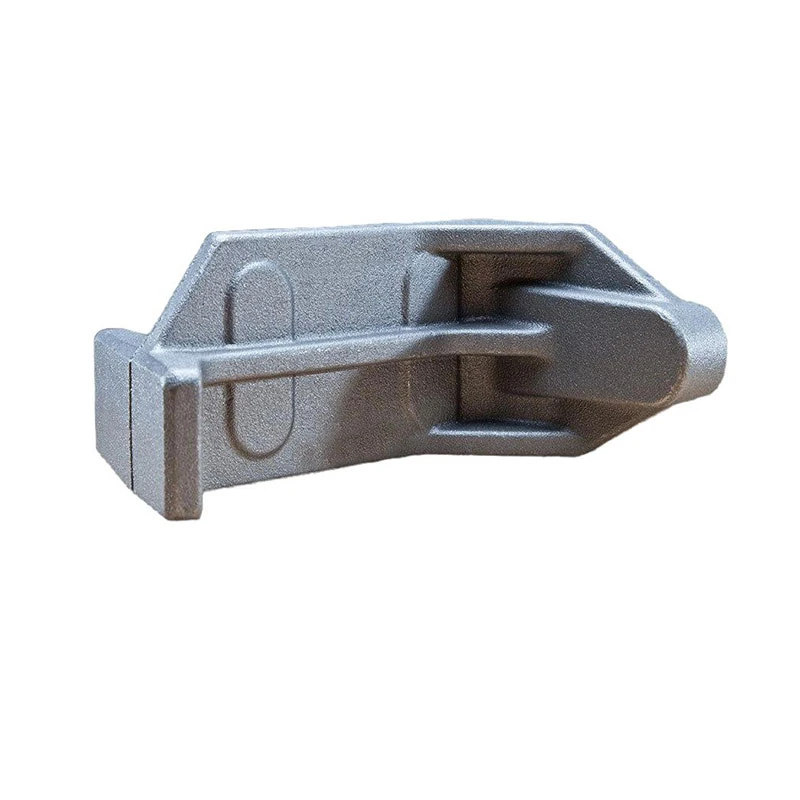



Green Sand Casting For Sale | Cost-Effective & Sustainable Metal Casting Solutions
Understanding Green Sand Casting For Sale: What It Is and Why It Matters
When you hear green sand casting for sale, it might sound like just another industrial phrase, but honestly, it holds a lot of weight globally. Green sand casting is one of the oldest and most widely used metal shaping methods in foundries worldwide. Its simplicity and effectiveness have propelled industries from automotive to construction. Understanding this process and its market availability opens doors to cost-effective, sustainable, and scalable manufacturing solutions — something that matters whether you’re running a factory in Germany or an artisanal workshop in India.
Globally, the manufacturing sector consumes huge amounts of metal parts, and green sand casting offers a relatively eco-friendlier and accessible route compared to other methods that require more energy or exotic materials. If you’re exploring green sand casting for sale options, knowing the ins and outs helps you pick the right supplier and technology, ultimately benefiting your business or project.
Global Industry Context: Why Green Sand Casting Is Crucial Today
According to industry resources like the Wikipedia page on sand casting and data from organizations such as the International Organization for Standardization (ISO), casting accounts for roughly 20% of all manufactured metal parts globally. Green sand casting is the dominant method here because of its flexibility, cost efficiency, and reuse of materials. The World Bank notes that sustainable metalworking practices can reduce environmental impacts significantly, which green sand casting aligns well with.
Yet, the challenge is that buyers often face a fragmented market with inconsistent quality. That’s where reliable green sand casting for sale options come in — bridging demand for affordable metal parts and manufacturing standards. This process serves industries from automotive, agricultural machinery to shipbuilding, positioning itself as a backbone of many supply chains.
Defining Green Sand Casting For Sale
Simply put, green sand casting is a metal casting technique that uses a “green” or moist sand mixture—typically sand, clay, water, and other additives—as the mold material. The term “green” refers not to the color but to the fact that the sand is used in a wet, uncured state.
This process involves pressing or packing this sand around a pattern that defines the shape of the required metal part. Once the mold is formed and removed from the pattern, molten metal is poured into the cavity and allowed to solidify. After cooling, the sand mold is broken, revealing the cast item. Foundries then recycle the sand for reuse in subsequent casting cycles.
Now, green sand casting for sale usually means sourcing either the casting services or the raw sand and equipment needed for local production. This method directly connects to modern industries because of its ability to meet complex specifications without extravagant costs, especially in humanitarian and developing market contexts where industrial capital is tight but demand is high.
Core Components of Green Sand Casting
1. Mold Material Quality
The sand mixture’s consistency and moisture content determine the mold’s strength and permeability. Durable molds reduce defects and ensure precise castings.
2. Pattern Design
Patterns must be created considering metal shrinkage and ease of mold removal. Optimizing patterns enhances final product accuracy and reduces rework.
3. Scalability
This process adapts well whether producing a handful of custom parts or thousands of identical components, making it quite versatile.
4. Cost Efficiency
Because the sand can be reused, and no expensive molding materials are needed, green sand casting offers one of the lowest per-unit costs in metal manufacturing.
5. Environmental Impact
Unlike resin-based molds, green sand casting’s recyclable materials help lower waste and pollution, a growing priority across industries.
Product Specification Table: Typical Green Sand Casting Attributes
| Feature | Specification | Details |
|---|---|---|
| Sand Composition | Silica Sand + Bentonite Clay + Water | Optimal moisture 3-6% |
| Mold Life | Single Use (Recycle Sand) | Molds broken after casting, sand reclaimed |
| Casting Weight Range | 5 kg to 1500 kg | Suitable for small to large parts |
| Tolerance | ±0.5% of Dimensions | Dependent on pattern precision |
| Materials Cast | Iron, Steel, Aluminum, Brass | Versatile metal types |
Global Applications & Use Cases
Green sand casting finds roots in virtually every metal-using industry. In the automotive sector, for instance, manufacturers produce engine blocks and brake drums en masse. Ironically—or perhaps quite fittingly—these components rely on a process considered 'traditional' but still highly relevant.
In emerging economies, green sand casting empowers local foundries to create affordable agricultural tools or construction parts. Regions like Southeast Asia and parts of Africa have seen a renaissance in small-scale foundry businesses providing critical parts for local infrastructure projects.
One fascinating example is humanitarian organizations sourcing cast components to rebuild machinery in post-disaster zones. Reliable supply chains for cast parts can mean the difference between prolonged outages and swift recovery, a reminder that technical processes like these underpin societal resilience.
Vendor Comparison Table
| Vendor | Casting Capacity | Lead Time | Quality Certifications | Pricing |
|---|---|---|---|---|
| Foundry A | Up to 1000 kg pieces | 4–6 weeks | ISO 9001, IATF 16949 | Mid-range |
| Foundry B | Up to 1500 kg pieces | 6–8 weeks | ISO 14001 (Sustainability) | Premium |
| Foundry C | Small batch only (up to 200 kg) | 2–4 weeks | None | Budget |
Advantages and Long-Term Value of Green Sand Casting
In real terms, green sand casting remains a favorite because it balances cost, speed, and sustainability in manufacturing. The process reduces waste thanks to reusable casting sand, lowering environmental impact. Plus, the relative ease of adjusting sand mixtures to suit different metals makes it highly adaptable.
There’s also a social angle: many small to mid-sized foundries rely on green sand casting methods to provide employment locally, including in underserved regions. These jobs nurture skills and economic dignity.
Emotionally, clients appreciate the reliability — not just in parts durability but in predictable delivery schedules. Trusted suppliers offering green sand casting for sale have become integral partners, not just vendors.
Future Trends & Innovations Shaping Green Sand Casting
Technology is quietly reshaping traditional casting. For instance, digital simulation tools now allow engineers to predict casting defects before production, saving costs and time.
Meanwhile, automation in sand handling and molding improves consistency and reduces labor intensity. Additionally, research in eco-friendly additives to sand blends is underway, aiming to minimize energy consumption and further decrease CO2 emissions.
Interestingly, hybrid methods combining 3D printing with green sand molding are emerging, which enhances pattern-making speed and detail.
Challenges & Possible Solutions
Despite its merits, there are limitations—like surface finish roughness and limitations on very thin or intricate castings. These issues come from the nature of sand grains and mold permeability.
The classic fix lies in continual innovation: better sand compositions, improved binders, and integrating post-casting finishing processes like machining or coating. Expert foundries also rigorously monitor moisture levels and sand conditioning – these small steps hugely improve final product quality.
FAQ: Your Questions About Green Sand Casting For Sale
- What are typical lead times for green sand casting orders?
Lead times vary but usually range from 2 to 8 weeks depending on complexity, quantity, and vendor capacity. - Is green sand casting environmentally friendly?
Compared to other casting methods, yes. The sand is reusable, and advances in additive technology further reduce pollutants. - Can I request custom alloys with green sand casting?
Absolutely. Green sand casting supports a wide range of metals including iron, steel, aluminum, and brass. - How do I ensure quality when buying green sand casting services?
Look for certified vendors with ISO or similar quality certifications and ask for sample castings before large orders. - Is green sand casting suitable for small batch production?
Yes, it’s very flexible and can accommodate anything from prototypes to mass orders.
Conclusion: Why Green Sand Casting For Sale Is a Smart Choice
All told, green sand casting for sale remains a powerhouse manufacturing method, blending tradition with innovation to meet modern industrial demands. It’s cost-effective, environmentally conscious, and reliably serves a diverse set of industries worldwide.
If you’re exploring options or ready to invest in dependable metal parts production, visiting our website is a great place to start — we connect you with trusted foundries offering competitive green sand casting solutions.
Thanks for sticking with me on this somewhat granular journey into casting — oddly enough, it feels kind of rewarding to dig into the details that hold so much industrial and even social importance.
Mini takeaway: Green sand casting is a robust, sustainable manufacturing method with global relevance, perfect for cost-conscious and environmentally aware businesses alike.
-
Comprehensive Guide to Automotive Die Casting for Enhanced Vehicle PerformanceNewsJan.27,2026
-
Comprehensive Guide to Aluminum Pressure Die Casting Manufacturing ProcessesNewsJan.27,2026
-
Hot Chamber Die Casting vs Cold Chamber Die Casting ExplainedNewsJan.06,2026
-
Hot Chamber And Cold Chamber Die Casting Solutions for Industrial Applications | Hairun SourcingNewsJan.06,2026
-
Hot and Cold Chamber Die Casting: Key Insights from Industry ExpertsNewsJan.06,2026
-
Comprehensive Guide on Graphite Die Casting for B2B Manufacturing | HairunSourcingNewsJan.05,2026