


Sand Casting Manufacturing: Global Insights, Applications & Future Trends
Understanding Sand Casting Manufacturing: A Key to Modern Industrial Success
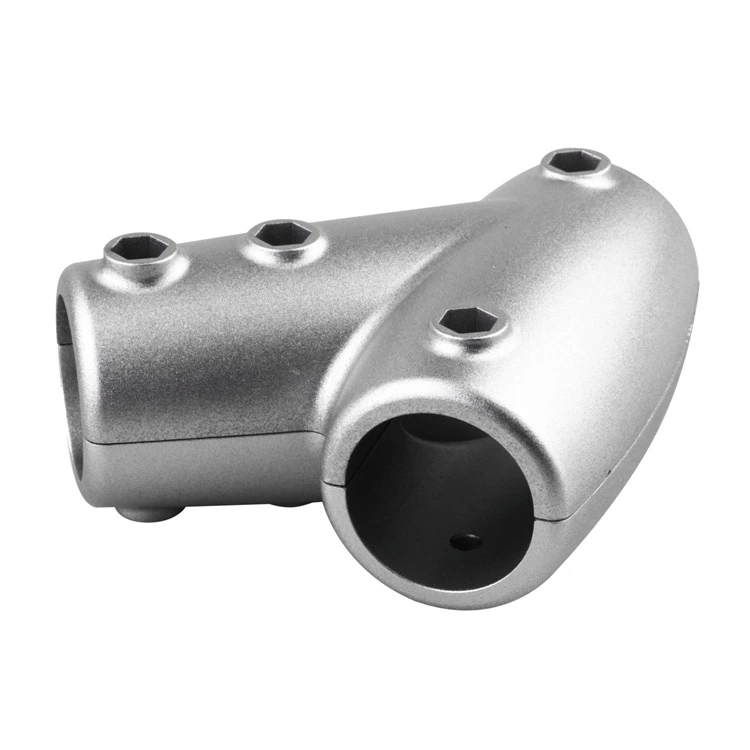
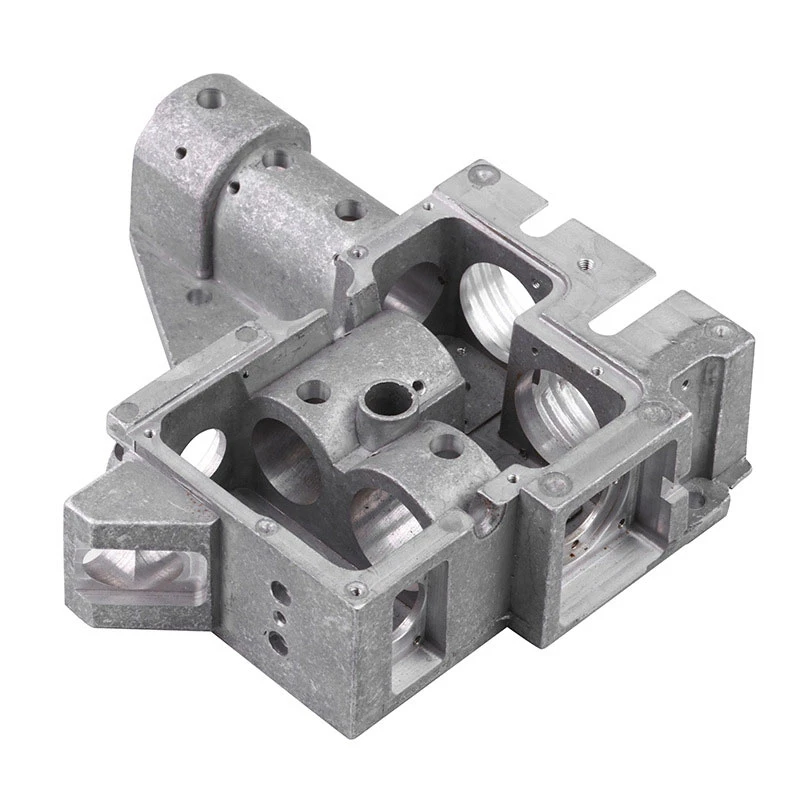
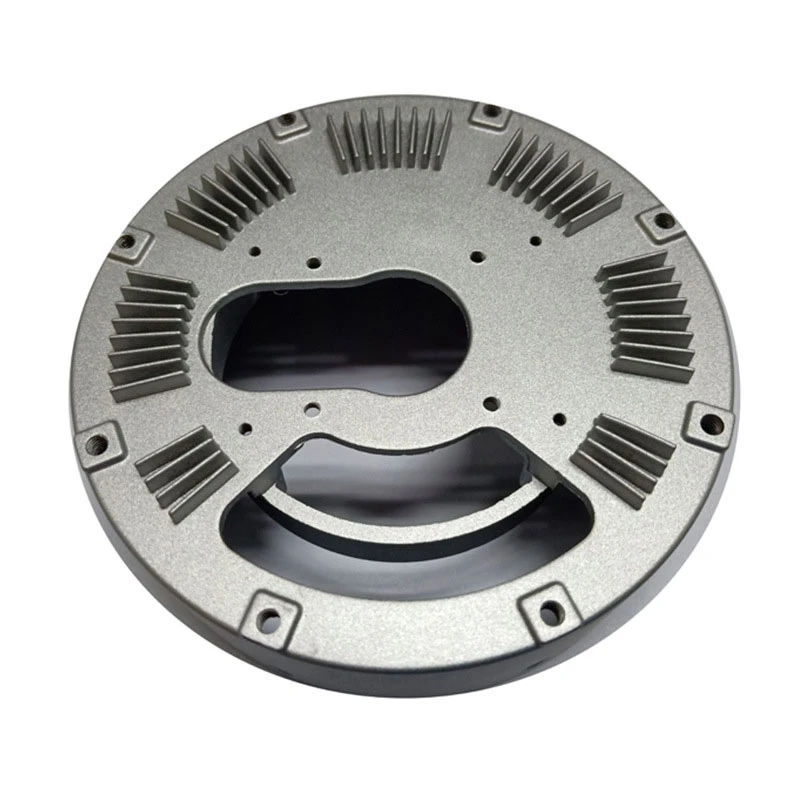
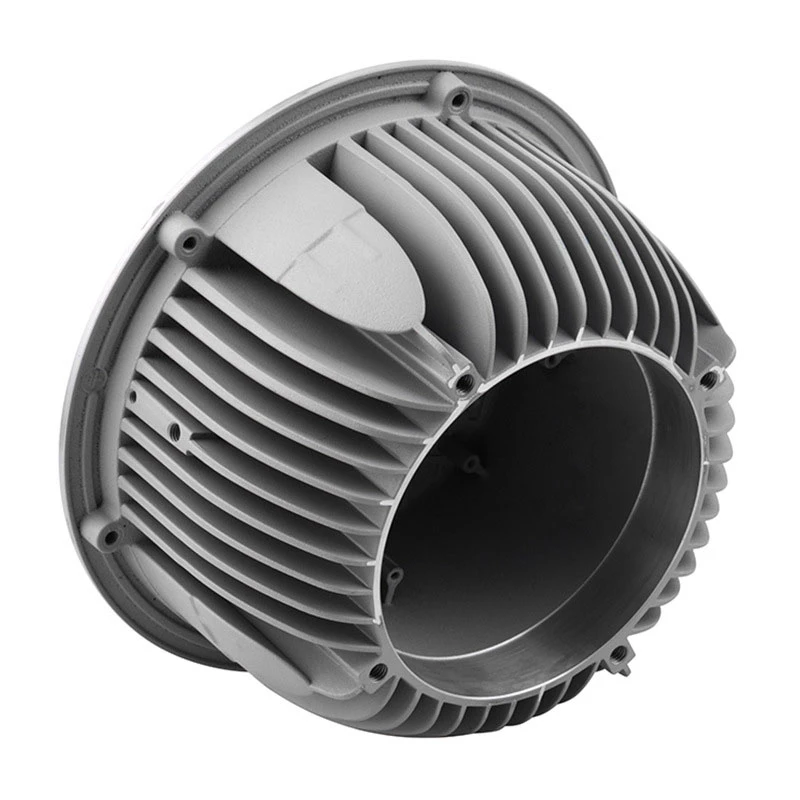
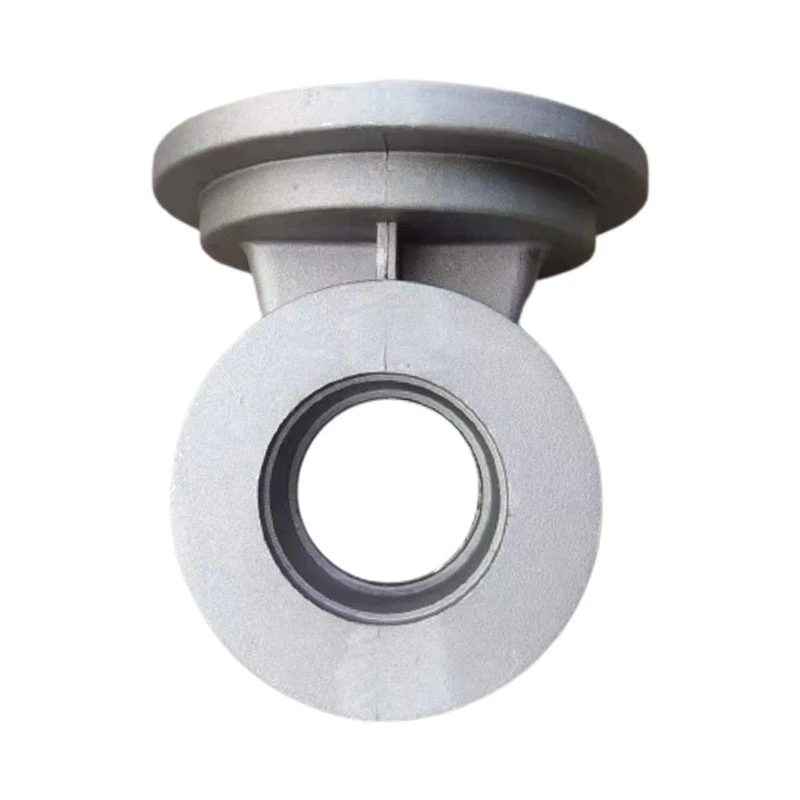
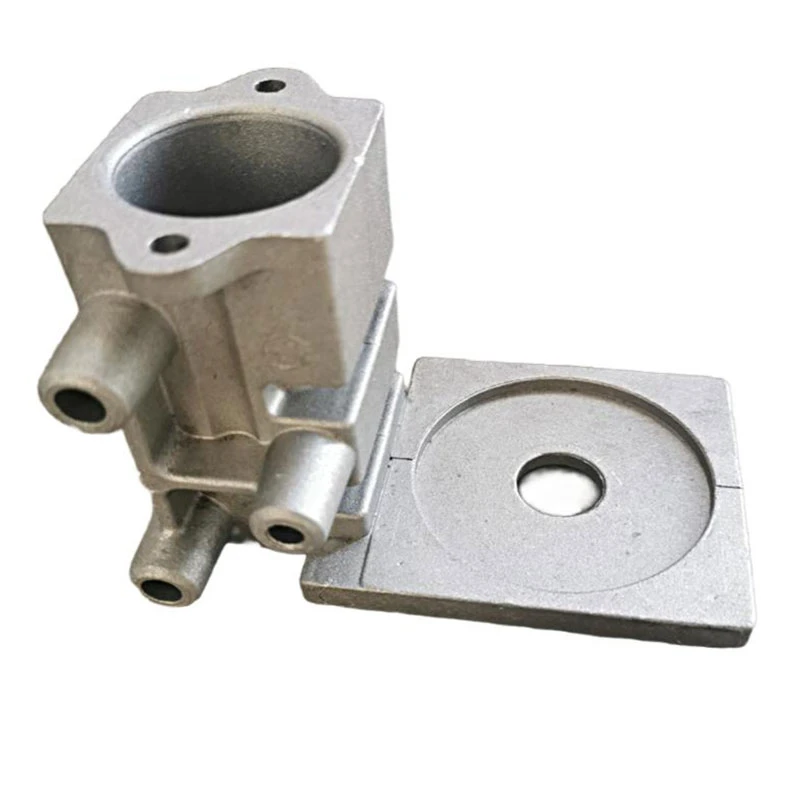
Sand casting manufacturing is one of those old-yet-new industrial processes that quietly powers significant parts of the global economy. At its core, sand casting is a method where molten metal is poured into sand-based molds to create complex, durable metal parts. It’s pretty essential for everything from automotive to aerospace and even humanitarian efforts where reliable, cost-effective metal parts are needed fast.
The global relevance of sand casting manufacturing is huge. According to industry reports and manufacturing data shared by the International Organization for Standardization (ISO), sand castings form a multi-billion-dollar portion of manufacturing outputs worldwide, particularly in Asia, Europe, and North America. Oddly enough, even with modern additive manufacturing rising, sand casting still holds strong, largely because of its versatility and scalability.
Yet, there’s a challenge sand casting manufacturing helps address: the need for rapid, cost-efficient production of metal parts that can be customized on demand without heavy upfront tooling investments. This proves invaluable in sectors facing fast-changing demands or constrained resources.
What Is Sand Casting Manufacturing?
Simply put, sand casting manufacturing is a process where you create a mold out of sand — yes, actual sand, mixed with binders — into which molten metal is poured, cooled, and then extracted as a solid metal part. It’s been around for thousands of years, but today’s industrial sand casting uses precise patterns, advanced sand mixtures, and refined metallurgy to produce parts that meet modern engineering standards.
Its connection to modern industry is straightforward: it's a foundational technique for producing parts like engine blocks, pumps, valves, and even art sculptures. It’s also a sustainable method because sand molds can be reused or recycled, reducing waste in heavy manufacturing.
Core Components of Sand Casting Manufacturing
1. Durability
Products made via sand casting can handle extreme conditions. Many engineers favor cast parts in machinery due to their strength and wear resistance, especially when the right alloy is chosen.
2. Scalability
Whether you need one prototype or thousands of identical parts, sand casting adapts well. The initial mold is affordable since you don’t need expensive metal dies — perfect for small runs or custom designs.
3. Cost Efficiency
Compared to machining from solid blocks, sand casting significantly lowers material waste and labor costs. Also, using local sand and reusable binders helps keep expenses manageable.
4. Design Flexibility
From intricate automotive parts to large structural components, sand casting accommodates complex geometries that some other processes struggle with.
5. Environmental Considerations
Modern sand casting practices increasingly adopt green binders and recycle sand, aligning with global sustainability goals. Plus, the energy required can be optimized based on furnace technology.
Mini takeaway: Sand casting manufacturing is both an art and a science, balancing material strength with affordability and adaptability.
Global Applications and Use Cases
Across continents, sand casting manufacturing is a literal backbone for industrial and humanitarian projects alike. In Europe, automotive giants rely on sand casting for engine components. In Asia, it fuels heavy machinery and agriculture equipment manufacturing. Oddly enough, in remote industrial zones of Africa, local foundries use it to repair and fabricate mining tools, skills vital for local economies.
In post-disaster scenarios, sand casting can help produce replacement parts quickly when supply chains for original parts break down. For example, some NGOs train local engineers in sand casting techniques to rebuild mechanical tools crucial for infrastructure recovery efforts — a practical application that often goes unnoticed.
Product Specification Table: Typical Sand Casting Alloy Grades
| Alloy Grade | Composition | Main Application | Tensile Strength (MPa) |
|---|---|---|---|
| Gray Iron (Class 30) | C 3.0%, Si 2.5%, Fe balance | Engine Blocks, Manifolds | 260-350 |
| Ductile Iron | C 3.6%, Mg 0.05%, Fe balance | Gears, Pipes, Heavy Duty Parts | 400-550 |
| Aluminum Alloy | Al 90%+, Si 10% | Lightweight Parts, Automotive | 150-230 |
Comparing Top Sand Casting Vendors
| Vendor | Region | Specialties | Turnaround Time | Certifications |
|---|---|---|---|---|
| Haier Foundry Ltd | Asia | Automotive Castings, Precision Sand Casting | 3-5 weeks | ISO 9001, IATF 16949 |
| EuroCast Inc. | Europe | Heavy Industrial, Custom Alloys | 4-6 weeks | ISO 14001, EN 9100 |
| IronWorks Foundry | North America | Ductile Iron Castings, Rapid Prototyping | 2-4 weeks | ISO 9001, AS9100 |
Advantages and Long-Term Value of Sand Casting Manufacturing
In financial terms, sand casting reduces both startup costs and material wastage. Long-term, parts produced enjoy great reliability and lifecycle performance. That means less downtime for industries like energy or transportation, which frankly, everyone benefits from.
On the emotional and social side, reliably manufactured parts translate to safety — whether that’s a bridge supporting commuters or medical devices ensuring patient care. There’s also an innovation angle: sand casting melds tradition with technology, sustaining skilled craftsmanship while adopting automation and precision controls.
Future Trends & Innovations in Sand Casting
The future is surprisingly vibrant. Industry players are exploring green binder technologies to reduce emissions and improve sand recycling. There’s growing interest in integrating digital sand casting methods — like 3D-printed patterns and smart ovens — that promise faster turnaround and precision quality.
Automation, AI-based quality inspection, and environmentally-friendly furnaces all hint that sand casting manufacturing is not some relic but a dynamic field evolving with green energy and digital transformation trends worldwide.
Challenges & Solutions
Challenges exist too. Sand mold defects, dimensional inaccuracies, and environmental waste are perennial concerns. Yet, experienced foundries invest heavily in process optimization — including computational fluid dynamics simulations and advanced mold coatings — cutting waste and defect rates.
On the environmental front, innovative recovery systems and binder alternatives are lowering pollutants, while careful worker training addresses safety hazards associated with molten metals.
Frequently Asked Questions About Sand Casting Manufacturing
- Q: How long does it typically take to produce a sand cast part?
A: The overall production time varies by size and complexity, but generally from mold making to finished casting, it takes 1 to 4 weeks. Rapid prototyping methods can shorten this, though larger industrial parts may require more time. - Q: What materials can be used in sand casting?
A: Common materials include gray iron, ductile iron, aluminum alloys, and brass. The choice depends on mechanical property needs and casting size. Metals with low melting points or good fluidity often yield the best results. - Q: Is sand casting environmentally sustainable?
A: Traditionally, sand casting had some environmental impact due to binder chemicals. However, modern foundries now use eco-friendly binders and sand recycling systems, making it one of the more sustainable metal forming processes. - Q: Can sand casting handle complex design geometries?
A: Yes, sand casting is quite adaptable to intricate designs, including hollow cavities and sharp corners, especially when combined with precision patterns and mold technologies. - Q: How can an international NGO source custom sand cast parts quickly?
A: Partnering with experienced vendors that offer expedited services and digital pattern approvals speeds up production. It’s also wise to select suppliers familiar with export regulations and logistics for smooth international shipping.
Conclusion
Ultimately, sand casting manufacturing offers a reliable, cost-effective, and adaptable method to meet modern industrial and humanitarian needs alike. Its blend of long-standing tradition with modern innovations ensures it will remain a vital manufacturing pillar worldwide. If you want to explore dependable sand casting manufacturing for your projects, I suggest visiting our website for trusted sourcing options and expert consultation.
Mini takeaway: Sand casting manufacturing feels like a foundational craft and a futuristic tech all at once – one that helps industries build the future while respecting the past.
-
Comprehensive Guide to Automotive Die Casting for Enhanced Vehicle PerformanceNewsJan.27,2026
-
Comprehensive Guide to Aluminum Pressure Die Casting Manufacturing ProcessesNewsJan.27,2026
-
Hot Chamber Die Casting vs Cold Chamber Die Casting ExplainedNewsJan.06,2026
-
Hot Chamber And Cold Chamber Die Casting Solutions for Industrial Applications | Hairun SourcingNewsJan.06,2026
-
Hot and Cold Chamber Die Casting: Key Insights from Industry ExpertsNewsJan.06,2026
-
Comprehensive Guide on Graphite Die Casting for B2B Manufacturing | HairunSourcingNewsJan.05,2026