


Additive Manufacturing Sand Casting: Revolutionizing Foundry Techniques for Global Industry
Additive Manufacturing Sand Casting: A Modern Approach to Traditional Foundry Techniques
In the vast world of manufacturing, the phrase additive manufacturing sand casting might sound like a mouthful. Yet, when you break it down, it’s an innovative fusion of two processes—combining the precision of additive manufacturing with the time-tested technique of sand casting. The result? A transformative approach that’s shaking up industries globally. This isn’t just another engineering fad; it addresses critical challenges in production speed, customization, and sustainability, offering key benefits for manufacturing at scale and even humanitarian projects.
Why It Matters Globally
Globally, manufacturing continues to face a dual challenge: the pressure to innovate rapidly while reducing environmental footprints. According to the International Organization for Standardization (ISO), optimizing production processes is essential in meeting both quality and sustainability goals. Additive manufacturing sand casting fits neatly into this equation, as it reduces waste, enhances design flexibility, and shortens development cycles.
Imagine the automotive, aerospace, or heavy machinery industries — all need complex metal parts produced efficiently. Traditional casting methods can be slow and wasteful, requiring expensive tooling and complex patterns. Additive manufacturing sand casting addresses these bottlenecks by enabling rapid production of high-precision sand molds without expensive tooling changes. This method even benefits developing nations by making localized manufacturing more accessible.
What Is Additive Manufacturing Sand Casting?
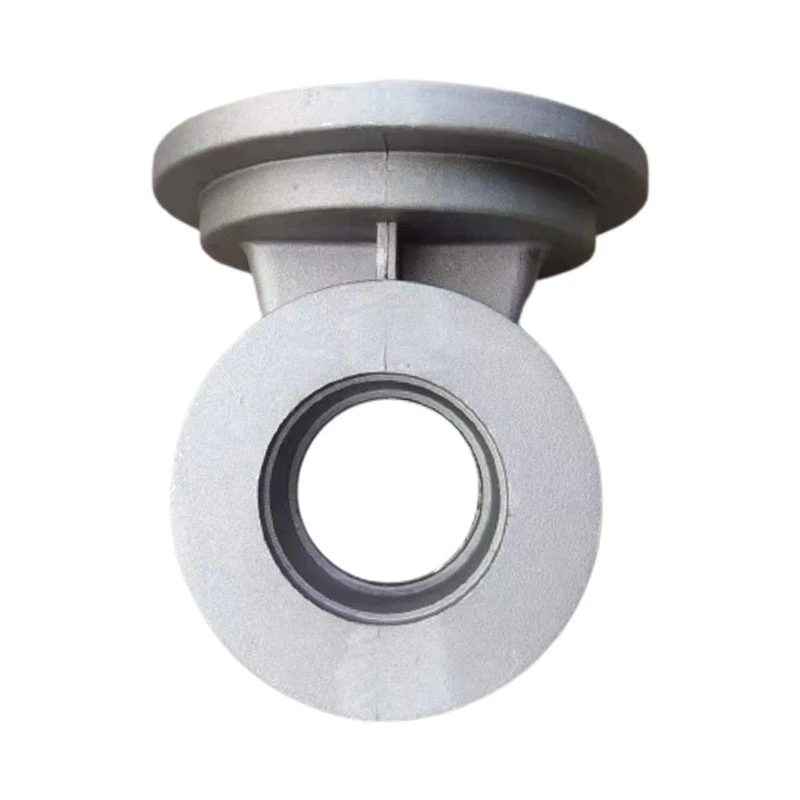
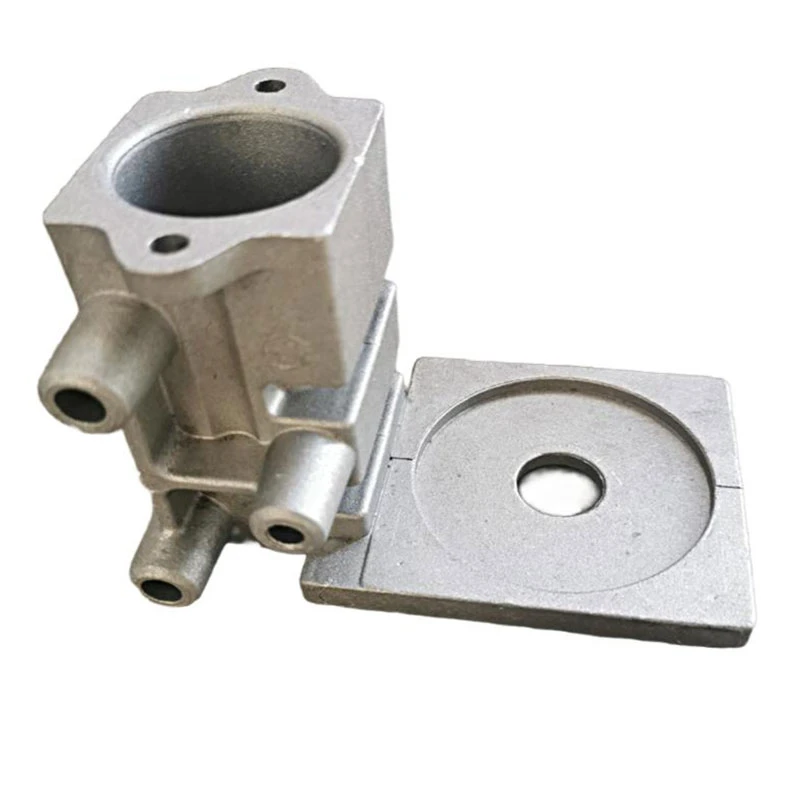
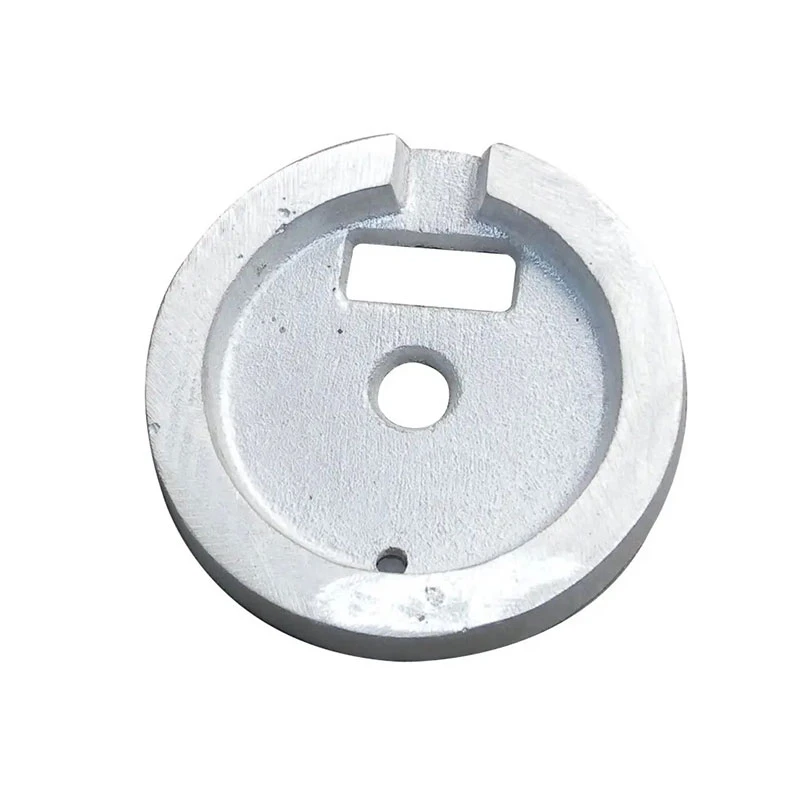
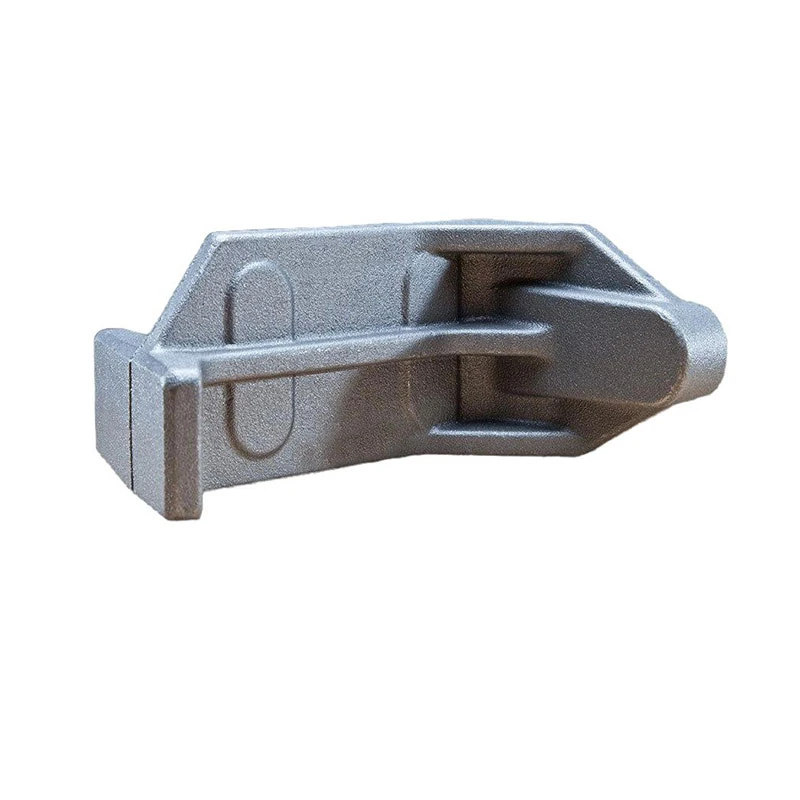
Simply put, additive manufacturing sand casting is a hybrid process where sand molds or cores are created layer-by-layer using additive manufacturing technologies such as 3D sand printing. Unlike conventional methods, where wooden or metal patterns are carved and assembled, this technique “prints” the mold directly from digital models. The sand mold then serves as the cavity for molten metal, forming complex castings.
It’s a modern twist on a centuries-old craft that meets today’s need for customization, speed, and efficiency. This connection to the digital world means manufacturers can iterate designs quickly without the time and cost penalties of retooling. It’s especially valuable in medical device manufacturing, aerospace, or even rapidly responding to humanitarian crises with essential metal parts.
Key Components of Additive Manufacturing Sand Casting
1. Precision and Complexity
The core strength lies in the ability to produce intricate geometries impossible with traditional patterns. This precision is crucial when casting parts like turbine blades or intricate valve components where every micron counts.
2. Speed and Agility
Because the molds are 3D printed, lead times shrink dramatically. No need for lengthy pattern design or assembly steps. This agility improves responsiveness especially in sectors requiring fast prototyping or limited batch production.
3. Cost Efficiency
While initial equipment investment can be high, the elimination of pattern tooling and reduction of material waste make it cheaper in the medium term — particularly for complex or low-volume parts.
4. Environmental Sustainability
Using additive manufacturing cuts down on raw material consumption and reduces the emission footprint compared to traditional subtractive approaches. Sand can often be recycled up to a certain number of cycles, adding another layer of eco-friendliness.
5. Scalability and Customization
From single prototypes to small-batch runs, the methodology adapts fluidly. This scalability is excellent for industries embracing customization — say, automotive parts customized for specific clients, or specialized agricultural equipment.
Global Applications and Real-World Use Cases
- Aerospace & Defense: Complex cast parts such as combustion chambers or brackets are produced rapidly with higher precision and less waste, meeting strict safety standards.
- Automotive Industry: Prototyping and short runs of engine components or brackets are cheaper and faster to produce, reducing overall development cycles.
- Medical Equipment: Customized orthopedic implants and surgical tools benefit from the method’s precision and small-batch flexibility.
- Post-Disaster Relief: Oddly enough, in humanitarian zones, locally printing sand molds can help produce critical replacement parts for water pumps or machinery without waiting for shipments.
- Foundries in Emerging Economies: Countries with limited tooling infrastructure can leapfrog to this digitized process, reducing dependence on imported tooling.
The Advantages and Long-Term Value
What’s really compelling about additive manufacturing sand casting is its blend of logical and emotional benefits. Logically, it’s about reducing costs, improving turnarounds, and pushing innovative designs faster to market. Emotionally, it represents trust in technology fostering safer, more sustainable manufacturing. Imagine engineers knowing they can iterate reliably while minimizing waste — that confidence fuels innovation.
Furthermore, this technique champions dignity and social impact by enabling local production without huge capital outlays. Smaller businesses or cooperatives in less industrialized regions can manufacture high-quality parts, empowering economic growth. It’s more than technology; it’s a pathway for inclusive development.
Product Specification Table: Typical Sand Casting Additive Manufacturing Setup
| Specification | Typical Value/Range |
|---|---|
| Mold Material | Silica Sand + Binder (organic/inorganic) |
| Printing Resolution | 100–300 microns layer thickness |
| Max Mold Size | Up to 2 meters per side (varies by machine) |
| Typical Mold Production Time | 10 minutes to a few hours, depending on size |
| Material Waste Reduction | Up to 30% less than traditional casting |
Vendor Comparison Table
| Manufacturer | Print Volume | Binder Type | Industry Focus | Price Range (USD) |
|---|---|---|---|---|
| Vendors A | 1.5m³ | Organic binder | Aerospace, automotive | $500,000–$1,000,000 |
| Vendor B | 2m³ | Inorganic binder | Industrial tooling, foundries | $750,000–$1,200,000 |
| Vendor C | 1m³ | Mixed binder | Medical, rapid prototyping | $350,000–$600,000 |
Future Trends & Innovations
The future of additive manufacturing sand casting is interwoven with the rise of digital manufacturing ecosystems. Additive manufacturing sand casting is beginning to embrace automation and AI-driven process monitoring — imagine smart sand printers that optimize each layer for strength and speed automatically.
Material innovations are also underway, including bio-based binders that degrade harmlessly or can be reused indefinitely, hinting at even greener cycles. On the policy front, governments and standards bodies like ISO are creating stricter guidelines around environmental impact and quality assurance, pushing the tech to mature fast.
Challenges and Practical Solutions
- High Initial Costs: The upfront price for equipment can be daunting but often amortizes quickly with reduced tooling and improved throughput.
- Material Limitations: Some sand formulations aren't yet optimized for all metal types, though ongoing R&D is closing gaps.
- Surface Finish Quality: While significantly better than traditional sand casting, post-processing might still be required for critical surfaces.
- Operator Expertise: Skilled workforce is needed to manage complex printers and interpret digital files effectively—training programs and smaller pilot projects help bridge this.
FAQ: Frequently Asked Questions About Additive Manufacturing Sand Casting
Q1: How does additive manufacturing improve sand casting speed?
A1: Traditional sand casting requires time-consuming pattern making and assembly. Additive manufacturing prints the mold directly from CAD data, cutting lead times from days or weeks to hours, allowing faster iteration and production.
Q2: Can additive manufacturing sand casting handle large, complex parts?
A2: Yes, depending on the printer’s build volume. Many commercial systems can produce molds up to 2 meters or more. Layered printing also enables complex internal geometries difficult with traditional methods.
Q3: Is sand used in this process recyclable?
A3: Often, yes. Spent sand can be sieved and mixed with fresh sand for reuse several times, reducing waste and material costs, though binder type affects recyclability.
Q4: Which industries benefit most from additive manufacturing sand casting?
A4: Aerospace, automotive, medical devices, defense, and customized machinery manufacture are notable beneficiaries due to the need for precision, speed, and customization.
Conclusion
In real terms, additive manufacturing sand casting isn’t just changing how sand molds are made; it’s reshaping manufacturing itself—accelerating timelines, reducing environmental impacts, and unlocking design freedom. For organizations large and small, or humanitarian groups needing rapid part production, this method offers exciting, sustainable possibilities.
If you want to learn more about cutting-edge foundry technologies or access tailored solutions, please visit https://www.hairunsourcing.com for comprehensive resources and expert support.
Mini takeaway: Additive manufacturing sand casting blends tradition with innovation—speeding production, cutting waste, and opening doors to new industrial opportunities worldwide.
References
-
Comprehensive Guide to Automotive Die Casting for Enhanced Vehicle PerformanceNewsJan.27,2026
-
Comprehensive Guide to Aluminum Pressure Die Casting Manufacturing ProcessesNewsJan.27,2026
-
Hot Chamber Die Casting vs Cold Chamber Die Casting ExplainedNewsJan.06,2026
-
Hot Chamber And Cold Chamber Die Casting Solutions for Industrial Applications | Hairun SourcingNewsJan.06,2026
-
Hot and Cold Chamber Die Casting: Key Insights from Industry ExpertsNewsJan.06,2026
-
Comprehensive Guide on Graphite Die Casting for B2B Manufacturing | HairunSourcingNewsJan.05,2026