


Pros and Cons of Sand Casting: Cost-Effective, Versatile
pros and cons of sand casting is a key solution in the manufacturing industry, specifically within General equipment manufacturing industry and Casting manufacturing. This article explores how Baoding Hairun Machinery And Equipment Trading Co., Ltd. supports professionals with durable, high-performance products, and explains why this product is an ideal choice for businesses in these sectors.
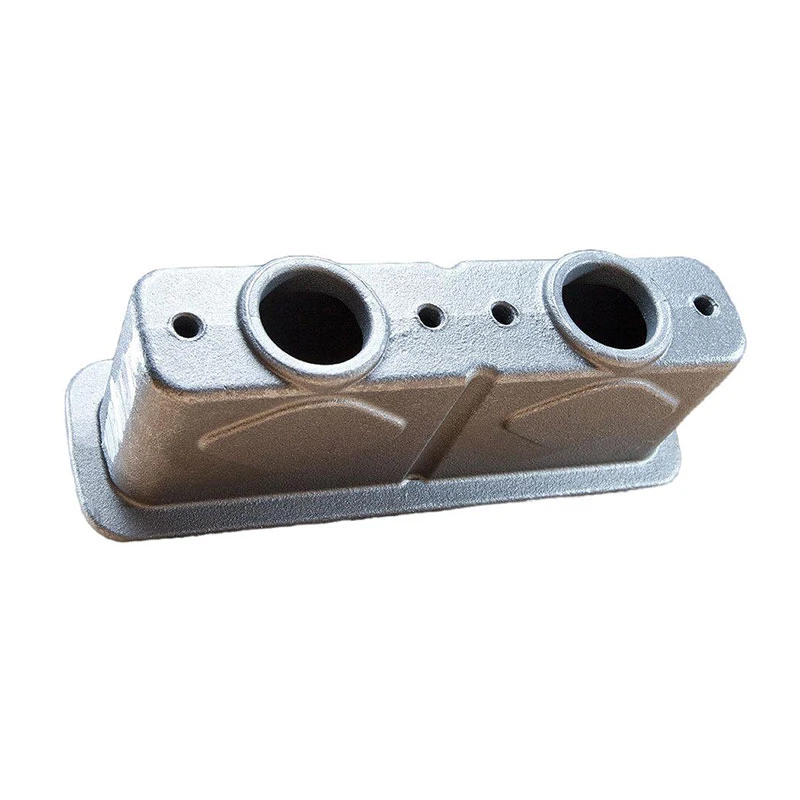
Table of Contents
- pros and cons of sand casting Overview
- Benefits & Use Cases of pros and cons of sand casting in Casting manufacturing
- Cost, Maintenance & User Experience
- Sustainability & Market Trends in manufacturing
- Conclusion on pros and cons of sand casting from Baoding Hairun Machinery And Equipment Trading Co., Ltd.
pros and cons of sand casting Overview
Sand casting remains one of the most versatile routes for converting metals into functional components across general equipment and heavy-industry segments. Evaluating the pros and cons of sand casting helps B2B decision makers balance cost, lead time, and performance. On the plus side, sand casting supports a wide range of alloys (gray and ductile iron, carbon and alloy steel, aluminum, and bronze), accommodates large parts and complex internal cavities using cores, and requires comparatively low tooling investment. On the downside, it typically delivers lower dimensional precision and surface finish than die or investment casting and may need additional machining and surface treatment.
From patterns and gating to molding, pouring, shakeout, and finishing, Baoding Hairun Machinery And Equipment Trading Co., Ltd. manages the full process with rigorous quality checkpoints and defect-prevention practices. For example, the company’s OEM cylinder head cover programs emphasize robust core design, melt control, and leak testing to meet engine sealing requirements. Dimensional inspection, metallographic validation, and tailored heat treatment help align material properties with service loads. Backed by engineering support and reliable supply, Hairun provides a proven path from RFQ to SOP for demanding equipment builders.
Benefits & Use Cases of pros and cons of sand casting in Casting manufacturing
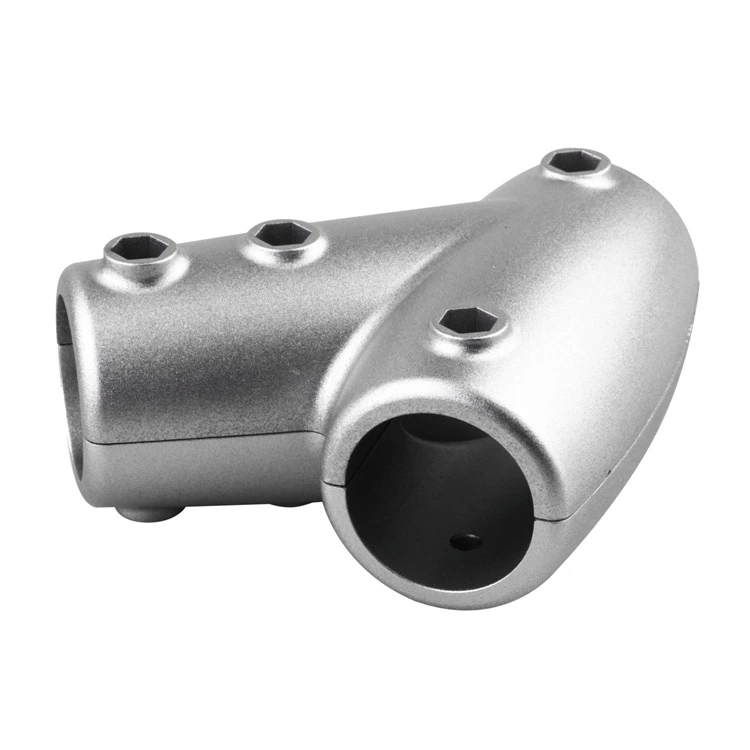
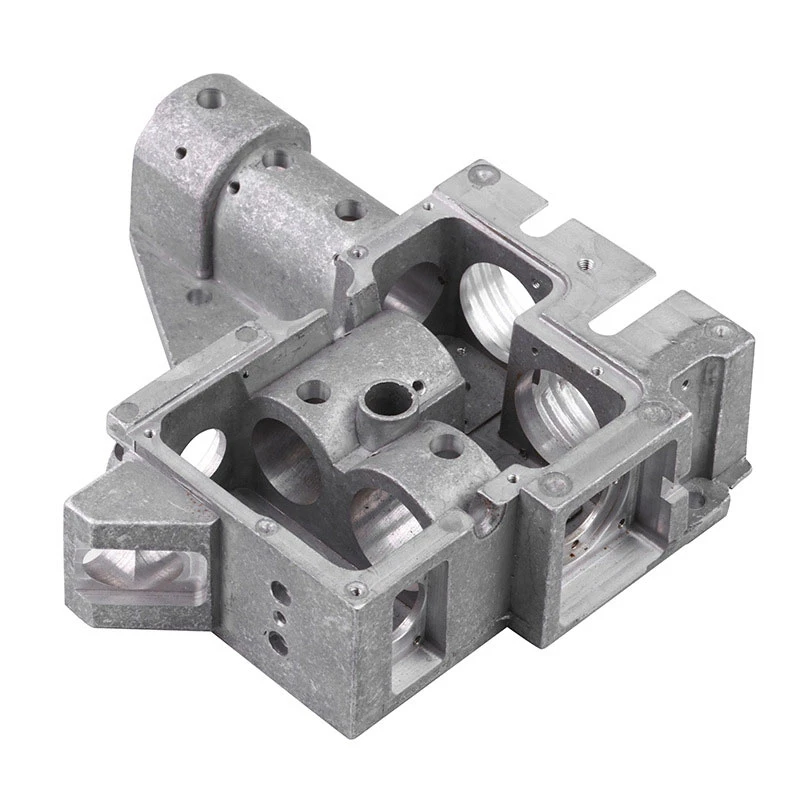
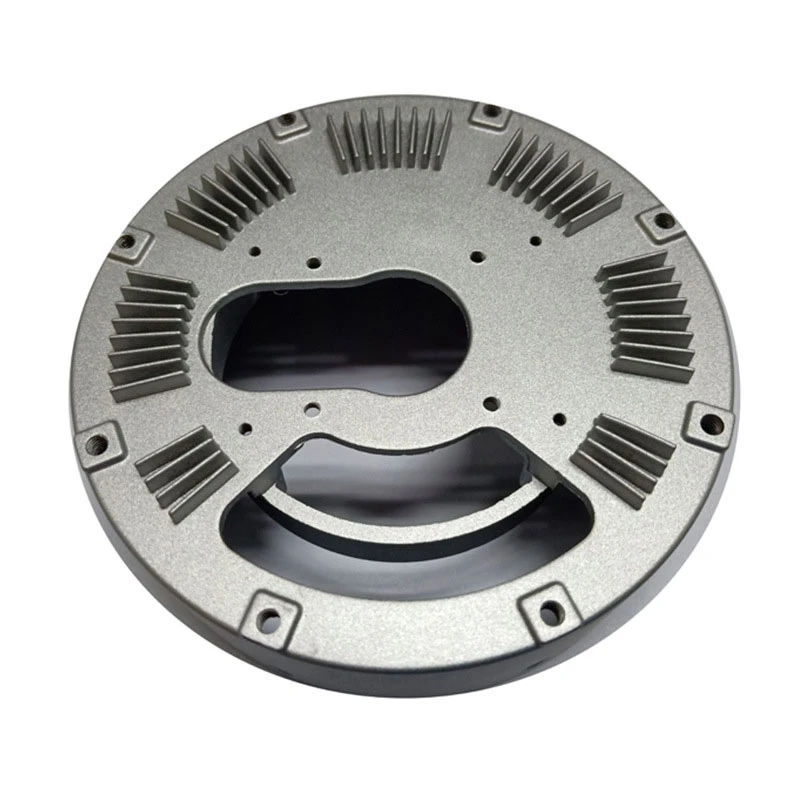
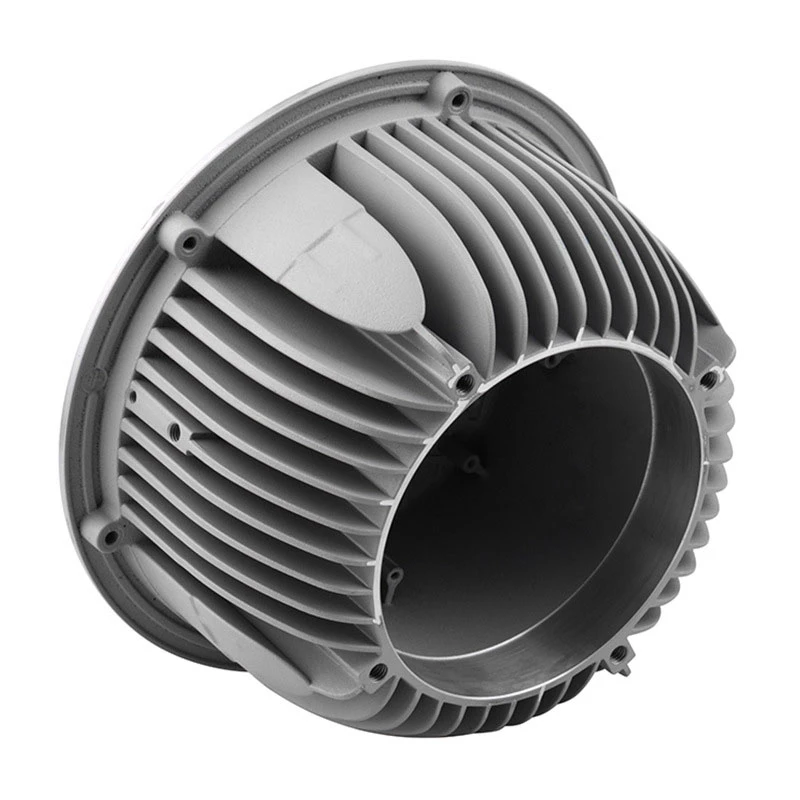
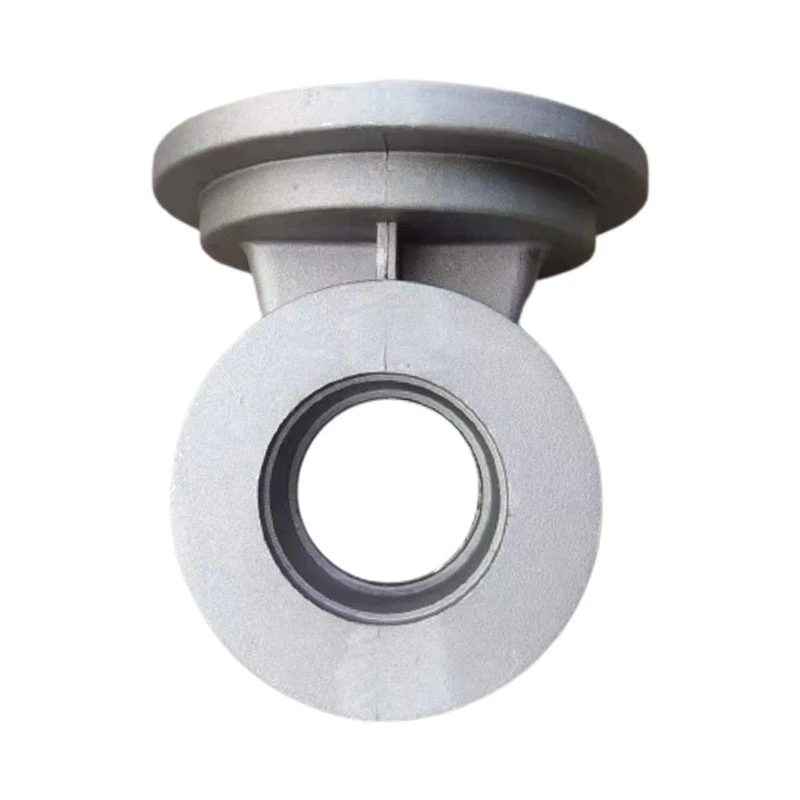
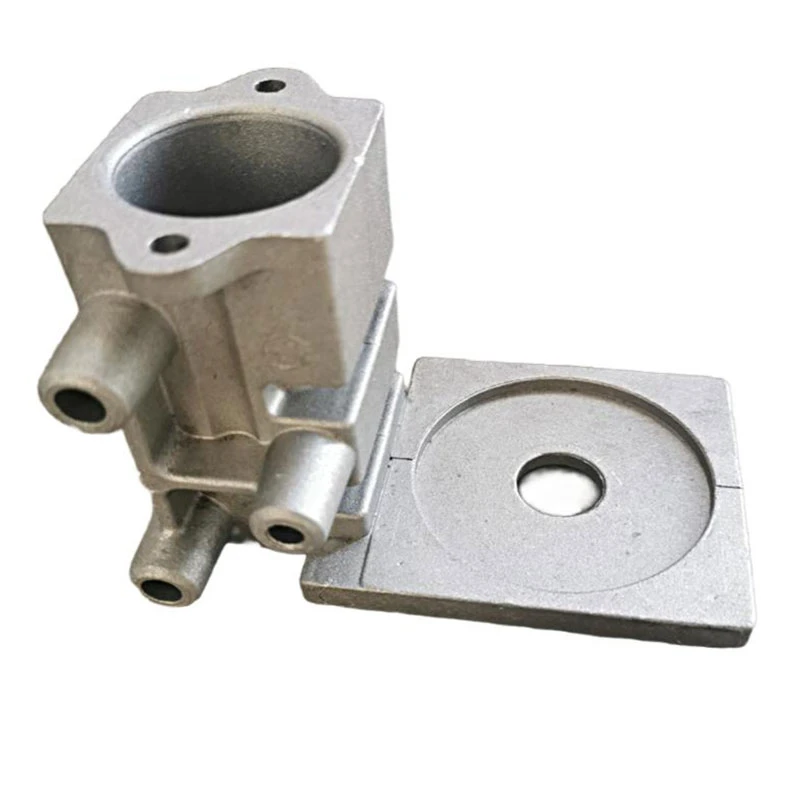
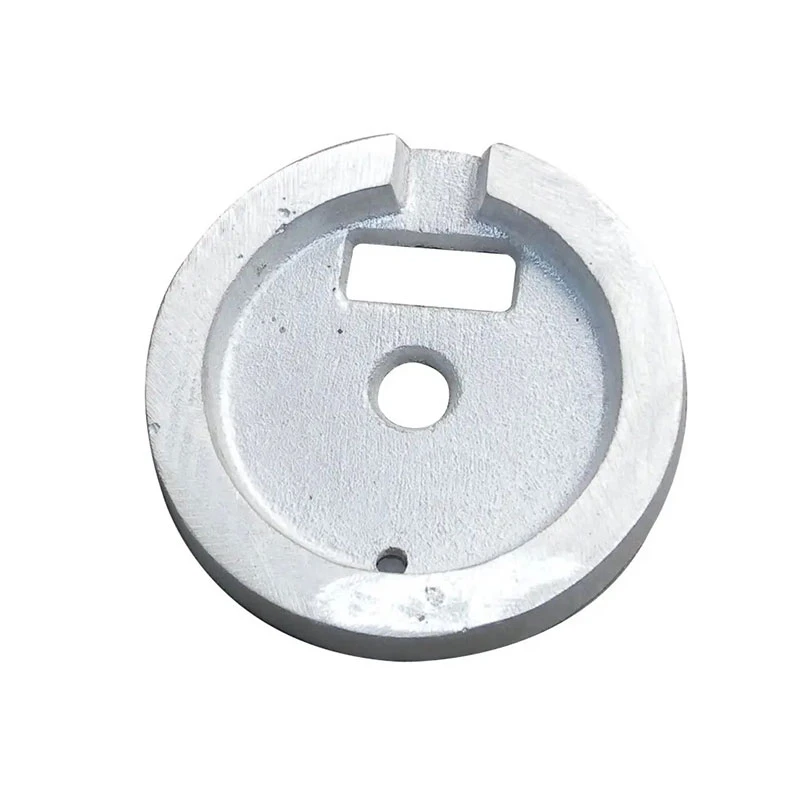
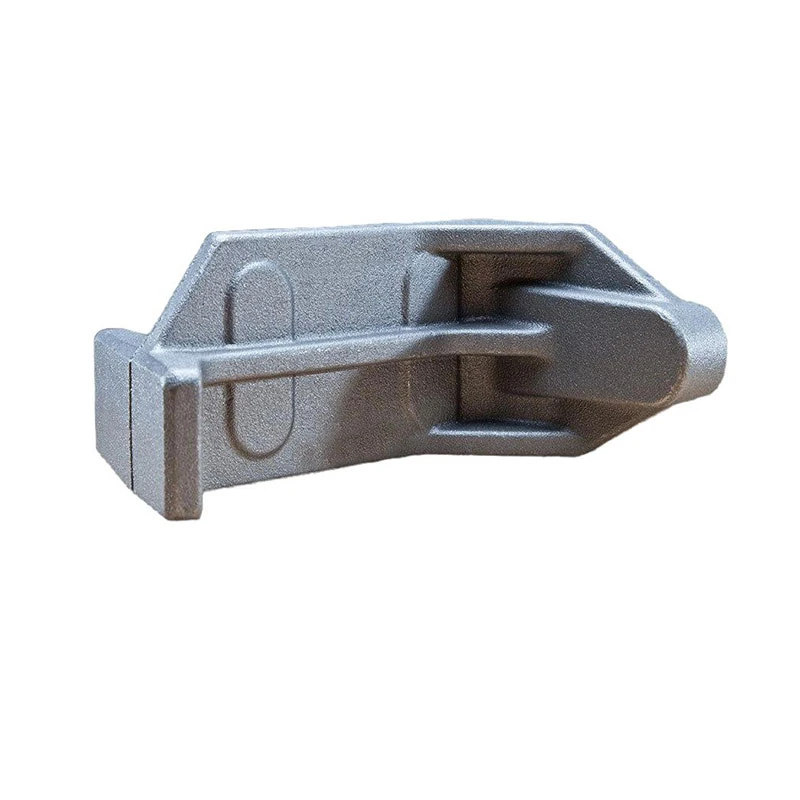
In Casting manufacturing, sand casting is widely used for pump and valve bodies, gearbox housings, cylinder head covers, impellers, manifolds, machine bases, counterweights, and brackets. These are classic products produced by sand casting because the process accepts thick-to-thin transitions, complex channels via cores, and moderate production volumes. Typical products made by sand casting often enter secondary processes—CNC machining, shot blasting, coating, or impregnation—to achieve final tolerances and surface requirements for field reliability.
Competitive advantages include flexible tooling updates for design iterations, cost-effective launch for new programs, and suitability for large-format parts that would be uneconomical in alternative processes. A balanced view of the pros and cons of sand casting recognizes risks such as porosity or sand inclusion, which are mitigated by sound gating, venting, and core design. Baoding Hairun Machinery And Equipment Trading Co., Ltd. leverages DFM reviews, simulation-backed gating strategies, and precise core-making to stabilize quality. Whether you need products made sand casting for heavy-duty hydraulics or products made from sand casting for power transmission, Hairun’s expertise ensures reproducibility, robust metallurgy, and end-to-end traceability for OEM and aftermarket needs.
Cost, Maintenance & User Experience
Total cost of ownership in sand casting is influenced by pattern tooling, molding method (green sand or resin sand), alloy selection, yield, and downstream machining. Tooling for sand casting is typically more budget-friendly than high-pressure die casting or investment casting, enabling faster validation and design changes. While per-part cost can be moderate, the need for machining and finishing should be factored into ROI models. Maintenance considerations include periodic pattern refurbishment and process controls to sustain dimensional stability over long campaign runs.
Customers in the general equipment manufacturing sector value predictable lead times, transparent quality documentation, and consistent mechanical properties. Feedback indicates that robust communication on gating/core revisions and proactive PPAP-like documentation improve ramp-up reliability. Baoding Hairun Machinery And Equipment Trading Co., Ltd. centers user experience on three pillars: up-front DFM to reduce rework, disciplined process control to lower scrap risk, and responsive after-sales support. The result is a practical balance: the pros and cons of sand casting are managed to deliver dependable parts and a clear path to payback through reduced tooling outlay and program agility.
Sustainability & Market Trends in manufacturing
Sustainability is reshaping foundry operations. Sand reclamation systems reduce waste and fresh sand consumption, while optimized binder systems and melt practice help minimize emissions. Recycling scrap and gating returns lowers raw material intensity, and simulation-driven yield improvements reduce energy per good casting. As regulations tighten around air quality and waste handling, OEMs increasingly favor suppliers that can quantify environmental performance and demonstrate continuous improvement across the supply chain.
Market trends also include digital engineering (casting simulation, 3D-printed sand cores) to accelerate development and cut trial loops—key to maximizing the pros and cons of sand casting in fast-moving programs. Baoding Hairun Machinery And Equipment Trading Co., Ltd. is committed to eco-conscious, forward-thinking production, aligning process control with resource efficiency and data-driven decision-making. By embracing advanced tooling methods, defect-prevention strategies, and sand reuse practices, Hairun supports customers’ sustainability roadmaps while safeguarding cost and schedule targets across new and legacy platforms.
Conclusion on pros and cons of sand casting from Baoding Hairun Machinery And Equipment Trading Co., Ltd.
For B2B decision makers, understanding the pros and cons of sand casting clarifies where the process excels: launching cost-efficient programs, handling large or complex parts, and enabling alloy flexibility. When paired with disciplined engineering and QA, it delivers dependable performance across Casting manufacturing. Baoding Hairun Machinery And Equipment Trading Co., Ltd. stands out for process know-how, responsive support, and scalable capacity from prototype to volume production. Contact us: email: grace@hairunsourcing.com. Visit our website: https://www.hairunsourcing.com
-
Guide to Anodizing Die Cast Aluminum for Industrial ExcellenceNewsApr.16,2026
-
High Quality Precision Aluminum Die Casting Components GuideNewsApr.09,2026
-
Comprehensive Guide to High Quality Aluminium Pressure Die Casting ProductsNewsApr.07,2026
-
Comprehensive Guide to Aluminium Pressure Die Casting Components and SolutionsNewsApr.04,2026
-
Comprehensive Guide to Aluminium HPDC Casting for Global SourcingNewsMar.31,2026
-
Comprehensive Guide to Precision Aluminium Die Castings and Manufacturing SolutionsNewsMar.28,2026