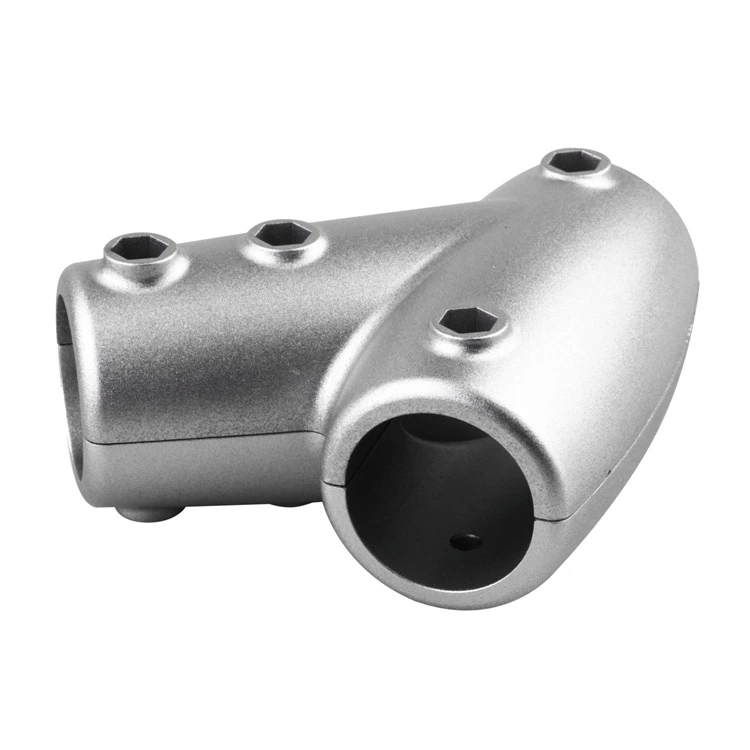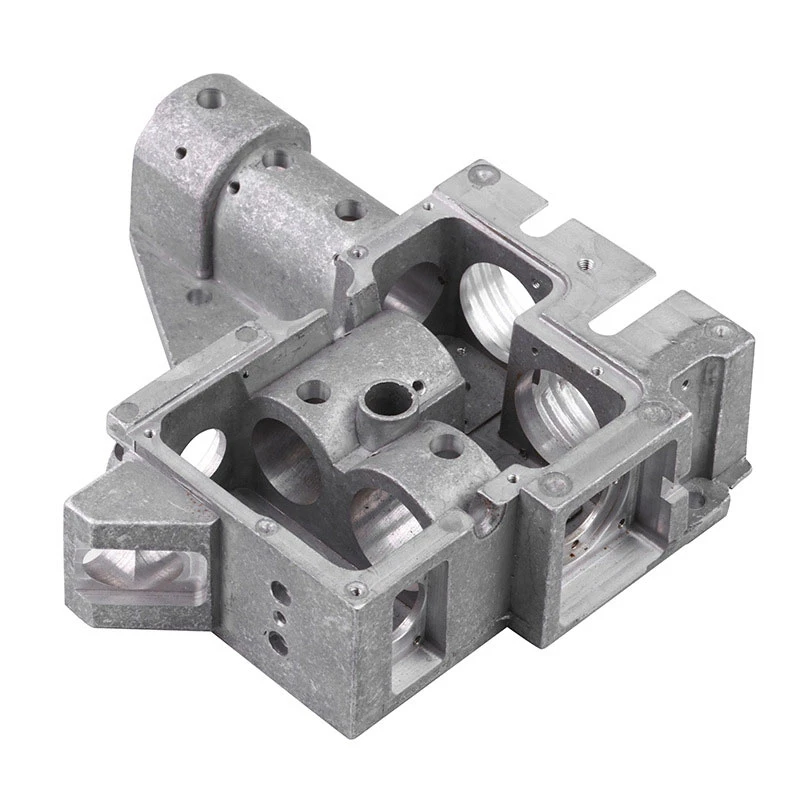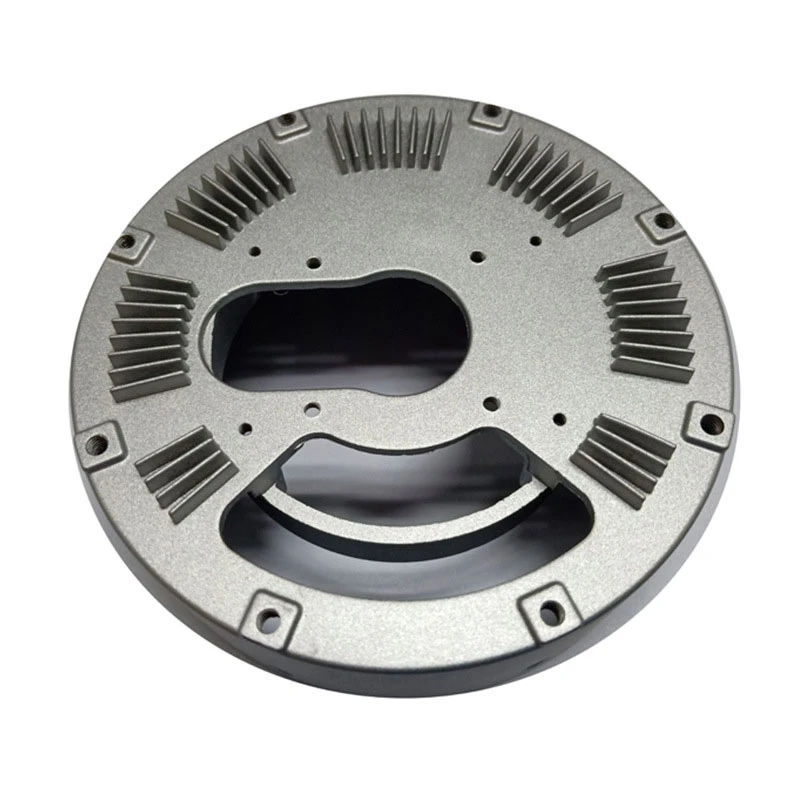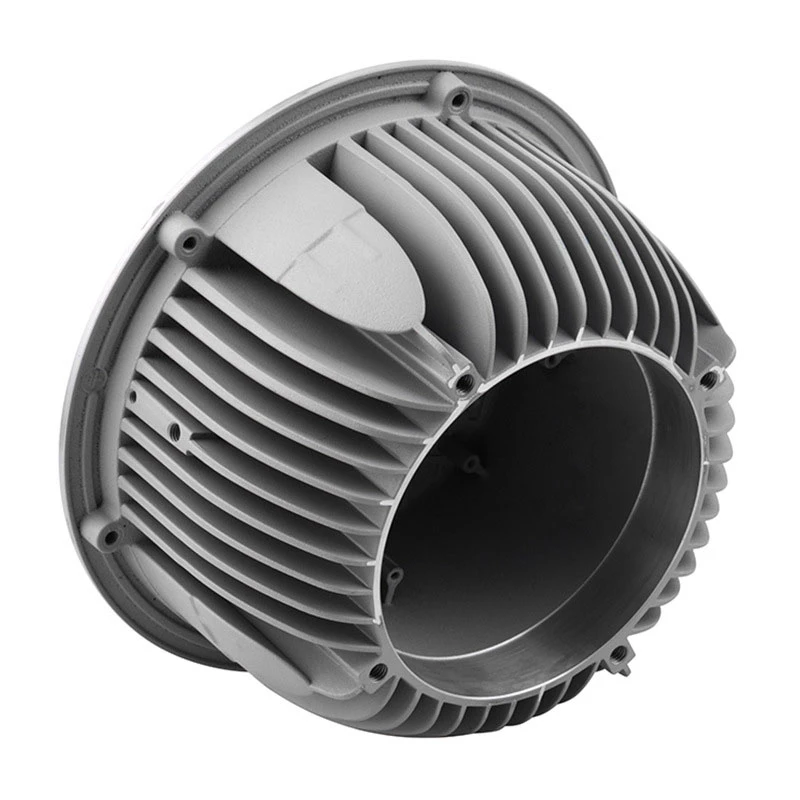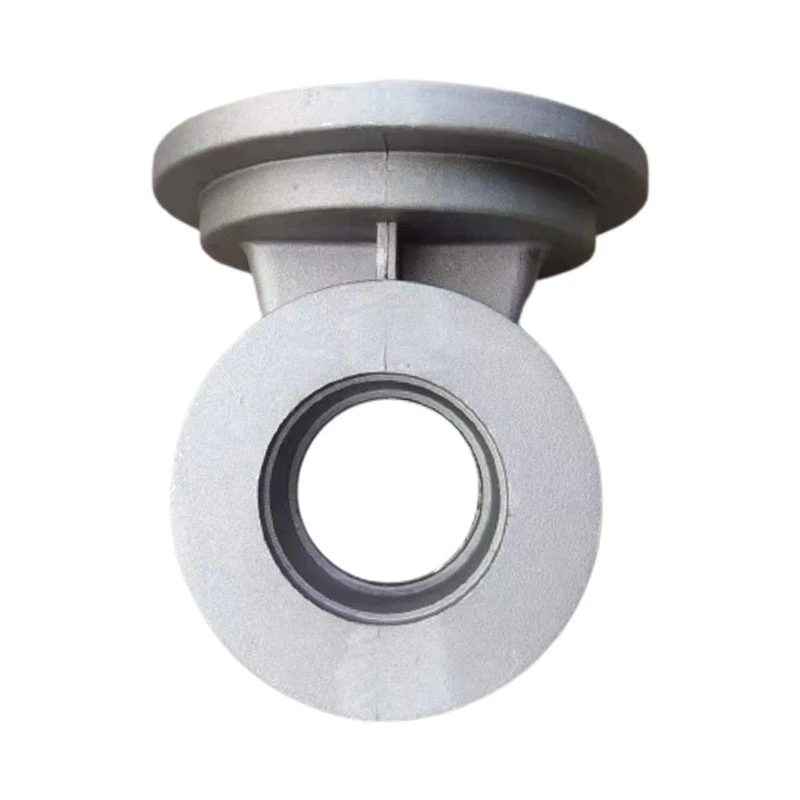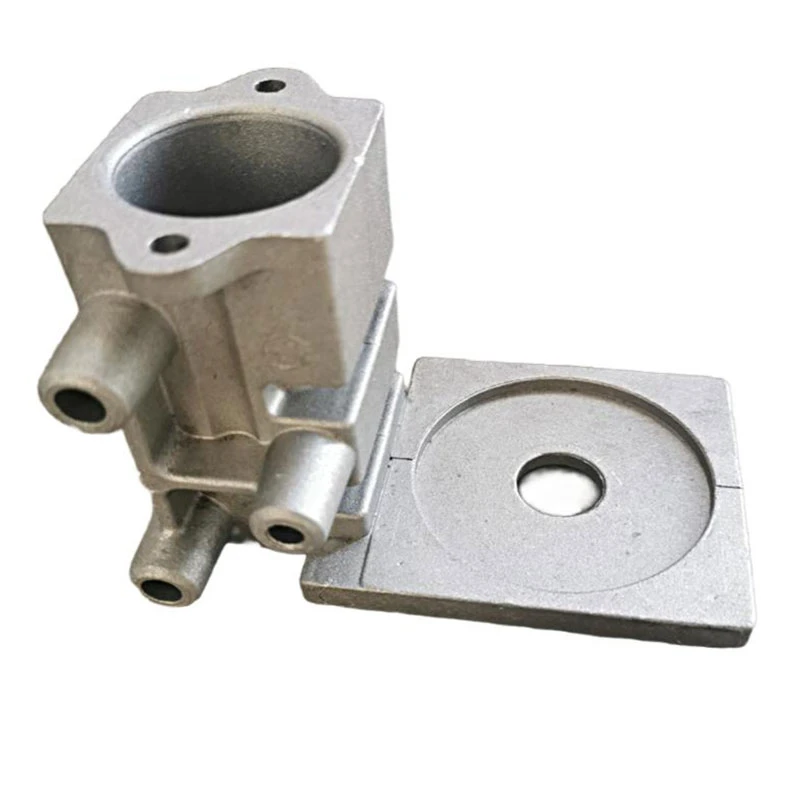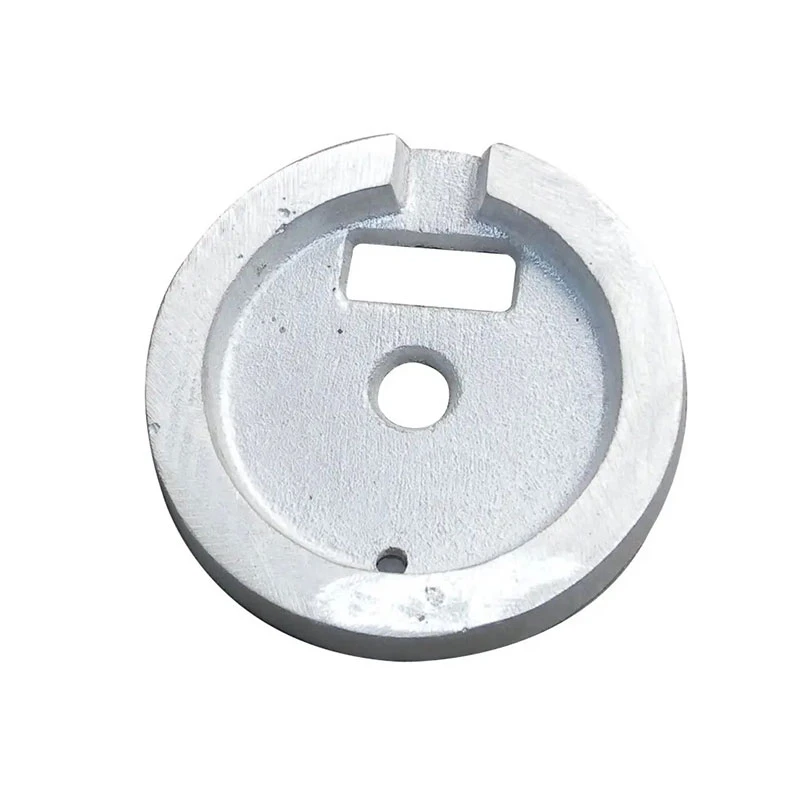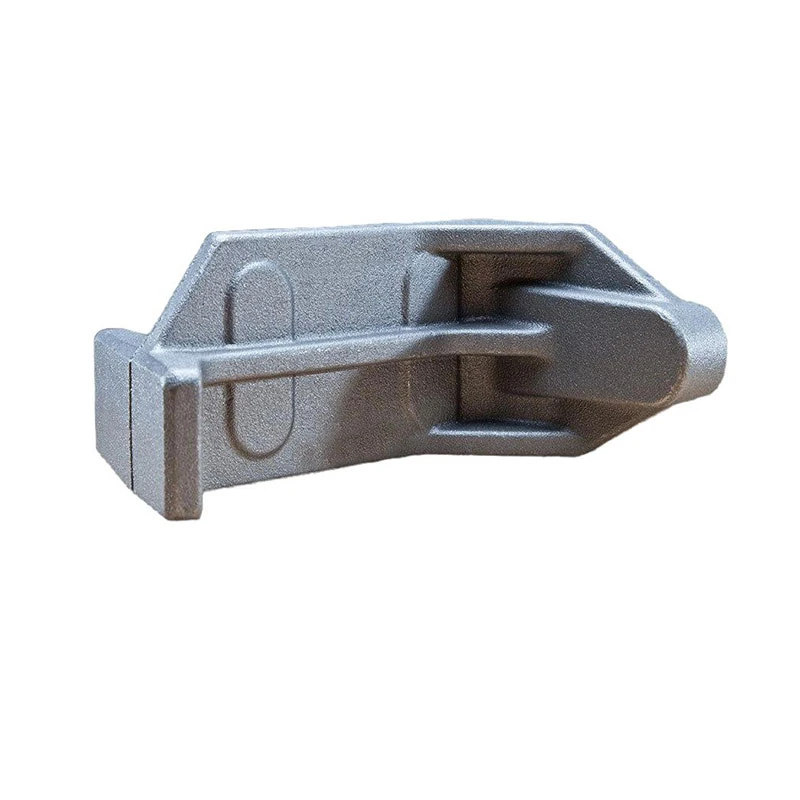



Precision Machining and Manufacturing | Tight Tolerances
Oem Nodular Cast Iron: What’s Really Changing in Precision Work
If you’ve been watching precision machining and manufacturing over the past few years, you’ll know the story: tighter tolerances, shorter lead times, fewer excuses. And honestly, I’ve seen the same at shop floors from Hebei to the Midwest—ductile (nodular) iron castings are back in demand because they solve a simple problem: strength where it counts without blowing the budget. Hairun’s Oem Nodular Cast Iron operation in Baoding (3rd Floor, No. 678 Jinxiu Street, Baoding, China) sits right in that sweet spot.
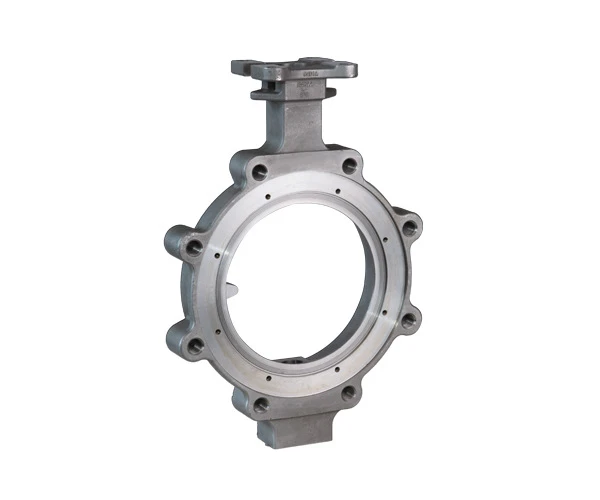
Why nodular iron, now?
Ductile iron (spheroidal graphite) gives you steel-like toughness with casting economics. Many customers say the surprise isn’t the strength; it’s the stability after machining. With Industry 4.0 dashboards, in-mold thermocouples, and routine CMM checks, foundries that also do precision machining and manufacturing are getting closer to design intent—without endless rework.
Product snapshot: Oem Nodular Cast Iron
Core material: ductile iron (ASTM A536 grades like 60-40-18, 65-45-12; EN-GJS-400–700). Also available on request: steel, aluminum, copper, iron, nickel, titanium; and non-metal options (fiberglass board, PTFE) for assemblies. Sizes and unit weight are based on your drawings or samples—yes, customization is standard here.
| Spec | Typical Value (≈/around) | Notes |
|---|---|---|
| As-cast tolerance | ISO 8062-3 CT8–CT10 | Machined to ±0.01–0.05 mm depending on feature |
| Surface roughness | Ra 1.6–3.2 μm (machined) | Real-world use may vary by toolpath and setup |
| Hardness | 170–230 HBW | Per ASTM A536 grade selection |
| NDT options | UT, MT, dye penetrant | X-ray on critical castings upon request |
| Service life | 8–15 years | Duty cycle and environment dependent |
Process flow (short version)
- DFM review + gating/risering simulation; confirm ASTM/EN grade and test plan.
- Melting + magnesium treatment; inoculation control with thermal analysis.
- Molding and pour; shakeout, shot-blast, riser removal.
- Heat treatment as needed (stress relief, normalizing).
- Rough and finish CNC; GD&T controls; SPC on CTQs.
- QC: chemical spectro, tensile bars (A536), hardness, UT/MT, CMM to ISO 10360.
- Coating/packing; full traceability and lot certs available on request.
Where it ends up
Automotive knuckles and hubs, pump/valve bodies, wind turbine gearbox housings, rail brake parts, ag machinery frames, and the odd robotics base where vibration damping matters. With integrated precision machining and manufacturing, you skip the finger-pointing between foundry and shop.
Vendor snapshot: compare before you commit
| Vendor | Materials | Tolerance (machined) | Lead Time | NDT |
|---|---|---|---|---|
| Oem Nodular Cast Iron (Baoding) | Ductile iron + multi-material options | ±0.01–0.05 mm (feature-dependent) | 3–6 weeks after PO | UT/MT/Dye; X-ray on request |
| Foundry A (traditional) | Cast irons only | ±0.05–0.10 mm | 6–10 weeks | UT only |
| Machine Shop B | Machining only | ±0.01–0.03 mm | 2–4 weeks (no casting) | — |
Numbers are indicative; your geometry and CTQs will drive the real plan.
Customization and test data (real-world)
Typical requests: threaded inserts, machined sealing faces to Ra ≤1.6 μm, phosphate + paint, powder coat, or e-coat. Example batch data (A536 65-45-12): UTS 460–500 MPa, yield 320–360 MPa, elongation 12–16%, hardness 190–210 HBW, CMM first-article Ppk ≈1.45 on bores Ø40–Ø90 mm. To be honest, the wins usually come from early DFM—moving a rib 2 mm can save a week.
Case notes
- Automotive knuckle: switched from welded steel to ductile iron; cost down ≈18%, NVH improved, scrap fell below 1.2% after PPAP.
- Pump body series: added chill inserts + stress relief; flatness held within 0.05 mm over 220 mm face, leak-rate zero at 1.5 bar air test.
Certification expectations: ISO 9001 for QMS; IATF 16949 on auto programs; material certs per ASTM A536 or EN 1563; dimensional checks to ISO 8062 and CMM verified to ISO 10360. Documents can be bundled with each lot, which—surprisingly—saves more time than people think.
Final thought: if your drawing is chasing microns on a rough casting datum, let’s rethink the stack. That’s where integrated precision machining and manufacturing shines—design, cast, cut, and verify as one loop.
Authoritative citations
- ASTM A536 – Standard Specification for Ductile Iron Castings.
- ISO 8062-3 – Geometrical tolerancing for castings; Dimensional and geometrical tolerances.
- ISO 10360 – Acceptance and reverification tests for coordinate measuring systems.
- IATF 16949 – Automotive QMS Requirements (applicable to series production).
-
Comprehensive Guide to Automotive Die Casting for Enhanced Vehicle PerformanceNewsJan.27,2026
-
Comprehensive Guide to Aluminum Pressure Die Casting Manufacturing ProcessesNewsJan.27,2026
-
Hot Chamber Die Casting vs Cold Chamber Die Casting ExplainedNewsJan.06,2026
-
Hot Chamber And Cold Chamber Die Casting Solutions for Industrial Applications | Hairun SourcingNewsJan.06,2026
-
Hot and Cold Chamber Die Casting: Key Insights from Industry ExpertsNewsJan.06,2026
-
Comprehensive Guide on Graphite Die Casting for B2B Manufacturing | HairunSourcingNewsJan.05,2026