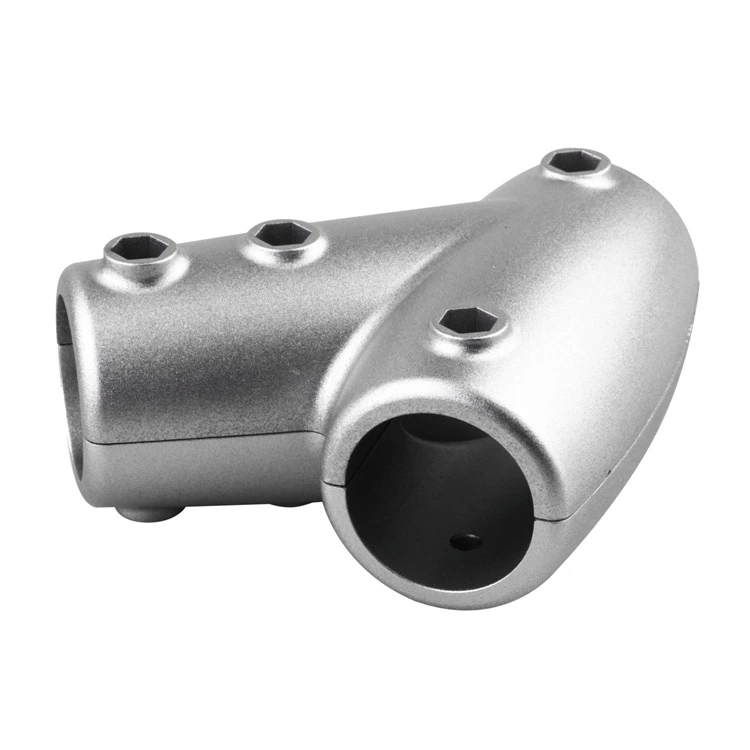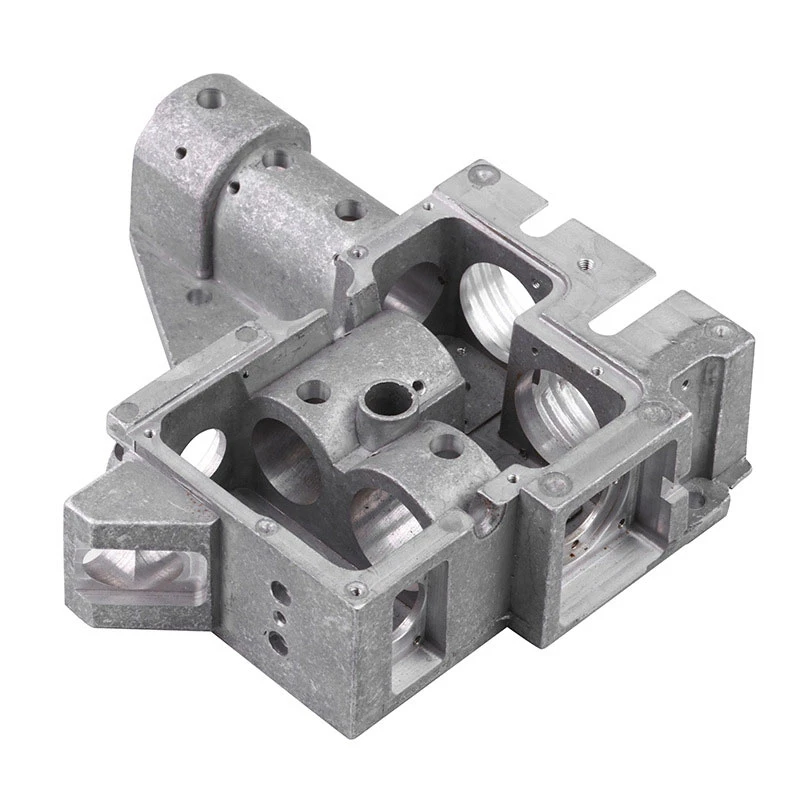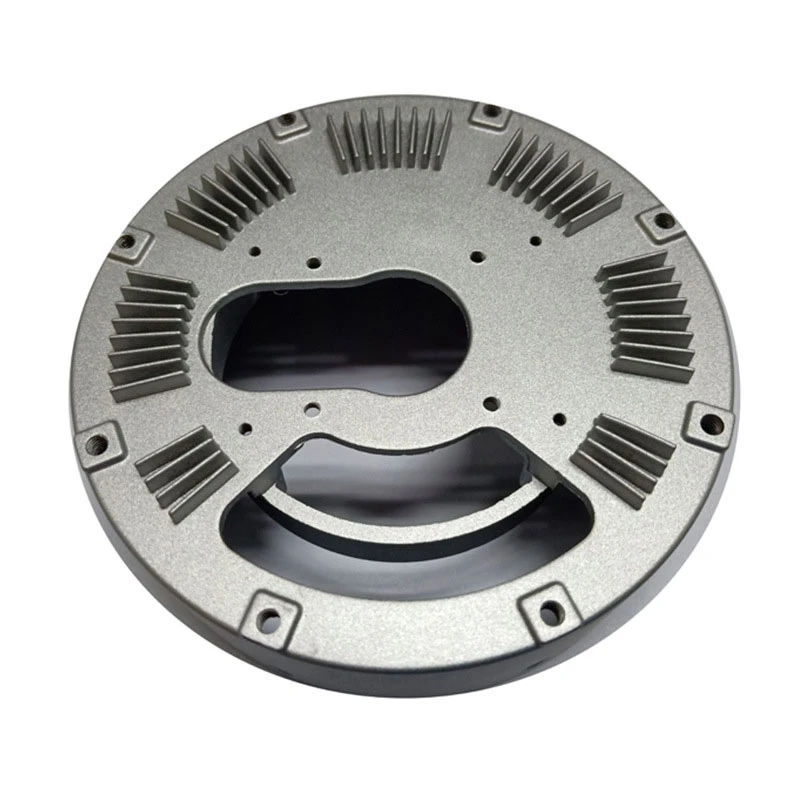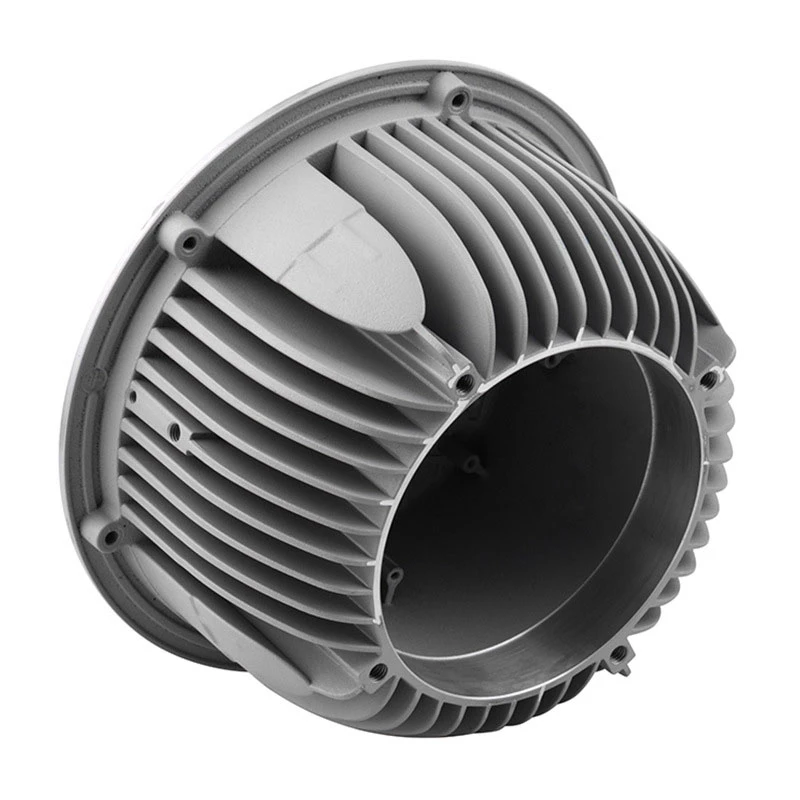



Cast of Sand Experts: CNC Precision & Custom Aluminum
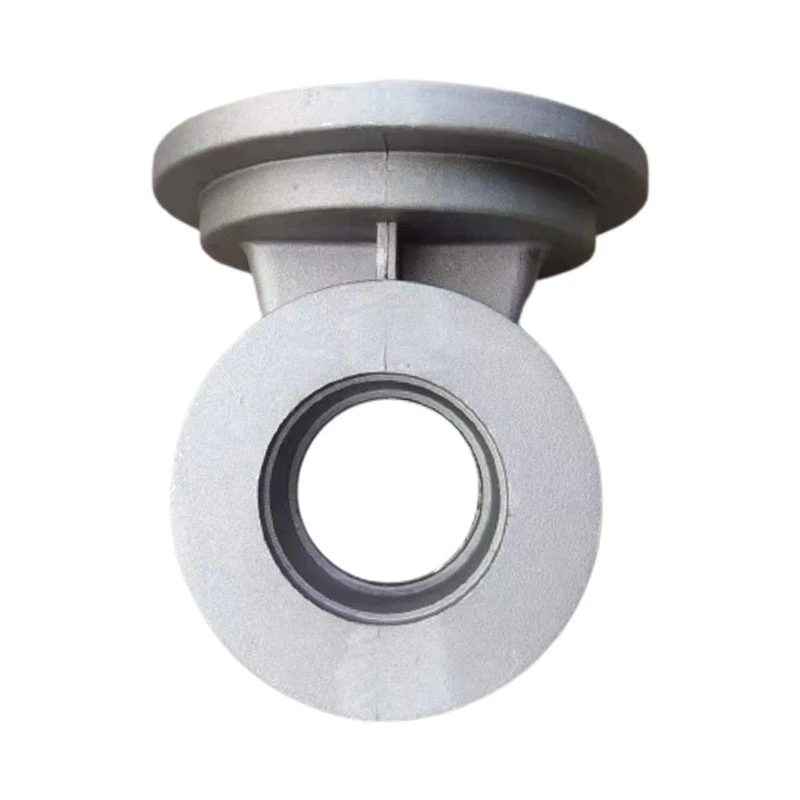
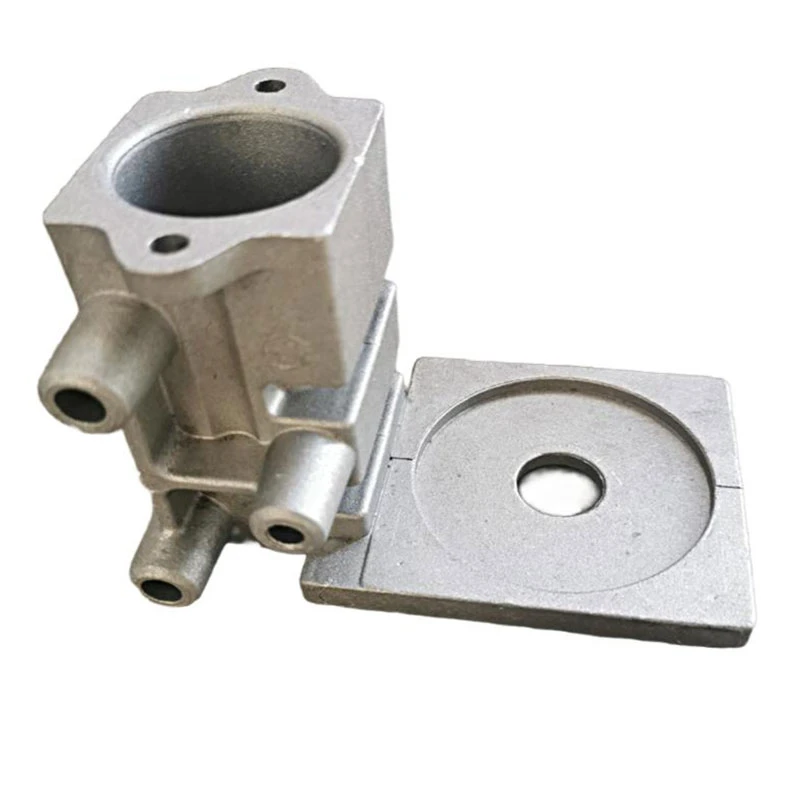
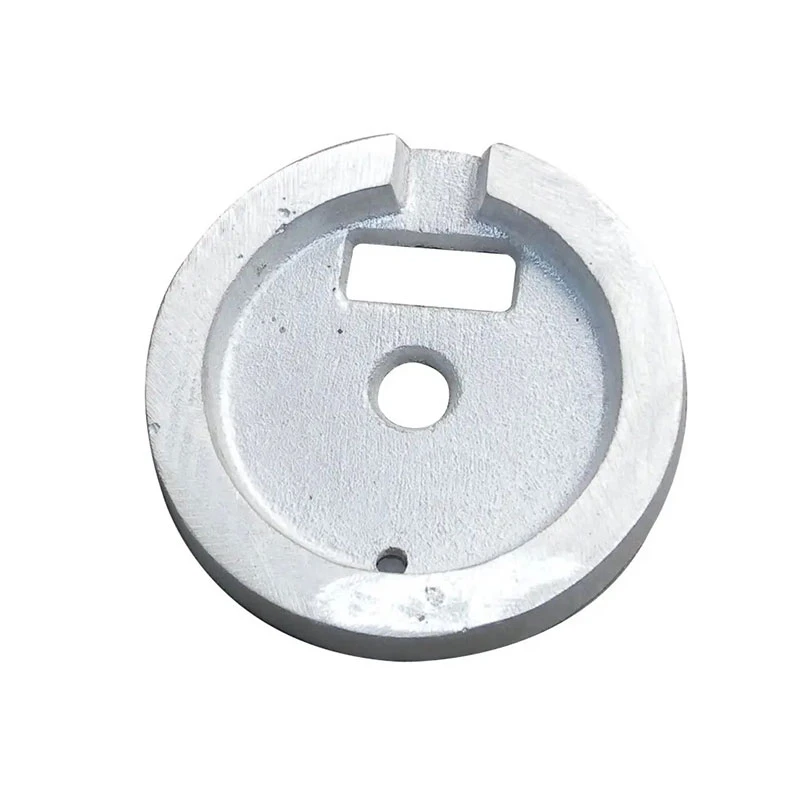
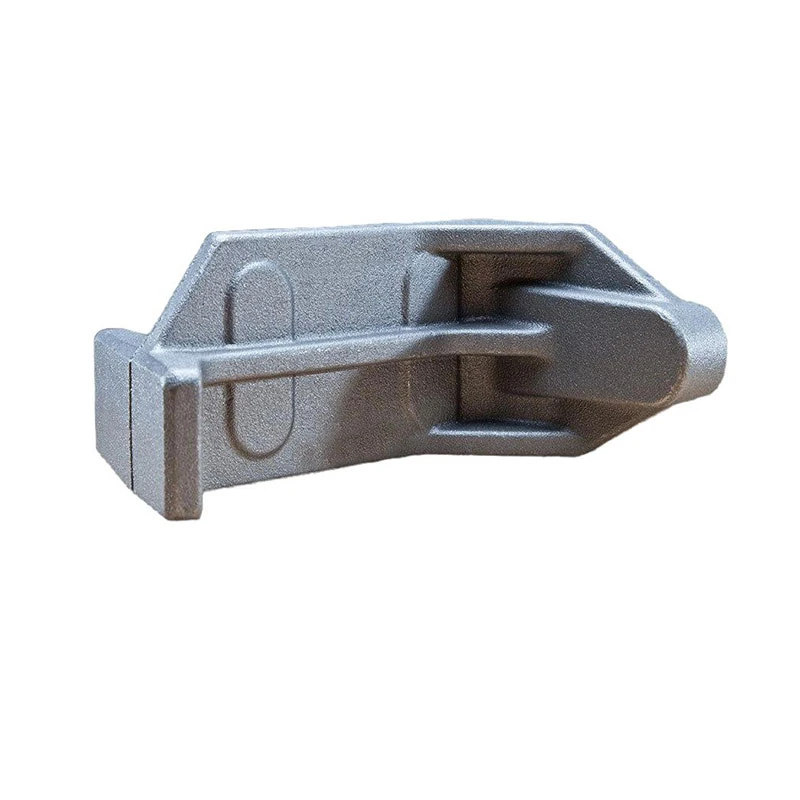
Oem Sand Casting Pump Valve Fittings: a field report from the foundry floor
If you’ve ever spec’d pump or valve components and wondered whether the humble cast of sand can hold its own against pricier processes—short answer: yes, when it’s done right. I’ve spent enough hours in noisy shakeout bays to say this with a straight face.
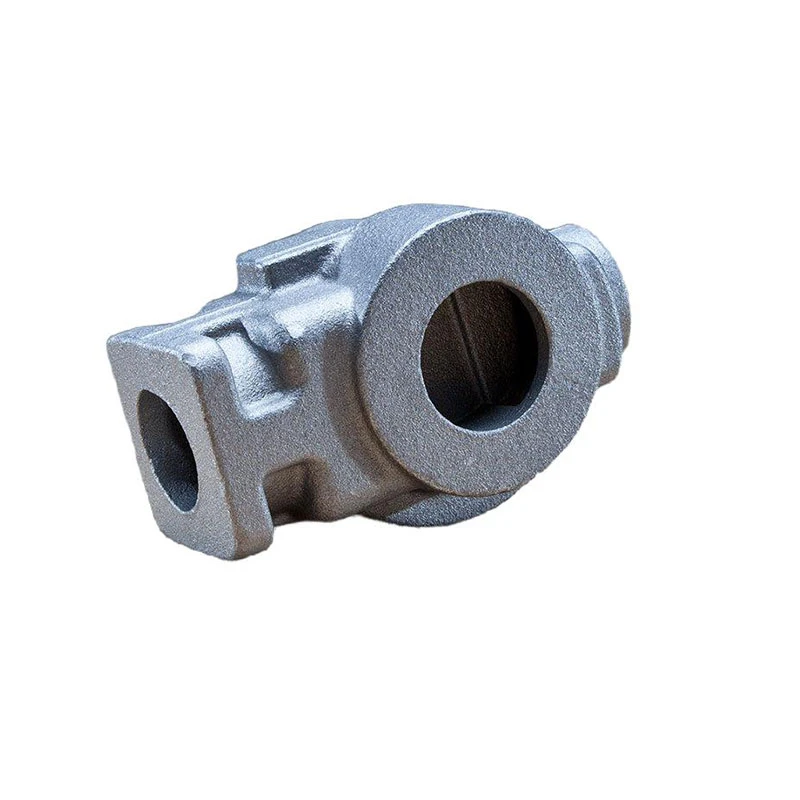
What’s happening in sand casting right now
Trends are surprisingly upbeat: 3D-printed sand molds are cutting lead times; foundries are tightening to ISO 9001/IATF standards; and recyclability of molding media is getting real attention. Many buyers are migrating critical pump/valve bodies back to cast of sand for cost control—especially in short-to-mid runs—while keeping tight tolerances via better binders and smarter gating.
Materials and process flow (how the sausage gets made)
Typical media: foundry sand, molding sand binder, siliceous/silica sand, zircon sand, chromite sand, corundum sand, and special blends—selected for thermal stability and anti-penetration. For these Oem Sand Casting Pump Valve Fittings (Origin: 3rd Floor, No. 678 Jinxiu Street, Baoding, China), the shop flow usually looks like this:
- Tooling/cores: wood/Al tooling or 3D-printed cores for complex passages.
- Molding: no-bake phenolic urethane or green sand (depends on spec).
- Melting/pouring: controlled chemistry, deoxidation; thermal analysis.
- Shakeout and shot-blast; riser/runner removal.
- Heat treatment: normalize or temper where required.
- Machining: CNC faces/bores, flatness and concentricity checks.
- NDT: dye penetrant (ASTM E1417) or MT (ASTM E1444), RT on criticals.
- Pressure test: per API 598 for valve bodies/covers.
- Coating/packing: rust prevention, export crating.
Product specifications (typical, ≈ values)
| Product | Oem Sand Casting Pump Valve Fittings |
| Material options | Gray/ductile iron, carbon steel, stainless (CF8/CF8M), alloy steels; sand media as listed above |
| Unit weight / size | Based on customer drawings or samples (customizable) |
| Tolerances | ISO 8062-3 CT7–CT9 (real-world use may vary with geometry) |
| Surface finish | Ra ≈ 6.3–12.5 μm as-cast; better with post-maching/shot-blast |
| Testing | Dimensional CMM, tensile (ASTM A370), hardness (ASTM E18), NDT, API 598 hydro/air where applicable |
| Certifications | ISO 9001, material cert EN 10204 3.1; IATF 16949 on request |
| Lead time | Tooling 2–4 weeks; production 2–3 weeks after approval |
| Origin | Baoding, China |
Application scenarios and service life
Water and wastewater pumps, chemical valve bodies, HVAC pumps, mining slurry fittings, marine ballast systems. In neutral water service, a well-made cast of sand valve body easily delivers 5–10 years; corrosive media needs proper alloy selection and coating—common sense, but still overlooked.
Real test data snapshot
- Tensile (ASTM A370, carbon steel): ≈ 420–520 MPa
- Hardness: 180–220 HB
- Porosity level (RT): ≤ 1.5% area class on critical zones
- Pressure test (API 598): no visible leakage at test pressure
Advantages I see buyers care about
- Cost-effective for complex internal passages vs. machining from solid.
- Flexible customization—fast changes to cores and wall thickness.
- Shorter lead versus investment cast for larger sizes, typically.
Vendor comparison (indicative)
| Vendor | Certs | Lead time | Typical tol. | Customization | Price index |
|---|---|---|---|---|---|
| Hairun Sourcing (Baoding) | ISO 9001; EN 10204 3.1 | ≈ 4–7 wks | CT7–CT9 | High (drawings/samples) | Low–Mid |
| Generic Foundry A | ISO 9001 | ≈ 6–10 wks | CT8–CT10 | Medium | Mid |
Customization and feedback
Custom is the whole point: unit weight and size follow your drawings or physical sample. One maintenance lead told me, “We swapped to a cast of sand body with a thicker boss—solved a recurring crack in 3 weeks.” Another buyer noted fewer leaks after moving to zircon/chromite mixes on hot sections.
Mini case studies
- Municipal water pump: CT8 tolerance, API 598 passed first run; service life now 8+ years in neutral pH.
- Chemical valve body (CF8M): improved core design cut machining by ≈ 20%.
Bottom line
If you need robust, customizable fittings without wrecking the budget, a well-controlled cast of sand process remains a smart, defensible choice—especially with modern binders and real testing discipline.
Authoritative citations
- ISO 8062-3: Geometrical product specifications — Dimensional tolerances for castings.
- API 598: Valve Inspection and Testing.
- ASTM A370: Standard Test Methods for Mechanical Testing of Steel Products.
- ASTM E1417/E1417M: Standard Practice for Liquid Penetrant Testing.
- ISO 9001: Quality management systems — Requirements.
-
Comprehensive Guide to Automotive Die Casting for Enhanced Vehicle PerformanceNewsJan.27,2026
-
Comprehensive Guide to Aluminum Pressure Die Casting Manufacturing ProcessesNewsJan.27,2026
-
Hot Chamber Die Casting vs Cold Chamber Die Casting ExplainedNewsJan.06,2026
-
Hot Chamber And Cold Chamber Die Casting Solutions for Industrial Applications | Hairun SourcingNewsJan.06,2026
-
Hot and Cold Chamber Die Casting: Key Insights from Industry ExpertsNewsJan.06,2026
-
Comprehensive Guide on Graphite Die Casting for B2B Manufacturing | HairunSourcingNewsJan.05,2026