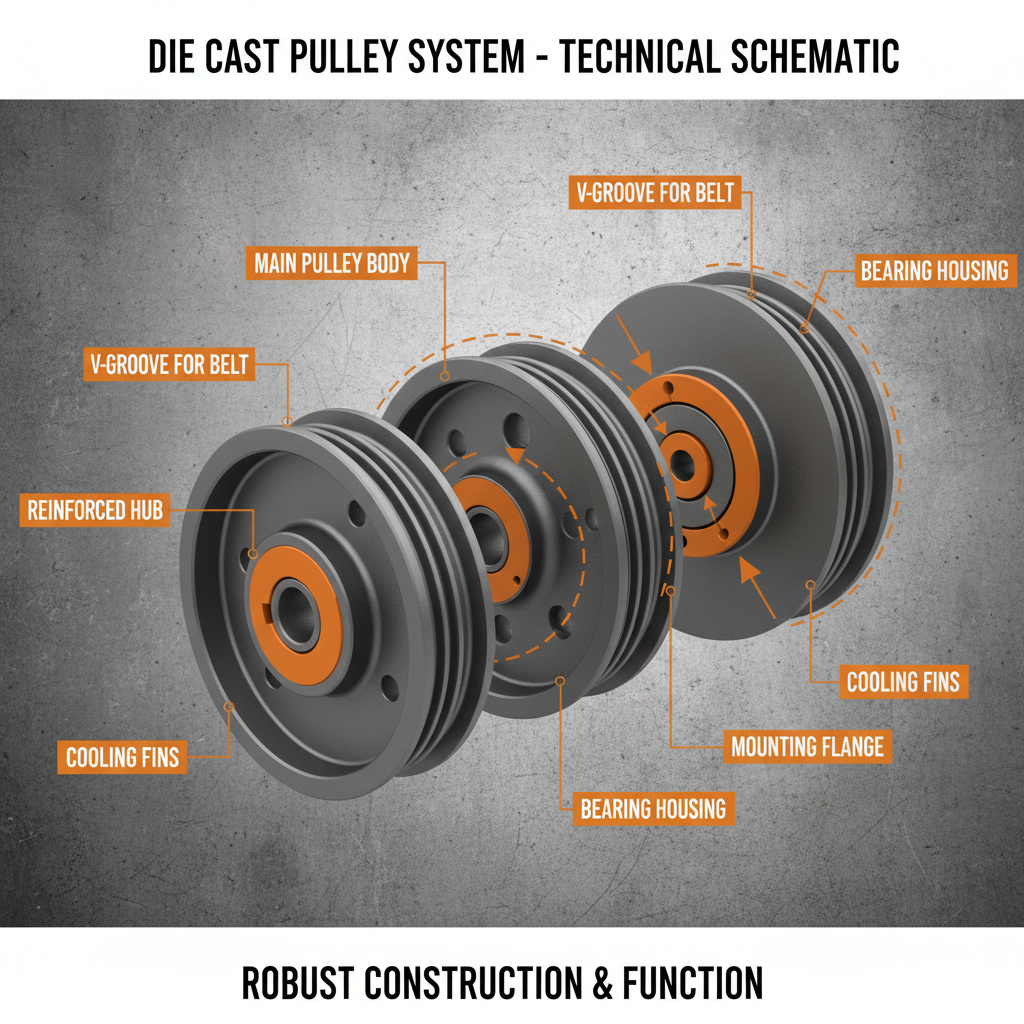
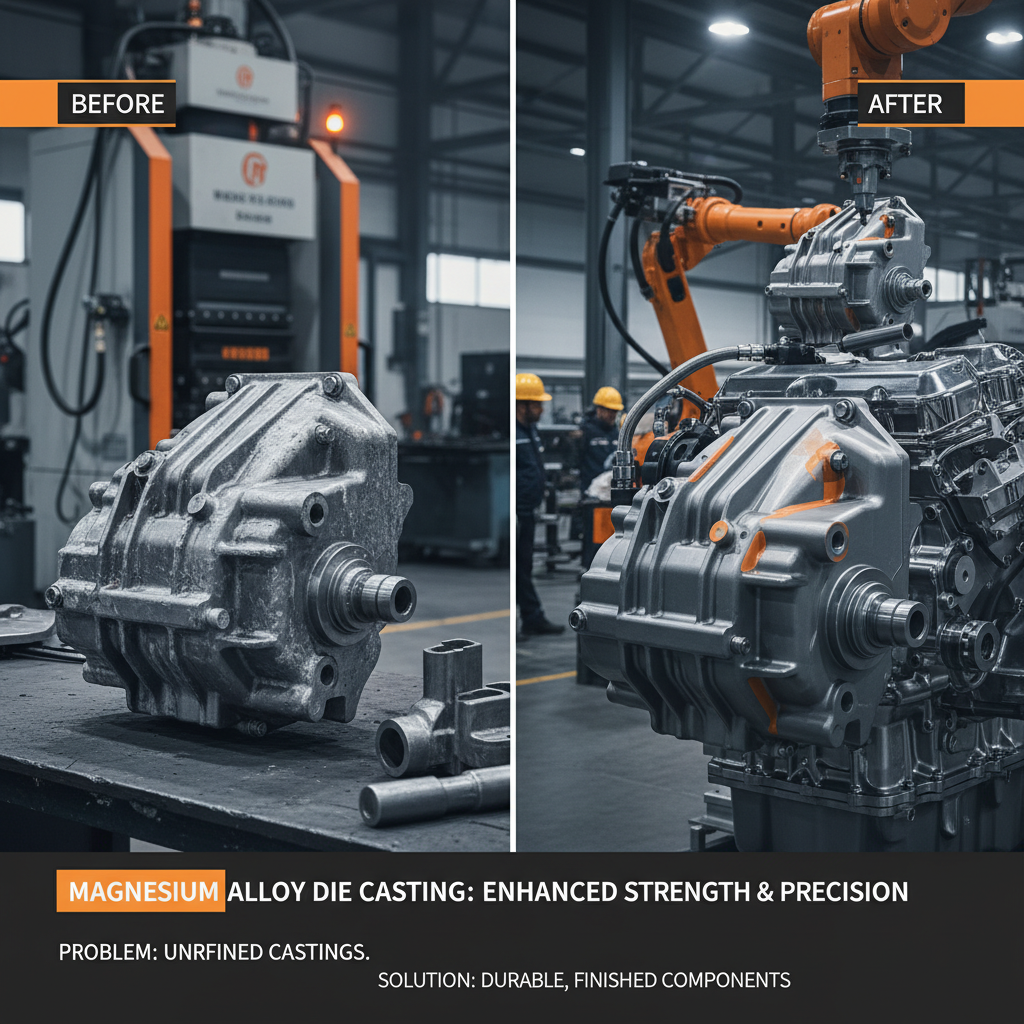
In the complex world of industrial motion control, die cast pulleys serve as critical components that ensure the seamless transmission of power across various mechanical systems. By leveraging high-pressure die casting technology, these components offer a perfect balance of structural integrity and geometric precision, making them indispensable in automotive, aerospace, and heavy machinery sectors globally.
The global shift toward lightweighting and energy efficiency has placed a renewed emphasis on the materials and manufacturing processes used for pulleys. Moving away from heavy forged steel toward advanced alloys via die casting allows engineers to reduce inertial loads without sacrificing the torque capacity required for high-performance applications.
Understanding the nuances of die cast pulleys—from the selection of aluminum or zinc alloys to the post-casting machining tolerances—is essential for any procurement manager or engineer looking to optimize system longevity and reduce operational downtime in a competitive industrial landscape.
The Global Industrial Relevance of Die Cast Pulleys
On a global scale, the demand for die cast pulleys is driven by the relentless pursuit of efficiency in the automotive and manufacturing sectors. According to ISO standards for mechanical transmission, the precision of the pulley groove is paramount to preventing belt slip and energy loss. As industries move toward "Industry 4.0," the integration of high-tolerance die castings ensures that machinery can operate at higher speeds with less vibration.
The primary challenge facing modern engineers is the trade-off between weight and durability. In remote industrial zones or heavy-duty mining operations, a failure in a pulley system can lead to catastrophic downtime. By utilizing high-pressure die casting, manufacturers can create components that are significantly lighter than traditional cast iron counterparts while maintaining the requisite hardness to resist wear and tear over millions of cycles.
Technical Definition and Engineering Meaning
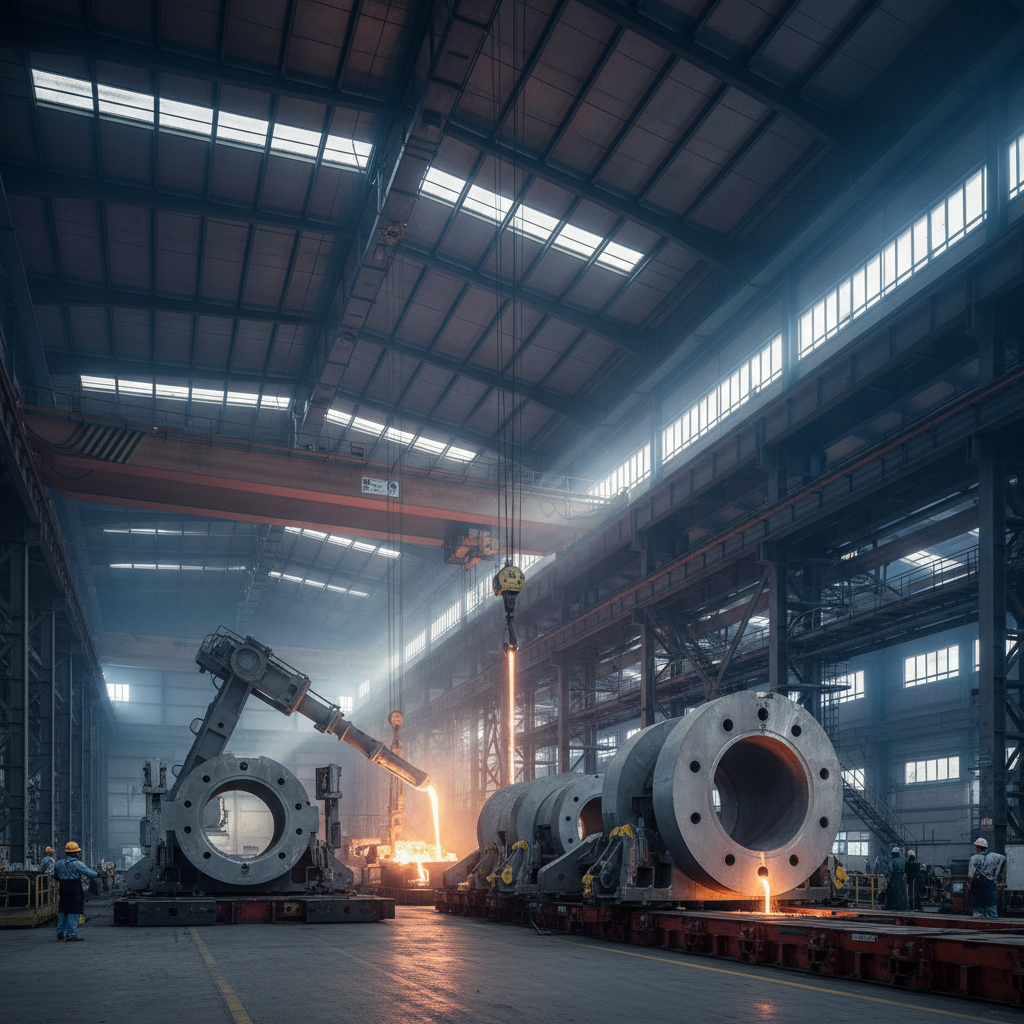
In simple technical terms, die cast pulleys are wheels with a grooved rim, designed to hold a belt or rope, produced by forcing molten metal under high pressure into a reusable steel mold (the die). This process differs from sand casting by providing far superior surface finishes and tighter dimensional tolerances, which are critical for ensuring that the belt remains centered and the load is distributed evenly.
Beyond the basic definition, these components represent a convergence of metallurgy and mechanical design. They are not merely "wheels" but engineered interfaces that must manage friction, heat dissipation, and centrifugal forces. In modern humanitarian or infrastructure projects—such as the deployment of rapid-response water pumping systems—the reliability of these pulleys ensures that critical machinery functions without failure in harsh environments.
The connection to modern industry lies in the scalability of the process. Because the die is permanent, thousands of identical die cast pulleys can be produced with minimal variance. This consistency is what allows for the global standardization of parts, enabling a machine built in Germany to be serviced with a pulley cast in China, provided they adhere to the same precision specifications.
Core Factors Influencing Pulley Performance
When evaluating the quality of die cast pulleys, the first critical factor is Material Integrity. The choice between ADC12 aluminum or zinc alloys determines the pulley's resistance to corrosion and its tensile strength. High-quality casting ensures a dense grain structure, which prevents internal porosity that could lead to sudden fractures under high torque.
Dimensional Stability is the second pillar of performance. For die cast pulleys, this refers to the concentricity of the bore and the accuracy of the groove profile. Even a deviation of a few microns can lead to belt misalignment, which increases friction, generates excessive heat, and drastically shortens the lifespan of both the belt and the pulley.
Finally, Surface Finish and Hardness play a vital role in reducing wear. Post-casting treatments, such as hard anodizing or chroming, are often applied to die cast pulleys to create a wear-resistant skin. This is especially important in dusty industrial environments where abrasive particles can act like sandpaper against the pulley surface, eroding the profile over time.
Comparative Analysis of Casting Methods
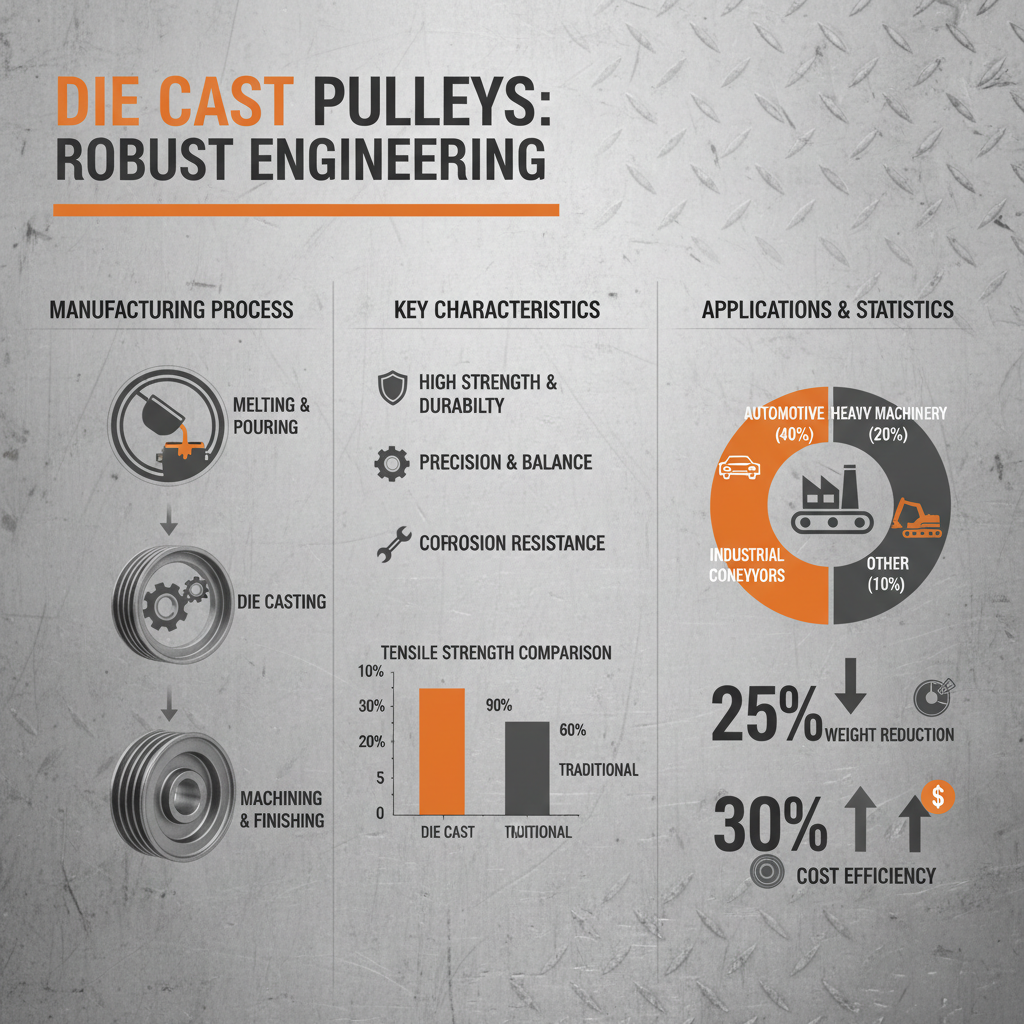
Choosing the right manufacturing route for die cast pulleys often comes down to a balance of volume and precision. While sand casting is viable for massive, low-volume prototypes, high-pressure die casting (HPDC) is the gold standard for mass production due to its rapid cycle times and exceptional detail.
To better visualize the trade-offs, we look at the performance ratings across different production methods. Factors such as surface smoothness, dimensional accuracy, and production speed are weighed to determine the most efficient path for specific project requirements.
Production Method Performance for Die Cast Pulleys
Global Applications and Sector Use Cases
The application of die cast pulleys spans across diverse global industries. In the automotive sector, they are essential for alternator belts and water pump systems, where lightweighting is critical for fuel efficiency. In the realm of HVAC systems, these pulleys ensure that fans and compressors operate quietly and efficiently, reducing the carbon footprint of large commercial buildings.
Beyond commercial use, we see these components in critical infrastructure and relief operations. For instance, in post-disaster relief zones, portable generators and water purification units rely on rugged die cast pulleys to maintain power transmission in sandy or humid environments where steel pulleys would quickly succumb to rust and seizure.
Long-term Value and Sustainable Advantages
Investing in high-quality die cast pulleys provides tangible long-term value by reducing the Total Cost of Ownership (TCO). Because die cast components have superior wear resistance and better balance, they reduce the stress on bearings and motors, extending the mean time between failures (MTBF) for the entire machine assembly.
From a sustainability perspective, the use of aluminum die casting is highly advantageous. Aluminum is infinitely recyclable, and the die casting process produces significantly less scrap material compared to subtractive CNC machining from a solid block. This alignment with "Green Manufacturing" policies makes these pulleys a preferred choice for companies aiming for LEED or ISO 14001 certification.
Moreover, the reliability of these components fosters trust and safety. In industrial elevators or conveyor systems, a pulley failure can be a safety hazard. The predictable fatigue life of precision-cast alloys ensures that maintenance can be scheduled preventatively, ensuring human safety and operational dignity in the workplace.
Future Trends in Pulley Innovation
The future of die cast pulleys is being shaped by the integration of smart materials and digital twin technology. We are seeing the emergence of "intelligent pulleys" with embedded sensors that can monitor vibration and heat in real-time, alerting operators to a failing belt before it snaps. This shift from reactive to predictive maintenance is a hallmark of the digital transformation in the casting industry.
Material science is also evolving, with the introduction of nano-composite alloys that offer the weight of aluminum with the hardness of ceramics. These new alloys, when combined with vacuum die casting, eliminate the risk of internal gas porosity, allowing die cast pulleys to handle significantly higher loads and faster rotational speeds.
Furthermore, automation in the finishing process—using robotic polishing and laser-cladding—is ensuring that the groove profiles are more accurate than ever. As we move toward more sustainable energy sources, the demand for ultra-efficient transmission components will only grow, positioning precision casting as the cornerstone of mechanical efficiency.
Analysis of Casting Material Properties for Pulley Applications
| Material Type |
Wear Resistance |
Weight Factor |
Cost-Effectiveness |
| Aluminum ADC12 |
High (with coating) |
Very Low |
Excellent |
| Zinc Alloy ZAMAK |
Medium |
Medium |
Good |
| Magnesium Alloy |
Low-Medium |
Ultra Low |
Moderate |
| Cast Iron (Standard) |
Very High |
High |
Low (due to weight) |
| Composite-Alloy |
Ultra High |
Low |
Low (Premium) |
| Stainless Cast |
High |
High |
Moderate |
FAQS
Die cast pulleys are superior primarily in terms of production speed and material utilization. While CNC machining removes a large percentage of the raw material as waste, die casting forms the part near-net shape, significantly reducing cost for high-volume orders. Additionally, the high pressure used in die casting creates a denser part with a smoother surface finish, which is critical for belt longevity.
To prevent wear, it is recommended to use surface treatments such as hard-coat anodizing or electroless nickel plating. These processes increase the surface hardness of the pulley, making it resistant to abrasive particles and friction. Regular belt tension checks are also essential to ensure the pulley is not subjected to excessive loads that could cause premature groove erosion.
Yes, provided the correct alloy and casting process are used. For high-torque needs, engineers often specify high-strength aluminum alloys or zinc, and incorporate reinforced ribbing in the pulley design. When combined with precision machining of the bore for a tight fit with the shaft, die cast pulleys can reliably handle significant power loads across various industrial sectors.
While general die casting offers reasonable tolerances, precision die cast pulleys intended for high-speed use typically undergo secondary machining operations. The raw casting may have a tolerance of +/- 0.1mm, but the final bore and groove are typically machined to tolerances of +/- 0.01mm to 0.05mm to ensure perfect concentricity and alignment.
Yes, they are considerably more eco-friendly than many alternatives. Aluminum and zinc are highly recyclable, and the die casting process minimizes material waste. Furthermore, by reducing the overall weight of the mechanical system, these pulleys help reduce the energy consumption of the motors driving them, contributing to overall industrial energy efficiency.
Choose aluminum if weight reduction and corrosion resistance are your primary goals, especially in automotive or aerospace settings. Choose zinc if you require extremely high dimensional precision and a higher density for stability, or if the component is smaller and requires very intricate detailing that aluminum cannot easily achieve.
Conclusion
In summary, die cast pulleys represent a vital intersection of efficiency, durability, and precision in the modern manufacturing landscape. By optimizing the balance between material weight and structural strength, these components reduce operational costs, enhance machine longevity, and support global sustainability goals through recyclable materials and energy-efficient designs.
As we look toward a future of smarter, lighter, and more sustainable industrial systems, the role of precision die casting will only expand. We encourage engineers and procurement specialists to prioritize high-tolerance casting and advanced surface treatments to future-proof their machinery. Visit our website to learn more about our precision solutions: www.hairunsourcing.com